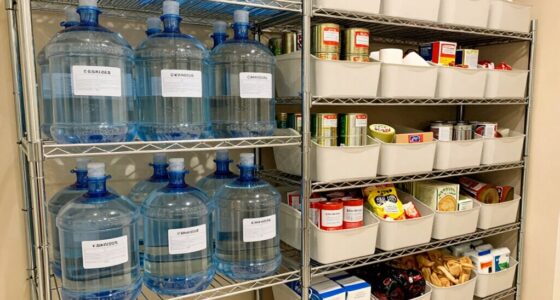
To keep outage food safe and manageable, you should regularly check and rotate your stored supplies, keeping perishables in airtight containers and labeling them with dates. Keep your fridge full to maintain cold temperatures, and use a cooler with ice packs during outages. Always handle foods carefully, discarding anything spoiled or unsafe. Developing good habits now helps minimize waste and health risks. Continue this guide to discover more tips for maintaining safe, easy-to-manage food during outages.
Prime for Young Adults — start your free trial
Fast free delivery, streaming and member deals for eligible 18–24 year olds.
As an affiliate, we earn on qualifying purchases.
Key Takeaways
- Keep refrigerator and freezer doors closed as much as possible to preserve cool temperatures during outages.
- Regularly label and rotate stored foods to ensure safety and minimize waste.
- Use ice packs and frozen water bottles to maintain cold temperatures for perishables.
- Discard any food that has been above 40°F for over two hours to prevent foodborne illness.
- Develop a clear plan for inspecting, cooking, and disposing of foods after power restoration.
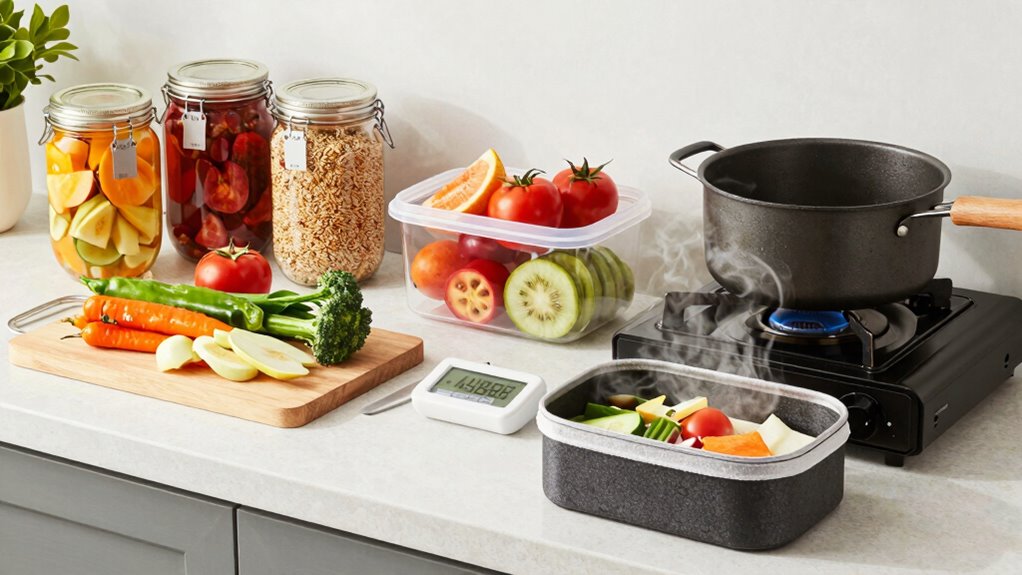
When the power goes out, handling food safely becomes a top priority to prevent spoilage and foodborne illnesses. Your first step is to stay calm and assess what food items are at risk. You should have some basic emergency preparedness plans in place before an outage occurs. This includes knowing where your refrigerated and frozen foods are stored and having a plan for how to keep them cold if the outage lasts longer than a few hours. Proper food storage techniques are crucial. Keep your refrigerator door closed as much as possible to maintain the cold temperature. A full fridge retains cold better than an empty one, so consider storing bottled water or other non-perishable items inside to help keep the temperature stable. For the freezer, if you know power will be out for an extended period, you might want to transfer some perishables into a cooler with ice packs to extend their freshness.
Keep refrigerator door closed, store bottled water, and transfer perishables to a cooler during extended power outages.
Knowing how to stock your pantry and freezer in advance is key to emergency preparedness. Stock up on non-perishable foods like canned goods, dried fruits, nuts, and grains that don’t require refrigeration. These foods make it easier to feed yourself safely during an outage without worrying about spoilage. When storing food for emergencies, use airtight containers to prevent contamination and spoilage. Label everything clearly with dates so you can rotate your supplies regularly, ensuring they stay fresh when needed. If you have a deep freezer, keep it full; a full freezer stays colder longer because the mass of frozen items helps retain the cold. Additionally, having a reliable emergency power source can be a valuable asset for maintaining safe food temperatures during extended outages. It’s also important to periodically check your food supplies to ensure everything remains safe and properly stored. Regularly checking your food storage supplies can help you stay prepared and avoid last-minute scrambling. Being aware of food safety guidelines during outages can prevent accidental consumption of unsafe foods and protect your health. Incorporating food safety practices into your routine will make managing outage food less stressful and more effective.
During the outage, pay close attention to the temperature of your food. If the refrigerator temperature rises above 40°F for more than two hours, discard perishable items like dairy, meat, or leftovers. A good rule of thumb is to freeze small portions of water in plastic bags ahead of time; these can be used to keep foods cold or to help with water needs if supplies run low. When you’re ready to cook or consume the food, prioritize eating the most perishable items first. Use a food thermometer if available to ensure foods are cooked thoroughly and safely.
After the power comes back, inspect all refrigerated and frozen foods before consuming. If any items have an unusual smell, color, or texture, it’s best to discard them. The habits you develop around emergency preparedness and food storage techniques will make handling outage food safer and less stressful, helping you stay healthy and prepared for any situation.
airtight food storage containers
As an affiliate, we earn on qualifying purchases.
As an affiliate, we earn on qualifying purchases.
Frequently Asked Questions
How Can I Tell if Canned Food Has Gone Bad?
You can tell if canned food has gone bad by checking expiration dates and spoilage signs. If the can’s bulging, dented, or leaking, toss it. Look for foul odors, unusual colors, or mold after opening. If the food tastes off or has a strange texture, discard it. Always trust your senses—if anything seems suspicious, it’s safer not to eat it. Properly stored, canned food can last longer, but always check for these signs.
What Are the Best Non-Perishable Ingredients for Outage Cooking?
You should prioritize non-perishable ingredients like canned beans, rice, pasta, and canned vegetables for outage cooking. These staples are great for meal planning because they store well and are versatile. Use proper storage tips—keep them in a cool, dry place and check expiration dates regularly. Stocking these essentials guarantees you can prepare nutritious meals quickly and safely during outages, making your emergency food supply more reliable.
How Do I Store Perishable Foods During an Outage?
Think of your fridge as a delicate clock—timing and care keep it ticking. During an outage, prioritize food safety by storing perishable foods in a cooler with ice packs or a well-insulated container. Keep the temperature below 40°F whenever possible. Use storage tips like wrapping foods tightly and avoiding opening the cooler frequently to maintain cold. This helps prevent spoilage and keeps your food safe longer.
Are There Safe Ways to Reheat Outage Food?
Yes, you can safely reheat outage food using proper techniques. Use a microwave for quick reheating, ensuring you follow microwave safety by stirring and checking for even heat distribution. Reheat leftovers to at least 165°F (74°C) to kill bacteria. Alternatively, reheat on the stove in a covered pan, stirring regularly. Always verify that the food is steaming hot throughout before eating to prevent foodborne illnesses.
What Tools Are Essential for Preparing Outage Meals Safely?
You need essential tools like a reliable stove or portable burner, a thermometer for checking food temperatures, and sturdy utensils for safe handling. Use proper cooking techniques, such as thorough reheating and avoiding cross-contamination, to guarantee kitchen safety. Keep a clean workspace, wash hands regularly, and store food properly. These tools and habits help make outage meals safer and easier to prepare, reducing the risk of illness and ensuring your food stays safe to eat.
As an affiliate, we earn on qualifying purchases.
Conclusion
So, next time the power’s out, remember these kitchen habits—because nothing says “prepared” like knowing your way around a cold snack stash and a trusty manual can opener. With a little effort, you’ll turn outage chaos into a culinary adventure, or at least avoid becoming the neighborhood’s emergency snack supplier. Who knew that staying safe and sane in a blackout was just a matter of good habits? Stay sharp, or at least stay stocked.
As an affiliate, we earn on qualifying purchases.
As an affiliate, we earn on qualifying purchases.
NFL season / tailgating Picks
team gear
As an affiliate, we earn on qualifying purchases.