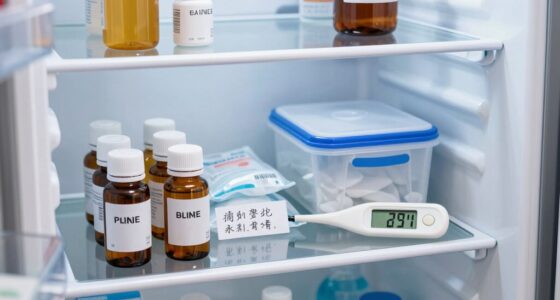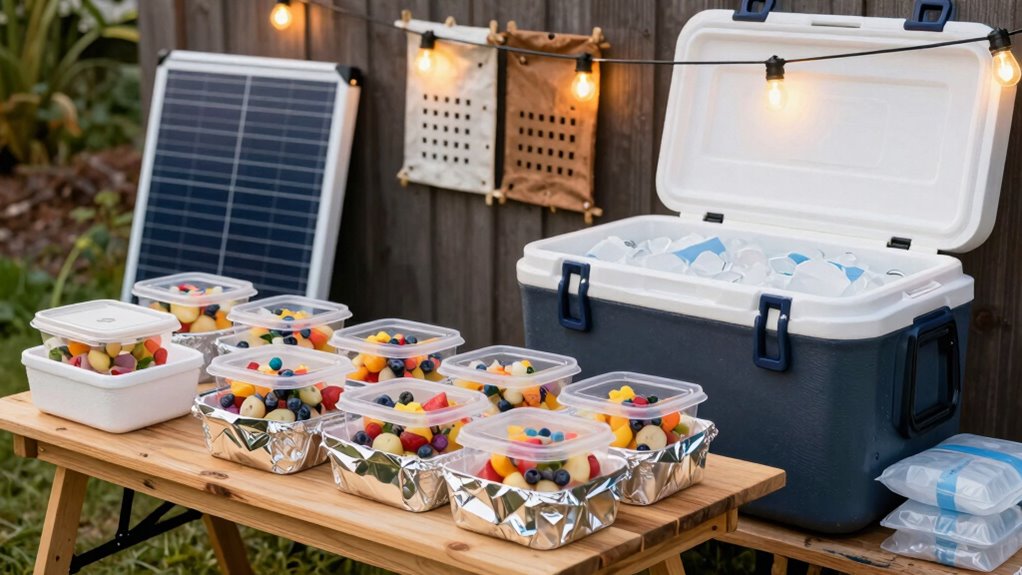

To build a fridge and cooler plan for party leftovers during outages, start by pre-packaging leftovers in small containers or vacuum-sealed bags for quick cooling. Keep your fridge at or below 37°F and place it in a shaded, cool spot to extend cold retention. Use ice packs or dry ice to supplement cooling and have backup power sources like portable generators ready. Regularly monitor temperatures and respond quickly if it warms. Keep an eye out for more tips to guarantee your leftovers stay safe.
Play games included with Prime
Start a Prime free trial and play with Amazon Luna on your devices.
As an affiliate, we earn on qualifying purchases.
Key Takeaways
- Pre-chill leftovers in small, airtight containers or vacuum-sealed bags for faster cooling and easier storage.
- Use ice packs or dry ice in coolers to maintain safe temperatures during outages.
- Identify shaded, cool storage locations to place refrigerators and coolers for maximum efficiency.
- Prepare backup power sources like portable generators or battery inverters to sustain cooling during outages.
- Regularly monitor temperatures and transfer perishable items to alternative cold storage if needed.

Ever wondered how to keep your party leftovers safe during power outages? When the grid goes down, your first priority should be maintaining safe temperatures in your fridge and cooler. To do this effectively, you need a solid plan that combines energy efficient cooling strategies with reliable emergency power sources. This way, your leftovers stay fresh and safe to eat, even when the lights go out unexpectedly.
Start by optimizing your fridge’s efficiency. Make sure it’s set to the right temperature—around 37°F (3°C)—to prevent bacteria growth. Keep the door closed as much as possible during outages to preserve the cold air inside. If you’re hosting a big party, consider investing in energy efficient cooling appliances that use less power while maintaining consistent temperatures. These appliances are designed to run more efficiently, which means they can better withstand power interruptions and are less likely to malfunction during outages. Additionally, placing your fridge or cooler in a cool, shaded part of your home can help it stay cold longer, reducing the strain on your emergency power sources.
Speaking of emergency power sources, it’s essential to have backup options ready. Portable generators are a popular choice because they can supply power directly to your fridge and cooler, keeping the contents at safe temperatures. When selecting a generator, ensure it has enough wattage to handle your appliance load. Remember, running a generator requires caution—operate it outdoors and away from windows to avoid carbon monoxide buildup. Alternatively, a battery-powered inverter can be a quieter, cleaner option for smaller coolers, especially if you have a few portable batteries on hand. Keep these batteries fully charged ahead of time, so they’re ready to go when needed. Proper food storage techniques can also help extend the safe storage time and prevent spoilage. Incorporating energy-efficient cooling methods can further enhance your preparedness during outages. Additionally, selecting energy-efficient cooling appliances can significantly reduce power consumption and increase your capacity to maintain safe temperatures during prolonged outages.
Another smart move is to pre-package party leftovers into smaller containers or vacuum-sealed bags. Smaller portions cool faster and are easier to keep cold. You might also consider using ice packs or dry ice in your cooler to supplement cooling during outages. These options can buy you extra hours of safe storage, especially if your main cooling system fails. Being aware of proper food storage techniques can help prevent spoilage and keep your leftovers safe. Think about creating a schedule to check on your equipment during a prolonged outage, so you can transfer leftovers to other cool locations or discard any perishable items that have warmed to unsafe temperatures. Proper emergency preparedness can further improve your ability to respond swiftly and effectively in these situations.
portable generator for refrigerator
As an affiliate, we earn on qualifying purchases.
As an affiliate, we earn on qualifying purchases.
Frequently Asked Questions
How Long Can Leftovers Stay Safe Without Refrigeration?
Leftovers can stay safe without refrigeration for about two hours if the temperature stays below 90°F. If it’s hotter, cut that time to just one hour. Food safety relies on proper temperature control; bacteria grow rapidly above 40°F. After this window, discard leftovers to prevent foodborne illness. Always check for signs of spoilage, like bad smell or slimy texture, before consuming leftovers after an outage.
What Materials Are Best for DIY Coolers?
For DIY cooling, you want insulation materials like foam board, spray foam, or reflective insulation to keep your cooler cold longer. Use sturdy, airtight containers to prevent warm air from entering. You can also add ice packs or frozen bottles of water for extra cooling. Focus on sealing gaps and choosing insulating materials that are easy to work with, ensuring your DIY cooler stays cold during outages or outdoor events.
How Can I Prevent Spoilage During Prolonged Outages?
During prolonged outages, you can prevent spoilage by employing insulation techniques to keep your food cold longer. Wrap leftovers in blankets or use foam insulation to slow temperature rise. Additionally, have power backup options like portable generators or battery-powered coolers ready. Keep the cooler in a shaded, cool spot, and avoid opening it frequently. These steps help maintain low temperatures and preserve your food until power is restored.
Are There Eco-Friendly Cooling Options for Emergencies?
Yes, eco-friendly cooling options exist for emergencies. You can use solar cooling systems that harness sunlight to keep your food cold without relying on electricity, making them sustainable and cost-effective. Additionally, biodegradable insulation materials, like plant-based foams or natural fibers, help maintain temperature without harming the environment. These options are practical during power outages, ensuring your leftovers stay fresh while minimizing your ecological footprint.
How Do I Organize Leftovers for Quick Access During Outages?
Imagine opening your cooler, steam rising from stacked storage containers filled with vibrant leftovers. You’ve organized your meal planning with purpose—labels facing up, containers grouped by meal type or expiration. This quick-access system guarantees you grab what you need fast, reducing waste and keeping food safe during outages. Your thoughtful storage makes it easy to maintain, enjoy, and manage leftovers efficiently until power returns.
As an affiliate, we earn on qualifying purchases.
Conclusion
Think of your fridge and cooler plan as a sturdy ship steering through stormy outages. By keeping your leftovers cool, you’re steering clear of spoilage and chaos, ensuring everything stays fresh and safe. With your plan in place, you’re the captain confidently guiding your feast through unpredictable waters. Remember, a well-prepared vessel isn’t just about storage — it’s about safeguarding memories, flavors, and the joy of sharing, no matter how stormy the night.
energy efficient portable cooler
As an affiliate, we earn on qualifying purchases.
As an affiliate, we earn on qualifying purchases.
battery-powered inverter for fridge
As an affiliate, we earn on qualifying purchases.
As an affiliate, we earn on qualifying purchases.
NFL season / tailgating Picks
team gear
As an affiliate, we earn on qualifying purchases.