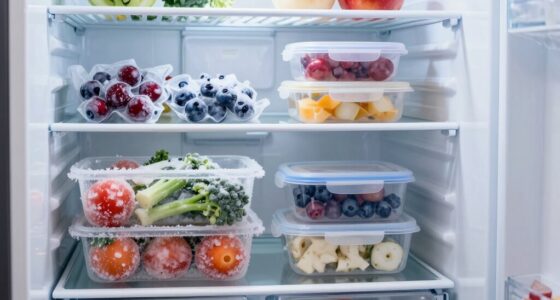
Your fridge is a ticking clock for food safety. Most dairy, like milk, lasts about a week past the sell-by date, while leftovers stay good for 3-4 days if stored properly. Eggs can spoil silently, so check for foul smells or cracks, and seafood should be consumed quickly—within 1-2 days. Maintaining the right temperature and practicing proper storage helps prevent health risks. Learn how to keep your food safe longer by exploring these essential tips.
Key Takeaways
- Regularly monitor refrigerator temperature to stay at or below 40°F, preventing bacterial growth.
- Know expiration timelines for dairy, eggs, meat, and seafood to avoid consuming spoiled items.
- Use visual and sensory cues like odors, textures, and discoloration to detect food spoilage early.
- Practice proper food storage, rotation, and timely disposal to reduce contamination and waste.
- Maintain fridge cleanliness and organization to improve safety, efficiency, and reduce the risk of foodborne illness.

TempPro Refrigerator Thermometer 2 Pack with Large Backlit LCD Display, Waterproof Freezer Fridge Thermometer with Max/Min Record, Easy Battery Replacement for Room, Cooler (Previously ThermoPro)
【Backlit Display for Clear Visibility】The oversized LCD screen with bright backlight ensures easy readability, even in dark freezers…
As an affiliate, we earn on qualifying purchases.
As an affiliate, we earn on qualifying purchases.
How Long Do Fresh Dairy Products Last?

Ever wonder how long your fresh dairy products stay safe to eat? Proper dairy preservation is essential to avoiding spoilage and foodborne illnesses. Typically, milk expiration varies depending on storage, but unopened milk generally lasts about a week past the sell-by date when refrigerated at or below 40°F. Once opened, it’s best to consume milk within 3 to 5 days. Keep in mind, milk can spoil faster if not stored properly or if it’s exposed to temperature fluctuations. Always check for signs of spoilage, like sour smell or curdling, before drinking. Proper storage and timely use are vital to extending the freshness of your dairy products. Understanding food safety principles can help you prevent health risks associated with spoiled dairy, including proper refrigeration practices.

Airtight Food Storage Containers with Lids, Vtopmart 24 pcs Plastic Kitchen and Pantry Organization Canisters for Cereal, Dry Food, Flour and Sugar, BPA Free, Includes 24 Labels,Black
Help Organize Your Kitchen and Pantry— Imagine every time walking to your kitchen or pantry, found everything is…
As an affiliate, we earn on qualifying purchases.
As an affiliate, we earn on qualifying purchases.
The Shelf Life of Cooked Meats and Leftovers
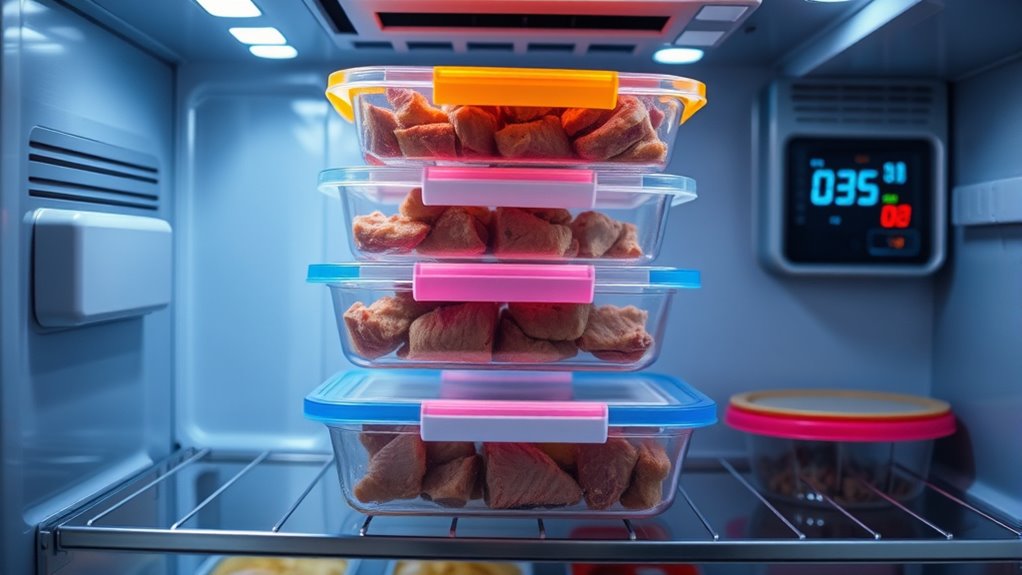
Cooked meats and leftovers can be safe to eat for a limited time, so knowing their shelf life is essential to prevent foodborne illness. Generally, leftovers should be stored in airtight containers and refrigerated within two hours of cooking. Proper leftovers storage helps slow bacterial growth, but it doesn’t prevent it entirely. When reheating meat, ensure it reaches an internal temperature of 165°F to kill bacteria. Avoid reheating multiple times, as this increases the risk of spoilage. Leftovers typically stay safe for three to four days in the fridge. If you’re unsure about their freshness, trust your senses—discard any leftovers with off smells, slimy textures, or mold. Being mindful of these guidelines keeps your food safe and reduces waste. Additionally, understanding food safety practices can help you better manage leftovers and prevent health risks. Regularly monitoring temperature control in your refrigerator is also crucial to maintaining optimal storage conditions and ensuring your leftovers stay safe longer.

FRESKO Vacuum Sealer Machine with Automatic Bag Detection, 0.2-inch widened heating strip, Compact Food Sealer, Easy to Use, Starter Kit
Fully Automatic Operation: Fresko fully automatic vacuum sealer, includes 10 pre-cut bags, 140W power, dry & moist modes…
As an affiliate, we earn on qualifying purchases.
As an affiliate, we earn on qualifying purchases.
Recognizing Spoiled Fruits and Vegetables
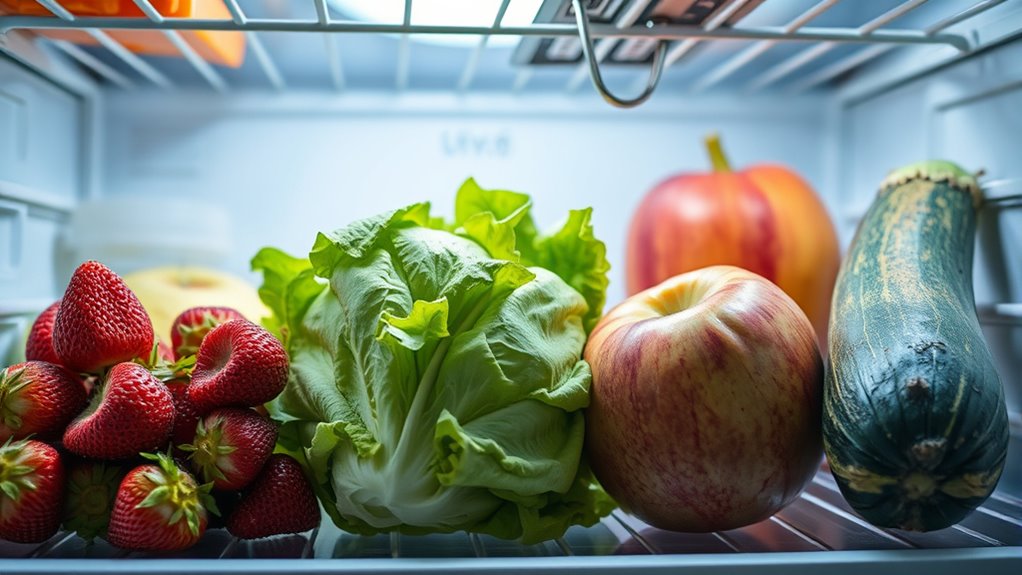
When checking fruits and vegetables, look for obvious signs of spoilage like mold, discoloration, or wrinkles. Trust your nose—any sour or off smell usually means they’re no longer safe to eat. Feel the produce; if it’s slimy or excessively soft, it’s time to toss it out. Additionally, understanding the freshness of produce can help you determine its quality and safety. Being aware of food safety standards can further guide your decisions in the kitchen. Recognizing quality indicators is essential to prevent consuming spoiled or unsafe items.
Visual Spoilage Signs
Spotting spoiled fruits and vegetables is essential for maintaining food safety, as visual signs often reveal spoilage before any odors or textures become noticeable. Look for mold growth, which appears as fuzzy or slimy patches in various colors like green, white, or black. Discoloration patterns are also key indicators; for instance, fruits may develop dark spots or uneven coloring, signaling deterioration. Vegetables might show yellowing, browning, or translucent areas that shouldn’t be there. Always inspect carefully, especially in hidden creases or underneath surfaces. If you notice any mold growth, unusual discoloration, or inconsistent coloring, it’s best to discard the produce to prevent potential health risks. Recognizing these visual cues helps keep your food safe and your fridge free from contaminated items. Incorporating visual spoilage signs into your routine can significantly reduce food waste and improve your overall food safety practices. Additionally, understanding food safety principles empowers you to make better choices about what to keep or discard in your fridge. Being aware of the history of food safety regulations can also help you stay informed about standards that protect consumers. Regularly checking your produce for these signs can help prevent foodborne illnesses associated with spoiled items.
Smell and Texture
Fruits and vegetables often give telltale signs of spoilage through their smell and texture, making these cues essential for evaluating freshness. Aroma detection can reveal off-odors, indicating fermentation or decay, while texture changes signal deterioration. If produce feels slimy, mushy, or excessively soft, it’s best to discard it. Conversely, fruits with a sour or rancid smell are no longer safe to eat. Use this table to guide your assessment:
| Sign | What to Look For | Action |
|---|---|---|
| Off-odor or sour smell | Unpleasant aroma, fermentation smells | Discard immediately |
| Texture softening or slimy | Excessive softness, stickiness | Avoid eating, throw away |
| Mold or discoloration | Visible mold, dark spots | Do not consume |
Being aware of proper storage techniques can help extend produce freshness and reduce waste. Proper storage methods can slow down spoilage and maintain quality for longer periods.
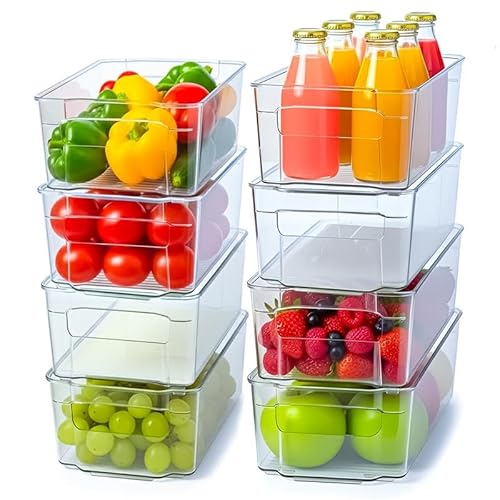
Utopia Home – Fridge & Refrigerator Organizer Bins (8 Pack), Clear Stackable Durable Plastic Storage Containers with Easy Grip Handles for Pantry, Kitchen Cabinets & Countertops
Set of 8 Pieces Pantry Organizers and Storage – fridge organizers and storage bins box allows for better…
As an affiliate, we earn on qualifying purchases.
As an affiliate, we earn on qualifying purchases.
The Risks of Consuming Expired Eggs
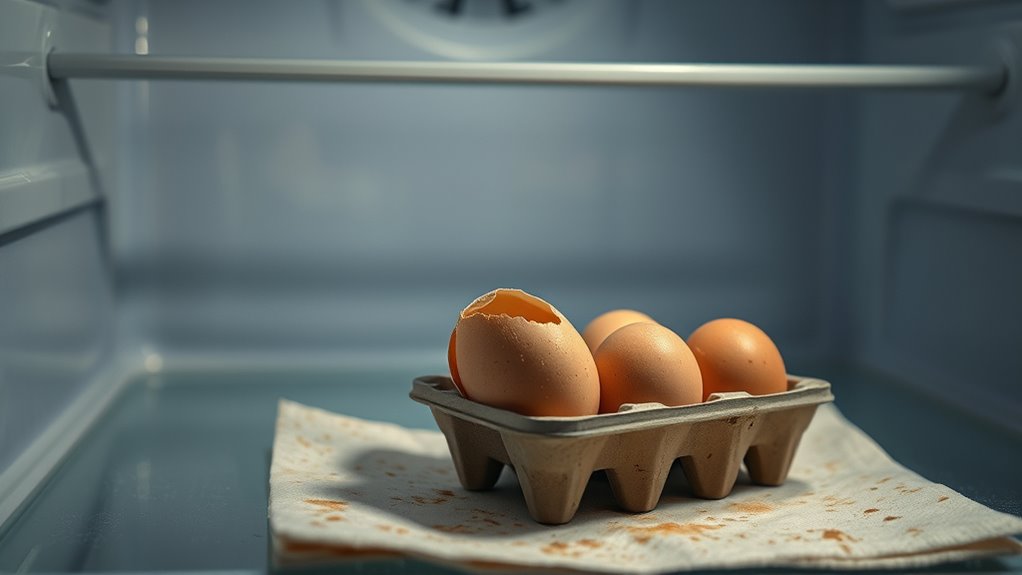
Consuming expired eggs can increase your risk of bacterial growth, which may cause food poisoning. Look for signs like a foul smell, slimy texture, or unusual discoloration to identify spoiled eggs. Ignoring these indicators could put your health at unnecessary risk. Incorporating nanotechnology-based sensors into packaging could help detect spoilage more effectively. Additionally, proper refrigeration and awareness of temperature control are essential for maintaining egg freshness and safety. Maintaining appropriate storage conditions can further extend the freshness and safety of eggs during shelf life, especially when combined with proper handling practices.
Bacterial Growth Risks
Eating expired eggs can pose serious bacterial growth risks that you might not immediately notice. Bacteria like Salmonella can develop silently, increasing your chances of illness. To reduce these risks, focus on cross contamination prevention and bacterial growth mitigation. Always store eggs in the coldest part of your fridge and keep them sealed. Avoid leaving eggs out at room temperature for extended periods. When handling eggs, wash your hands thoroughly and clean surfaces afterward. Use separate utensils for raw eggs to prevent cross-contact. Regularly check expiration dates, and discard eggs that have been stored too long. Maintaining proper hygiene and storage practices helps keep bacteria at bay, reducing your risk of foodborne illness from expired eggs. Additionally, understanding the importance of food safety standards can help you make better choices to protect your health. Proper refrigeration and adherence to storage guidelines are essential components of food safety. Being aware of the bacterial growth process can further help you recognize when eggs are no longer safe to consume. Implementing temperature control measures can significantly slow bacterial development, ensuring eggs remain safe longer. Properly managing these factors is similar to field-of-view and imaging-scale considerations in deep-sky imaging, where precision in setup prevents unwanted risks.
Spoiled Egg Indicators
Spotting spoiled eggs is essential because consuming them can lead to food poisoning. To check egg freshness, perform a simple float test: place the egg in a bowl of water. Fresh eggs sink to the bottom, while older ones float due to increased air pockets. Inspect the shell for cracks; shell cracks can allow bacteria to enter, increasing the risk of contamination. Even if an egg appears normal, a cracked shell is a red flag indicating it may no longer be safe to eat. Always crack eggs into a separate bowl before cooking to observe any foul odor or unusual appearance. Remember, trusting your senses and paying attention to shell integrity are key to avoiding the dangers of consuming expired or compromised eggs. Regularly filter maintenance of your kitchen tools can also prevent cross-contamination and ensure food safety. Understanding food spoilage signs and proper storage conditions helps you make safer choices in your kitchen. Additionally, being aware of proper refrigeration practices can extend egg freshness and reduce spoilage risks. Proper handling and storage are crucial components of food safety practices, especially with perishable items like eggs.
Proper Storage for Packaged and Processed Foods
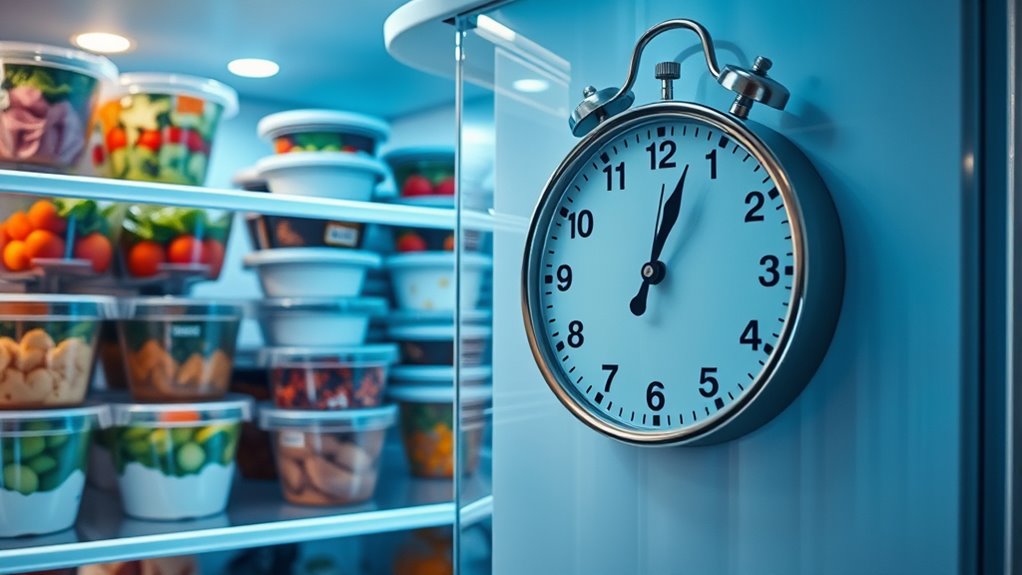
Proper storage of packaged and processed foods is essential to maintain their safety and quality. Proper storage prevents contamination, keeps foods fresh, and extends shelf life. Always check food packaging for labels and expiration dates before storing. Use airtight storage containers to protect foods from moisture and pests. Keep raw and cooked foods separate to avoid cross-contamination. Store perishable items in the coldest part of your fridge, ideally below 40°F. Label packages clearly with dates to track freshness. Arrange items so older products are used first. Avoid overpacking your fridge, which hampers air circulation. Regularly clean shelves and containers to prevent bacteria buildup. Proper storage guarantees your foods stay safe and reduces the risk of foodborne illnesses.
Signs That Fish and Seafood Have Gone Bad
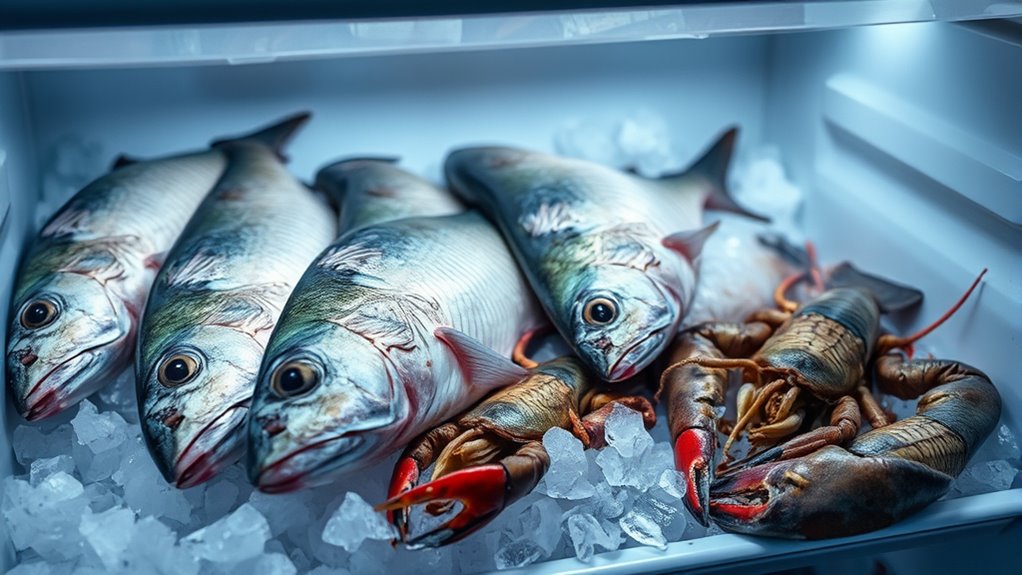
Ever wondered how to tell if your fish or seafood has gone bad? Freshness indicators are key. Look for a sour or ammonia smell—this signals spoilage beyond the typical ocean scent. Check the texture: slimy or sticky surfaces mean it’s no longer safe to eat. The color can also be a clue; dull, discolored flesh indicates spoilage. Spoilage timelines vary, but generally, seafood should be consumed within 1-2 days of purchase if stored properly. Use this table to quickly identify signs:
| Indicator | Fresh Seafood | Spoiled Seafood |
|---|---|---|
| Smell | Ocean-like, mild | Sour, ammonia, strong odor |
| Texture | Firm, moist | Slimy, sticky |
| Color | Bright, natural | Dull, discolored |
| Appearance | Clear eyes, shiny skin | Cloudy eyes, dull skin |
Stay vigilant to prevent foodborne risks.
Maintaining a Safe Refrigerator Temperature

Are you confident your refrigerator is set to the right temperature to keep your food safe? Proper temperature monitoring is essential to prevent spoilage and bacteria growth. Keep the fridge at or below 40°F (4°C) for maximum safety. Regularly check the temperature with a reliable thermometer to ensure accuracy. Adjust the thermostat if needed to improve energy efficiency and save on electricity costs. Here are some tips to maintain a safe fridge temperature:
Ensure your fridge stays safe by regularly checking that it’s at or below 40°F (4°C) with a reliable thermometer.
- Use a thermometer to verify accuracy
- Avoid overloading the fridge to allow proper air circulation
- Keep the door closed as much as possible
- Clean coils regularly for efficiency
- Check temperature settings seasonally to adapt to changes
Consistent temperature monitoring helps safeguard your food and reduces energy waste, keeping your fridge running efficiently.
Best Practices for Food Rotation and Disposal
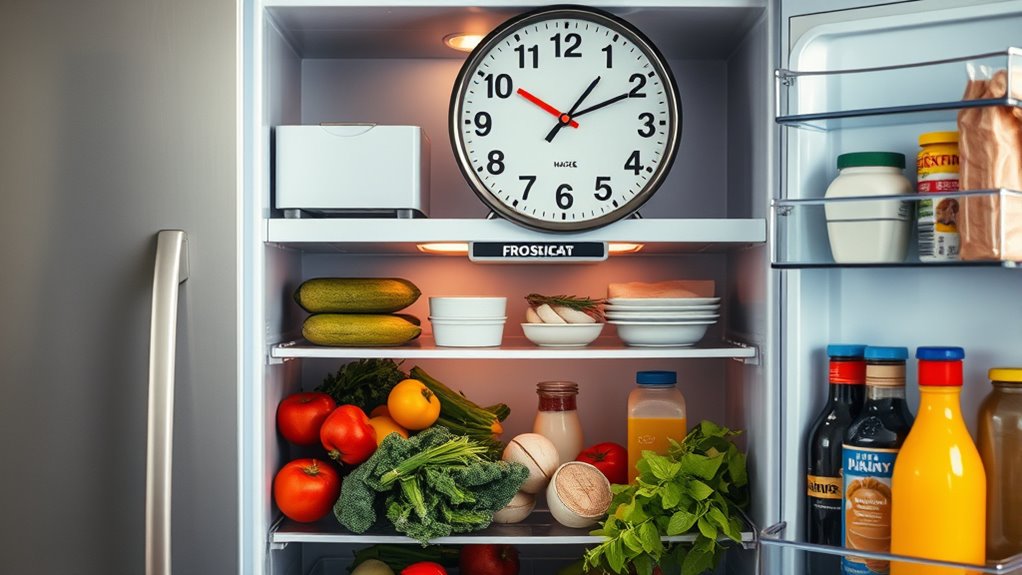
Maintaining the right refrigerator temperature helps keep food fresh longer, but it’s just one part of ensuring your food stays safe. To prevent spoilage and foodborne illness, follow a strict rotation schedule. Place newer items behind older ones, so you use up products before they expire. Always check expiration dates regularly and dispose of anything past its date, even if it looks or smells fine. Label leftovers and opened packages with the date you stored them, so you know when to discard. Keep your fridge organized, making it easier to see what needs to be used or thrown out. Proper rotation and timely disposal reduce waste and minimize the risk of consuming contaminated food. Staying vigilant with these practices keeps your kitchen safer and your food fresher.
Frequently Asked Questions
How Can I Tell if My Leftovers Are Still Safe to Eat?
You can tell if your leftovers are still safe by checking for food spoilage indicators like an off smell, slimy texture, or mold. Always look for signs of foodborne bacteria growth, such as discoloration or an unusual appearance. If you’re unsure, it’s best to err on the side of caution and discard leftovers that seem questionable, since consuming contaminated food can cause illness. When in doubt, throw it out.
What Are Signs of Mold Growth on Packaged Foods?
You’ll know mold growth on packaged foods through visible signs like fuzzy, discolored spots—often green, blue, or white. During packaged food inspection, look for any unusual textures or signs of spoilage, such as bulging or leaks, which could indicate mold or bacterial growth. If you spot mold, it’s safest to discard the item immediately, as mold spores can penetrate beyond visible areas and pose health risks.
How Often Should I Clean My Refrigerator for Safety?
Imagine discovering spoiled food that caused you to get sick — that’s why you should clean your fridge every three to four months. Regular refrigerator maintenance helps prevent bacteria buildup and keeps your food safe. Follow food storage tips like wrapping leftovers properly. During cleaning, wipe shelves, check expiration dates, and discard expired items. Staying consistent with cleaning guarantees your fridge remains a safe environment for your food and health.
Can I Freeze Foods Close to Their Expiration Date?
Yes, you can freeze foods close to their expiration date to extend their shelf life and guarantee food preservation. Just make sure you do it promptly, and use proper freezer safety techniques. Wrap or airtight container the items to prevent freezer burn. Freezing near the expiration date helps reduce waste and keeps your food safe longer. Always label and date your frozen items for easy tracking and peak freezer safety.
What Temperature Is Unsafe for Storing Fresh Produce?
You should keep your fresh produce below 40°F to prevent temperature danger and reduce produce spoilage. When your fridge exceeds this temperature, bacteria can grow rapidly, risking foodborne illnesses. Avoid storing produce in the warmest parts of your fridge, like door shelves, and use a thermometer to monitor the temperature regularly. Staying below 40°F keeps your produce fresh and safe, ensuring you enjoy nutritious, tasty foods every time.
Conclusion
Don’t let the fear of wasting food keep you from staying safe. By understanding how long different items last and keeping your fridge at the right temperature, you can prevent spoilage and avoid health risks. It might seem like a hassle, but a little effort now saves you from illness later. Stay vigilant, practice proper storage, and enjoy peace of mind knowing your food is safe to eat.