
TL;DR
The U.S. has reportedly accessed unredacted emails of Dutch regulators involved in EU platform rules, raising concerns about digital sovereignty. This incident underscores the importance of control over data access and jurisdiction.
The U.S. House of Representatives reportedly received unredacted emails from Dutch civil servants involved in EU platform regulation, illustrating a critical challenge to digital sovereignty. This incident emphasizes the importance for nations to control access to sensitive data across borders, especially when legal jurisdictions intersect.
According to reports from the Netherlands, Microsoft allegedly shared the names, email addresses, meeting minutes, and invitations of Dutch officials working on enforcement of the Digital Services Act with the U.S. House of Representatives. The data involved agencies responsible for shaping European platform regulation, making the breach particularly sensitive.
Both Microsoft and U.S. authorities have declined to comment on the specifics. The incident highlights the asymmetry of digital power: even if data is stored within European borders, it may still be accessible to foreign governments through legal mechanisms such as the CLOUD Act, which allows U.S. authorities to compel disclosures from American companies regardless of data location.
Implications for Digital Sovereignty and Data Control
This incident underscores the urgent need for nations to develop robust digital sovereignty frameworks. It reveals how reliance on foreign cloud providers can expose sensitive government data to foreign legal demands, even if stored locally. For policymakers and enterprise leaders, it signals that control over data access, encryption keys, and audit trails is essential to maintaining sovereignty and trust in digital infrastructure.
hardware encryption key for data sovereignty
As an affiliate, we earn on qualifying purchases.
As an affiliate, we earn on qualifying purchases.
Cross-Border Data Jurisdiction and Sovereignty Challenges
The case exemplifies the broader debate on digital sovereignty, especially in Europe, where reliance on non-European cloud providers has been a concern. While data residency—where data is stored—has often been emphasized, the incident highlights that sovereignty depends on who controls access and legal authority over the data. The CLOUD Act and other legal frameworks mean that even data stored in Europe can be subject to U.S. legal demands, complicating sovereignty efforts.
This development follows ongoing discussions in Europe about reducing dependence on non-European cloud services for sensitive and regulatory data, aiming for more control and security.
“The Dutch email incident vividly shows that digital sovereignty is not just about where data resides, but who can actually access and control it under legal and technical mechanisms.”
— an anonymous researcher

DataLocker H350 1TB External Hard Drive with Encrypted Password Protection, FIPS 140-2 Level 3 Certified, NATO Certified, TAA Compliant, AES 256-bit HDD Storage Suits Windows & macOS, Multi-Language
- TAA Compliance: Ensures government regulation adherence
- Military-Grade Encryption: FIPS 140-2 Level 3 certified security
- Durable Aluminum Enclosure: Tamper-evident and physically protective
As an affiliate, we earn on qualifying purchases.
As an affiliate, we earn on qualifying purchases.
Unclear Details and Legal Implications
It is not yet confirmed how the U.S. authorities gained access to the emails or whether this was through a legal request, a breach, or other means. The scope of the data accessed and the specific legal justifications remain undisclosed. Additionally, Microsoft and U.S. officials have not publicly commented on the incident, leaving many questions about the exact circumstances and legal processes involved.

Practical Data Privacy: Enhancing Privacy and Security in Data
As an affiliate, we earn on qualifying purchases.
As an affiliate, we earn on qualifying purchases.
Legal and Policy Responses to Digital Sovereignty Breach
Expect ongoing investigations and increased scrutiny of cloud providers’ compliance with sovereignty principles. European and U.S. policymakers are likely to revisit legal frameworks, emphasizing control over access, encryption, and auditability. Companies may also enhance technical controls to prevent unauthorized cross-border access, shaping future cloud and data governance strategies.
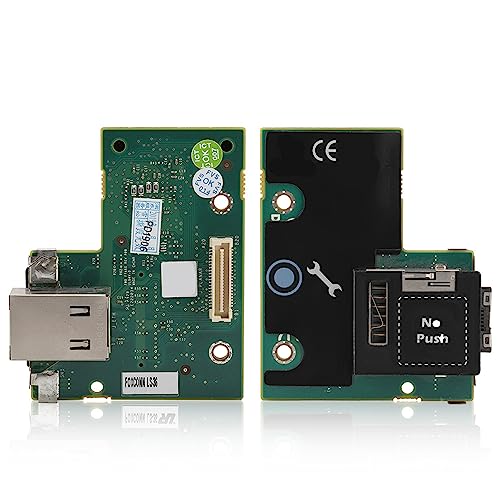
iDRAC6 Enterprise Remote Access Card, iDRAC6 Enterprise Remote Access Controller for R210 R310 T310 R410 T410 R510 R610 R710 Server
- Remote Power Management: Shutdown and reset remotely
- Intelligent Management Connection: Supports advanced management connection
- Password Security Levels: Prevents unauthorized remote access
As an affiliate, we earn on qualifying purchases.
As an affiliate, we earn on qualifying purchases.
Key Questions
What is digital sovereignty?
Digital sovereignty refers to a nation’s ability to control its digital infrastructure, data, and legal frameworks, ensuring access and governance are under local authority rather than foreign influence.
How can data stored in Europe be accessed by U.S. authorities?
Through legal mechanisms like the CLOUD Act, U.S. authorities can compel U.S.-based cloud providers to disclose data, even if it is stored outside the U.S., raising sovereignty concerns.
What are the risks of relying on foreign cloud providers?
Dependence on foreign providers can expose sensitive data to legal demands from other jurisdictions, potentially compromising control and privacy.
Will this incident lead to new regulations?
It is likely that policymakers will consider new regulations to strengthen data control, enforce sovereignty principles, and clarify legal boundaries for cross-border data access.
What should organizations do to protect their data sovereignty?
Organizations should implement controls over encryption keys, access permissions, and audit trails, and consider sovereignty-focused cloud architectures to limit foreign legal access.
Source: Hacker News