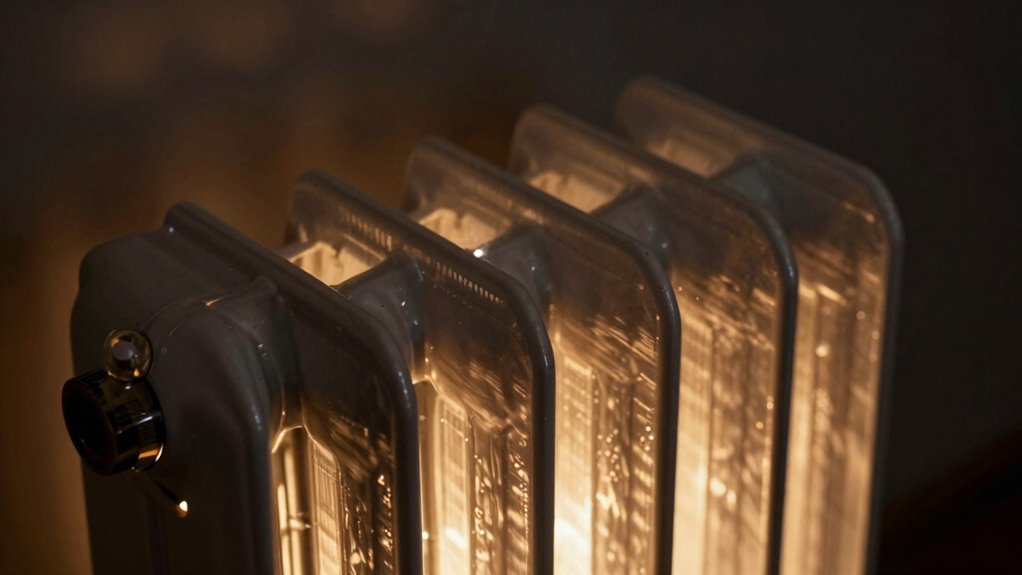

During blackouts, oil-filled radiator heaters feel different because they rely on continuous electricity to circulate heat and maintain the oil’s temperature. When power is gone, the heater can’t operate normally, causing a noticeable drop in warmth and silence. You might find it less effective and less comfortable. To understand more about how power outages affect these heaters and what alternatives exist, keep exploring the details below.

Get backup power and energy gear delivered free — and shop member deals
- Fast, free delivery on millions of items
- Access to Prime Big Deal Days deals on October 6–7
- Prime Video, Amazon Music and more included
Key Takeaways
- Oil-filled radiators rely on continuous electricity to circulate oil and produce heat, so they stop functioning during blackouts.
- Without power, internal oil temperature drops, causing the heater to feel less warm or silent.
- They cannot operate or generate instant heat during outages, making their performance feel significantly different.
- Their energy efficiency and heat retention are compromised without electricity, affecting comfort levels.
- Alternative heating methods are necessary during blackouts, as oil-filled radiators lose their effectiveness without power.
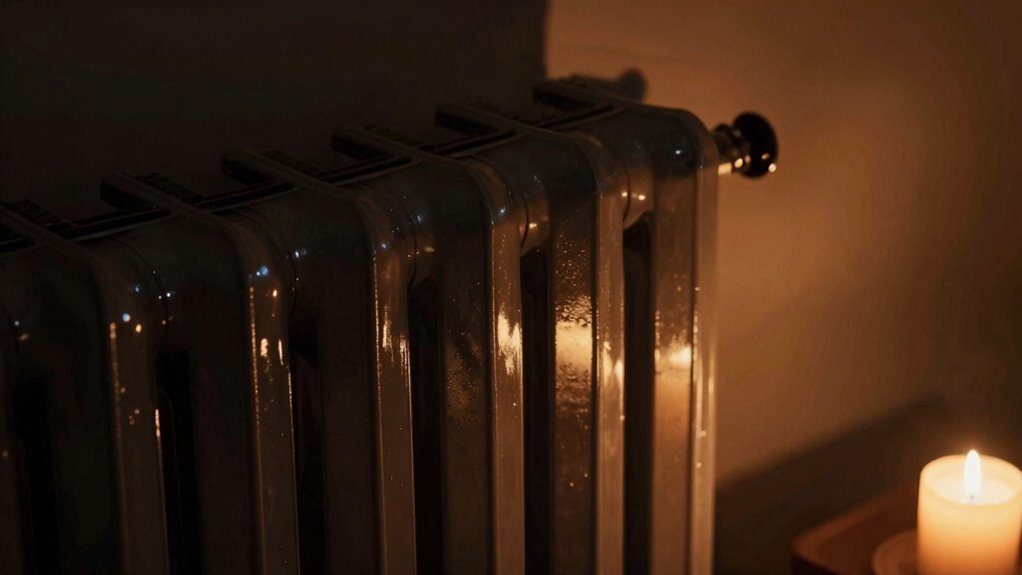
During blackouts, oil-filled radiator heaters often feel different because their heating process relies heavily on electricity to circulate oil and generate warmth. When the power goes out, the heater can’t operate as usual, making it seem less effective or even completely silent. Unlike electric space heaters that produce instant heat, oil-filled radiators depend on the continuous flow of electricity to keep the oil heated and circulating. Without electricity, the heater can’t maintain the internal oil temperature, leading to a noticeable drop in warmth. This change can be surprising if you’re used to their steady heat output, but it’s simply a consequence of the heater’s design.
Power outages expose the core limitation of oil-filled radiators—they’re entirely dependent on electricity. During these outages, the heater’s ability to conserve energy is compromised because it can’t run at all, unlike some gas-powered or alternative heating options. If you’re trying to save energy during blackouts, it’s important to factor in that oil-filled radiators won’t help because they require continuous power to operate. For many users, the heat retention of oil-filled radiators during outages is minimal, as their effectiveness is directly tied to ongoing electricity supply. If you’re concerned about power outages, it’s wise to take into account backup heating methods or alternative sources that don’t depend on electricity. For example, portable gas heaters or kerosene heaters can provide heat during outages, but they come with safety considerations. In contrast, oil-filled radiators are excellent for energy efficiency when power is available, as they retain heat well and only need to be turned on intermittently. However, during blackouts, they lose their advantage because they’re rendered ineffective without electricity.
Understanding the energy efficiency of oil-filled radiators in relation to power outages can help you better plan for contingency heating options. When the power’s out, the difference you feel isn’t just in the lack of heat but also in how your heater’s operation is disrupted. This experience underscores the importance of planning ahead for power outages, especially if you rely on electric-based heating solutions like oil-filled radiators. Additionally, knowing about alternative heating options can help you stay comfortable during unexpected blackouts. Some models are designed with battery backup or other features to mitigate this issue, but these are relatively rare. Being aware of the limitations of electric heaters during outages can help you make more informed choices. While they are energy-efficient and safe for everyday use, they’re not suitable during blackouts unless you have a backup power source. Understanding this limitation helps you better manage your heating needs and conserve energy in times of power outages, ensuring you stay comfortable and prepared even when the lights go out.
portable gas heater for blackouts
As an affiliate, we earn on qualifying purchases.
As an affiliate, we earn on qualifying purchases.
Frequently Asked Questions
Do Oil-Filled Radiators Operate Without Electricity During Blackouts?
No, oil-filled radiators don’t operate without electricity during blackouts. They rely on electrical power to heat the oil inside, which then radiates warmth. For blackout preparedness, make sure your oil heater has safety features like automatic shutoff and isn’t left unattended. Remember, using them safely is essential for avoiding hazards, especially when power’s out. Always follow the manufacturer’s guidelines for safe operation and maintenance.
How Does Power Fluctuation Affect Heater Performance?
Power fluctuations can considerably affect your heater’s performance. When power stability dips, your oil-filled radiator may respond slowly or cycle on and off unpredictably. These fluctuations reduce heater responsiveness, making it harder to maintain consistent warmth. To guarantee peak operation, keep your power supply steady, perhaps using a surge protector or uninterruptible power supply, which helps maintain consistent heat and prevents damage caused by fluctuating electricity.
Can Oil-Filled Radiators Be Safely Used During a Blackout?
You can’t safely use oil-filled radiators during a blackout because they rely on power to operate, and thermal inertia doesn’t provide heat during outages. To stay warm, consider alternative methods like battery-powered heaters or insulating your space. Always follow safety precautions, such as unplugging devices when not in use and avoiding extension cords, to prevent fire hazards. Remember, safety comes first during power outages.
Do Blackouts Impact the Heater’s Heating Efficiency?
Blackouts do impact your heater’s efficiency, because they disrupt thermal inertia and insulation performance. When power drops, your oil-filled radiator can’t maintain consistent heat, reducing warmth. Without steady electricity, insulation struggles to retain heat, making the heater feel less effective. You’ll notice less warmth as the heater loses its ability to store and transfer heat efficiently, highlighting how vital a stable power supply is for ideal performance.
Are There Alternative Heating Options During Electrical Outages?
During electrical outages, you can consider alternatives like battery backups or solar heaters. Battery backups provide immediate power to essential heating devices, ensuring warmth when the grid’s down. Solar heaters harness sunlight, offering a sustainable option for heating during extended blackouts. Both options help you stay warm without relying on traditional electric heaters, giving you peace of mind and comfort during power outages.
battery backup oil-filled radiator heater
As an affiliate, we earn on qualifying purchases.
As an affiliate, we earn on qualifying purchases.
Conclusion
When the power cuts out, your oil-filled radiator becomes more than just a heater; it transforms into a quiet sentinel, holding onto warmth like a secret. The gentle glow of its metal fins, still warm to the touch, whispers comfort amid the blackout’s darkness. Though silent now, its lingering heat reminds you that even in the absence of electricity, some sources of warmth remain steadfast—waiting patiently to bring back the cozy glow when the lights return.
kerosene heater for emergency heating
As an affiliate, we earn on qualifying purchases.
As an affiliate, we earn on qualifying purchases.
electric space heater with backup power
As an affiliate, we earn on qualifying purchases.
As an affiliate, we earn on qualifying purchases.
Fall Picks
fall essentials
As an affiliate, we earn on qualifying purchases.