During an outage, avoid using unverified splitters, adapters, or cheater plugs, as they can cause overloads, sparks, and potential fires. Stick to certified, properly rated power strips and extension cords designed for your devices, and avoid daisy-chaining multiple connections. Never bypass safety features like grounding, as this increases shock risks. To keep safe and protect your devices, it’s best to follow proper procedures—more tips on maintaining electrical safety are just ahead.
Key Takeaways
- Use only certified, properly rated splitters and adapters designed for your device’s power specifications.
- Avoid cheater plugs, as they bypass grounding and safety features, increasing shock and fire risks.
- Connect devices directly to grounded outlets, especially during outages, to ensure safety and proper grounding.
- Never overload power strips, splitters, or adapters to prevent overheating and potential fires.
- Regularly inspect and replace damaged cords, adapters, and unsafe accessories to maintain electrical safety.

GOLDENMATE 1000VA/800W Lithium UPS Battery Backup and Surge Protector, Backup Battery Power Supply with LiFePO4 Batteries(230.4 Wh), Sinewave UPS System, 10 Years Lifespan, 8 Outlets, LCD Display
[LiFePO4 Battery, Ultra-long Endurance]: This lithium UPS is equipped with a state-of-the-art Lithium Iron Phosphate Battery Pack, delivering...
As an affiliate, we earn on qualifying purchases.
Understanding the Different Types of Electrical Devices
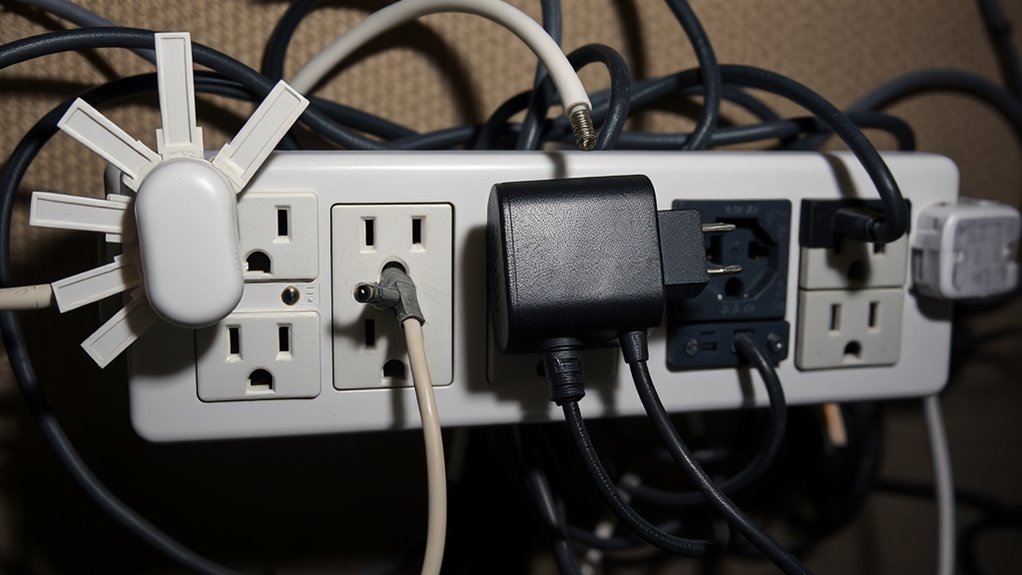
To safely expand your electrical outlets, it’s important to understand the different types of devices available. Grounding safety is vital—make certain that any splitter or adapter you use correctly connects to a grounded outlet to prevent electrical shocks. Plug compatibility also matters; verify that the device matches your outlet’s voltage and current ratings to avoid overloads or damage. Some splitters are designed to handle multiple devices safely, while others may not support high-power appliances. Cheater plugs, which convert two-prong outlets to three-prong, can be risky if they bypass grounding safety, so use them with caution. Always check the manufacturer’s instructions and labels to make sure the device is suitable for your outlet type and intended use. Proper understanding helps prevent accidents and keeps your electrical system safe. Additionally, understanding Grounding safety and the importance of proper device ratings helps ensure your electrical setup remains secure during outages. Being aware of free floating electrical systems can also influence how you manage power connections safely. Recognizing power surge protection can further safeguard your devices during unexpected electrical disturbances.

Jackery Explorer 1000 v2 Portable Power Station,1070Wh LiFePO4 Battery,1500W AC/100W USB-C Output, 1 Hr Fast Charge, Solar Generator for Camping,Emergency, RV, Off-Grid Living(Solar Panel Optional)
Powerful yet Compact: Boasting a 1,500W AC output and a 3,000W surge peak, the Solar Generator 1000 V2...
As an affiliate, we earn on qualifying purchases.
The Risks of Using Multiple Devices in a Power Outage
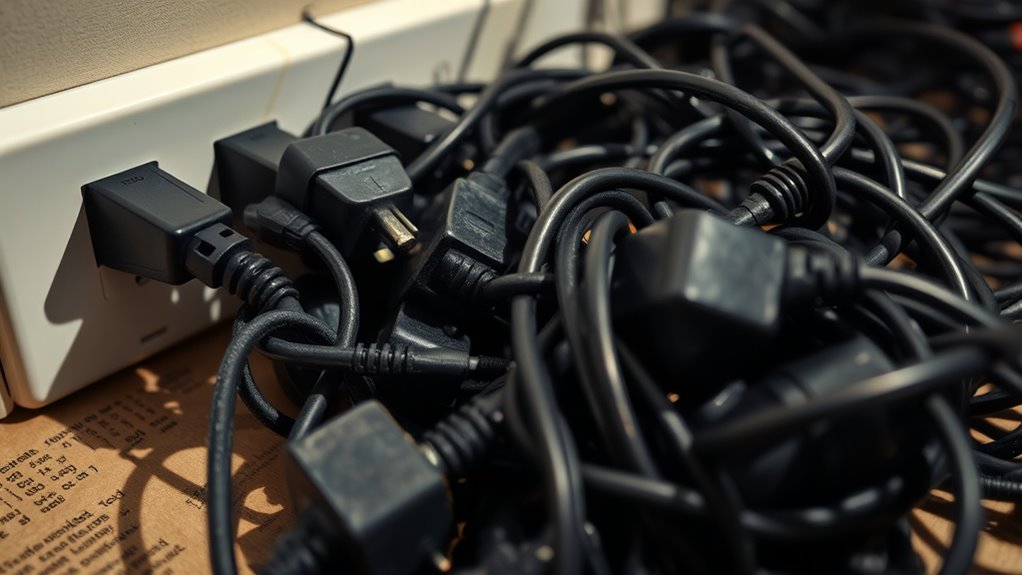
Using multiple devices during a power outage might seem harmless, but it can pose serious risks. Overloading power strips or surge protectors can cause overheating, increasing fire hazards. When you connect several devices, the risk of electrical sparks or damage rises. To visualize this, consider the following:
| Device 1 | Device 2 | Device 3 |
|---|---|---|
| Phone charger | Flashlight | Radio |
| Power Strip | Surge Protector | Outlet |
| Multiple devices | One device | Limited load |
Sticking to power strip safety guidelines helps prevent accidents. Remember, surge protector benefits include protecting your devices from power surges, but only when used correctly. Avoid risking your safety by overloading during outages. Additionally, understanding the importance of proper electrical safety can further help prevent hazards. Being aware of household electrical standards can also guide safer device usage during outages.

Jackery Portable Power Station Explorer 300, 293Wh Backup Lithium Battery, Solar Generator for Outdoors Camping Travel Hunting Blackout (Solar Panel Optional)
SPEED UP YOUR RECHARGEABILITY: It takes only 2 hours to recharge 80% battery of the power station through...
As an affiliate, we earn on qualifying purchases.
Why Not All Adapters Are Created Equal
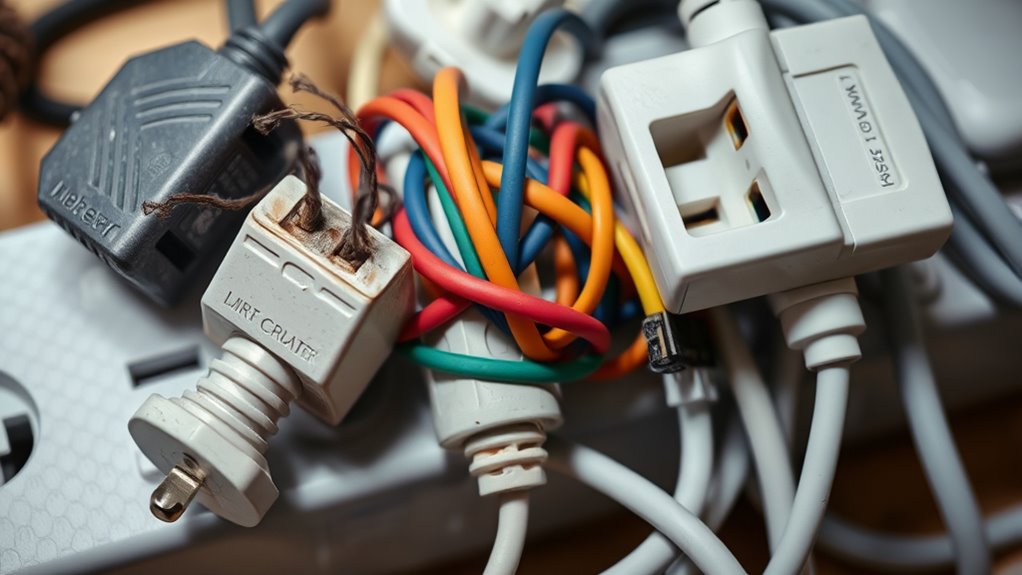
Not all adapters are built with the same safety standards, which can put your devices and home at risk. Cheap or uncertified options might fail to handle the electrical load properly, leading to potential hazards. Choosing quality, certified adapters guarantees you protect your equipment and maintain safe power usage. Additionally, understanding transfer switch requirements ensures your backup power setup remains safe and compliant during outages. Be aware that using body jewelry materials not suited for electrical insulation can pose safety risks if mishandled or used improperly around electrical sources. Properly assessing the safety certifications of adapters is essential to avoid unexpected failures and ensure reliable operation. Moreover, selecting adapters with appropriate load capacity is crucial to prevent overheating and possible fire hazards.
Safety Concerns and Risks
While many adapters may seem similar, not all are designed with safety in mind, which can pose serious risks. Using the wrong adapter can compromise grounding safety, increasing the chance of electrical shock or fire. Poorly made adapters might lack proper insulation or grounding features, putting you at risk during a power surge or fault. Additionally, some adapters aren’t built to handle the electrical load of multiple devices, leading to circuit overload. Overloading a circuit can cause overheating, damage to your appliances, or even electrical fires. It’s vital to choose adapters that meet safety standards and are rated for your specific use. Vetted adapters help ensure your safety by adhering to established safety protocols and quality standards. Ignoring these risks can have severe consequences, making it essential to understand the safety concerns before plugging in multiple devices during an outage.
Quality and Certification
Not all adapters meet the same safety and quality standards, which can make a significant difference in how well they perform and protect your devices. Look for adapters with proper certification standards, ensuring they’ve been tested for safety and durability. Good safety labeling indicates compliance with industry regulations, giving you confidence in their reliability. Cheaper, uncertified adapters may lack essential protections, risking overloads or fires during outages.
| Certification Standards | Safety Labeling |
|---|---|
| UL, ETL, CE | Clear, legible warnings |
| Meets electrical codes | Certification marks visible |
| Approved for use | Proper grounding info |
Choosing certified adapters with clear safety labeling helps keep your devices safe and functional during power disruptions.

Anker SOLIX C1000 Gen 2 Portable Power Station, 2,000W (Peak 3,000W) Solar Generator, Full Charge in 49 Min, 1,024Wh LiFePO4 Battery for Home Backup, Power Outages, and Camping (Optional Solar Panel)
49 Min UltraFast Recharging: With upgraded HyperFlash tech, fully recharge at 1,600W—for outage prepping, camping trips, or tailgating...
As an affiliate, we earn on qualifying purchases.
The Dangers of Cheater Plugs and Improper Use
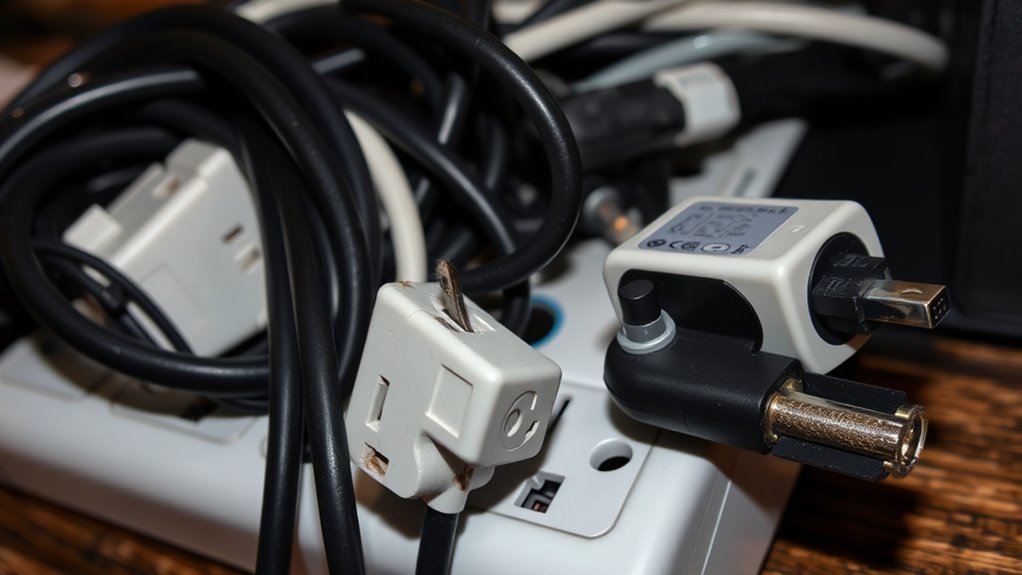
Cheater plugs might seem like a quick fix, but they pose serious safety risks when used improperly. These devices can create electrical hazards by bypassing safety features, increasing the risk of fires or shocks. Misuse often involves overloading circuits, which can cause overheating or short circuits. Additionally, they can interfere with electrical safety standards, leading to unpredictable and dangerous outcomes. To understand the danger, consider these points: 1. Cheater plugs may bypass grounding, elevating the risk of electrical shock. 2. They often lead to overloading circuits, causing potential fires. 3. Improper use can damage appliances and wiring, risking electrical hazards. Using cheater plugs is dangerous, especially during outages when safety might be compromised. Always prioritize proper, certified equipment to prevent electrical hazards and ensure safety.
Safe Alternatives to Splitters and Adapters During Outages
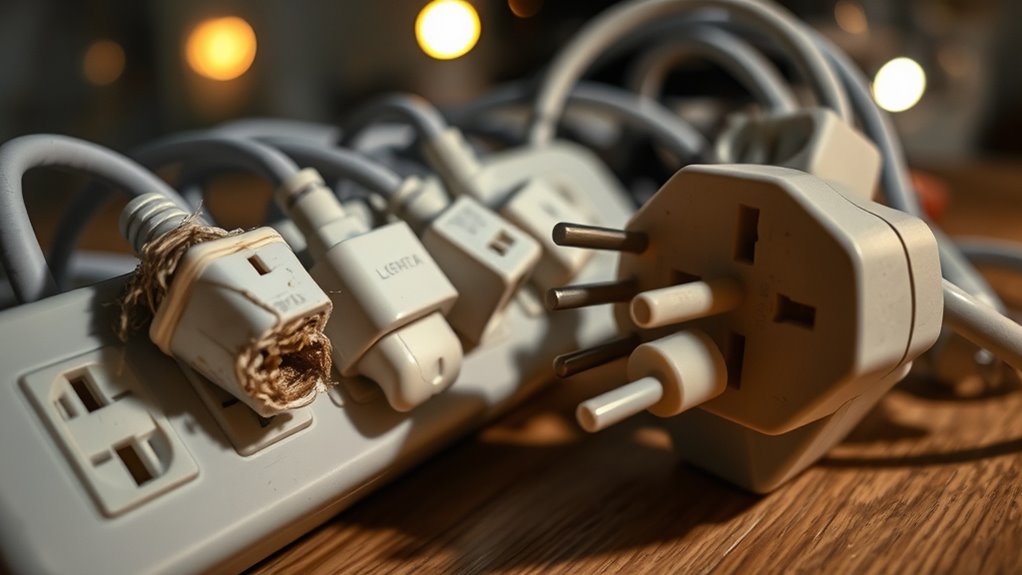
During outages, safety still matters when managing power needs. Using power strips properly, choosing the right extension cords, and relying on built-in outlets can help you stay safe. These alternatives prevent risks associated with improper use of splitters and adapters. Additionally, understanding modern kitchen technology can help you select safer, more efficient ways to handle power during emergencies. Properly rated extension cords can also reduce the risk of overheating and electrical fires. Being aware of at-home beauty tech devices and their power requirements can further ensure safe usage during outages. Knowing how wellness devices operate can help you avoid overloading circuits and maintain safety. Being familiar with home electrical systems can also guide you in making better decisions about power distribution during outages.
Use Power Strips Safely
When power outages occur, it’s tempting to use power strips, splitters, or adapters to keep multiple devices running. However, safe use is vital. First, choose power strips with built-in surge protection to guard your electronics from voltage spikes. Second, ensure the strip has proper grounding safety features to prevent electrical shock. Third, avoid overloading the strip; check its maximum wattage capacity and don’t connect too many devices. Always plug the power strip directly into a grounded outlet, not into another extension cord or splitter. This helps maintain grounding safety and reduces fire risk. Using quality power strips with surge protection and grounding safety features helps keep your devices safe during outages, minimizing damage and hazards. Additionally, understanding proper load calculations ensures you don’t overload circuits or power strips, reducing the risk of electrical issues. Recognizing the importance of electrical safety tips can further protect your household and loved ones during outages. Being aware of safety guidelines and best practices can also help prevent accidents and ensure safe operation of electrical devices during emergencies.
Employ Proper Extension Cords
Instead of relying on unsafe splitters and adapters, using proper extension cords offers a safer way to power multiple devices during outages. Choose heavy-duty extension cords rated for your power needs, ensuring they have grounding safety features to prevent shocks. Look for cords with built-in surge protection to defend your electronics against voltage spikes caused by power fluctuations. Always check that the extension cord is in good condition, free of cuts or frays, and rated for outdoor or indoor use as appropriate. Properly unroll cords to prevent overheating and never overload them by connecting too many devices. Using well-made extension cords with grounded safety and surge protection minimizes risks, helping you maintain safety while keeping essential devices powered during outages.
Prioritize Built-In Outlets
To guarantee safe and reliable power distribution during outages, you should prioritize using built-in outlets on your home’s electrical system rather than relying on splitters and adapters. Built-in outlets ensure proper grounding and reduce fire and shock risks. When using portable generators, connect appliances directly to dedicated outlets, avoiding daisy-chaining devices. Additionally, incorporate surge protectors to safeguard sensitive electronics from power surges. Consider these options: 1. Use built-in outlets connected to a transfer switch for generator hookup. 2. Install surge protectors on essential outlets to prevent damage. 3. Avoid daisy-chaining multiple devices with adapters or splitters at outlets. 4. Remember that electrical safety measures are essential to prevent accidents during outages. 5. Ensuring that your home wiring meets current safety standards further reduces potential hazards during power disruptions. Regularly inspecting your electrical system can help identify vulnerabilities before an outage occurs, ensuring safer and more reliable power. Additionally, choosing properly rated extension cords can prevent overheating and potential fire hazards during power interruptions. Prioritizing built-in outlets helps maintain safety and reduces hazards associated with makeshift power solutions during outages.
Recognizing Quality and Safety Features in Electrical Tools
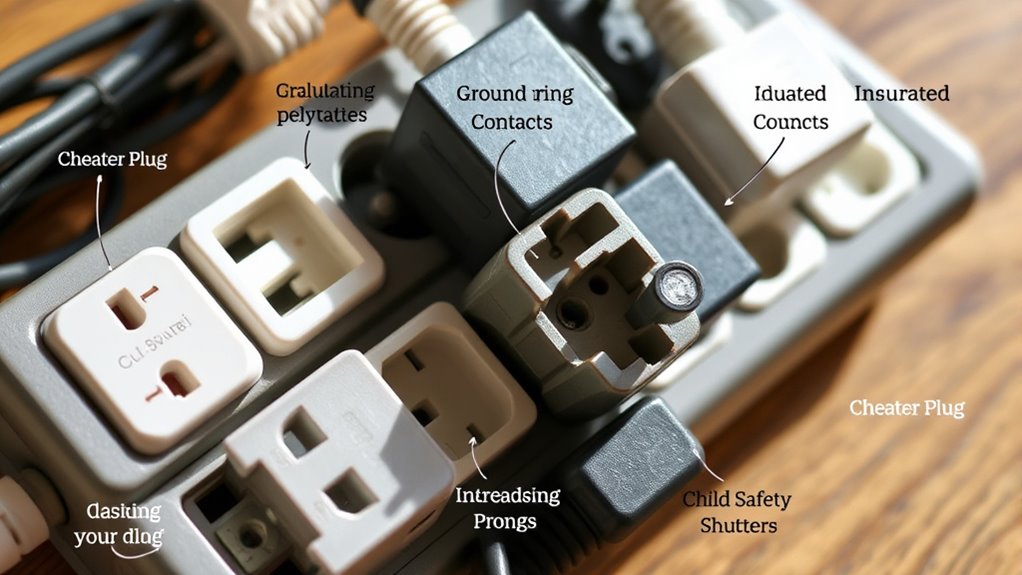
Recognizing quality and safety features in electrical tools is essential for guaranteeing reliable performance and preventing accidents. Look for grounding safety features, such as three-pronged plugs and grounding pins, which help prevent electrical shocks. Check the insulation quality; a durable, well-made insulation layer reduces the risk of short circuits and exposure to live wires. Inspect cords for fraying or cracks, and ensure connectors are sturdy and secure. Good tools often have clear safety labels and certifications from recognized organizations like UL or CSA, indicating they meet safety standards. Avoid cheap or poorly manufactured tools that lack these features. By choosing tools with proper grounding safety and high insulation quality, you protect yourself and ensure safe, effective operation.
How to Properly Extend Power During a Blackout

During a blackout, safely extending your power supply is crucial to keep essential devices running without risking damage or safety hazards. To do this effectively, follow these steps:
- Use a heavy-duty, grounded extension cord rated for the power load, ensuring grounding safety. Proper grounding safety reduces the risk of electrical shock, and surge protection shields your electronics during power fluctuations. These precautions help you extend power safely during a blackout without risking damage or safety hazards. Ensuring your extension cords are properly rated for outdoor or indoor use is essential to maintain safety and performance.
- Incorporate surge protectors to prevent voltage spikes from damaging your devices. Always verify that your extension cords and surge protectors are in good condition and properly rated for outdoor or indoor use. Proper grounding safety and surge protection are vital for protecting your electronics from unexpected power surges. Regularly inspecting your equipment helps ensure ongoing safety and effectiveness.
Common Mistakes That Can Lead to Electrical Fires
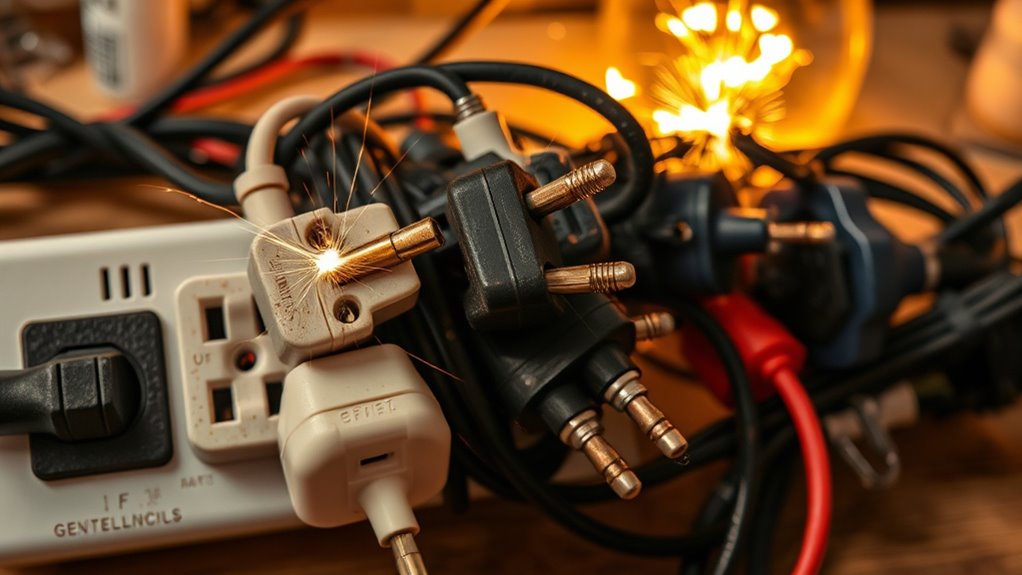
Many common mistakes with electrical devices can increase the risk of fires. Overloading power strips, using damaged adapters, or improperly extending cords might seem harmless but can be dangerous. Recognizing these errors helps you prevent potential hazards before they happen.
Overloading Power Strips
Overloading a power strip is a common mistake that can quickly lead to electrical fires. When you plug too many devices into one strip, you risk causing a circuit overload, which can generate heat and start a fire. Additionally, a sudden power surge from overloaded outlets can damage your electronics and increase fire risk. To avoid these dangers, keep these points in mind:
- Never exceed the power strip’s maximum wattage rating.
- Avoid connecting multiple high-wattage devices simultaneously.
- Use a surge protector if you’re plugging in sensitive or multiple electronics.
Being mindful of these precautions helps prevent circuit overloads, reduces fire hazards, and keeps your home safe during power fluctuations.
Using Damaged Adapters
Using damaged adapters can be just as dangerous as overloading power strips. Cracks, frayed wires, or scorch marks increase the risk of electrical hazards. When adapters are compromised, they may overheat or cause short circuits, leading to potential fires. Never ignore visible damage; replacing damaged adapters is vital for safety.
| Damage Type | Risk Level | Recommended Action |
|---|---|---|
| Frayed wires | High | Replace immediately |
| Cracks or breaks | High | Do not use |
| Discoloration | Medium | Inspect and replace if needed |
| Loose connections | Medium | Avoid using until fixed |
Always prioritize the integrity of your adapters to prevent electrical hazards and ensure safe operation of your devices.
Improper Extension Use
Improper extension cord use is a common mistake that can quickly lead to electrical fires. Overloading cords, using damaged cords, or connecting multiple extensions can cause overheating and ground faults. A ground fault occurs when electricity leaks, increasing fire risk. Additionally, neglecting surge suppression leaves devices vulnerable to power surges, which can damage insulation and create fire hazards. To stay safe, consider these points:
- Avoid daisy-chaining multiple extension cords, especially if they’re not rated for the combined load.
- Use extension cords with built-in surge suppression to protect equipment and prevent overloads.
- Regularly inspect cords for damage, and replace any frayed or compromised ones immediately.
Following these guidelines minimizes fire risk and keeps your electrical system safe during outages.
Tips for Protecting Your Home’s Electrical System
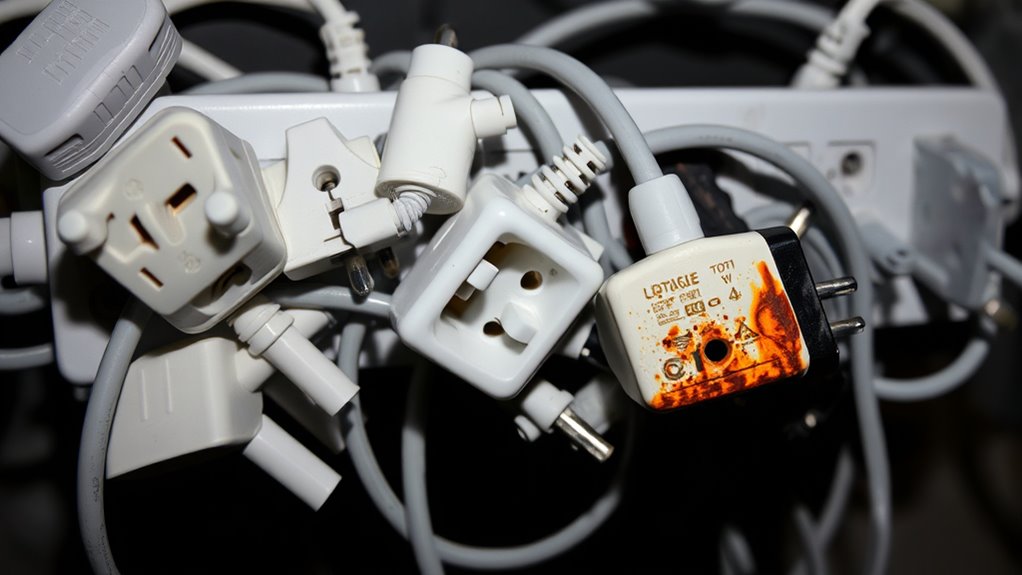
Protecting your home’s electrical system starts with understanding how to safely use and choose electrical accessories like splitters, adapters, and cheater plugs. Always use surge protectors to shield sensitive devices from voltage spikes, especially during outages or storms. Make certain your circuit breakers are properly rated and functioning; they automatically shut off power if there’s an overload or short circuit, preventing damage and fires. Avoid overloading outlets or combining multiple adapters, which can cause overheating. Regularly inspect cords and plugs for damage or wear. Keep unnecessary devices unplugged when not in use to reduce strain on your system. Following these tips helps prevent electrical hazards and keeps your home safe during power fluctuations or outages.
When to Consult a Professional for Emergency Power Solutions
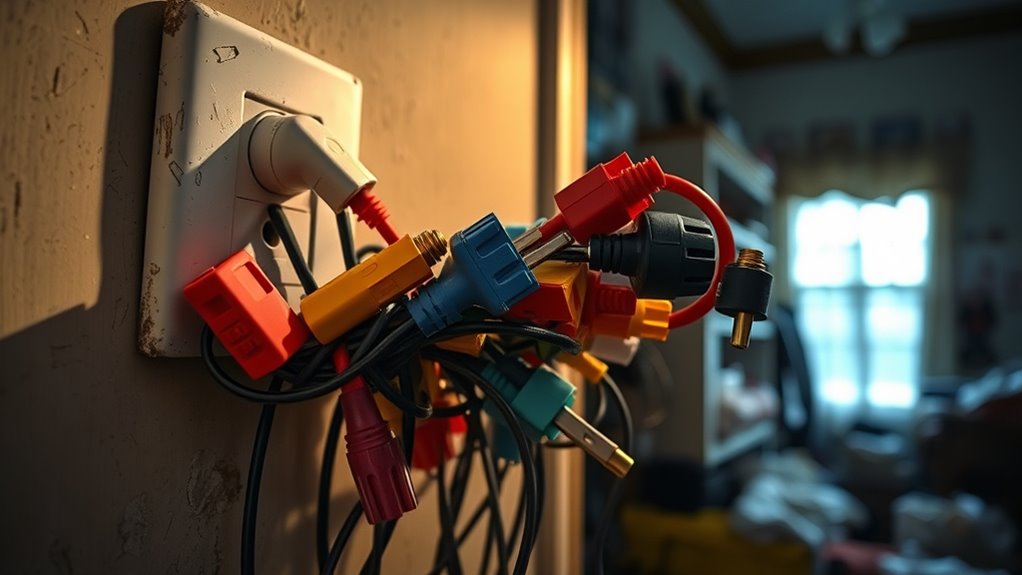
Knowing when to call in a professional for emergency power solutions can save you time, money, and potential hazards. If your setup involves complex wiring, persistent outages, or safety concerns, professional consultation is essential. Proper emergency planning ensures your system meets safety standards and functions reliably. Consider consulting a specialist if:
- You experience frequent power interruptions or surges that DIY fixes can’t resolve.
- Your current setup involves modifying your home’s wiring or installing generators.
- You’re unsure about the safety of your existing electrical connections or equipment.
Engaging a licensed electrician or emergency power expert helps prevent accidents, ensures compliance with codes, and provides peace of mind during outages. Don’t compromise safety—know when professional guidance is necessary.
Frequently Asked Questions
Can Using Multiple Adapters Cause Electrical Overloads?
Using multiple adapters can cause electrical overloads if you’re not careful. Power strip hazards increase when adapters are incompatible or overloaded, potentially causing overheating or fires. Always check adapter compatibility and avoid daisy-chaining multiple adapters or power strips. Distribute the load evenly and don’t exceed the rated capacity. This prevents overloads, keeps your electrical system safe, and reduces the risk of damage or accidents during outages.
Are There Specific Outlets Best Suited for Connecting Multiple Devices?
Think of outlets as delicate bridges that can only handle so much weight. For connecting multiple devices, use power strips with built-in surge protection, ensuring power strip safety. Always consider outlet capacity considerations; avoid overloading any single outlet. Keep heavy appliances on dedicated outlets, and don’t use multiple adapters or cheater plugs on one outlet. This way, you protect your devices and prevent dangerous electrical overloads during outages.
How Can I Identify a Damaged or Unsafe Splitter or Adapter?
To identify a damaged or unsafe splitter or adapter, check for signs like scorch marks, frayed cords, or a melted appearance, which indicate poor power strip safety. Feel for loose connections or a burning smell, and verify the adapter quality is high—cheap or poorly made ones are risky. Never use damaged equipment, as it can cause electrical shocks or fires. Regularly inspect your devices to keep your power setup safe.
Is It Safe to Connect a Generator Directly to Household Outlets?
Imagine a surge of power flowing into your home like a rushing river—connecting your generator directly to household outlets isn’t safe. It risks severe damage, electrical fires, or electrocution. For generator safety, always use proper transfer switches and verify outlet compatibility before connecting. This way, you protect your home, appliances, and loved ones from potentially hazardous backfeed currents. Always follow manufacturer guidelines and consult a professional if unsure.
What Signs Indicate My Home Wiring Needs Professional Inspection?
You should call a professional if you notice frequent ground faults or circuit overloads, which can cause flickering lights, tripped breakers, or burning smells. If outlets feel warm or sparks appear when plugging in devices, it’s a sign your wiring may be compromised. Additionally, persistent electrical issues or outlets that don’t match the age of your home indicate a need for inspection. Addressing these signs promptly keeps your home safe.
Conclusion
Remember, your home’s electrical system is like a delicate garden—treat it with care, or risk a devastating wildfire. Using the right devices safely keeps your power flow smooth and your home protected. Don’t let shortcuts or risky adapters be the weeds choking your safety. Stay vigilant, choose wisely, and when in doubt, call in a professional. Your home’s electrical health depends on your mindful choices—think of yourself as the gardener guarding a precious bloom.