
TL;DR

Get backup power and energy gear delivered free with Prime
- Fast, free delivery on millions of items
- Prime Video, Amazon Music and more included
- Member-only deals all year
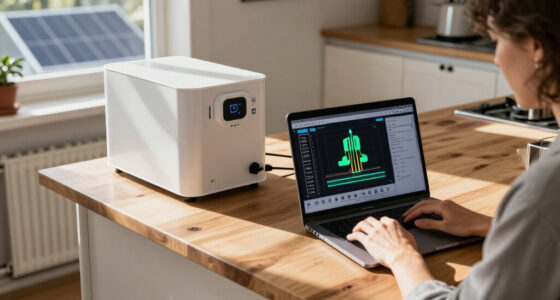
Massachusetts is targeting 5 gigawatts of battery storage by 2030 and 10 GW by 2035, supported by payments for peak-time power, state procurement and revised siting rules. Projects are advancing, but high grid-connection costs remain a major obstacle.
Massachusetts is aiming for 10 gigawatts of battery storage by 2035, with a 5-GW milestone set for 2030, as state incentives, utility procurements and permitting reforms seek to speed construction. The target is the highest among the 13 states that have set battery-storage procurement goals, according to the source report, though developers still face potentially costly grid connections.
The state has already surpassed its earlier goal of installing 1 GW by 2025, reaching more than 1.6 GW, the report said. Massachusetts began its storage push with the Energy Storage Initiative in 2015. Its newer targets call for another 5 GW by 2030 and a further 5 GW by 2035.
Several large developments are at different stages. Jupiter Power plans a 700-MW Trimount facility outside Boston, with construction slated to begin next year, according to company development executive Hans Detweiler. Another company has closed on $850 million in financing for a 250-MW battery, while a 200-MW project near the Rhode Island border has begun construction and is expected to be operating by year-end, the report said.
State-backed mechanisms include the Clean Peak Standard, in effect since 2020, which pays eligible renewable-energy and storage owners for supplying power during periods of peak demand. Siting reforms that took effect July 1 give the state Energy Facilities Siting Board authority over large energy projects, including storage facilities of at least 100 MW. The board must make decisions within 15 months of an application.
Procurement is another part of the strategy. In December 2025, the state selected four projects totaling 1.3 GW to advance to contract negotiations with major utilities. A second solicitation drew 35 bids before closing earlier this month; the report said selected projects were due to be announced in February.
How Batteries Could Change Peak Power
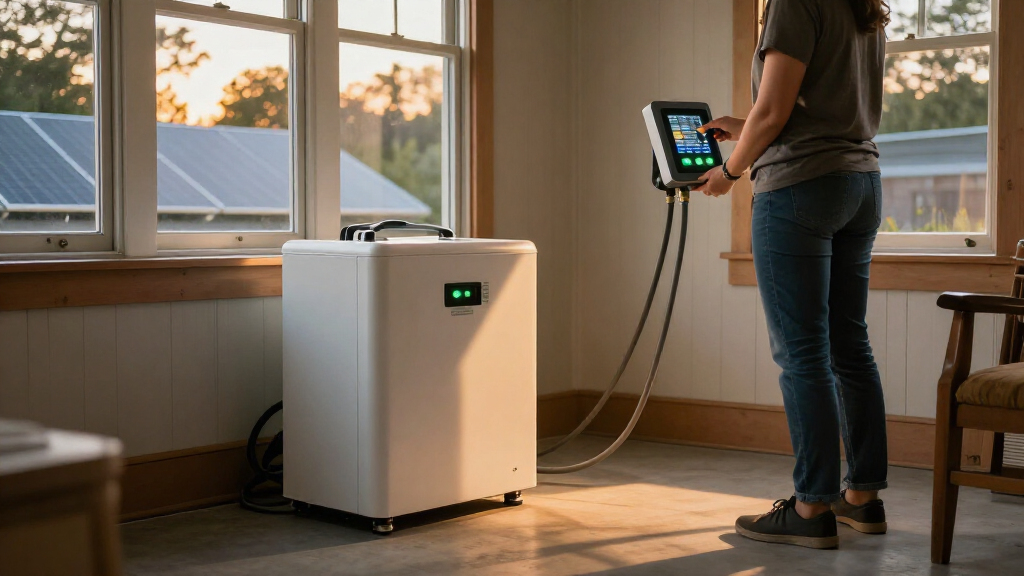
Battery storage can shift electricity across time: systems charge when power is cheaper or more plentiful, then discharge when demand rises. Massachusetts officials and advocates say this could help limit reliance on more expensive and polluting generation during peak periods. The state’s high electricity prices make that potential relevant to customers, although the policies and targets do not by themselves guarantee lower bills.
Storage can also support grid resilience by supplying power during periods of stress, including extreme weather, according to the source report. The planned capacity is significant relative to the state’s existing 1.6 GW, but actual benefits will depend on which projects are built, when they operate and how they connect to the grid.
Products Worth Considering

Ring Battery Doorbell Plus (2nd Gen) and Indoor Cam Plus Bundle, Nickel Silver and White

Bose SoundLink Flex Bluetooth Speaker (2nd Gen), Portable Waterproof Speaker, Black

Ring Battery Doorbell (2nd Gen), Indoor Cam Plus, and Chime (3rd Gen) Bundle
As an affiliate, we earn on qualifying purchases.
From Early Targets to Statewide Rules
Massachusetts’ effort began in 2015 under then-Gov. Charlie Baker, when the state launched its Energy Storage Initiative. The state exceeded its first 1-GW-by-2025 target, and it has since added policies intended to support both project revenue and approvals.
The Clean Peak Standard offers a source of income tied to supplying electricity at high-demand times. Erin Smith, energy and grid policy director for the Environmental League of Massachusetts, called the state a leader in encouraging battery development. Foley Hoag partner Aaron Lang, who works with battery developers, said the credits matter to project financing.
The reforms shift approval authority for qualifying large projects toward a state board rather than leaving developers to work through separate municipal processes. That change is intended to make approvals more predictable, but it does not remove the need for grid upgrades or resolve their cost.
“Massachusetts is really a leader in this space.”
— Erin Smith, energy and grid policy director for the Environmental League of Massachusetts
Grid Connection Costs Could Stall Projects
The largest unresolved obstacle described in the report is the cost of connecting large batteries to the grid. Developers canceled a planned 125-MW Tewksbury project in September after citing $65 million in required grid upgrades. The report said estimates in a recent ISO New England study for proposed projects, most of them Massachusetts batteries, often exceeded $200 million.
Those figures are estimates for particular projects, not a uniform cost for every battery facility. The available source material does not specify how many planned projects may be delayed or canceled because of interconnection costs, or whether the state will change its policies to address them. It also does not establish that the announced targets will be met.
Procurement Decisions and Project Approvals
The next reported milestone is the state’s announcement of selected projects from its second storage solicitation, expected in February. Those projects would still need to move through contract negotiations and relevant approvals before construction.
Jupiter Power has said construction on Trimount is slated to begin next year. The projects’ progress, the cost and timing of grid upgrades, and the outcome of the state procurement will help show whether the current policy framework can translate the 2030 and 2035 targets into operating capacity.
Key Questions
How much battery storage is Massachusetts targeting?
The state’s goal is 5 GW by 2030 and 10 GW by 2035. It had more than 1.6 GW installed after exceeding its earlier 1-GW target for 2025, according to the report.
What policies are intended to support battery projects?
Massachusetts uses the Clean Peak Standard to pay eligible facilities for supplying power during peak demand. It has also introduced large-project siting reforms and state procurements for storage capacity.
What is the main barrier to building the batteries?
Grid interconnection costs are a major concern. A proposed 125-MW project in Tewksbury was canceled after developers cited $65 million in grid upgrades; estimates for other proposed projects often exceeded $200 million in an ISO New England study described in the report.
When will the next storage projects be selected?
The source report said projects from a second solicitation, which received 35 bids, were expected to be announced in February. Selected projects would then proceed toward utility contract negotiations.
Source: canarymedia.com