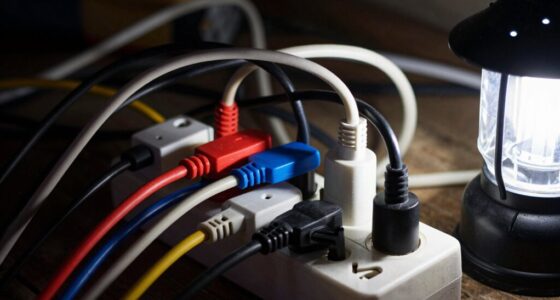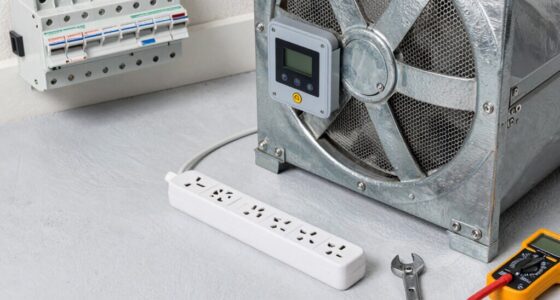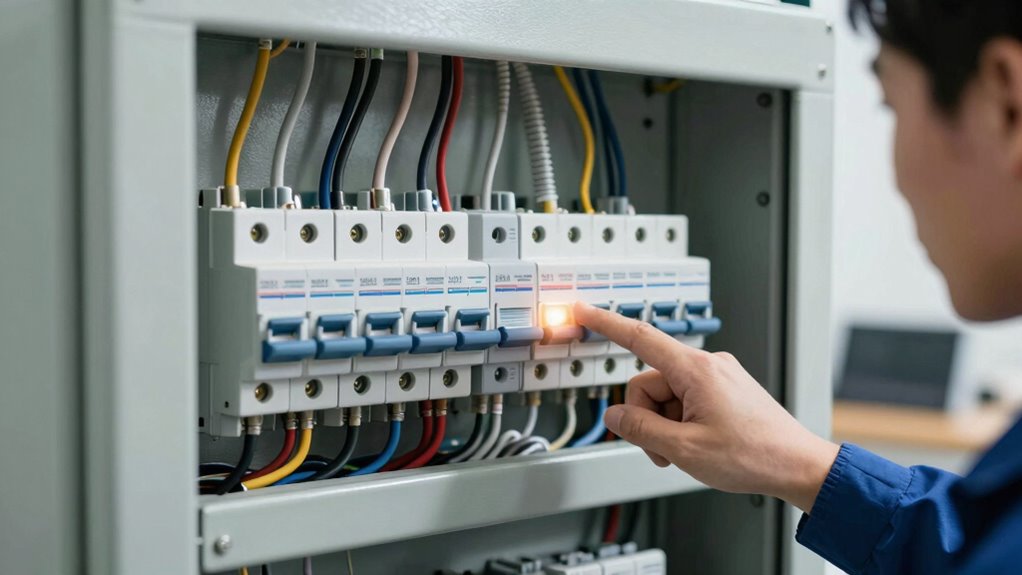

To prevent breaker trips, start by identifying your heavy and light appliances, then distribute them evenly across circuits. Prioritize critical devices and avoid overloading any one circuit by staggering usage and unplugging unused appliances. Label your breaker panel clearly to stay organized and monitor loads regularly using simple checks or smart devices. Keeping load balanced and organized helps prevent overloads. If you want a simple, effective step-by-step approach, follow these tips for safer power management.
Key Takeaways
- Regularly monitor and record circuit loads to identify and distribute high-demand appliances across different circuits.
- Label and organize breaker panels for quick identification and efficient load balancing.
- Avoid overloading circuits by staggering usage of heavy appliances and unplugging unused devices.
- Use surge protectors and inspect wiring regularly to prevent voltage spikes and maintain system safety.
- Schedule routine checks of appliances and circuit capacity to adjust loads proactively and prevent breaker trips.

APC UPS 600VA / 330W UPS Battery Backup & Surge Protector, 7 Outlets (NEMA 5-15R), USB Charging Port, BE600M1 Uninterruptible Power Supply for Computers, Wi-Fi Routers, and Home Office Electronics
KEEP YOUR COMPUTER, WI-FI AND ROUTER RUNNING THROUGH POWER OUTAGES: Supplies short‑term battery power during outages to maintain...
As an affiliate, we earn on qualifying purchases.
Understanding Your Electrical System and Load Capacity
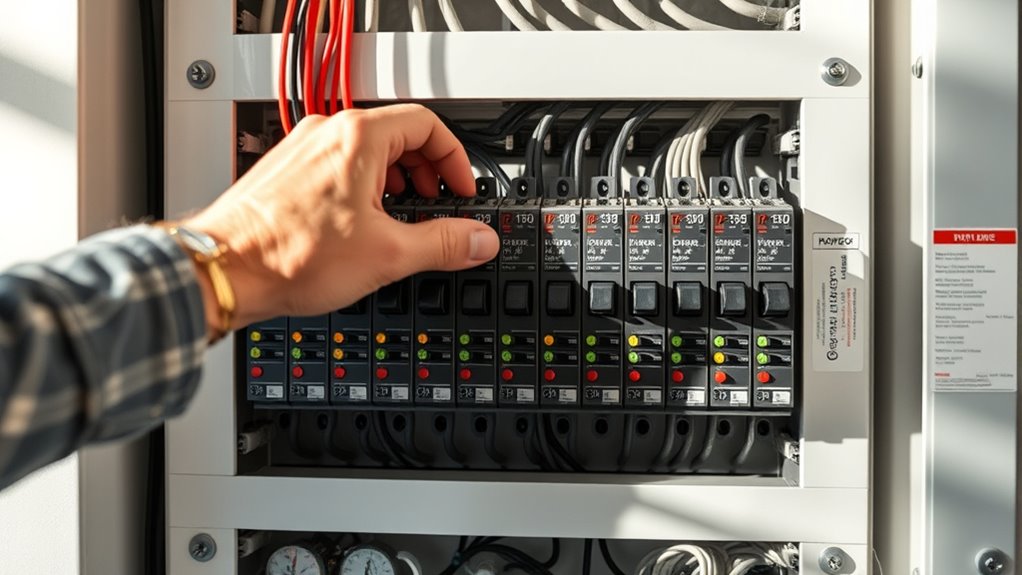
Before you can effectively manage your electrical load, you need to understand your system’s capacity. Start by evaluating your circuit breaker testing results to ensure your breakers are functioning correctly and can handle current demands. Upgrading your electrical system might be necessary if your current setup struggles with load demands, especially if you notice frequent breaker trips. Knowing your system’s maximum capacity helps you prevent overloads, which can cause damage or outages. Keep track of your electrical panel’s ratings and avoid overloading circuits. Regular inspections and system upgrades ensure your electrical setup remains safe and reliable. Understanding your system’s power management and load capacity forms the foundation for a load management routine that keeps your home running smoothly without unnecessary interruptions. Incorporating natural pool considerations into your overall electrical planning can also help optimize energy efficiency and sustainability. Being aware of your backup power options and limitations ensures you can make informed decisions during outages or emergencies. Additionally, understanding the horsepower of your electric bike can help you gauge its energy requirements and avoid overloading your electrical system during charging.

Anker SOLIX C1000 Gen 2 Portable Power Station, 2,000W (Peak 3,000W) Solar Generator, Full Charge in 49 Min, 1,024Wh LiFePO4 Battery for Home Backup, Power Outages, and Camping (Optional Solar Panel)
49 Min UltraFast Recharging: With upgraded HyperFlash tech, fully recharge at 1,600W—for outage prepping, camping trips, or tailgating...
As an affiliate, we earn on qualifying purchases.
Identifying Heavy and Light Electrical Devices
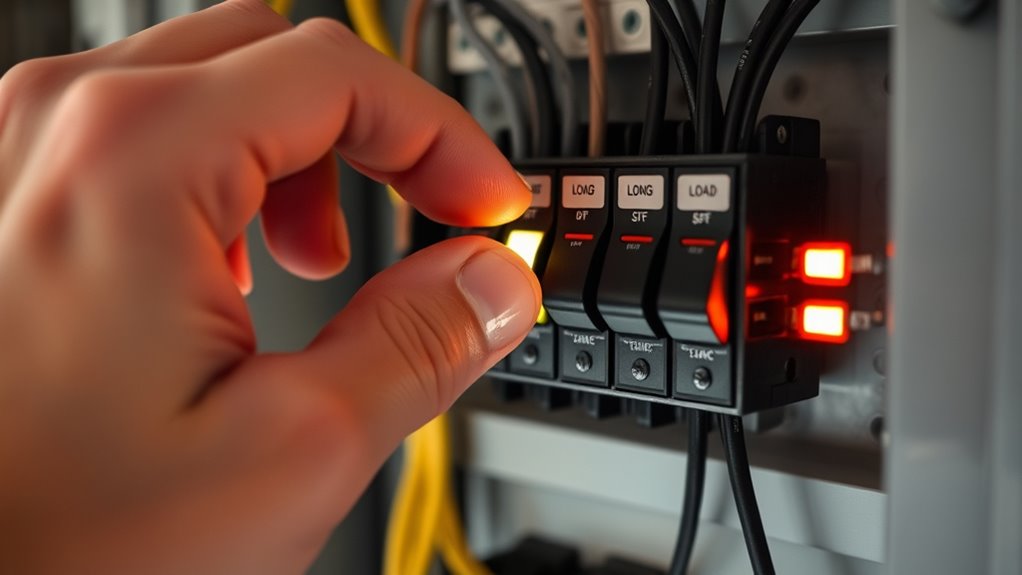
To effectively manage your electrical load, you need to identify which devices draw heavy power and which consume less. Electrical appliances like space heaters, water heaters, and large kitchen appliances typically have high power consumption, making them “heavy” devices. These tend to use significant current and can trip circuit breakers if run simultaneously. Light electrical devices, such as LED lights, phone chargers, or small electronics, have lower power demands. Recognizing these differences helps you plan your usage better. Check labels or user manuals to see wattage ratings, which indicate how much power each appliance consumes. By knowing which devices are heavy and which are light, you can avoid overloading circuits and maintain a safer, more reliable electrical system. Additionally, understanding the power consumption of each device enables more precise load management. Being aware of electrical load distribution is essential for preventing overloads and ensuring safety. Properly distributing the load across circuits can also reduce the risk of tripped breakers and electrical hazards. Monitoring the total electrical load regularly helps you stay within safe limits and adapt your usage accordingly. Moreover, considering the seasonal variations in electrical demand can help in planning your device usage more effectively throughout the year.

Jackery Portable Power Station Explorer 300, 293Wh Backup Lithium Battery, Solar Generator for Outdoors Camping Travel Hunting Blackout (Solar Panel Optional)
SPEED UP YOUR RECHARGEABILITY: It takes only 2 hours to recharge 80% battery of the power station through...
As an affiliate, we earn on qualifying purchases.
Prioritizing and Distributing Power Loads
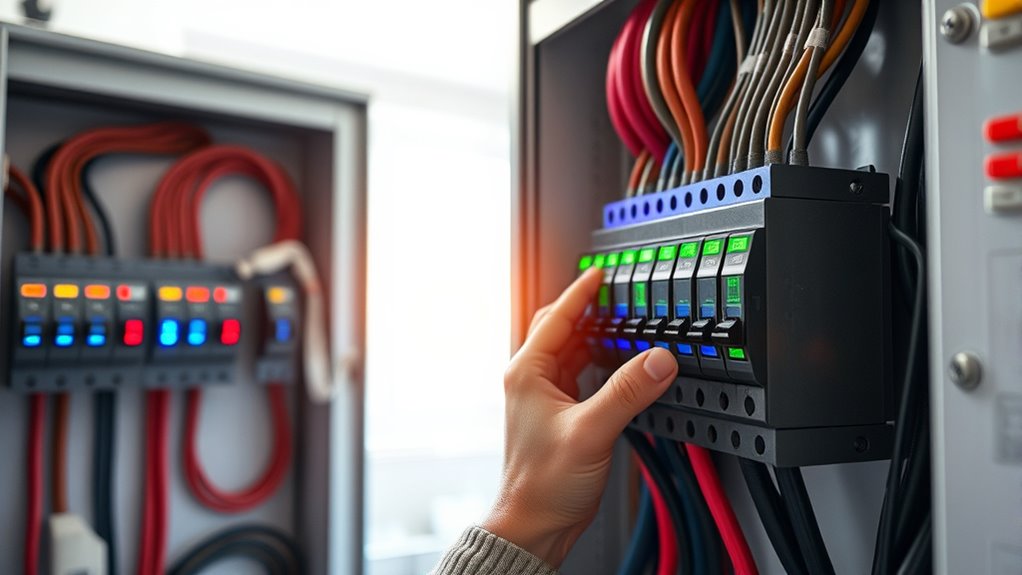
To effectively prioritize and distribute power loads, you need to evaluate your total power needs first. Then, assign priority circuits to guarantee essential devices stay powered during high demand. Finally, balance the load across circuits to prevent overloads and maintain steady operation. Incorporating simple systems can make managing these loads more straightforward and reliable. Additionally, understanding your power consumption patterns helps in creating an effective load management routine that adapts to your household’s changing needs. Recognizing how electrical load variations occur throughout the day can further improve your ability to prevent tripped breakers and optimize energy use. Being aware of peak usage times allows for better planning and load distribution to avoid overloading circuits, especially when considering smart load management strategies that can automate balancing and reduce manual adjustments.
Assess Total Power Needs
Evaluating total power needs is a crucial step in ensuring your load management routine runs smoothly. By understanding your overall power consumption, you can prevent issues like power surges that could trip breakers. To do this effectively:
- List all appliances and devices, noting their wattage.
- Calculate the total wattage to see if it exceeds your breaker’s capacity.
- Identify high-demand items that could cause a power surge or breaker trip if run simultaneously.
- Consider different types of appliances and their specific load characteristics, such as appliance application and how they might impact your system. Recognizing electrical load balancing helps you distribute your power more efficiently.
This process helps you distribute loads more evenly, avoiding overloads. If you notice your total load approaches the breaker’s limit, consider staggering usage or upgrading your system. This way, you maintain stable power flow and greatly reduce the risk of tripped breakers.
Assign Priority Circuits
Assigning priority circuits is crucial for managing your power loads effectively. Circuit prioritization helps you determine which circuits get power first during peak demand or when your system is limited. Start by organizing your breakers logically, grouping critical circuits such as refrigerators, medical equipment, or essential lighting at the top. This breaker organization ensures important loads remain powered, even if others are switched off during overloads. Assign clear priorities to each circuit, labeling them if necessary, so you know which circuits to turn off or reduce load first. This method prevents unnecessary trips and keeps essential devices operational. Proper circuit prioritization simplifies load management, making your electrical system more reliable and easier to control during high-demand situations. Additionally, understanding water-related hazards can help prevent electrical accidents near pools or water parks, ensuring safety while managing electrical loads. Being familiar with circuit capacity and load balancing techniques further enhances your ability to maintain a safe and efficient electrical setup. Incorporating load distribution strategies helps prevent overloads and extends the lifespan of your electrical components, especially when combined with cybersecurity measures to protect your home’s smart electrical systems from potential threats. Recognizing the importance of anime movies and animated films with emotional depth can also inspire a balanced approach to managing both entertainment and safety in your household.
Balance Load Distribution
Balancing load distribution is essential to guarantee overloading specific circuits and assure your electrical system runs smoothly. When you distribute power loads evenly, you reduce the risk of power surges and prevent tripped breakers. To achieve this, consider these steps:
- Monitor circuit capacity regularly to avoid exceeding its limits.
- Connect high-power devices to circuits with greater capacity, reducing overload risk.
- Spread out appliances and equipment so no single circuit bears too much load.
- Being aware of your circuit’s net worth can help you better manage your electrical system’s capacity and prevent overloads.

GOLDENMATE 1000VA/800W Lithium UPS Battery Backup and Surge Protector, Backup Battery Power Supply with LiFePO4 Batteries(230.4 Wh), Sinewave UPS System, 10 Years Lifespan, 8 Outlets, LCD Display
[LiFePO4 Battery, Ultra-long Endurance]: This lithium UPS is equipped with a state-of-the-art Lithium Iron Phosphate Battery Pack, delivering...
As an affiliate, we earn on qualifying purchases.
Implementing a Load-Sharing Routine
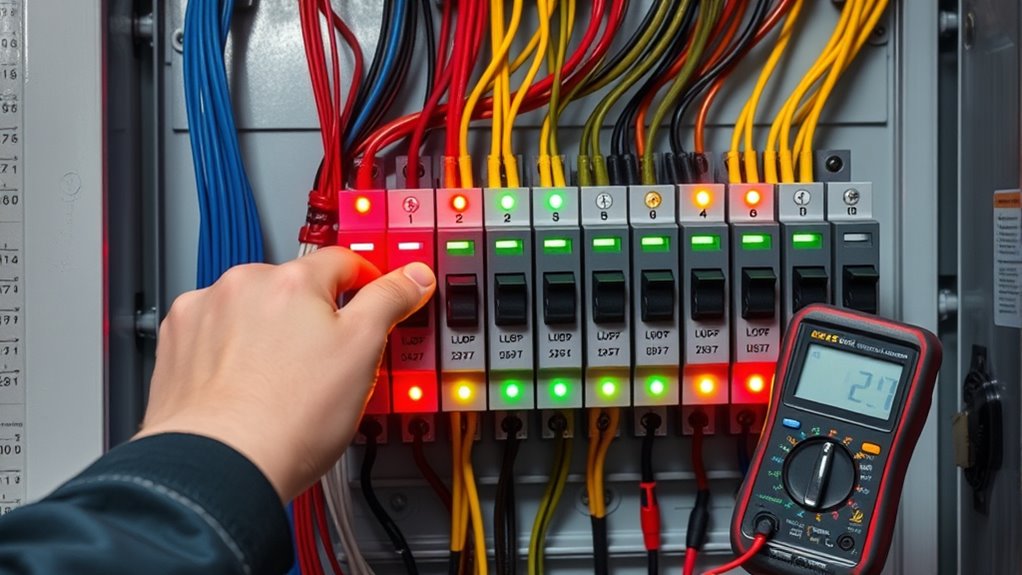
Implementing a load-sharing routine requires clear communication and precise coordination among team members. Start by conducting circuit breaker testing to identify current load capacities and avoid overloads. This helps you understand which circuits can handle additional devices without tripping. When distributing power, consider surge protector selection to ensure equipment safety and prevent voltage spikes that could cause outages. Assign specific circuits to different tasks or areas, making sure no single breaker becomes overloaded. Regularly check and adjust the load distribution as demands change. Keep everyone informed about their responsibilities and any modifications to the setup. Incorporating load balancing techniques can further optimize power distribution. Additionally, utilizing smart circuit monitoring devices can provide real-time insights into power usage, helping you proactively prevent overloads. To enhance safety, installing circuit overload protection devices can automatically shut off power during dangerous conditions, reducing risk. A well-planned load-sharing routine minimizes tripped breakers, prolongs equipment life, and maintains a safe, reliable power system. Incorporating preventative maintenance routines can also help identify potential issues before they lead to outages. Using connected monitoring systems can give you ongoing data to fine-tune your load management over time.
Using Circuit Breaker Labels and Clear Organization

Clear circuit breaker labels are essential for quick identification and efficient management of your electrical system. When your breaker panels are organized with clear labels, you save time and reduce mistakes. To improve circuit label clarity and maintain organized breaker panels, consider these steps: 1. Use descriptive labels for each breaker, like “Kitchen Outlets” or “Garage Lights,” so you know exactly what each controls. 2. Keep labels visible and legible, avoiding handwritten notes that fade over time. 3. Regularly review and update labels if you add new circuits or make changes, ensuring your system remains organized. Proper labeling is an important aspect of well‑sourced name coverage to ensure your electrical system is both safe and easy to manage.
Regularly Monitoring and Adjusting Your Load Management
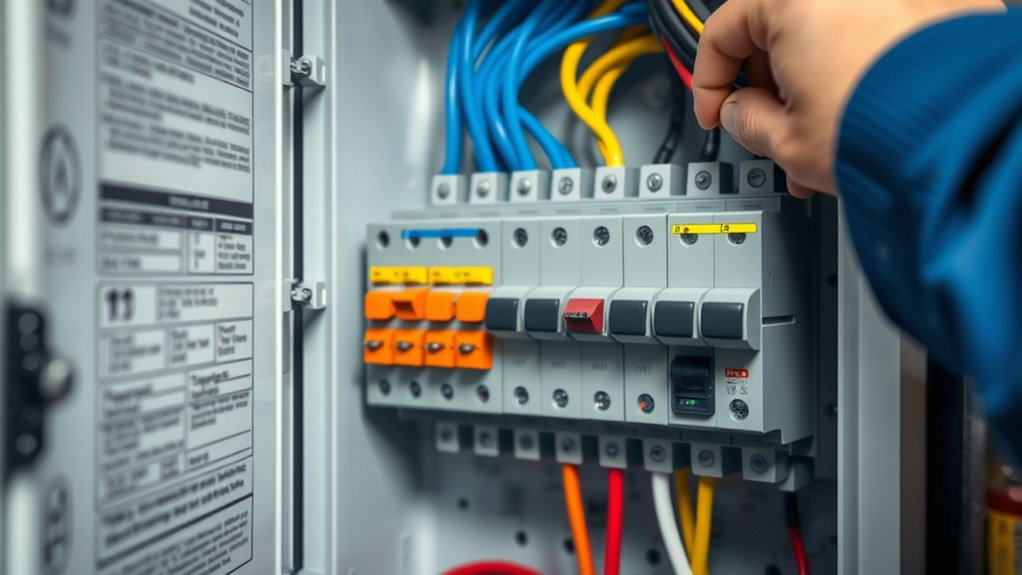
To keep your load management effective, you need to regularly monitor your power usage and make adjustments as needed. Balancing circuit loads and scheduling routine checks help prevent overloads and keep your system running smoothly. Staying proactive guarantees your setup stays efficient and safe over time.
Track Power Usage
Regularly monitoring your power usage allows you to identify patterns and spot inefficiencies before they become costly. Tracking your consumption helps improve appliance efficiency and highlights where circuit redundancy can be optimized. To do this effectively:
- Record daily power draw from key appliances to detect unusual spikes or drops.
- Compare usage during different times to identify peak loads and potential overloads.
- Use a smart meter or monitoring device to get real-time data, making adjustments easier.
Balance Circuit Loads
Balancing circuit loads is crucial to prevent overloads and guarantee your electrical system runs efficiently. You can achieve this by utilizing smart wiring practices that distribute devices evenly across circuits. Start by evaluating your circuit capacity to identify how much load each can handle safely. Avoid overloading any single circuit by moving high-draw appliances to different circuits or spreading out power-hungry devices. Regularly monitor your power usage to detect uneven load distribution. If a circuit consistently nears its capacity, consider reallocating devices or upgrading the wiring to support greater loads. Proper load balancing reduces the risk of tripped breakers and prolongs your system’s lifespan. By staying vigilant about circuit capacity and smart wiring, you ensure a safer, more reliable electrical setup.
Schedule Regular Checks
Scheduling routine checks is essential to keep your load management effective and your electrical system safe. Regular inspections help you identify issues early, ensuring appliances are functioning properly and surge protection devices are active. During these checks, focus on:
- Inspecting appliances for signs of wear or damage and performing necessary appliance maintenance.
- Testing surge protectors to confirm they’re working correctly and replacing any that have failed.
- Monitoring circuit loads to prevent overloads and adjusting appliances or circuits as needed.
Tips for Preventing Overloads and Ensuring Safety
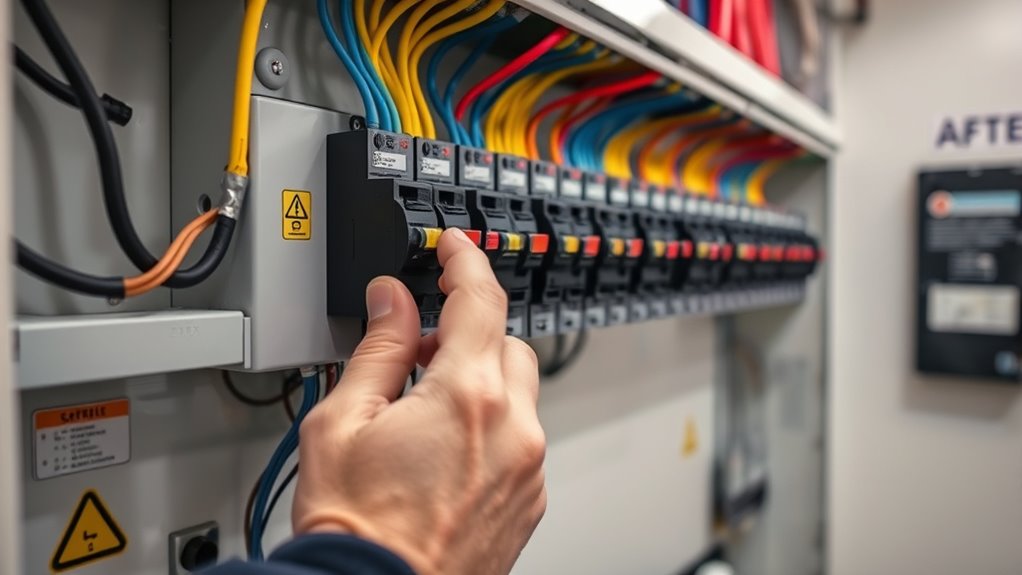
To prevent overloads and guarantee safety during load management routines, you need to stay vigilant and monitor load capacities closely. Installing surge protection devices helps safeguard your electrical system from voltage spikes that can cause overloads or damage. Regularly inspecting your wiring ensures it’s up to code and capable of handling current loads, reducing the risk of overheating or short circuits. Consider wiring upgrades if your system is outdated or frequently trips breakers; upgraded wiring can distribute power more efficiently and safely. Avoid overloading circuits by spreading high-power devices across different outlets. Always unplug unused appliances and avoid daisy-chaining cords. Staying attentive to these safety tips helps prevent overloads, protects your equipment, and keeps your electrical system running smoothly.
Frequently Asked Questions
How Often Should I Review My Load Management Routine?
You should review your load management routine at least once every six months. Regular load calculation helps guarantee you’re not exceeding your circuit capacity, which can cause trips. Check for new or added appliances that might increase your load, and adjust your routine accordingly. Staying proactive keeps your electrical system safe, efficient, and prevents inconvenient breaker trips, especially when you add or change appliances.
Can Smart Home Devices Help With Load Balancing?
Did you know smart home devices can reduce energy usage by up to 30%? Yes, they help with load balancing through smart device integration and automation scheduling. You can set devices to turn off during peak hours or when not in use, preventing overloads and tripped breakers. By utilizing these features, you keep your electrical system safe and optimize energy efficiency without constant manual adjustments.
What Signs Indicate I’M Overloading a Circuit?
If your circuit is overloaded, you’ll notice breaker tripping frequently, especially when you turn on multiple devices. You might feel outlets or switches warm to the touch, or see flickering lights. Overloading causes circuit overloads, which stress the breaker and lead to it tripping to prevent damage or fire. Keep an eye on these signs, and avoid plugging too many high-wattage appliances into the same circuit to prevent this.
Is Professional Electrical Inspection Necessary for Load Management?
Did you know that nearly 30% of electrical fires start due to improper load management? You should definitely get a professional electrical inspection for electrical safety and breaker maintenance. An expert can identify hidden issues, guarantee your system handles loads safely, and prevent potential hazards. Regular inspections help keep your electrical system reliable and safe, giving you peace of mind knowing your home is protected from overloads and tripped breakers.
How Does Ambient Temperature Affect Circuit Breaker Performance?
Ambient temperature considerably impacts circuit breaker performance through thermal effects that influence breaker sensitivity. When temperatures rise, breakers may become less sensitive, increasing the risk of overloads. Conversely, colder temperatures can make breakers more sensitive, potentially causing nuisance trips. You should monitor ambient conditions regularly, especially in unheated or outdoor spaces, to make certain your breakers operate reliably and prevent tripped breakers caused by thermal effects.
Conclusion
Think of your electrical system as a well-tuned orchestra. When each instrument (device) plays its part without overwhelming the conductor (circuit breaker), the music flows smoothly. By managing your load wisely, you prevent sudden discord—tripped breakers—that disrupt the harmony. Stay attentive, organize your devices, and listen to your system’s needs. With this routine, you’ll keep your home’s performance flawless, ensuring every note plays on without interruption.