
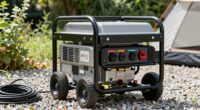
The biggest misunderstanding about indoor battery backups is thinking they can power your devices indefinitely without considering their actual capacity, runtime, or maintenance needs. Many underestimate how quickly batteries degrade or how long they can truly support power during an outage. Relying solely on backup systems without knowing their limitations can cause unexpected shutdowns or data loss. Keep in mind, understanding these factors is key to ensuring your backup system remains reliable when you need it most.

Get backup power and energy gear delivered free — and shop member deals
- Fast, free delivery on millions of items
- Access to Prime Big Deal Days deals on October 6–7
- Prime Video, Amazon Music and more included
Key Takeaways
- Many assume backup duration is fixed, ignoring battery degradation and real-world power demands.
- Overestimating backup capacity can lead to system failures during prolonged outages.
- People often underestimate the importance of regular maintenance and battery health checks.
- Short backup durations are viewed as sufficient, neglecting longer outage scenarios.
- There’s a misconception that backup systems automatically adapt to varying device power needs.
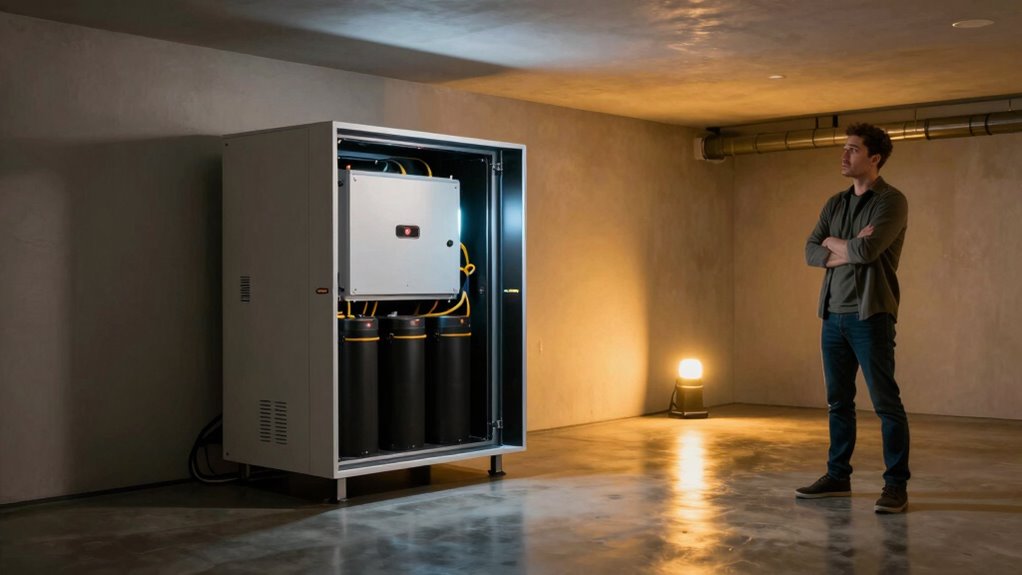
Many people assume that once your system kicks in, you’ll have enough time to save your work, shut down properly, or continue critical operations. But if your backup duration is limited, you could find yourself in a situation where the battery drains before the power is restored. This can lead to unexpected shutdowns, data loss, or damage to sensitive devices. It’s vital to understand that a backup system’s ability to provide continuous power isn’t just about having a battery; it’s about knowing how long that battery can realistically keep your devices running during an outage.
Understanding backup duration is crucial to ensure your setup meets your needs. Many people overlook the importance of calculating the expected backup duration for their specific setup. For example, if you only need the backup to power a few essential devices for a short period, a small UPS might suffice. But if you want to maintain longer periods of operation, you’ll need a system with a larger capacity. Failing to assess this can leave you underprepared, especially during extended outages that can last hours or even days. Additionally, power consumption varies between devices, making it important to evaluate your entire setup to accurately determine backup needs.
Moreover, you should consider the power demands of your equipment. High-energy devices will drain a backup faster, reducing the effective backup duration. If you don’t account for this, you might believe your backup system can support your setup when, in reality, it cannot. It’s also worth noting that battery degradation over time can decrease backup duration, so regular maintenance and evaluation are essential to guarantee your system performs as expected when you need it most. Regularly monitoring battery health can help prevent unexpected failures and ensure your backup remains reliable over its lifespan.
As an affiliate, we earn on qualifying purchases.
Frequently Asked Questions
How Long Can an Indoor Battery Backup Power My Home During an Outage?
Your indoor battery backup can power your home for a few hours to several days, depending on its battery capacity and your energy usage. If you have a larger capacity, it’ll provide longer power duration during outages. To maximize run time, you should prioritize essential devices, like refrigeration or medical equipment. Keep in mind, the actual power duration varies based on your home’s energy demands and the battery’s size.
Are Indoor Battery Backups Safe to Leave Plugged in Continuously?
Yes, indoor battery backups are generally safe to leave plugged in continuously. Battery manufacturing and safety certifications guarantee they meet strict safety standards, reducing risks like overheating or fire. Manufacturers design these systems with safety features, so you can trust they won’t pose hazards when properly maintained. Just make sure to follow the manufacturer’s guidelines and keep an eye on regular safety checks to maintain peak performance and safety at all times.
Do Indoor Battery Backups Require Regular Maintenance or Checks?
They say, “A stitch in time saves nine,” and that applies here. Indoor battery backups do require regular checks to guarantee peak battery performance. You should inspect the device every 3 to 6 months, keeping an eye on battery health and connections. Maintenance frequency isn’t demanding but is essential to prevent unexpected failures. Proper upkeep guarantees your backup system will reliably protect your devices when power issues arise.
Can Indoor Battery Backups Be Expanded for Additional Power Capacity?
Yes, indoor battery backups can be expanded for additional power capacity. Many systems feature modular designs, allowing you to increase battery capacity as your energy needs grow. This system scalability means you can add more batteries to enhance backup time and power, making it adaptable to changing requirements. Always check with the manufacturer to verify compatibility and proper integration when expanding your battery capacity.
What Is the Typical Lifespan of an Indoor Battery Backup System?
You can expect an indoor battery backup system to last around 3 to 5 years, but this depends on battery chemistry and environmental factors. Lithium-ion batteries typically have a longer lifespan, while lead-acid ones may need replacement sooner. Extreme temperatures and humidity can accelerate wear and reduce capacity, so keeping the system in a stable environment helps extend its life. Regular maintenance also guarantees peak performance over time.
As an affiliate, we earn on qualifying purchases.
Conclusion
Don’t let the myth about indoor battery backups be the shadows hiding the truth. Think of it as a lighthouse guiding your safety through stormy nights—bright, reliable, and always there when you need it most. When you understand its true power, you’re steering clear of misconceptions and charting a course toward peace of mind. Embrace the clarity, and let your backup system shine as a steadfast guardian in the darkness.
Uninterruptible Power Supply (UPS) with long runtime
As an affiliate, we earn on qualifying purchases.
As an affiliate, we earn on qualifying purchases.
As an affiliate, we earn on qualifying purchases.
Fall Picks
fall essentials
As an affiliate, we earn on qualifying purchases.




![[Fact Check] Lee’s Claim Blaming Oh For Seoul Home Prices? - 최보식의언론](https://wattreserve.com/wp-content/uploads/2026/09/fact-check-lee-s-claim-blaming-oh-for-seoul-home-prices-featured-260x140.jpg)