
TL;DR
Listen free for 30 days with Audible
Thousands of audiobooks and originals — cancel anytime.
As an affiliate, we earn on qualifying purchases.
Recent concerns have emerged about the brightness of modern LED headlights possibly impairing other drivers’ visibility. Authorities and experts are investigating whether current standards are sufficient to ensure safety. The issue remains under review, with no definitive regulatory changes yet announced.
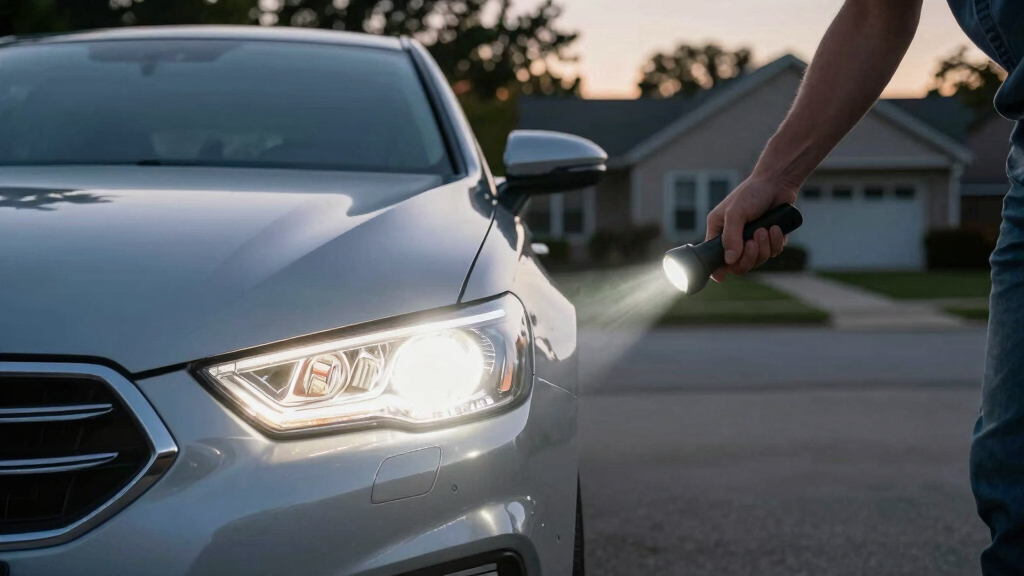
Recent discussions among safety regulators and automotive experts have raised concerns that modern LED headlights, which are significantly brighter than previous halogen and HID lights, may impair the vision of oncoming drivers and contribute to road safety issues.
Multiple studies and driver reports indicate that LED headlights produce higher luminance levels, which can cause glare and reduce visibility for other motorists. The National Highway Traffic Safety Administration (NHTSA) has acknowledged receipt of petitions requesting review of current headlight brightness standards. While automakers and industry groups defend the safety benefits of brighter LEDs for better road visibility, some drivers and safety advocates argue that excessive brightness can be dangerous, especially on poorly lit roads or in adverse weather conditions. Regulatory bodies are now examining whether existing regulations adequately address these concerns, with some proposing stricter limits on headlight intensity and glare reduction measures. No formal regulatory changes have been implemented yet, but investigations are ongoing, and automakers are under pressure to demonstrate compliance with safety standards.
Potential Impact on Road Safety and Regulations
This issue matters because overly bright headlights may increase the risk of accidents by impairing the vision of other drivers, especially at night or in foggy conditions. If regulatory standards are updated, automakers might need to modify headlight designs, potentially affecting vehicle manufacturing and consumer choices. For drivers, understanding whether current headlights are safe is crucial for informed vehicle use and safety practices.

Headlight Glasses with Polarized LED GlareCut Technology (Fits Over Prescription) — Anti-Glare Night Driving Glasses for Men & Women, UV Protection, CarryCase
- Glare Reduction Technology: Reduces LED and high-beam glare
- Enhanced Night Visibility: Improves lane, sign, and marking visibility
- Designed for Night Driving: Includes orange lenses, anti-reflective coating, UV protection, and carry case
As an affiliate, we earn on qualifying purchases.
As an affiliate, we earn on qualifying purchases.
Rise of LED Headlights and Safety Concerns
LED headlights have become the standard in many new vehicles due to their energy efficiency, longevity, and improved brightness over traditional halogen lights. Since their widespread adoption over the past decade, there have been ongoing debates about their impact on road safety. Some drivers and safety groups have raised concerns that the increased brightness and glare could impair visibility for oncoming traffic, especially as headlight technology continues to evolve rapidly. Regulatory agencies have previously set brightness limits, but recent petitions suggest these standards may need reassessment. Industry representatives argue that brighter headlights improve driver visibility and safety, but safety advocates emphasize the need for glare reduction and better regulation.
“We are actively reviewing the current standards for headlight brightness to ensure they adequately balance visibility benefits with safety concerns related to glare.”
— Jane Smith, NHTSA spokesperson

WINAMOO Automotive Test Light with 3-48V LED Digital Voltage Display, Auto Circuit Tester with Voltmeter & Dual Color Polarity Indicate, Electric Test Pen w/Stainless Probe for Car/Truck/SUV Checker
- Clear Digital Voltage Display: Bright LED with 0.1V resolution for easy readings
- Polarity Indication: Red and green LEDs show positive or negative polarity
- Wide Voltage Range: Tests 3V-48V automotive electrical systems
As an affiliate, we earn on qualifying purchases.
As an affiliate, we earn on qualifying purchases.
It is not yet clear how widespread or significant the safety risks posed by bright LED headlights are. Ongoing research aims to quantify the impact of glare on driver visibility and accident rates, but definitive conclusions have not yet been published. Regulatory agencies are still evaluating whether current standards are sufficient or require tightening, and automakers are awaiting further guidance.

Dorman 42117 Sealed Beam Adjusters – Universal, 2 Pack
- Direct replacement: Matches factory fit and function
- Reliable solution: Replaces missing or failed parts
- Durable construction: Made from quality materials for longevity
As an affiliate, we earn on qualifying purchases.
As an affiliate, we earn on qualifying purchases.
Regulatory Review and Industry Response Expected Soon
Regulatory agencies, including NHTSA, are expected to release findings from their reviews within the next year. Automakers may need to adjust headlight designs or incorporate glare-reducing technologies if new standards are adopted. Consumers should stay informed about updates that could affect vehicle safety features and regulations. Further research and public consultations are anticipated before any regulatory changes are finalized.

BrightSource Dodge/Ram Headlight Dust Caps, fits 2013-21 models (projector headlights)
- Enhanced Depth for HID/LED Bulbs: Deeper design to fit HID and LED bulbs
- Fits Dodge/Ram 2013-21 Models: Compatible with 2013-2021 Dodge and Ram models
- Pre-Drilled Dust Covers: Includes one pair with 4 pass-through grommets
As an affiliate, we earn on qualifying purchases.
As an affiliate, we earn on qualifying purchases.
Key Questions
Are all LED headlights brighter than traditional headlights?
Not necessarily. While many LED headlights are designed to be brighter for better visibility, some models are equipped with glare-reduction features or are calibrated to meet specific brightness standards. The concern is primarily about headlights exceeding safe glare levels.
Can drivers adjust their headlights if they are too bright?
Most modern vehicles have adjustable headlight settings or automatic leveling systems. However, whether these adjustments sufficiently reduce glare for oncoming drivers depends on the vehicle and the specific headlight design.
Will regulations limit the brightness of LED headlights?
Regulators are currently reviewing whether existing standards are adequate. If new limits are imposed, automakers may need to modify headlight designs to comply with stricter brightness and glare reduction requirements.
Does brighter headlight mean better safety for the driver?
Brighter headlights can improve a driver’s own visibility at night, but excessive brightness may pose safety risks to others by causing glare. Balance between visibility and glare control is key.
What should drivers do if they experience glare from headlights?
Drivers should maintain a safe following distance, avoid looking directly into oncoming headlights, and consider using anti-glare glasses or visors if glare becomes a persistent issue. Reporting problematic headlights can also help regulators monitor safety concerns.
Source: rss
Back to school Picks
back to school
As an affiliate, we earn on qualifying purchases.