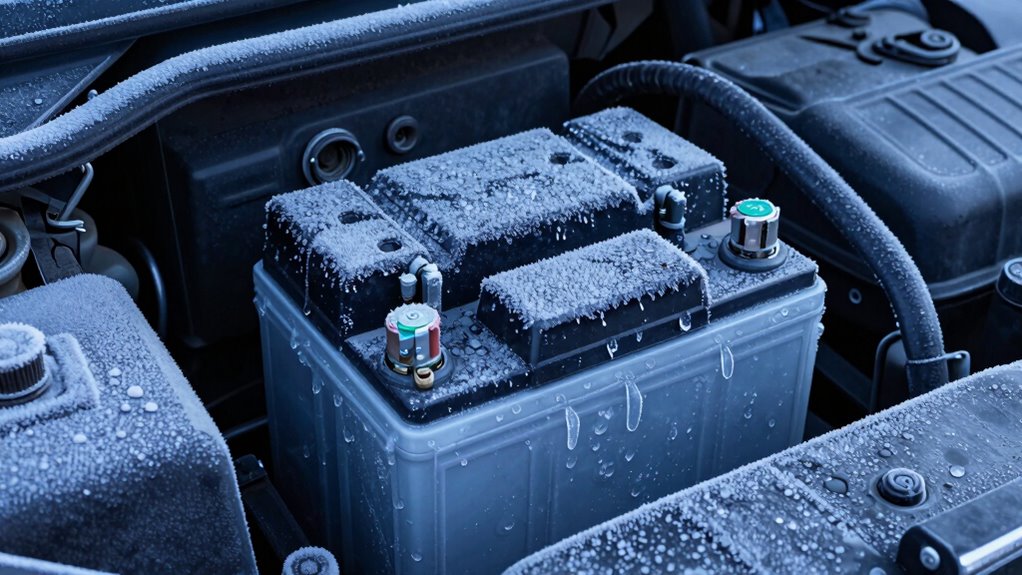

When temperatures drop below freezing, your vehicle’s battery faces several challenges. Cold slows down chemical reactions, increases internal resistance, and thickens the electrolyte, which makes ion flow harder. This reduces the battery’s capacity and hampers its ability to start the engine. You might notice sluggish starts, dim headlights, or corrosion. To keep your battery reliable in winter, understanding these changes helps you take proper preventive steps—more details will help you better prepare.
Key Takeaways
- Cold temperatures slow chemical reactions inside batteries, reducing capacity and power output.
- Increased electrolyte viscosity and decreased conductivity raise internal resistance, impairing performance.
- Battery capacity diminishes, making vehicle starting harder and causing dimmer headlights.
- Lead-acid batteries are more sensitive to cold; lithium-ion batteries handle cold better but still lose capacity.
- Proper insulation and thermal management help maintain battery efficiency and extend lifespan below freezing.

Jackery Solar Generator 1000 v2 with 200W Solar Panel,1070Wh Portable Power Station LiFePO4 Battery,1500W AC/100W USB-C Output, 1Hr Fast Charge for Outdoor,Off-Grid Living,RV,Emergency
Powerful yet Compact: Boasting a 1,500W AC output and a 3,000W surge peak, the Solar Generator 1000 V2...
As an affiliate, we earn on qualifying purchases.
How Cold Temperatures Affect Battery Chemistry
Cold temperatures slow down the chemical reactions inside your battery, reducing its ability to generate power. When it’s cold, the electrolyte becomes less conductive, making it harder for the flow of ions necessary for energy production. To combat this, you can improve battery insulation, which helps retain heat and keeps the chemical processes active longer. Additionally, applying cold start techniques, like turning off unnecessary electrical loads or warming the engine before starting, can help your battery perform better. Proper insulation minimizes heat loss, ensuring the battery stays warmer longer. Regularly checking your battery’s performance metrics can help identify potential issues before they cause failure. Understanding the impact of temperature on battery chemistry is crucial for optimizing performance in cold weather. Recognizing how thermal management influences battery efficiency allows you to better prepare for cold conditions. Implementing appropriate charging practices during cold weather can also maintain battery health and extend its lifespan. Being aware of battery degradation factors can further aid in maintaining optimal performance over time. Remember, a well-insulated battery combined with effective cold start strategies makes a noticeable difference in maintaining power during chilly weather. This proactive approach helps prevent unexpected failures and keeps your vehicle running smoothly.

Jackery Portable Power Station Explorer 300, 293Wh Backup Lithium Battery, Solar Generator for Outdoors Camping Travel Hunting Blackout (Solar Panel Optional)
SPEED UP YOUR RECHARGEABILITY: It takes only 2 hours to recharge 80% battery of the power station through...
As an affiliate, we earn on qualifying purchases.
The Impact of Low Temperatures on Battery Capacity
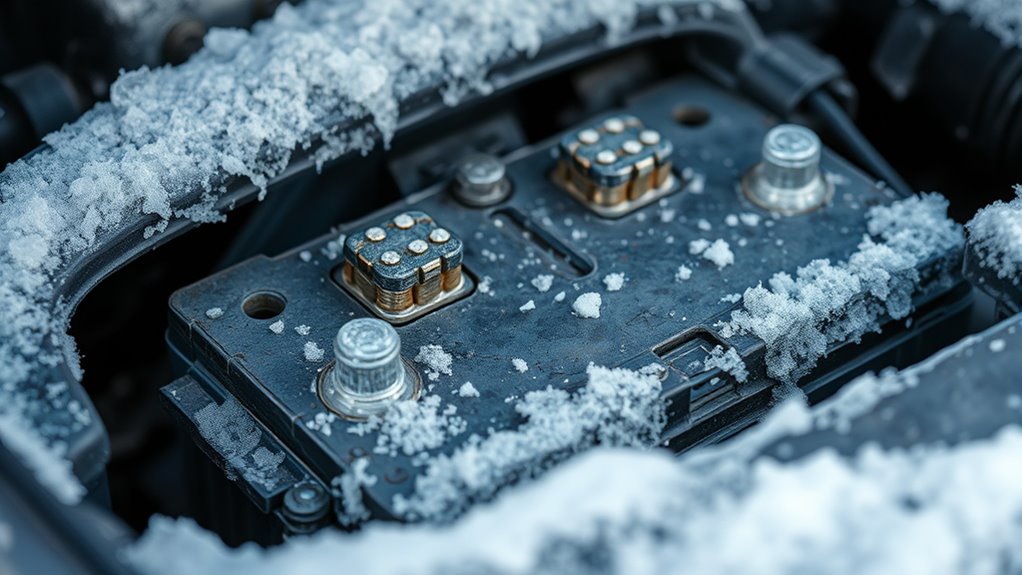
When temperatures drop, your battery’s capacity to hold and deliver charge diminishes considerably. Cold climate adaptation becomes crucial because low temperatures slow down chemical reactions in your battery chemistry, reducing its efficiency. As the molecules inside the battery become less active, your battery can’t store as much energy, leading to decreased capacity. This reduction is especially impactful because chemical reaction rates decrease in low temperatures, further impairing battery performance. Additionally, the overall battery lifespan can be shortened if cold conditions persist. The diminished chemical activity also increases the likelihood of battery degradation, which accelerates wear over time. This means your vehicle may struggle to start or run as smoothly in cold weather. Moreover, the reduced performance can also impact the effectiveness of battery management systems, which are designed to optimize battery health. The reduction isn’t just about initial power; it affects overall performance and longevity. To combat this, you’ll need to think about strategies like insulating your battery or using a block heater. Understanding how low temperatures impact your battery helps you take proactive steps to maintain ideal capacity, ensuring reliable starts and better performance during winter months.

Anker SOLIX C1000 Gen 2 Portable Power Station, 2,000W (Peak 3,000W) Solar Generator, Full Charge in 49 Min, 1,024Wh LiFePO4 Battery for Home Backup, Power Outages, and Camping (Optional Solar Panel)
49 Min UltraFast Recharging: With upgraded HyperFlash tech, fully recharge at 1,600W—for outage prepping, camping trips, or tailgating...
As an affiliate, we earn on qualifying purchases.
Why Batteries Struggle to Start Vehicles in Winter
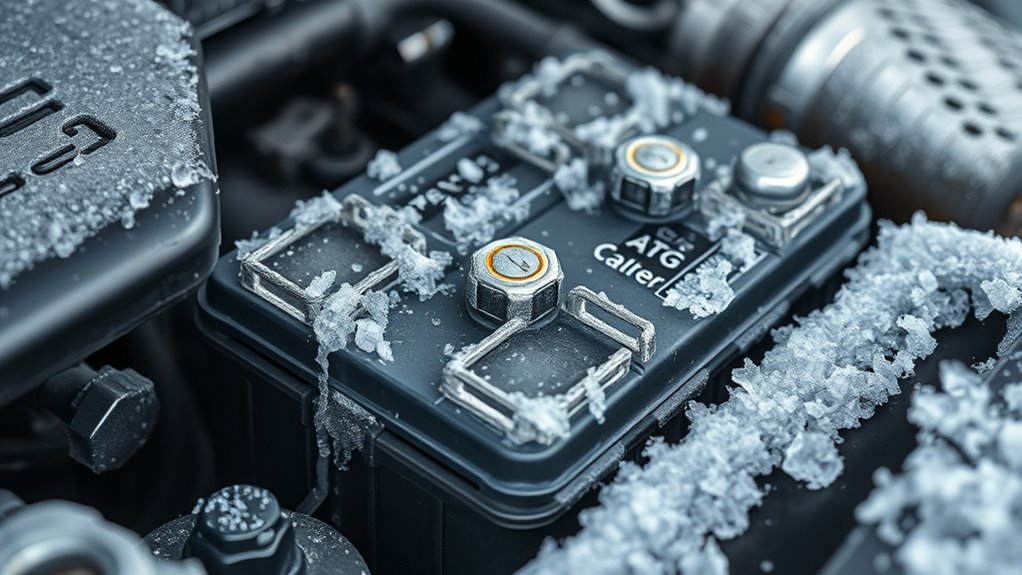
Lower temperatures directly impact your vehicle’s ability to start because cold weather thickens the engine oil and slows down chemical reactions inside the battery. When it’s freezing outside, your battery’s internal chemical processes become less efficient, reducing the power available to turn over the engine. Battery insulation helps retain some heat, but it often isn’t enough to prevent performance drops. Without sufficient warmth, starting your vehicle becomes harder, especially if your battery is aging or weak. To combat this, many drivers turn to alternative power solutions, like battery warmers or smart charging systems, which help maintain ideal temperature and improve starting reliability. Proper insulation and alternative power methods are crucial for ensuring your vehicle starts smoothly during cold weather. Additionally, understanding Free Floating concepts can help optimize your backyard or outdoor setups to better withstand seasonal changes. Implementing thermal management strategies can further enhance battery performance in low temperatures, ensuring reliable starts even in the coldest conditions. For example, using battery heaters can significantly improve cold weather performance by maintaining optimal operating temperatures. Regularly checking your battery’s state of charge can also help prevent unexpected failures during winter.

BLUETTI Elite 30 V2 Portable Power Station 600W (Power Lifting 1500W), 288Wh LiFePO4 Battery with 10ms UPS, Emergency Backup Power for Home Blackout/Winter Storm, Solar Generator for Camping/Road Trip
[288Wh On-the-Go Power] - Only 9.4 lbs lightweight, carry it anywhere during storms! 288Wh capacity meets daily &...
As an affiliate, we earn on qualifying purchases.
Changes in Battery Internal Resistance During Cold Weather

When temperatures drop, your battery’s internal resistance increases markedly, making it harder for electrons to flow. This reduced efficiency means less power is available to start your vehicle. As a result, cold weather can severely impact your battery’s ability to deliver the necessary starting power. Implementing visual and auditory cues during maintenance can help monitor and improve battery performance in cold conditions. Additionally, understanding how hydrotherapy benefits health can inspire measures to keep batteries warm and functioning optimally. Recognizing the importance of precious metal investments, such as gold, can also serve as a hedge against economic fluctuations caused by seasonal changes. Furthermore, using temperature-sensitive indicators can alert you when your battery is vulnerable to cold-induced resistance increases, helping you take preventive action.
Resistance Increases Significantly
As temperatures drop, the internal resistance of your battery rises sharply, making it harder for the battery to deliver power efficiently. This increase is primarily due to changes in battery chemistry at lower temperatures, which slows ion flow within the cells. As internal resistance grows, your battery struggles to supply the necessary current, leading to reduced performance and quicker voltage drops. The chemistry of the battery influences how much resistance increases; some chemistries are more sensitive to cold than others. This heightened resistance means more energy is lost as heat within the battery itself, which can further impair its ability to function properly. Additionally, battery maintenance practices can help mitigate some of the adverse effects of cold weather on performance. Understanding this resistance shift helps you anticipate power issues and consider strategies to mitigate cold-weather performance declines.
Reduced Electron Flow Efficiency
During cold weather, the internal resistance of your battery increases, which directly hampers the flow of electrons within its cells. This reduced electron flow efficiency means your battery can’t deliver power as effectively, especially when you need it most. As a result, the battery works harder to supply the same amount of energy, accelerating wear and shortening its overall lifespan. Proper thermal management becomes essential in this context, helping keep the battery warmer and maintaining better electron flow. Without adequate heat, the chemical reactions inside slow down, further increasing resistance. This chemical activity is critical for efficient energy transfer and is significantly affected by temperature fluctuations. Over time, this cycle can lead to faster degradation of your battery’s capacity. To preserve its lifespan and ensure reliable performance, you should take steps to manage cold conditions and support efficient electron flow. Additionally, understanding the solar energy’s role in climate systems underscores the importance of maintaining optimal battery performance for renewable energy storage. Effective thermal regulation can significantly mitigate these issues and extend your battery’s usable life. Furthermore, advancements in battery materials can help improve cold-weather performance and resilience. Recognizing these factors is vital for designing batteries that can withstand extreme weather conditions and still operate efficiently.
Impact on Starting Power
In cold weather, the increase in your battery’s internal resistance directly impacts its starting power. As temperatures drop, chemical reactions slow, causing the internal resistance to rise. This makes it harder for your battery to deliver the high current needed to start your engine. Proper thermal management and battery insulation help mitigate this effect by maintaining a warmer internal temperature. Additionally, understanding the wiring basics can ensure your battery system remains efficient and reliable in adverse conditions. Being aware of battery maintenance practices can also extend your battery’s performance during cold months.
The Role of Electrolyte Viscosity in Cold Conditions
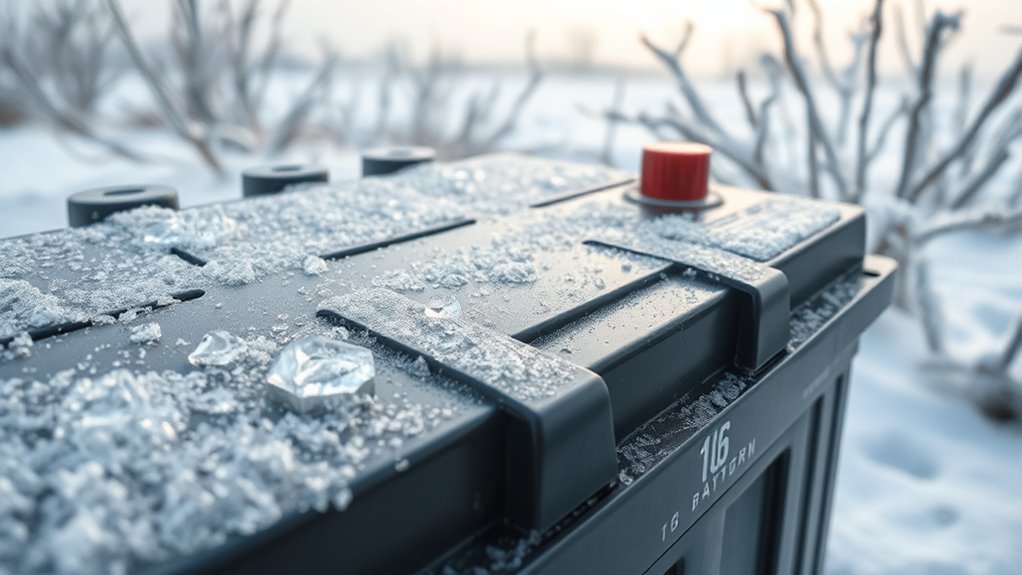
When temperatures drop, the electrolyte becomes more viscous, which slows down ion flow inside your battery. This increased viscosity causes conductivity to decrease, especially at lower temperatures. As a result, the thicker electrolyte reduces your battery’s overall efficiency and performance in cold conditions. Incorporating traditional healing methods can help maintain battery health by ensuring proper maintenance and protection against extreme weather. Additionally, understanding the impact of temperature on electrolyte behavior can assist in selecting appropriate batteries for cold environments.
Increased Viscosity Slows Ion Flow
As temperatures drop, the electrolyte’s viscosity increases, making it more resistant to flow. This thicker battery electrolyte hampers the movement of ions between the electrodes, directly impacting the battery’s performance. When ion flow slows, the internal resistance of the battery rises, meaning it needs more energy to deliver the same power. This increased internal resistance can cause voltage drops, reduced capacity, and slower charging. You’ll notice your battery struggles to start your vehicle or hold a charge in cold weather. The sluggish ion movement caused by higher viscosity is a key factor behind these issues. To compensate, your battery must work harder, which can accelerate wear and reduce overall lifespan in freezing conditions.
Temperature-Dependent Conductivity Drop
Temperature plays a crucial role in determining a battery’s ability to conduct electricity. As temperatures drop, electrolyte viscosity increases, hindering ion movement and reducing conductivity. This decline impacts overall performance, especially in cold conditions. Proper battery insulation and thermal management become essential to maintain ideal temperature ranges, preventing sharp drops in conductivity. To illustrate, consider the following:
| Temperature (°C) | Conductivity Level | Effect on Battery |
|---|---|---|
| 25 | High | Prime performance |
| 0 | Moderate | Slight efficiency drop |
| -20 | Low | Significant performance loss |
| -40 | Very low | Risk of complete failure |
Thicker Electrolyte Reduces Efficiency
Lower temperatures increase electrolyte viscosity, making it thicker and more resistant to flow. This increased electrolyte thickness hampers ion movement between the battery’s electrodes, reducing overall efficiency. As the electrolyte becomes more viscous, it slows down the chemical reactions necessary for power delivery. To combat this, battery insulation helps maintain higher temperatures, preventing the electrolyte from becoming too thick. Without proper insulation, cold weather causes the electrolyte to stiffen, leading to decreased performance and longer charging times. Thicker electrolyte also increases internal resistance, draining more energy during operation. Ensuring sufficient battery insulation is vital to keep the electrolyte at an ideal viscosity level, maintaining better efficiency and prolonging battery life in cold conditions.
Differences Between Lead-Acid and Lithium-Ion Batteries in Winter
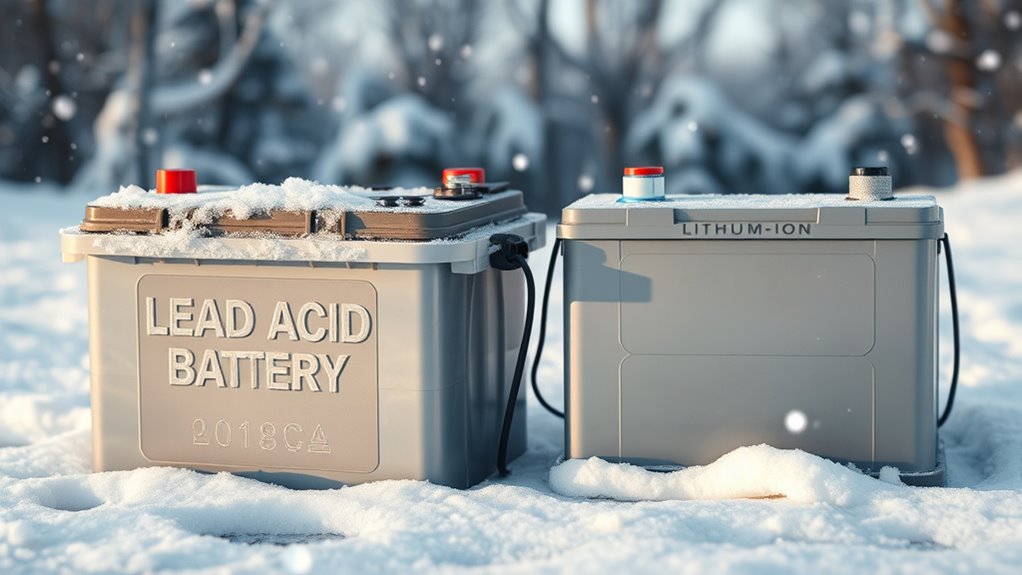
During winter, the performance of lead-acid and lithium-ion batteries diverges markedly due to their distinct chemistries. Lead-acid batteries are more sensitive to cold, so proper battery insulation helps retain heat and maintain performance. They also require specific charging strategies; slow, steady charging prevents sulfation and damage in low temperatures. Lithium-ion batteries handle cold better but still experience capacity loss. They are less affected by insulation, but keeping them warm prolongs lifespan. Charging strategies for lithium-ion batteries involve avoiding rapid charging in freezing conditions, which can cause internal stress. You should monitor temperature and adjust your approach accordingly to prevent capacity decline. Understanding these differences helps optimize your batteries’ performance during winter’s chill, extending their usable life and ensuring reliable power.
Common Signs of Battery Weakness in Cold Weather
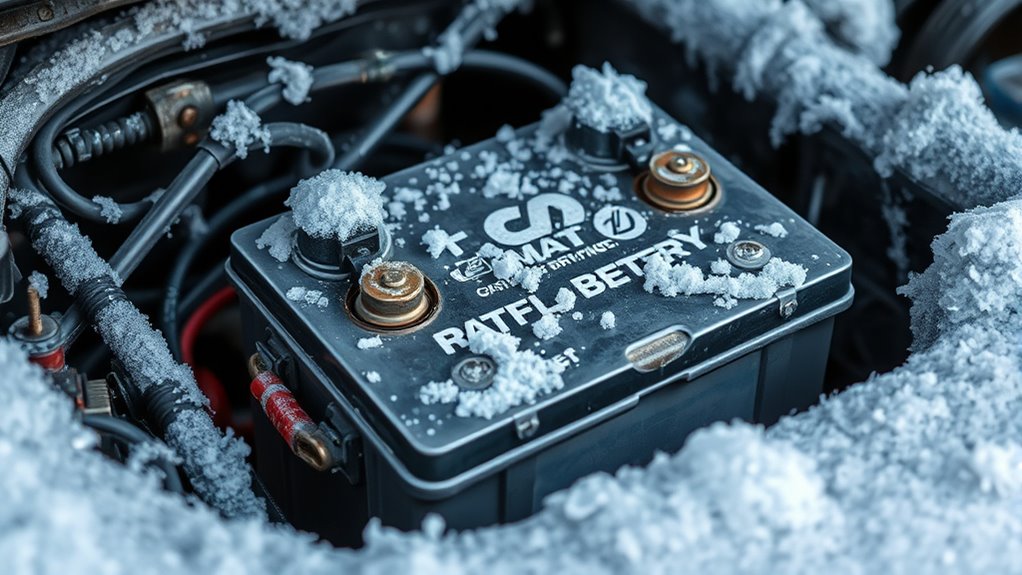
Have you noticed your vehicle or device struggling to start on cold mornings? That’s a common sign of battery weakness in cold weather. When your battery’s insulation isn’t sufficient, it can’t maintain ideal temperature, reducing its efficiency. You might observe slow engine cranking or dimming headlights, indicating a declining power reserve. Additionally, if your battery is nearing the end of its lifespan, you may hear clicking sounds instead of a smooth start. Cold temperatures can also accelerate battery recycling, where chemical reactions slow down, further weakening performance. Regularly checking for corrosion and ensuring proper insulation can help identify these signs early. Recognizing these indicators allows you to take action before complete failure, especially as freezing conditions become more intense.
Preventative Measures to Protect Batteries From Freezing Temperatures
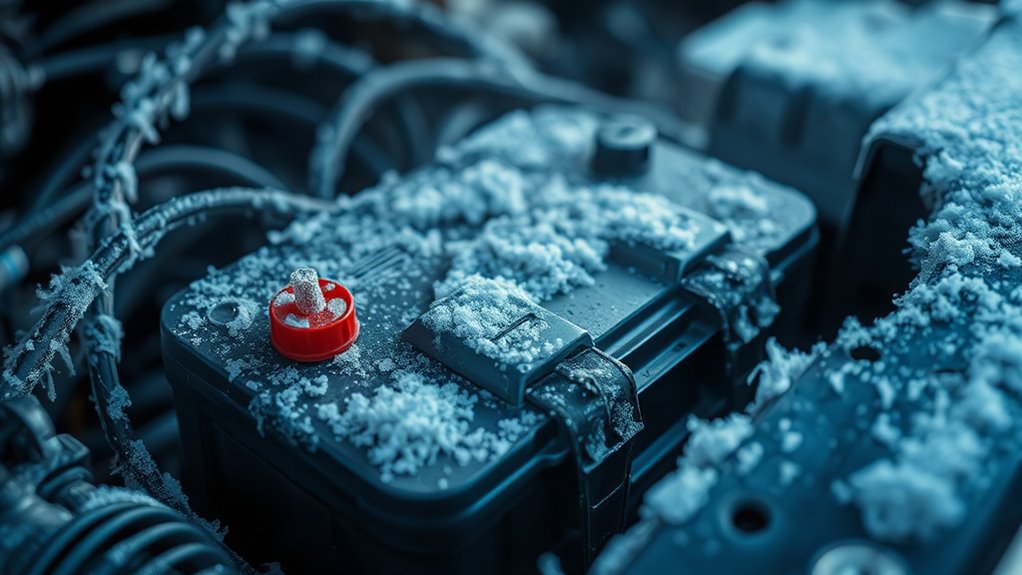
To protect your battery from freezing temperatures, taking proactive steps can make a significant difference. One effective method is using battery insulation, which helps retain heat and prevents the battery from dropping to freezing levels. You can wrap your battery with insulating materials or specially designed battery blankets, especially if it’s stored outdoors or in a cold garage. Proper battery storage also plays a critical role; keep your vehicle or battery in a warmer environment whenever possible. If you’re storing a spare battery, bring it inside or into a heated space to avoid exposure to extreme cold. These measures help maintain ideal battery performance and reduce the risk of freezing, ensuring your battery remains reliable during harsh winter conditions.
Tips for Extending Battery Life During the Cold Months
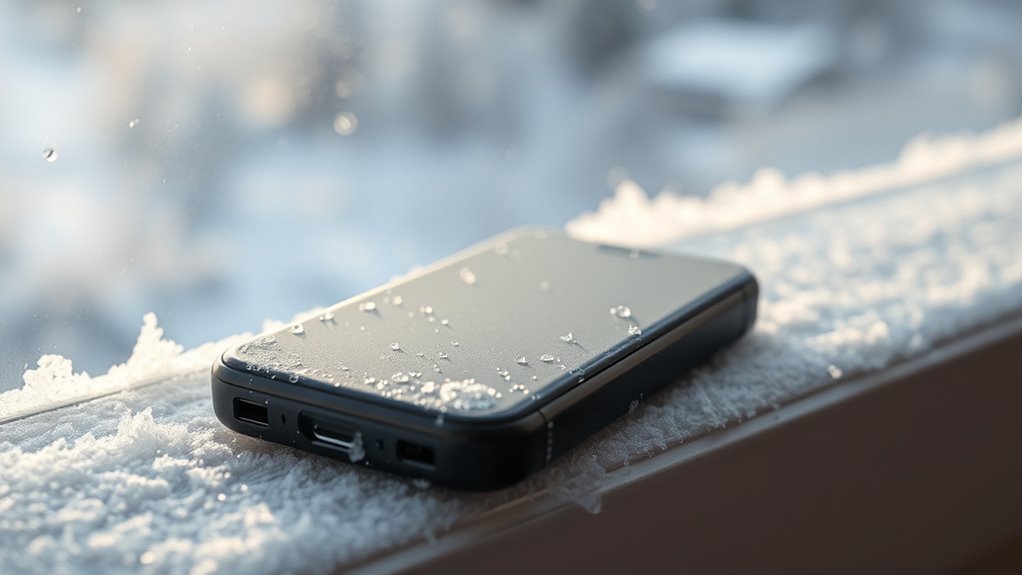
Protecting your battery from freezing is just the first step; maintaining its health throughout the cold months is equally important. To do this, consider adding battery insulation around your vehicle or battery compartment. Insulation helps retain heat and prevents cold-related damage. Additionally, adopt smart charging strategies: keep your battery charged above 80% whenever possible, as a well-charged battery performs better in cold weather. Avoid letting the battery drain completely, since deep discharges can cause long-term damage. When parking, try to park in a garage or sheltered spot to minimize exposure to freezing temperatures. Regularly check your battery’s health and clean terminal connections to ensure efficient power flow. These simple measures can considerably extend your battery’s lifespan during the harsh winter months.
When to Consider Replacing Your Battery Before Winter Hits

If your battery shows signs of slow starting or frequent jumps, it’s time to contemplate replacing it before winter arrives. Age and lack of maintenance can weaken performance, making early testing and inspections essential. Addressing these factors now helps ensure your vehicle starts reliably when cold weather hits.
Signs of Battery Deterioration
As winter approaches, it’s essential to recognize the early signs that your car battery might be deteriorating. One indicator is battery discoloration, which can appear as white or greenish deposits on the terminals, signaling corrosion. Electrolyte leakage is another warning, often showing as fluid around the battery case or terminals, weakening connections. Additionally, if your engine struggles to start or you notice dimming headlights, these are signs your battery’s performance is declining. Keep an eye out for:
- Corrosion or discoloration around the terminals
- Electrolyte leakage or fluid buildup
- Difficulty starting or dimming electrical components
Addressing these signs early can prevent unexpected failures during cold weather. Replacing a deteriorating battery now ensures reliable starts when temperatures drop.
Age and Maintenance Factors
Since batteries typically lose their capacity over time, it’s vital to assess their age and maintenance history before winter arrives. A battery nearing three to five years old may struggle in cold weather, especially if maintenance routines haven’t been consistent. Regularly checking terminals for corrosion, ensuring proper fluid levels, and cleaning connections can extend your battery’s life. However, if your battery is old or shows signs of wear despite good maintenance, it’s wise to consider replacement. Cold temperatures put extra stress on aging batteries, increasing the risk of failure when you need your vehicle most. Proactive replacement based on age and maintenance history can save you from unexpected breakdowns and ensure reliable starts during winter months.
Testing and Inspection Timing
Regularly testing your battery’s condition before winter helps identify potential issues early. This proactive approach guarantees you’re prepared for cold weather strains that can reduce your battery’s performance. Consider these key steps:
- Schedule a professional inspection to evaluate your battery’s health and capacity, ensuring it meets the demands of winter.
- Use testing methods that analyze your battery’s charging algorithms, revealing if it struggles to hold a charge or requires recycling.
- Replace your battery if tests show signs of aging or diminished capacity, preventing unexpected failures during freezing temperatures.
Timely testing and inspection can save you from cold-weather breakdowns. Staying on top of battery condition helps you avoid costly repairs and ensures your vehicle performs reliably in winter’s harsh conditions.
Frequently Asked Questions
How Does Cold Weather Affect Battery Charging Efficiency?
Cold weather lowers your battery charging efficiency because it causes energy loss and increases battery corrosion. As temperatures drop, chemical reactions slow down, making it harder for your battery to accept a full charge. You might notice reduced performance and quicker drain. To combat this, keep your battery warm and maintain proper electrolyte levels, which helps reduce corrosion and guarantees your battery charges more effectively in cold conditions.
Can Battery Warming Devices Fully Prevent Cold-Related Failures?
Battery warming devices can’t fully prevent cold-related failures, but they substantially help. By using battery insulation and thermal management, you keep the battery warmer, reducing the risk of performance drops and failure. These systems maintain a more consistent temperature, allowing your battery to operate more reliably in cold weather. However, extreme cold can still challenge even the best warming devices, so regular checks and proper insulation are essential for peak performance.
What Are the Best Practices for Storing Batteries in Winter?
You should store your batteries in a cool, dry place away from direct sunlight and extreme cold. Use battery insulation to protect them from low temperatures, and consider solar charging to maintain their health during winter months. Keep them at a moderate temperature, ideally above freezing, and guarantee they’re fully charged before storage. Regularly check on them to prevent capacity loss and ensure peak performance when you need them.
How Do Temperature Fluctuations Impact Battery Longevity?
You might think fluctuating temperatures are harmless, but they actually hasten battery aging. As thermal expansion occurs, internal components shift, stressing the structure. Meanwhile, electrolyte viscosity increases in cold spells, reducing conductivity and performance. When temperatures swing, these effects accelerate wear, shortening your battery’s lifespan. So, keep your batteries in a stable environment to minimize damage from thermal expansion and viscosity changes, ensuring they last longer and perform reliably.
Are There Specific Battery Types Better Suited for Cold Climates?
You’ll find that lithium-ion batteries with advanced battery chemistry perform better in cold climates, as they handle lower temperatures more effectively. Additionally, insulation methods can help maintain ideal battery temperature, preventing capacity loss. Consider using batteries designed for cold weather, which often incorporate specialized chemistry and insulation. These features help guarantee reliable performance, even when temperatures drop below freezing, so your devices or vehicles stay powered in harsh winter conditions.
Conclusion
As winter’s icy grip settles in, your battery becomes a fragile ice skater on a frozen pond, struggling to glide smoothly. Cold temperatures tighten its internal resistance and slow chemical reactions, making starting your vehicle feel like chipping away at a stubborn block of ice. To keep your battery humming like a warm engine, take preventative steps now—think of it as giving your car a cozy winter coat, ensuring it’s ready to brave the cold with confidence.