TL;DR

Get backup power and energy gear delivered free — and shop member deals
- Fast, free delivery on millions of items
- Access to Prime Big Deal Days deals on October 6–7
- Prime Video, Amazon Music and more included
Search and news coverage interest is spiking around a reported record performance by California virtual power plants during a heatwave, coinciding with legislation awaiting the governor’s signature. The specific trigger event, figures, and bill details are unconfirmed.
Online search and news coverage interest is spiking sharply around the topic phrase “California VPPs hit record during heatwave as bill sits on Governor’s desk,” a trend signal that suggests readers are seeking information about a possible record-setting performance by virtual power plants (VPPs) in California during a major heat event. However, the underlying trigger — whether a specific record was set, when it occurred, what the output figures were, and what legislation is pending — cannot be confirmed from the information currently available.
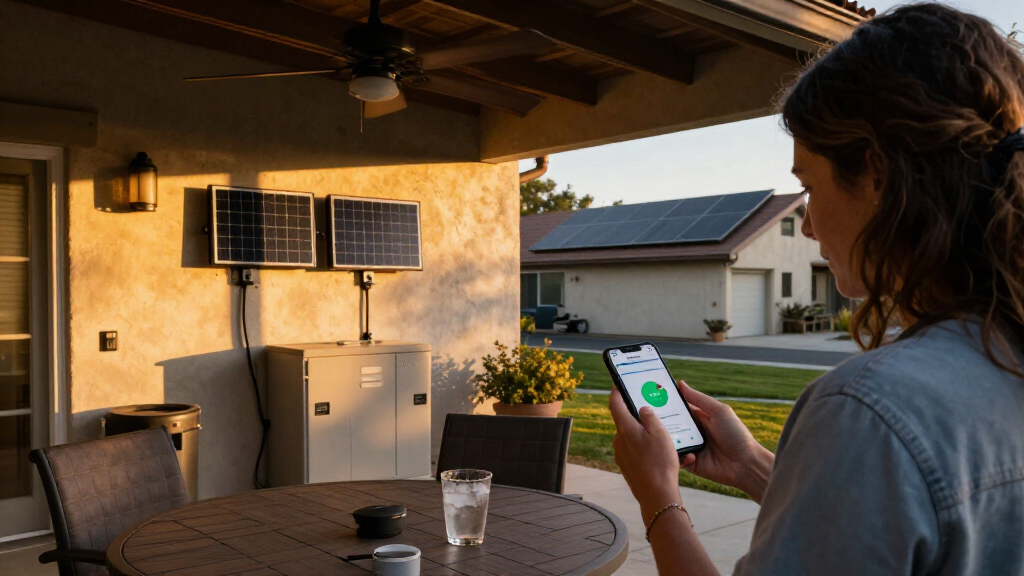
What is well established is the concept at the center of the story. A virtual power plant is a network of distributed energy resources — typically household batteries, smart thermostats, electric vehicle chargers, and rooftop solar systems — that are aggregated and dispatched together by a utility or third-party operator so they function like a single power plant on the grid. Utilities including PG&E, Southern California Edison, and San Diego Gas & Electric have operated VPP-style demand response and battery programs for years, and California regulators have repeatedly pointed to aggregated distributed resources as a tool for managing peak demand during summer heatwaves, when air-conditioning load strains the state’s grid.
The trending headline implies two linked elements: a record VPP dispatch during a heatwave and a bill awaiting the governor’s signature. California has seen recurring legislative and regulatory activity around distributed energy aggregation in recent sessions, and heatwave-driven grid stress in the state routinely produces peak-demand records across multiple technologies. Both elements are plausible and consistent with established patterns. Neither the specific event, the legislation in question, nor any named officials, figures, or operators has been verified, and no details should be treated as confirmed until primary sources — the California Independent System Operator, the California Public Utilities Commission, utilities, or the governor’s office — publish specifics.
Attribution for this article is limited accordingly: the only verified fact is the surge in search and coverage interest itself. Everything else in the trending phrase is a claim whose accuracy, timing, and scope remain unknown.
Why Grid Records During Heatwaves Matter
If a VPP output record was in fact set during a California heatwave, it would matter for three reasons. First, heatwaves are when the state’s grid is most fragile — extreme heat events in 2020 and 2022 produced rolling blackout risk and all-time demand records, pushing state agencies to expand demand-flexibility programs. Second, VPPs reduce the need for fossil-fuel peaker plants by shifting or supplying power at peak hours, so larger dispatch volumes are read by advocates as evidence that customer-owned batteries can substitute for conventional generation. Third, a record coinciding with pending legislation would give lawmakers and the governor a concrete data point in an ongoing policy debate over how California compensates and scales distributed energy resources.
For households enrolled in utility or third-party VPP programs, record dispatches can mean bill credits or incentive payments for allowing their batteries or thermostats to be adjusted during peak events — a direct pocketbook relevance for the hundreds of thousands of Californians already enrolled in such programs.
California’s Push to Aggregate Home Batteries
California has spent roughly a decade building the regulatory scaffolding for distributed energy aggregation. The California Public Utilities Commission has authorized demand response programs run by the three big investor-owned utilities, and PG&E in particular has promoted a battery-enrollment program that pays customers for making their home storage available during grid emergencies. The state’s shift toward rooftop solar plus battery storage — accelerated after net-metering rules changed in 2023 — has sharply increased the number of household batteries on the grid, expanding the raw material available for virtual power plants.
At the same time, the legislature has periodically considered bills to standardize how aggregated resources are paid and dispatched, and governors have signed or considered measures addressing demand flexibility in successive sessions. The trending headline’s reference to a bill “sitting on the Governor’s desk” fits this recurring pattern, but the specific measure, its author, and its contents are not identified in the available material.
What Cannot Yet Be Verified
Almost every concrete element of this story is currently unconfirmed. It is not yet clear: which VPP or utility program reportedly set a record; what the output figure was and what the previous record was; which heatwave and what dates are involved; whether the record refers to megawatts dispatched, number of enrolled households, or duration of discharge; which bill is pending before the governor, who authored it, and what it would do; and how long the governor has to act on it. No officials, utilities, agencies, or analysts have been verified as sources for the claim. Readers should treat the headline’s specifics as unconfirmed until primary sources publish details.
How the Story Will Be Confirmed
Confirmation, if it comes, will likely arrive through identifiable channels: a press release or statement from the involved utility or VPP operator; operational data from the California Independent System Operator on peak demand and resource dispatch during the heat event; or action by the governor’s office on the pending legislation, which would generate an official signing or veto message. State agencies typically publish heat-event grid performance summaries in the days after major demand events. Until then, the safest reading is that interest in California VPPs is rising and that a significant development may have occurred — its details remain to be established.
Key Questions
What is a virtual power plant (VPP)?
A VPP is a network of distributed resources — home batteries, smart thermostats, EV chargers, and rooftop solar — aggregated and dispatched together so they operate like a single power plant. California utilities and third parties have run such programs for years.
Has a California VPP record actually been confirmed?
No. The only verified fact is a spike in search and coverage interest around the claim. The record’s existence, size, date, and the program involved remain unconfirmed.
What bill is reportedly on the governor’s desk?
That is not known. The trending headline references pending legislation but does not identify the bill, its author, or its contents. California has seen recurring distributed-energy legislation, but no specific measure is verified.
Why do heatwaves matter for virtual power plants?
Heatwaves drive record air-conditioning demand and peak grid stress. VPPs discharge enrolled batteries and reduce load during those peaks, which is when they deliver the most value — and when records are most likely to be set.
How can households participate in a California VPP?
Residents with home batteries or smart devices can enroll in utility-run programs (such as those offered by the major investor-owned utilities) or third-party aggregators, typically earning bill credits or payments in exchange for allowing dispatch during grid events. Program terms vary and should be checked with the provider.
Source: rss
Fall Picks
fall essentials
As an affiliate, we earn on qualifying purchases.