During a deep freeze outage, prioritize keeping vulnerable occupants warm and safe by ensuring interior temperatures stay above 50°F, using safe supplementary heat sources like space or catalytic heaters. Seal drafts, insulate pipes, and add attic or wall insulation to reduce heat loss. Use micro-zoning to concentrate warmth in essential areas and have emergency supplies ready. Learning about proper insulation and safe heating practices can help you stay safe and comfortable until power is restored.
Key Takeaways
- Seal leaks around doors, windows, and utility penetrations to minimize heat loss during deep freezes.
- Maintain indoor temperatures above 50°F (10°C) using supplemental heating and micro-zoning strategies.
- Insulate pipes with foam sleeves or heat tape and keep cabinet doors open for warmth circulation.
- Use safe, energy-efficient space heaters in well-ventilated areas, avoiding indoor combustion devices.
- Stock emergency supplies like blankets, warm clothing, and backup power options to ensure continuous warmth.

GOLDENMATE 1000VA/800W Lithium UPS Battery Backup and Surge Protector, Backup Battery Power Supply with LiFePO4 Batteries(230.4 Wh), Sinewave UPS System, 10 Years Lifespan, 8 Outlets, LCD Display
[LiFePO4 Battery, Ultra-long Endurance]: This lithium UPS is equipped with a state-of-the-art Lithium Iron Phosphate Battery Pack, delivering...
As an affiliate, we earn on qualifying purchases.
Prioritizing Life-Safety Heating for Vulnerable Occupants
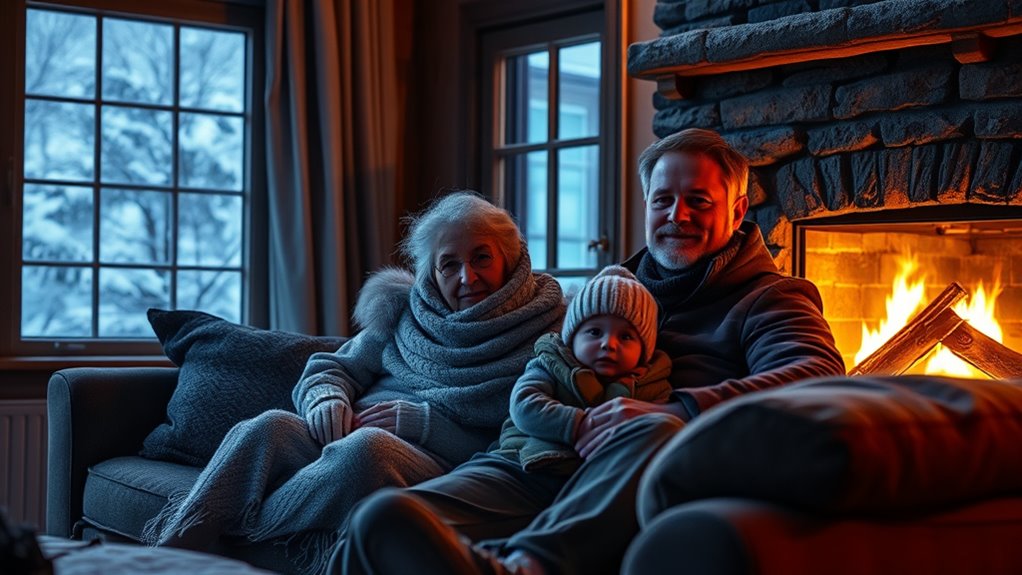
How can you guarantee vulnerable occupants stay safe during deep freezes? The key is ensuring they have reliable access to heat, especially when power outages strike. Focus on maintaining indoor temperatures of at least 50–55°F (10–13°C) in living areas where they spend most of their time. Use safe supplemental heat sources like battery-powered or propane heaters, but always ensure proper ventilation to prevent carbon monoxide buildup. Regularly check on infants, elderly relatives, and medically dependent individuals to confirm they’re warm and comfortable. Keep emergency supplies ready, including warm blankets and extra clothing. If heat becomes unavailable for extended periods, prioritize relocating vulnerable individuals to warming centers or shelters. Staying proactive minimizes hypothermia risks and keeps life-safety at the forefront during severe cold events.
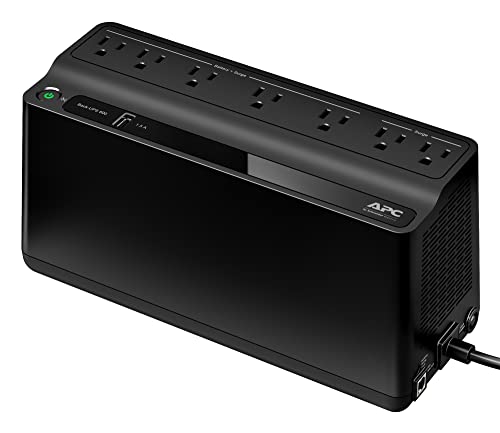
APC UPS 600VA / 330W UPS Battery Backup & Surge Protector, 7 Outlets (NEMA 5-15R), USB Charging Port, BE600M1 Uninterruptible Power Supply for Computers, Wi-Fi Routers, and Home Office Electronics
KEEP YOUR COMPUTER, WI-FI AND ROUTER RUNNING THROUGH POWER OUTAGES: Supplies short‑term battery power during outages to maintain...
As an affiliate, we earn on qualifying purchases.
Maintaining Interior Temperatures and Preventing Freezing Pipes

To prevent pipes from freezing during deep freezes, you need to focus on insulation and sealing strategies that keep warm air inside your home. Maintaining interior temperatures above freezing—ideally around 32°F—helps protect your plumbing and reduces the risk of costly damage. Using techniques like sealing gaps, insulating vulnerable areas, and applying pipe insulation can make a significant difference in keeping your home safe. Additionally, implementing simple organization strategies can help identify and address areas where heat may escape, further enhancing your home’s resilience during extreme cold spells.
Insulation and Sealing Strategies
When winter storms threaten to bring prolonged outages, effective insulation and sealing become essential for maintaining interior temperatures and preventing frozen pipes. Properly sealing leaks and insulating vulnerable areas help retain heat and reduce drafts. To maximize your home’s resilience, consider these strategies:
- Seal gaps around windows, doors, and utility penetrations with weatherstripping or caulk to prevent heat loss.
- Insulate attic, basement, and crawl space openings to slow heat transfer and keep cold air out.
- Use foam or reflective insulation on pipes and in vulnerable areas to protect plumbing from freezing.
- Employ high-quality projectors to monitor indoor conditions and ensure consistent warmth during outages.
These measures improve heat retention, lower energy needs, and help prevent costly pipe damage during extended outages or extreme cold snaps.
Interior Temperature Guidelines
During extended power outages in cold weather, maintaining interior temperatures above freezing is essential to prevent frozen pipes and guarantee occupant safety. Aim to keep indoor temperatures at least 50–55°F (10–13°C) for vulnerable populations, and no lower than 32°F (0°C) near plumbing. Use space heaters safely, sealing gaps, and minimizing heat loss through window coverings and insulation. Prioritizing heating occupied rooms and creating micro‑zones by closing doors can help conserve warmth and improve energy efficiency. Consulting deep-sky imaging techniques can be an analogy for creating effective micro‑zones with targeted heating strategies, optimizing energy use during outages. Additionally, understanding the reliable backup power options available ensures that these necessary measures can be sustained during prolonged outages. Incorporating energy-efficient insulation can further reduce heat loss and extend the effectiveness of your heating efforts. Recognizing the importance of smart energy management systems can also enhance control over heating distribution and conserve resources during emergencies.
Pipe Protection Techniques
Protecting your pipes from freezing starts with maintaining a steady indoor temperature above 32°F (0°C), especially in areas where pipes are exposed or poorly insulated. To prevent freezing, consider these techniques:
- Insulate vulnerable pipes with foam sleeves or wrap them in heat tape to retain warmth during cold spells.
- Keep cabinet doors open under sinks to allow warm air to circulate around pipes, especially in kitchens and bathrooms.
- Drip faucets slightly to keep water moving, reducing the risk of freezing and pipe bursts in unheated or exposed areas.
These measures help maintain consistent temperatures and prevent costly water damage caused by frozen or burst pipes. Stay proactive, especially during prolonged outages or severe cold snaps.

CyberPower ST425 Standby UPS Battery Backup and Surge Protector, 425VA/260W, 8 Outlets, Compact, UL Certified
425VA/260W Standby Battery Backup Uninterruptible Power Supply (UPS) System uses simulated sine wave output to safeguard home office...
As an affiliate, we earn on qualifying purchases.
Building Envelope Improvements for Heat Retention

To improve your home’s heat retention during deep freezes, start by sealing air leaks around doors, windows, and other gaps to prevent warm air from escaping. Adding insulation to attics, crawl spaces, and walls creates a barrier that keeps heat inside and cold out. These straightforward building envelope upgrades can substantially reduce heat loss and help your home stay warmer during prolonged outages. Additionally, selecting the appropriate insulation types can further improve energy efficiency and comfort. Incorporating natural heating options, such as passive solar design, can also contribute to maintaining indoor warmth without relying solely on mechanical heating systems. Properly building envelope improvements are essential for maximizing heat retention and minimizing heat loss during extreme cold conditions, especially when combined with airtight sealing techniques to eliminate drafts and cold spots. Using energy-efficient windows can significantly decrease heat transfer and enhance overall home insulation.
Seal Air Leaks
Have you considered how sealing air leaks can considerably boost your home’s heat retention during deep freezes? Air leaks let warm air escape and cold air enter, making your heating system work harder and increasing energy costs. To improve your home’s efficiency, focus on these three areas:
- Seal gaps around windows and doors with weatherstripping or caulk to prevent drafts.
- Add door sweeps to exterior doors to block cold air from slipping underneath.
- Insulate electrical outlets and switch plates on exterior walls with foam gaskets to reduce heat loss.
Taking these simple steps can keep more heat inside, lower your heating bills, and make your home more comfortable during extreme cold snaps.
Add Insulation
Adding insulation to your home’s building envelope is one of the most effective ways to retain heat during deep freezes. It reduces heat transfer through walls, attics, and floors, keeping your indoor environment warmer longer. Start by inspecting your attic insulation; adding more or upgrading to higher R-value materials can considerably cut heat loss. Seal gaps around doors, windows, and vents to prevent drafts that undermine insulation efforts. Don’t forget crawl spaces and basement walls—adding rigid foam or spray foam insulation helps block cold air from entering. Proper insulation minimizes the workload on heating devices, conserves fuel, and lowers energy bills. Additionally, enhancing insulation can improve your home’s energy efficiency and overall comfort during harsh weather. By improving your home’s insulation, you create a more resilient, comfortable space that’s better protected against extended outages and severe cold. Ensuring your **building envelope** is well-sealed and insulated can provide long-term benefits during winter storms and power outages.

GOLDENMATE 1000VA/600W Lithium UPS Battery Backup and Surge Protector, Backup Battery Power Supply with LiFePO4 Batteries(153.6 Wh), Sinewave UPS System, 10 Years Lifespan, 8-Outlets, LCD Display
[LiFePO4 Battery, Ultra-long Endurance]: This lithium UPS features a cutting-edge Lithium Iron Phosphate Battery, offering a lifespan of...
As an affiliate, we earn on qualifying purchases.
Safe Use of Supplemental Heating Devices During Power Outages
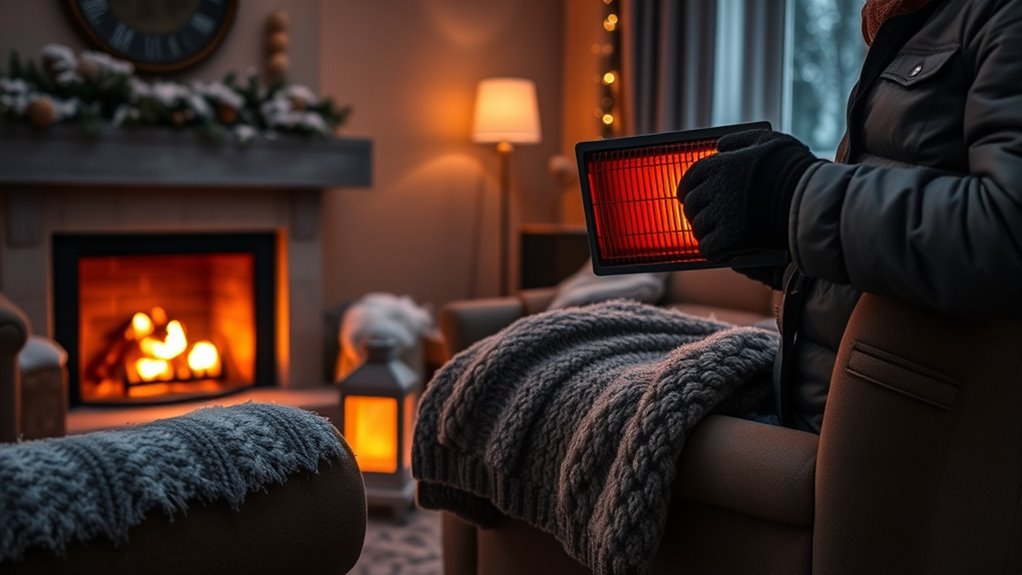
Ever wonder how to safely use supplemental heating devices during a power outage? It’s vital to prioritize safety to prevent fire, carbon monoxide poisoning, or injuries. First, always operate space heaters in well-ventilated areas and keep them away from flammable materials. Second, use heaters rated for indoor use, and never leave them unattended or running overnight. Third, install and regularly test carbon monoxide detectors near heating devices and sleeping areas to catch leaks early. Remember, never use outdoor equipment indoors, like charcoal grills or propane burners, as they produce dangerous fumes. Keep children and pets at a safe distance from heaters, and follow manufacturer instructions carefully. Proper precautions help keep your home warm and safe during power outages. home safety precautions are essential to protect everyone in your household. Additionally, ensuring that emergency preparedness plans include safe heating practices can prevent unnecessary hazards during outages. Incorporating smart safety features, such as automatic shutoffs and alerts, can further enhance your home’s safety during such events. Being aware of local environmental considerations, like proper ventilation and fire safety regulations, also plays a crucial role in maintaining a safe indoor environment. Regularly inspecting your heating devices and understanding their operating instructions can significantly reduce the risk of accidents.
Essential Equipment and Supplies for Cold-Weather Emergencies
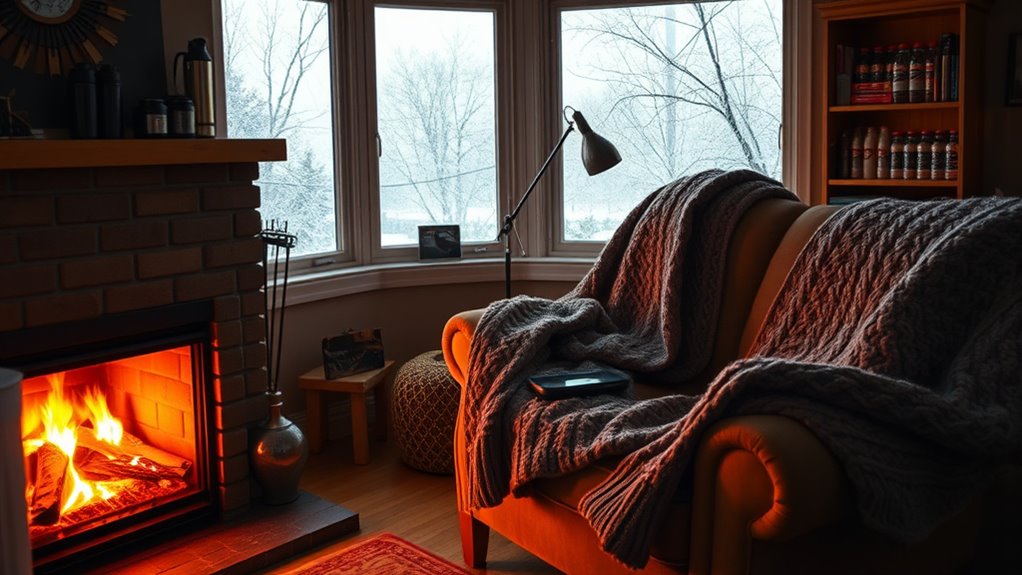
Preparing your home and household for cold-weather emergencies means gathering the right equipment and supplies to stay safe and warm when power can go out unexpectedly. Stock at least a three-day supply of non-perishable food and water for each person. Keep warm blankets, extra clothing layers, and chemical hand warmers on hand to maintain body heat. Have a well-ventilated backup heat source, such as a portable heater with fuel, and ensure you have enough fuel stored safely. Install and test carbon monoxide and smoke detectors, replacing batteries regularly. Maintain portable battery banks, solar chargers, and a generator with proper setup for essential electronics and lighting. Weatherize your home quickly by sealing gaps, closing curtains, and covering windows to minimize heat loss. Understanding how to safely operate portable heating equipment can help prevent accidents and ensure effective warmth during outages. Additionally, knowing how to properly ventilate your backup heat sources is crucial to prevent dangerous carbon monoxide buildup. Being aware of effective weatherproofing techniques can further enhance your home’s insulation, making it more resilient during extended outages. Regularly inspecting your home’s electrical system can help identify potential hazards and ensure safe operation of backup power devices. Remember that home insulation plays a key role in maintaining warmth and reducing energy loss during extended outages.
Strategies for Thermal Comfort and Micro-Zoning
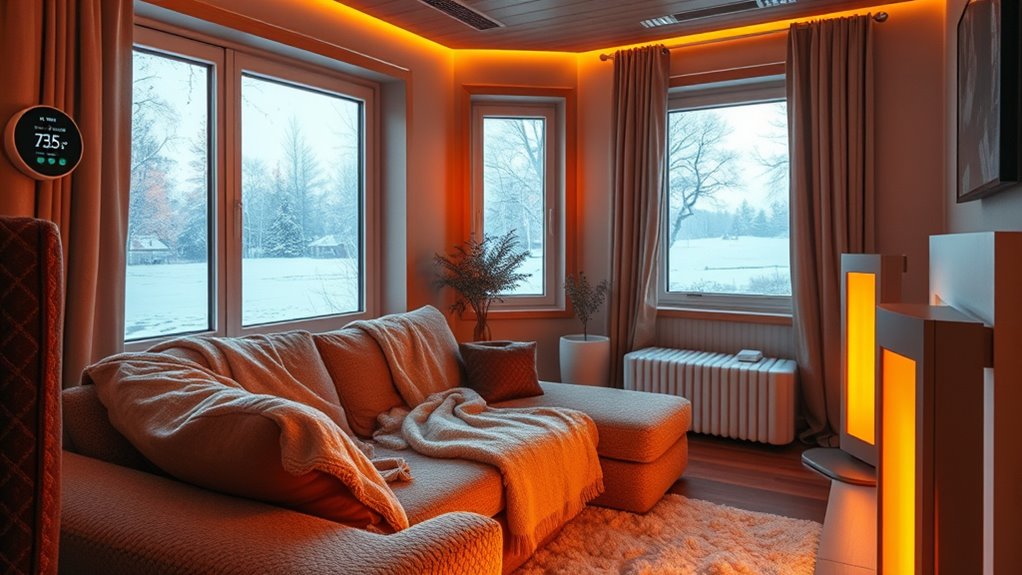
During cold-weather outages, implementing thermal comfort and micro-zoning strategies can substantially reduce energy use and enhance safety. You can focus heat where it’s needed most, conserving fuel and preventing heat loss in unoccupied areas. Here are key strategies:
- Close doors to create micro-zones, trapping residual heat in occupied rooms.
- Use radiant heaters—like electric or catalytic models—in targeted areas for efficient warmth.
- Open south-facing curtains during the day for passive solar gain, then close them at sunset to trap heat.
- Regularly monitor and adjust your heating approach to ensure optimal energy efficiency and comfort, aligning with creative storytelling for branding principles to communicate your preparedness effectively.
Layer clothing and bedding to boost comfort without extra energy. Moving heavy furniture or filling bathtubs with warm water can also help retain heat. These tactics keep your home warmer and safer during extended outages.
Recognizing and Addressing Health and Safety Risks
Recognizing and addressing health and safety risks during deep-freeze outages is crucial to prevent injuries and save lives. You must be alert to dangers like hypothermia, frostbite, and carbon monoxide poisoning. Keep indoor temperatures above 50–55°F (10–13°C) to protect vulnerable people, especially children, seniors, and medically dependent individuals. Use properly ventilated, safe heating sources such as certified space heaters or generators, and install CO detectors to monitor air quality. Avoid indoor use of unvented combustion devices and keep flammable materials away from heat sources. Regularly check for signs of hypothermia—shivering, confusion, exhaustion—and seek medical help immediately if symptoms appear. Proper planning, early detection, and safe heating practices are essential for safeguarding your household during prolonged outages.
Frequently Asked Questions
How Can I Safely Operate a Portable Heater Indoors?
You can safely operate a portable heater indoors by placing it on a flat, stable surface away from flammable materials like curtains or paper. Always use heaters rated for indoor use and make sure proper ventilation if using fuel-powered models. Keep a working carbon monoxide detector nearby, never leave the heater unattended, and turn it off when leaving the room or sleeping. Follow the manufacturer’s safety instructions carefully to prevent fire or CO poisoning.
What Are Signs of Carbon Monoxide Poisoning During an Outage?
If you notice dizziness, headache, nausea, or sudden weakness, you’re likely experiencing carbon monoxide poisoning—think of it as your body’s alarm system screaming, “Get out now!” Other signs include confusion, shortness of breath, or even losing consciousness. Don’t ignore these symptoms, especially during a power outage when you’re using indoor combustion heaters. Ventilate immediately, get outside, and seek medical help—your body’s way of shouting for rescue!
How Long Can Refrigerated Food Stay Safe Without Power?
Refrigerated food stays safe for about four hours if the door remains closed during a power outage. After that, bacteria can grow rapidly, risking foodborne illness. If the outage lasts longer, check the food for off smells, colors, or textures before eating. Freeze leftovers or perishable items if you expect a prolonged outage. Keep a thermometer in your fridge to monitor temperature and discard anything above 40°F if you’re unsure.
Which Home Modifications Best Improve Heat Retention?
You need to tighten the ship to keep heat in. Insulate attics, crawl spaces, and exterior walls to minimize heat loss. Seal gaps around windows, doors, and outlets with weatherstripping or caulk. Cover windows with heavy drapes or insulating film at night. Install draft stoppers at door thresholds and close interior doors to create micro‑zones. These tweaks make your home more snug, conserving warmth and lowering energy needs during winter freezes.
How Do I Plan for Vulnerable Neighbors During Deep-Freeze Outages?
You should check on vulnerable neighbors regularly, especially the elderly, children, or medically dependent individuals. Help them prepare by sharing emergency supplies, making certain their homes are weatherized, and installing CO and smoke detectors. Offer to assist with home heating or transportation to warming centers if needed. Keep their contact info handy, and coordinate with local community resources or emergency services to guarantee their safety during deep-freeze outages.
Conclusion
During deep freezes, your home’s warmth becomes a quiet sanctuary for loved ones, a gentle shield against nature’s chill. By thoughtfully prioritizing safety and comfort, you create a haven where resilience and care flourish. Even in the quietest moments of winter’s grasp, your mindful actions nurture a sense of security and hope. Remember, your warm embrace and preparedness can turn challenging nights into moments of comfort and connection.