
To power your refrigerator safely with an extension cord, choose a UL-listed, heavy-duty, three-wire grounding cord rated for at least 15 amps, and keep it as short as possible. Avoid daisy-chaining or covering the cord and plug directly into a grounded outlet. Regularly inspect for damage, and never overload it. If you want to guarantee safe, long-term solutions, there are important tips and alternatives you should consider.
Key Takeaways
- Use only UL-listed, heavy-duty, 3-prong extension cords rated for at least 15 amps.
- Keep the extension cord length under 50 feet to prevent voltage drop and overheating.
- Plug the refrigerator directly into a grounded outlet; avoid multiple cords or power strips.
- Regularly inspect the cord for damage, and replace immediately if signs of wear or deterioration appear.
- Consider installing a dedicated, grounded outlet or professional upgrade for long-term, safe power supply.

Porch Shield Generator Cover for 5000-10000W, 32 x 24 x 24 inch, Black
- Compatibility: Fits 5000-10000W generators
- Durable Material: 600D water-resistant polyester fabric
- All-Around Protection: Protects against sun, rain, snow, dust
As an affiliate, we earn on qualifying purchases.
Understanding When and Why You Might Need an Extension Cord for Your Refrigerator

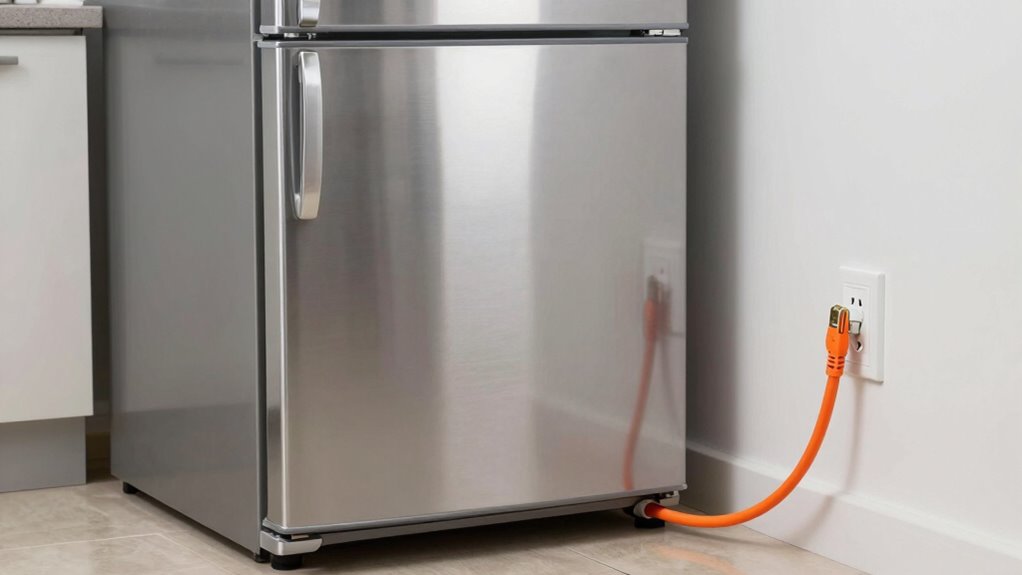
There are few situations where using an extension cord with your refrigerator might be necessary, such as when the outlet is far from the appliance’s location. Typically, refrigerators should be plugged directly into a grounded wall outlet to guarantee safety and proper operation. However, if the outlet isn’t conveniently located, an extension cord might seem like a quick fix. Keep in mind, refrigerators draw constant power, which can cause extension cords to overheat or degrade quickly. Use only a UL-listed, heavy-duty, 3-wire grounding cord rated for at least 15 amps. Remember, extension cords are meant for temporary use only. Prolonged reliance on one increases risks of electrical shock, fire, and appliance damage. Whenever possible, consider installing a dedicated outlet closer to your refrigerator. Ensuring proper home electrical safety is essential to prevent potential hazards. Additionally, choosing an extension cord designed for high-power appliances can help mitigate some risks if temporary use is unavoidable. It’s also advisable to check the cord’s insulation quality to ensure it can handle the electrical load safely. Properly rated cords and adherence to safety guidelines are crucial to avoid dangerous situations.
Porch Shield Generator Cover for 5500-15000W, 38 x 28 x 30 inch, Black
- Compatibility: Fits 5500W to 15000W generators
- Premium Material: 600D water-resistant polyester fabric
- All-Weather Protection: Resists sun, rain, snow, wind, dust, dirt
As an affiliate, we earn on qualifying purchases.
Selecting the Right Extension Cord to Ensure Safety and Efficiency
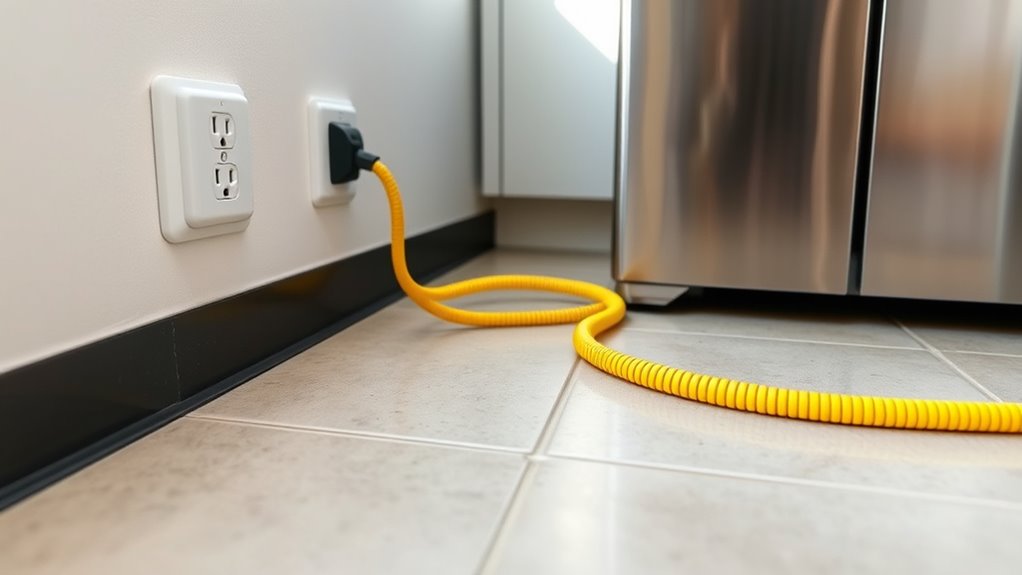
Choosing the right extension cord is essential to guarantee your refrigerator operates safely and efficiently when a direct outlet isn’t available. You need a UL-listed, three-wire grounding cord rated at least 15 amps. The cord’s gauge determines how much power it can handle: lower gauge means thicker wire and higher capacity. For heavy appliances, a 10-gauge cord is ideal. Also, select a polarized or three-prong plug to ensure proper grounding. Keep the length short—no more than 50 feet for medium duty—to reduce voltage drop and overheating. Proper cord selection not only ensures safety but also maintains the appliance’s performance and longevity. Ensuring your extension cord matches the appliance’s power requirements is vital for safe and efficient operation. Here’s a quick guide:
| Cord Type | Gauge | Usage |
|---|---|---|
| Heavy-duty | 10 | Large refrigerators |
| Medium-duty | 14 | Smaller appliances |
| Light-duty | 16 | Low-power devices |
Always inspect cords for damage before use. Proper cord selection enhances safety and prevents potential electrical hazards.
Proper Installation and Usage Practices for Extension Cords With Refrigerators

Proper installation and careful usage of extension cords can considerably reduce safety risks when powering a refrigerator. To do this, follow these steps:
Using proper extension cords and safe practices helps prevent hazards when powering your refrigerator.
- Choose the right cord—use a UL-listed, 3-wire cord rated for at least 15 amps, and match its gauge to your refrigerator’s wattage. Proper cord selection ensures safe and reliable operation.
- Position the cord properly—avoid pinching, covering, or running it through walls, doors, or under rugs. Keep it off the floor and away from water or heat sources.
- Connect correctly—plug directly into a grounded wall outlet, never into multiple cords or power strips. Ensure the cord is fully inserted and secure, with no loose connections.
- Regularly inspect the cord for signs of wear or damage, replacing it immediately if any issues are found to prevent electrical hazards. Electrical safety is crucial when handling cords and appliances.
Following these practices minimizes risks of overheating, tripping hazards, and electrical failures, keeping your refrigerator and home safer.
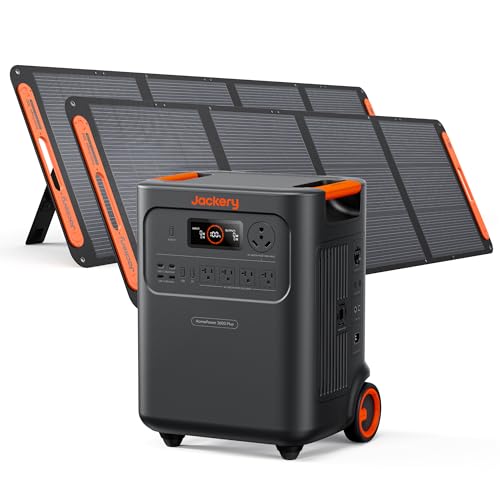
Jackery HomePower 3600 Plus Portable Power Station with 2X 200W Solar Panels, 3600W AC Output, 3584Wh LFP Solar Generator, Expandable up to 21kWh, Essential Home Backup for Home Use, Emergencies, RV
- High Power Output: 3600W AC output for home appliances
- Expandable Capacity: Up to 21kWh with multiple units
- Dual Voltage Support: 120V & 240V in parallel
As an affiliate, we earn on qualifying purchases.
Common Mistakes to Avoid When Using Extension Cords With Refrigeration Appliances
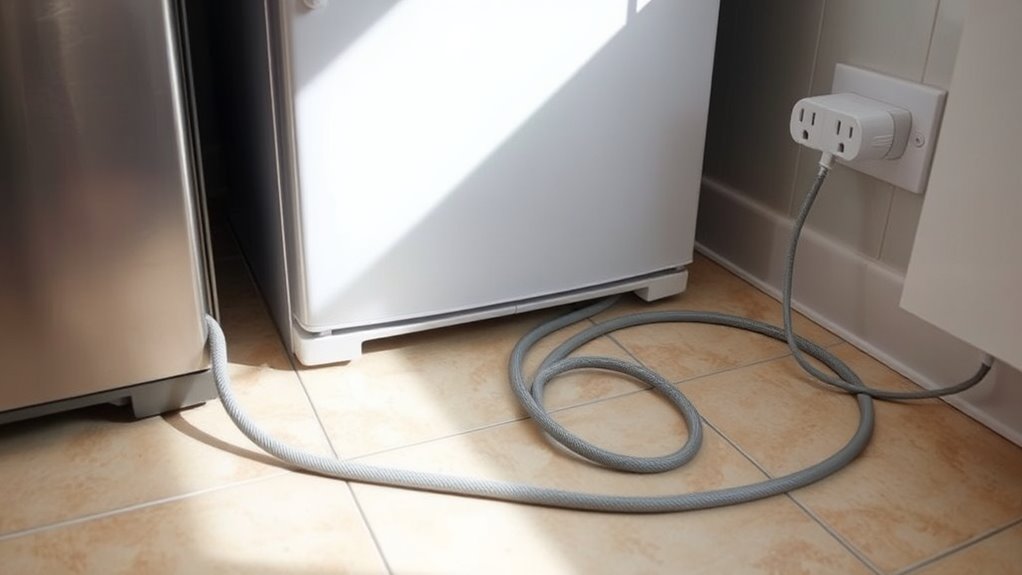
Using an extension cord improperly can quickly turn a safe setup into a serious hazard. One common mistake is using cords not rated for the refrigerator’s power needs, which can cause overheating or fires. Avoid using cords designed for temporary use only; these deteriorate quickly with constant operation. Overloading cords by connecting multiple devices or exceeding their capacity increases the risk of overheating and electrical failure. Covering cords or running them through walls, floors,, or under rugs traps heat and raises fire risk. Never daisy-chain multiple extension cords or use damaged, frayed, or worn-out cords. Also, don’t ignore the importance of grounding; always use a UL-listed, 3-wire, 15-amp cord with a proper plug. Proper inspection and maintenance are essential to prevent accidents, especially since Gold IRA markets highlight the importance of choosing secure, reliable investments and accessories.
Alternatives to Extension Cords for Safe Refrigerator Powering Solutions
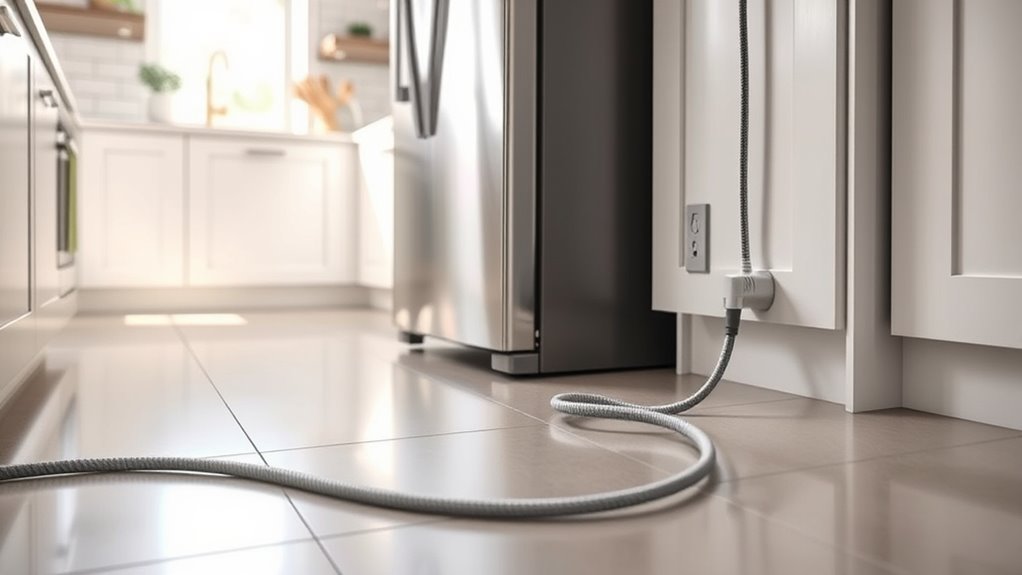
When you need to power a refrigerator safely, installing a dedicated, properly grounded outlet is the best solution. This prevents risks associated with extension cords and guarantees reliable operation. Consider these alternatives:
- Add a new outlet: Hire an electrician to install a dedicated circuit, providing a permanent, safe power source.
- Use a power strip with a circuit breaker: Choose a UL-listed strip designed for heavy loads, and avoid daisy-chaining multiple strips. Ensuring the strip has appropriate electrical capacity is crucial for safety.
- Upgrade your electrical system: If your current setup can’t support high-power appliances, upgrading ensures safety and efficiency.
- Understand the importance of proper wiring: Proper wiring and dedicated circuits are essential for preventing electrical hazards and ensuring appliance longevity. Proper wiring also helps avoid fire risks caused by overloaded circuits.
These options provide safer, long-term solutions that reduce fire hazards and equipment damage. Investing in proper wiring minimizes risks and offers peace of mind for your refrigerator’s operation.
Frequently Asked Questions
Can I Use a Standard Household Extension Cord for My Refrigerator?
You shouldn’t use a standard household extension cord for your refrigerator. These cords are designed for temporary, light-duty use and can deteriorate quickly under constant high power demand. Instead, you need a UL-listed, 3-wire grounding cord rated for at least 15 amps, with a thick gauge like 10, to handle the refrigerator’s wattage safely. Installing an extra outlet is a safer, more reliable solution.
How Often Should I Inspect Extension Cords Connected to Appliances?
You should inspect your extension cords at least monthly—because apparently, safety isn’t a daily habit. Look for signs of wear, fraying, or exposed wires; if you spot any, replace them immediately. Keep cords dry, avoid tension, and unplug when not in use. Regular checks prevent hazards like fires or shocks, reminding you that neglecting safety inspections can turn everyday appliances into dangerous ticking time bombs.
Are There Specific Outdoor Extension Cords Suitable for Refrigerators?
Yes, there are outdoor extension cords suitable for refrigerators, but you must choose carefully. Look for UL-listed cords rated at least 15 amps with a three-prong grounding plug. Make sure it’s designed for outdoor use, with appropriate weatherproof insulation. Keep the cord short, ideally under 50 feet, to prevent voltage drops. Always inspect the cord for damage before use, and never overload it or run it through wet areas.
What Are the Legal Safety Standards for Refrigerator Extension Cords?
You should look for extension cords that meet UL safety standards, specifically UL-listed 3-wire grounding cords with at least a 15-amp rating. They must have polarized or three-prong plugs and be suitable for indoor use unless specified for outdoor. Always match the cord’s power capacity to your refrigerator’s wattage and avoid daisy-chaining. Regularly inspect for damage, keep them dry, and never overload or modify the cords.
How Does Overloading an Extension Cord Affect Refrigerator Safety?
Overloading an extension cord is like trying to fill a tiny cup with a firehose—it can’t handle the pressure. When you overload, the cord overheats, risking fire or electrical shock. For your fridge, this means potential malfunctions, food spoilage, or even dangerous fires. Always match the cord’s rating to your refrigerator’s wattage, and avoid daisy-chaining cords to prevent this overload risk altogether.
Conclusion
Remember, safety should always be your top priority when powering your refrigerator with an extension cord. Always choose the right cord, follow proper installation practices, and avoid common mistakes. If you’re unsure, consider modern solutions like dedicated outlets or surge protectors—think of it as your own personal “clever contraption” from the days of inventors like Edison. By doing so, you’ll keep your appliance running smoothly and avoid any unwanted mishaps.