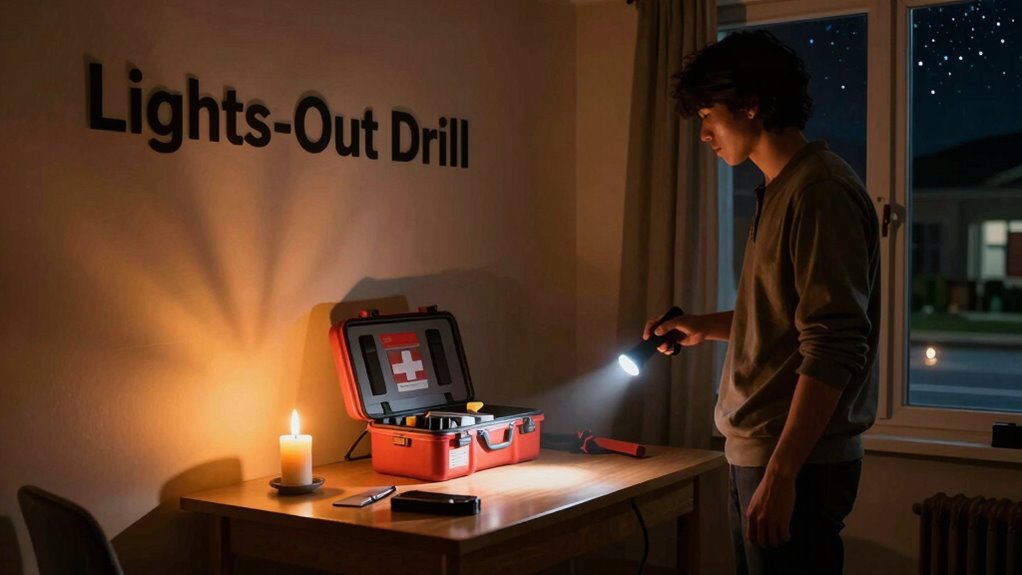
A “Lights-Out Drill” prepares you to handle actual power outages confidently. You simulate a blackout by turning off main power and practicing emergency procedures like lighting, communication, and safety steps. This regular practice helps your team stay calm, identify potential issues, and respond swiftly when real outages occur. Focus on clear protocols, safety measures, and team coordination. Keep practicing these drills often, and you’ll become better equipped—if you keep exploring, you’ll uncover even more tips for smooth emergency management.
Key Takeaways
- Regularly practicing emergency drills familiarizes residents with shutdown procedures and emergency lighting, reducing panic during actual outages.
- Simulating blackout scenarios helps identify protocol gaps and improves response efficiency and safety awareness.
- Training on communication signals and equipment ensures quick, clear coordination during real power failures.
- Conducting mock outages reinforces safe power shutdown techniques and emergency equipment use, minimizing hazards.
- Consistent drills build confidence and preparedness, making real outages feel manageable and less stressful.

TrixHub Rechargeable Flashlights 2 Pack, Super Bright High Lumens Flash Light, 5 Modes Zoomable Linternas with LCD Digital Display, Powerful Handheld LED Flashlights for Home Emergencies Camping
【BRIGHT FLASHLIGHT】Flashlights high lumens equipped with an LCD real-time battery level display, which provides a clear and accurate…
As an affiliate, we earn on qualifying purchases.
As an affiliate, we earn on qualifying purchases.
Preparing for Unexpected Power Loss
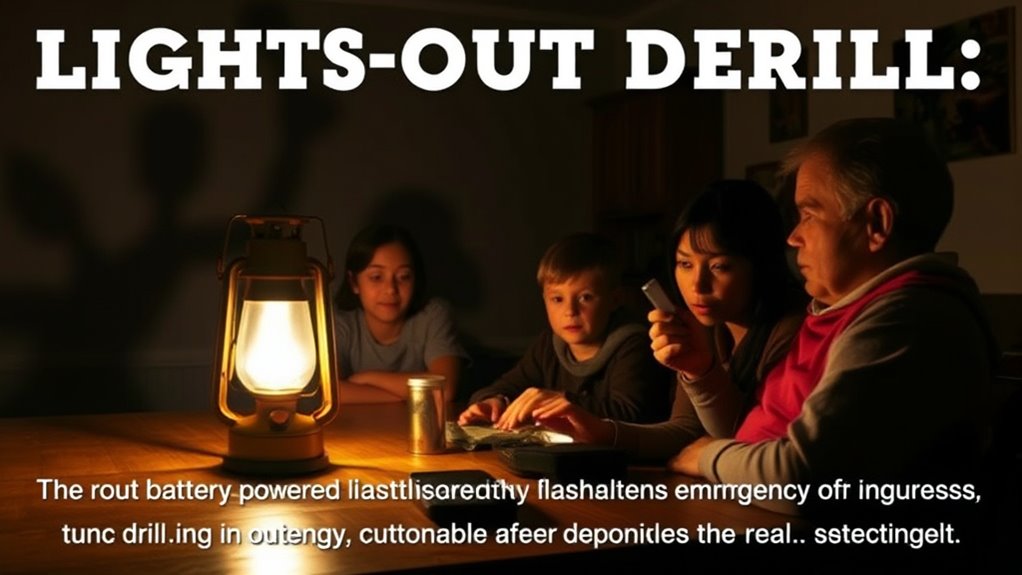
To effectively prepare for unexpected power loss, you need to plan ahead and have the right supplies and procedures in place. First, choose a safe time with good weather, avoiding severe conditions or health risks. Decide on a manageable initial duration, like 4 to 6 hours, focusing on essential needs such as heat, lighting, cooking, and communication. Assign a clear incident commander to oversee the response. Outline immediate steps, like shutting down non-essential systems to prevent damage. Build an emergency kit stocked with first aid supplies, flashlights, contact information, and backup batteries. Additionally, incorporating modern kitchen technology such as smart appliances can help automate some responses and improve efficiency. Enhancing your outdoor living space with features like fire pits or outdoor ovens can provide comfort and functionality during outages. Regularly testing your backup power systems and load‑planning tools ensures they will perform reliably when needed. Developing a routine for backup procedures that everyone understands can make a significant difference during an outage. Conducting periodic power system tests can help identify potential issues before an actual outage occurs. Having a well-thought-out plan guarantees you’re ready to act quickly, stay safe, and minimize disruption when the power unexpectedly goes out.
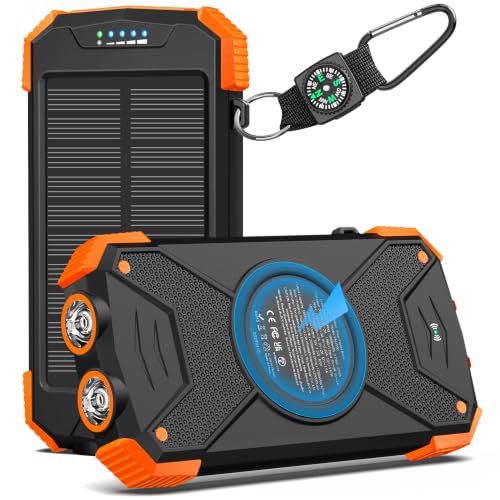
BLAVOR Solar Power Bank 10,000mAh, Portable Wireless Charger, 20W Fast Charging External Battery Pack with USB C for Cell Phones, Solar Panel Charging with Dual Flashlight for Camping
Brand-Oriented and Outdoor Charger Pro: With over 10 years of experience in solar power banks, BLAVOR has already…
As an affiliate, we earn on qualifying purchases.
As an affiliate, we earn on qualifying purchases.
Building Your Emergency Supplies Kit
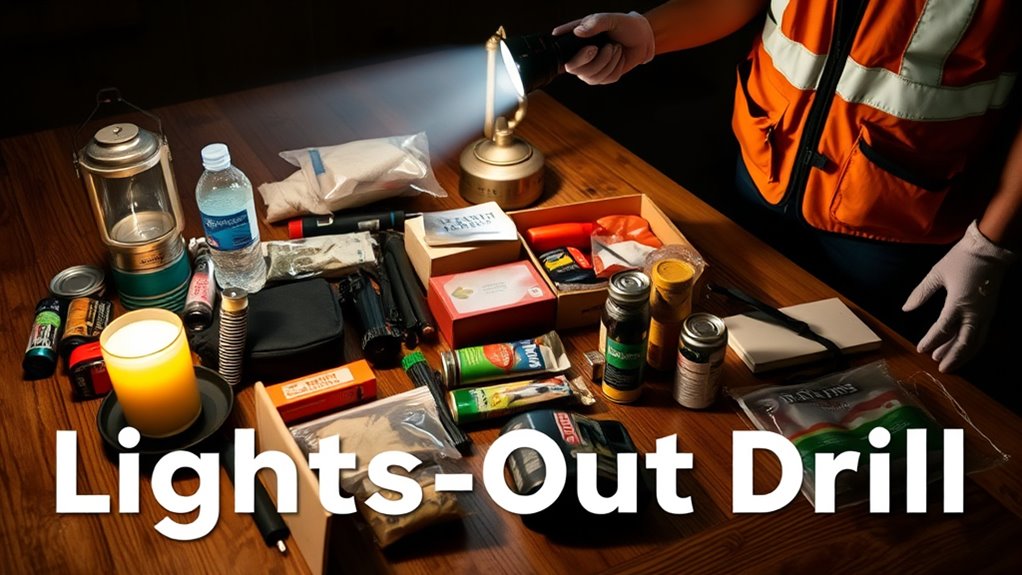
Building a well-stocked emergency supplies kit is key to staying safe during a power outage. Your kit should include essentials that keep you safe, comfortable, and connected. Pack items like first aid supplies, flashlights, extra batteries, and contact info. Consider adding solar-powered lights or phone chargers to stay powered without electricity. Here’s a quick overview:
| Item Category | Examples | Purpose |
|---|---|---|
| Lighting | LED lanterns, headlamps | Illuminate dark areas |
| Power Sources | Batteries, solar chargers | Keep devices functional |
| Safety Equipment | Fire extinguisher, matches | Prevent hazards |
| Comfort & Communication | Radio, extra snacks | Stay informed and calm |
Additionally, understanding the capacity of your vehicle’s electrical system can help you choose the most effective power sources for backup during outages. Properly maintaining and understanding your home electrical system enhances your ability to safely use backup power solutions. Being familiar with LED mask safety and usage guidelines can also help you incorporate additional safety measures into your routine. Regularly testing and practicing emergency procedures ensures you’re prepared when it matters most. It’s also important to be aware of emergency power management strategies to optimize your resources during outages. Keep your supplies in a cool, dry place, check expiration dates regularly, and update your kit as needed.

Survival Kit, 262Pcs Survival Gear and Supplies with First Aid Kit Pouch and Crossbody Bag, Emergency Kit with Tent, Camping Axe Hammer, Survival Shovel w/Pick, Bug Out Bag Gifts for Men Women
[Preparedness for the Unknown]: While no one can predict when or how severe a disaster or accident will…
As an affiliate, we earn on qualifying purchases.
As an affiliate, we earn on qualifying purchases.
Executing a Safe Power Shutdown

To execute a safe power shutdown, you need to follow clear disconnection steps carefully. Make sure to guarantee safety precautions, such as turning off critical systems and unplugging devices. Additionally, consult your home’s electrical system documentation to identify essential circuits that require special attention, ensuring a comprehensive and safe shutdown process. Incorporating wiring basics knowledge can help you better understand how circuits are interconnected and prevent accidental disruptions or hazards during the shutdown. Understanding transfer‑switch fundamentals can further enhance your safety by ensuring proper disconnection from backup power sources. Staying informed about sector performance metrics can guide you in making safer, more strategic decisions during complex shutdown procedures. Moreover, reviewing cookie management options can help maintain secure and efficient control over your device settings during the process.
Power Disconnection Steps
Before disconnecting the power, make sure you’ve identified and prepared the main breaker and critical circuits to avoid accidents. First, locate the main breaker and switch it off to cut power completely. Then, proceed to critical circuits—such as medical equipment or alarms—and turn them off or disconnect as needed. Finally, unplug all non-essential appliances to prevent surges and damage. Remember these steps:
- Flip the main breaker to off position.
- Switch off or unplug critical circuit devices.
- Unplug all unnecessary appliances to simulate a real outage.
- Verify safety protocols to ensure the process is completed safely.
Additionally, confirm that power outage procedures are followed to maintain safety and prevent equipment damage. Incorporating proper electrical safety measures is essential for a safe shutdown process. Ensuring familiarity with electrical system components can help streamline the disconnection process and prevent mishaps.
To further enhance safety, understanding electrical circuits and their configuration can help you identify potential hazards more effectively.
Safety Precautions Checklist
Ensuring safety during a power shutdown is critical to prevent accidents and injuries. Before starting, verify that all personnel understand the shutdown procedures and safety protocols. Install battery-powered emergency lighting to navigate safely in the dark and test carbon monoxide detectors to prevent poisoning. Keep fire extinguishers and sprinklers in working order, and have matches or lighters on hand for lighting emergencies. Unplug appliances to avoid power surges and use flashlights instead of candles for safe illumination. Stay at least 35 feet away from fallen power lines and call 911 immediately if you encounter one. Make sure all team members wear reflective vests and carry flashlights during evacuation. Regularly review and practice these safety measures to *guarantee* everyone stays protected during the shutdown. Incorporate energy-efficient cloud solutions into your safety planning to enhance overall system resilience. Additionally, staying informed about power outage preparedness can help you respond more effectively during unexpected disruptions. Incorporating smart home integrations can also improve safety monitoring and facilitate quicker response times during outages.

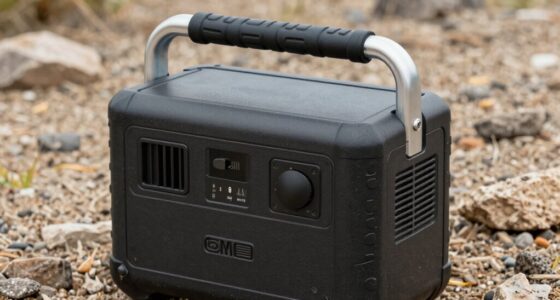
Jackery Explorer 1000 v2 Portable Power Station,1070Wh LiFePO4 Battery,1500W AC/100W USB-C Output, 1 Hr Fast Charge, Solar Generator for Camping,Emergency, RV, Off-Grid Living(Solar Panel Optional)
Powerful yet Compact: Boasting a 1,500W AC output and a 3,000W surge peak, the Solar Generator 1000 V2…
As an affiliate, we earn on qualifying purchases.
As an affiliate, we earn on qualifying purchases.
Implementing Safety Protocols During a Blackout
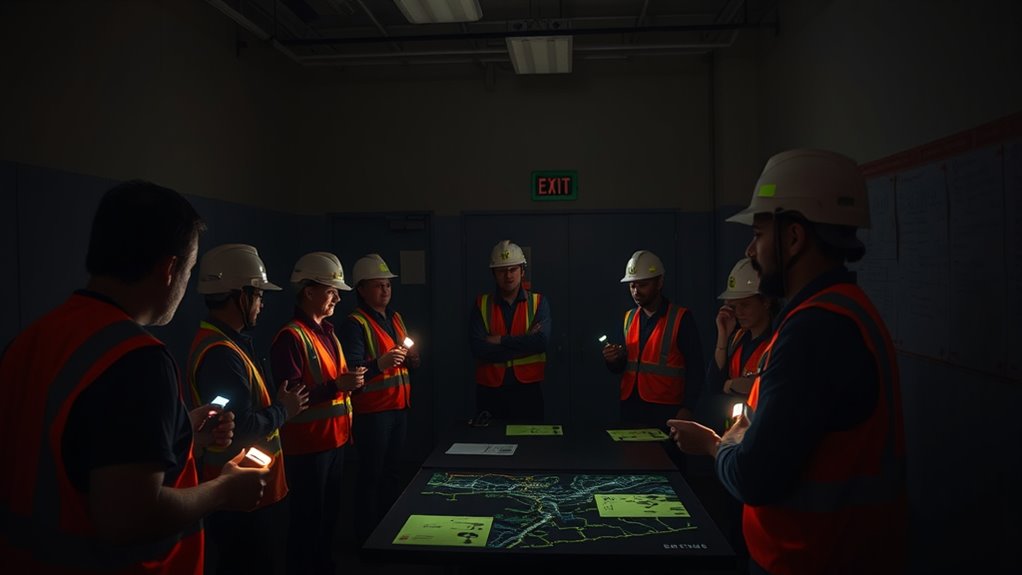
Implementing safety protocols during a blackout requires immediate action to protect everyone from hazards. First, turn on battery-powered emergency lights in key areas to ensure clear navigation. Next, verify that carbon monoxide detectors are functioning to prevent poisoning, especially if using backup generators. Finally, unplug all appliances to prevent electrical surges when power returns. Use these steps:
- Activate emergency lighting and keep pathways illuminated.
- Test CO meters and ventilate spaces if needed.
- Unplug items that could cause surges or fires.
- Remember that air quality can decline indoors during outages, so ensure proper ventilation when possible.
- Regularly inspect emergency equipment and safety protocols to ensure readiness during outages.
Stay clear of fallen power lines—maintain a 35-foot distance—and contact emergency services if you see hazards. By acting swiftly and systematically, you minimize risks and keep everyone safe until power is restored.
Training Your Team for Emergency Response

To guarantee your team responds effectively during a blackout, you need to assign clear roles and responsibilities. Regular emergency drills help everyone stay prepared and identify gaps in your plan. Clear communication protocols guarantee that information flows quickly and accurately when it matters most.
Effective Role Assignments
Effective role assignments are crucial for a successful lights-out drill because they guarantee everyone knows their responsibilities and reacts swiftly during an emergency. Clear roles prevent chaos and ensure safety. To prepare, you should:
- Assign an incident commander who oversees the entire operation and makes quick decisions.
- Designate evacuation guides equipped with flashlights and reflective vests to lead team members safely out.
- Train specific team members on tasks like shutting off power, managing communication, and handling safety equipment.
Make sure everyone understands their duties beforehand. Conduct role-specific training and mock exercises to build confidence. When everyone knows their role, your team responds efficiently, reducing confusion and stress when real outages occur.
Regular Emergency Drills
Regular emergency drills are essential to guarantee your team is prepared when a power outage occurs. These drills help everyone understand their roles and practice response procedures under realistic conditions. You should schedule regular exercises, ideally every few months, to keep skills sharp and identify gaps. During drills, simulate a blackout, practicing tasks like shutting off main power, maneuvering with emergency lighting, and communicating effectively. Make sure team members know how to operate emergency kits and follow safety protocols. Use these sessions to evaluate response times, teamwork, and clarity of instructions. After each drill, review what went well and what needs improvement. Consistent practice builds confidence, reduces panic, and ensures your team responds efficiently when a real outage hits.
Clear Communication Protocols
Clear communication is essential during an emergency to guarantee everyone understands their roles and takes appropriate actions. To achieve this, establish clear protocols that everyone follows. First, create a communication hierarchy so team members know who to report to and receive instructions from. Second, use simple, predetermined codes or signals to convey urgent messages quickly. Third, hold regular training sessions to practice these communication methods, ensuring everyone is familiar with the process. Make sure all team members have access to reliable communication tools, like radios or mobile devices, and test them periodically. By practicing these steps, you reduce confusion and improve response times, making your team more effective during a blackout or crisis. Clear, practiced communication saves lives and minimizes chaos.
Learning and Improving Through Drills

Conducting drills provides an essential opportunity to identify weaknesses in your emergency preparedness plan. As you run through scenarios, you discover gaps in communication, equipment, or procedures that need fixing. Use each drill to evaluate your team’s response and update protocols accordingly. Regular practice helps everyone become familiar with their roles, reducing panic during a real outage. Keep track of lessons learned and implement improvements swiftly. To emphasize key areas, consider this table:
| Area | Action | Goal |
|---|---|---|
| Response Timing | Practice quick power shutoff | Minimize outage impact |
| Equipment Checks | Test emergency supplies | Ensure readiness |
| Communication | Run communication drills | Maintain clarity |
Frequently Asked Questions
How Often Should the Blackout Drill Be Conducted for Effectiveness?
You should conduct blackout drills at least twice a year to keep your team sharp and prepared. Regular practice helps prevent being caught off guard when a real outage occurs. By siming different scenarios and roles, you build muscle memory, so everyone knows what to do without missing a beat. Consistent drills ensure safety protocols are second nature, turning practice into a reliable safety net when it counts most.
What Are the Signs Indicating It’s Safe to Restore Power After a Blackout?
You should check that all emergency systems, like CO detectors and fire alarms, are functioning properly before restoring power. Make certain there are no signs of electrical hazards, such as sparks or burning smells. Confirm that critical equipment is safe and undamaged. Communicate with your team to verify everyone is accounted for and safe. Once everything looks normal, gradually restore power, monitoring for any issues during the process.
How Can I Ensure Communication Remains Reliable During a Power Outage?
To keep communication reliable during a power outage, you should rely on battery-powered or solar-charged devices like radios and flashlights. Make sure your cell phones are fully charged beforehand and keep portable chargers handy. Use walkie-talkies if available for short-distance communication. Regularly test and maintain your emergency communication equipment, and establish clear protocols so everyone knows how to stay connected and updated during the outage.
What Special Considerations Are Needed for Households With Medical Devices?
Think of your household like a fragile ecosystem, where medical devices are essential organs. You need to create a backup power plan, like a portable generator or battery packs, to keep devices running. Regularly test alarms and alert systems, and make certain you have a supply of necessary medications. Communicate with your healthcare provider to develop an emergency plan tailored to your devices, guaranteeing safety during outages.
How Do I Involve Children and Vulnerable Populations in Blackout Drills?
You involve children and vulnerable populations in blackout drills by explaining the plan in simple terms, practicing safety procedures together, and ensuring they understand how to reach emergency contacts. Assign roles suited to their abilities, like carrying flashlights or guiding others. Keep a calm, reassuring tone, and incorporate their feedback. Regularly review safety protocols with them, so they feel prepared and confident during actual outages.
Conclusion
By regularly practicing these drills, you’ll be better prepared when real outages strike. Imagine confidently steering through a blackout, knowing exactly what to do and keeping everyone safe. Isn’t it reassuring to see how a simple rehearsal can turn chaos into calm? Staying proactive with emergency plans and training ensures you’re ready to handle the unexpected, making real outages feel less overwhelming. After all, isn’t peace of mind worth a little preparation?