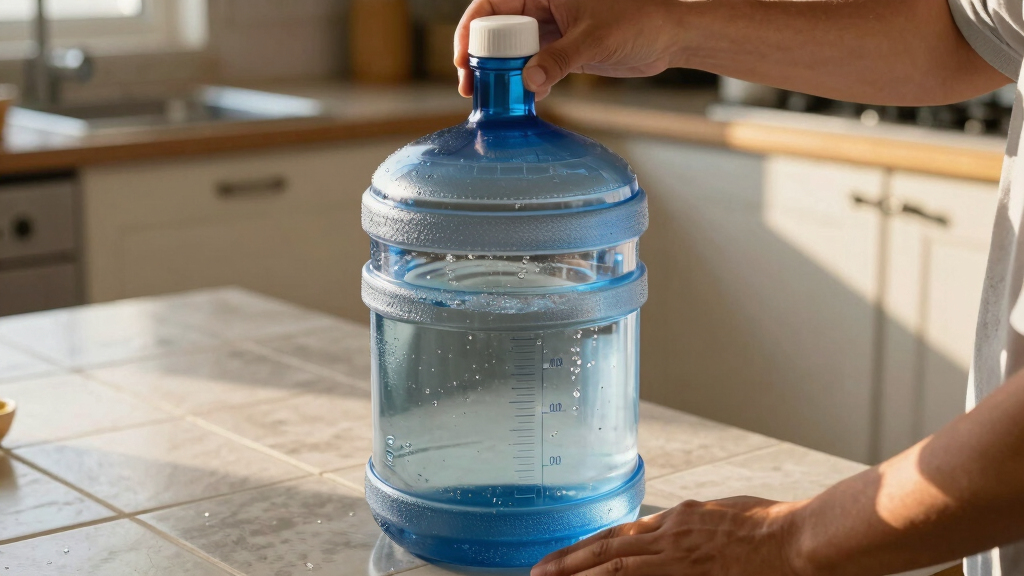
When it comes to preparing for emergencies, having a reliable water storage solution is essential. The WaterBOB Bathtub Storage Bladder stands out as the best overall choice, offering up to 100 gallons of water in a flexible, easy-to-use bag. For those seeking a more straightforward, stackable option, the WaterPrepared 55-Gallon Tank provides durability and convenience. However, tradeoffs exist between capacity, ease of use, and longevity, making it important to choose based on your specific needs. Keep reading for a detailed breakdown of these options and more to find the best fit for your emergency plan.

Get backup power and energy gear delivered free with Prime
- Fast, free delivery on millions of items
- Prime Video, Amazon Music and more included
- Member-only deals all year
Key Takeaways
- Capacity varies widely, with options from 5 gallons to 100 gallons, influencing how much water you can store initially.
- Materials like BPA-free plastic and food-grade liners are common, prioritizing safety but sometimes at higher cost.
- Foldable and stackable designs save space but may not be as durable as rigid tanks over long-term use.
- Ease of use, such as built-in spigots and portability features, greatly impacts how quickly you can access stored water.
- Price points differ significantly; balancing cost with capacity and durability is key to making a smart investment.
| Water Storage Bladder – 100 Gallon Emergency Water Container for Survival, BPA-Free, Food Grade |  | Best Overall for Large-Scale Home Emergency Water Storage | Capacity: 100 gallons | Material: Food-grade, BPA-free | Setup Time: 60 seconds | VIEW LATEST PRICE | See Our Full Breakdown |
| WaterPrepared 55 Gallon Stackable Plastic Water Storage Tank with Spigots, Blue |  | Best Value for Space-Saving, Long-Term Water Storage | Capacity: 55 gallons | Material: BPA-Free HDPE | Color: Blue | VIEW LATEST PRICE | See Our Full Breakdown |
| 55 Gallon Water Preserver Concentrate for Emergency Water Storage |  | Best for Chemical Preservation of Emergency Water Supplies | Volume: 55 gallons | Application: Water preservation for emergency preparedness | Shelf Life: Use within 1 year of manufacturing | VIEW LATEST PRICE | See Our Full Breakdown |
| 5 Gallon Water Jug, BPA-Free Portable Water Dispenser with Spigot for Camping and Emergency Use |  | Best Compact Portable Container for Short-Term Emergency Needs | Capacity: 5 gallons | Material: PE (food-grade, BPA-free) | Weight: 2.2 lbs | VIEW LATEST PRICE | See Our Full Breakdown |
| waterBOB Bathtub Emergency Water Storage Bladder Up To 100 Gallon Capacity with Hand Pump |  | Best Overall for Built-in Home Use | Capacity: Up to 100 gallons | Material: Food-grade BPA-free plastic | Liner lifespan: Up to 16 weeks | VIEW LATEST PRICE | See Our Full Breakdown |
| 3 Pack 40 Gallon Water Storage Bladders, BPA-Free, Foldable and Reusable |  | Best for Portability and Versatile Use | Capacity: 40 gallons each | Material: Food-grade plastic | BPA-Free: Yes | VIEW LATEST PRICE | See Our Full Breakdown |
| Godwolf 100 Gallon Bathtub Drinking Water Bladder, Emergency Water Storage Bag, BPA Free |  | Best for Large Family Emergency Needs | Capacity: 100 gallons | Material: High-quality LLDPE | Weight: 1 pound | VIEW LATEST PRICE | See Our Full Breakdown |
More Details on Our Top Picks
Water Storage Bladder – 100 Gallon Emergency Water Container for Survival, BPA-Free, Food Grade
This 100-gallon BPA-free water bladder stands out for its massive capacity, making it ideal for families who want to ensure ample water supply during prolonged emergencies. Its flexible, foldable design is a major advantage over rigid tanks like the WaterPrepared 55 Gallon Tank, offering easier storage when not in use. However, its dependence on a standard bathtub for setup and bulkiness when filled are notable tradeoffs. Compared to smaller containers, this model provides peace of mind with its large volume, but it’s less portable and requires sufficient space for filling and placement. Its quick setup time and food-grade materials enhance safety and convenience for off-grid or disaster scenarios.
Pros:- Massive 100-gallon capacity suitable for family needs
- Made from safe, BPA-free, food-grade materials
- Easy and quick to set up without tools
- Versatile for outdoor, camping, or emergency use
Cons:- Requires a standard bathtub or similar large basin for optimal setup
- Bulkiness limits portability when fully filled
- Dependent on external water source for filling
Best for: Large families or homesteaders needing high-volume storage with quick deployment
Not ideal for: Individuals with limited space or those seeking a portable, lightweight solution
- Capacity:100 gallons
- Material:Food-grade, BPA-free
- Setup Time:60 seconds
- Included:Siphon pump
Bottom line: This bladder is best for households seeking high-volume water storage with quick setup, despite its bulkiness and setup limitations.
WaterPrepared 55 Gallon Stackable Plastic Water Storage Tank with Spigots, Blue
Compared with the larger bladder, the WaterPrepared 55 Gallon Tank offers a durable, stackable solution that saves space and provides reliable long-term storage. Its built-in spigots facilitate easy dispensing, making it a solid choice for outdoor or indoor setups. While its 55-gallon capacity is less than the bladder’s, it’s a practical option for those with limited space who need a sturdy, reusable tank. The lack of precise dimensions can complicate space planning, and its weight when full may require assistance moving. Still, its UV-proof, food-grade HDPE construction offers peace of mind for long-term emergency preparedness.
Pros:- Space-saving, stackable design for efficient storage
- Made from durable, UV-proof, food-grade HDPE
- Includes spigots for easy dispensing
- Suitable for outdoor and indoor use
Cons:- No specific dimensions provided, requiring space planning
- Heavy when full, may need assistance to move
- Limited info on hose compatibility
Best for: Preppers and outdoor enthusiasts needing a durable, space-efficient tank
Not ideal for: Small households or those requiring very high water volume without stacking options
- Capacity:55 gallons
- Material:BPA-Free HDPE
- Color:Blue
- Includes:Spigots and utility valves
- Stackable:Yes
Bottom line: This tank offers a reliable, space-efficient long-term storage option, especially suited for those with stacking needs and outdoor use cases.
55 Gallon Water Preserver Concentrate for Emergency Water Storage
The Water Preserver Concentrate offers a chemical solution to maintain water safety over time, an excellent addition to long-term emergency kits. It ensures drinking water remains potable for up to a year when used correctly, surpassing simple storage options that rely solely on physical containers. Its main limitation lies in the need to use it within a year, which demands timely planning and tracking. Compared to bulk storage like the WaterPrepared tank, this product focuses on water safety rather than volume, making it ideal for backup supplies rather than primary storage.
Pros:- Ensures safe drinking water during extended emergencies
- Long shelf life when used within 1 year of manufacturing
- Suitable for disaster preparedness kits
Cons:- Requires timely use within the expiration date
- Limited information on concentration and application instructions
- Does not provide volume storage itself
Best for: Preppers focused on maintaining water quality over extended periods
Not ideal for: Those needing immediate or large-volume water access without chemical treatment
- Volume:55 gallons
- Application:Water preservation for emergency preparedness
- Shelf Life:Use within 1 year of manufacturing
Bottom line: This water preserver is best for preppers prioritizing long-term water safety over volume, with the caveat of strict usage timelines.
5 Gallon Water Jug, BPA-Free Portable Water Dispenser with Spigot for Camping and Emergency Use
The 5-Gallon Water Jug offers a convenient, lightweight solution for outdoor activities and short-term emergencies. Its BPA-free construction and leak-proof spigot provide safe drinking water, while the ergonomic handles make it easy to carry. Compared with larger tanks, this jug is much more manageable and portable, perfect for camping or as a backup in a small household. The main tradeoff is its limited capacity, which may require multiple units for larger families or prolonged emergencies. Its wide mouth simplifies cleaning but requires careful handling to prevent tipping, especially when fully filled.
Pros:- Made from safe, BPA-free materials
- Leak-resistant, adjustable spigot
- Ergonomic handles for easy transportation
- Wide mouth for cleaning and filling
Cons:- Limited to 5 gallons, not suitable for large-volume needs
- Lightweight design can tip over easily if not careful
- Spigot may require maintenance over time
Best for: Campers, hikers, or small households needing portable, immediate water access
Not ideal for: Large families or those requiring sustained, high-volume water storage
- Capacity:5 gallons
- Material:PE (food-grade, BPA-free)
- Weight:2.2 lbs
- Spigot:Adjustable, leak-proof
- Mouth Diameter:3.6 inches
- Includes:Cleaning brush, extension tube, storage bag
Bottom line: This jug is ideal for short-term, portable water needs, especially for outdoor use or small-scale emergencies.
waterBOB Bathtub Emergency Water Storage Bladder Up To 100 Gallon Capacity with Hand Pump
The waterBOB stands out as the best overall choice for those who want a straightforward, integrated water storage solution within their existing bathroom setup. Its large 100-gallon capacity makes it ideal for long-term emergencies, surpassing smaller options like the 40-gallon bladders. Unlike portable containers, the waterBOB’s sealed liner and food-grade materials ensure water stays fresh for up to 16 weeks, providing peace of mind. The setup is simple, taking about 20 minutes without tools, which is much faster than some bulkier tanks. However, it’s designed specifically for standard bathtubs, so it isn’t portable, and it requires space in your bathroom for installation. Despite these limitations, it offers a reliable, contained system for families relying on their home plumbing.
Pros:- Large 100-gallon capacity for extended water needs
- Easy, tool-free setup in about 20 minutes
- Includes a hand pump for convenient water access
- Food-grade, BPA-free liner ensures water safety
Cons:- Limited portability due to design for bathtubs
- Requires space in the bathroom for setup
- Dependent on household plumbing for filling
Best for: Homeowners who want a large, integrated emergency water supply that requires minimal setup
Not ideal for: Renters or individuals with small bathrooms where space is limited, since it depends on a standard bathtub
- Capacity:Up to 100 gallons
- Material:Food-grade BPA-free plastic
- Liner lifespan:Up to 16 weeks
- Setup time:Approximately 20 minutes
- Included accessories:Siphon hand pump
Bottom line: This option is best for homeowners seeking a large, permanent water storage solution integrated into their bathroom.
3 Pack 40 Gallon Water Storage Bladders, BPA-Free, Foldable and Reusable
The 3-pack of 40-gallon bladders offers a flexible solution for those who want to store water in multiple locations or need easy transport. Compared to the large, fixed waterBOB, these foldable bladders excel in portability, perfect for camping, gardening, or supplementing home storage. Their lightweight design allows for quick setup and take-down, making them suitable for temporary or mobile needs. The inclusion of a siphon pump simplifies transferring water, although the foldable material can be less durable if mishandled or stored improperly. They require space when filled, which might be a challenge for limited storage areas. These are ideal for users prioritizing flexibility over permanence.
Pros:- Large 40-gallon capacity per bladder
- Foldable and lightweight for easy transport
- Includes siphon pump for simple transfer
- Made from BPA-free, food-grade materials
Cons:- Requires space for storage when filled
- Durability depends on handling
- Less suitable for high-temperature environments
Best for: Individuals seeking portable, multi-use water storage for camping, gardening, or emergency prep
Not ideal for: Those needing high-capacity, permanent storage solutions in fixed locations
- Capacity:40 gallons each
- Material:Food-grade plastic
- BPA-Free:Yes
- Number of Packs:3
- Included Accessories:Siphon pump
Bottom line: This set is perfect for users who need portable, versatile water storage options for various outdoor or emergency applications.
Godwolf 100 Gallon Bathtub Drinking Water Bladder, Emergency Water Storage Bag, BPA Free
The Godwolf 100-gallon bladder offers a sizable capacity suitable for families or groups who want a quick, portable solution for emergency water storage. Its design for use in standard bathtubs makes setup straightforward, comparable to the waterBOB but with a slightly lighter weight and a shorter water shelf life of about 8 weeks. Made from BPA-free, high-quality LLDPE, it ensures safe drinking water, though its limited lifespan means it’s less ideal for long-term storage. The manual pump provides easy access but can require effort if used frequently. Overall, this bladder is a practical choice for temporary, large-volume storage in emergencies, especially for those prioritizing ease of setup and safety.
Pros:- Large 100-gallon capacity for family needs
- Made from BPA-free, food-grade materials
- Portable and easy to set up in less than 20 minutes
- Keeps water clean and protected from contamination
Cons:- Limited to bathtub or similar environments
- Water shelf life is shorter at about 8 weeks
- Manual pump may require effort for frequent use
Best for: Families needing a large, quick-to-implement emergency water solution in their bathtub
Not ideal for: Individuals looking for long-term water storage solutions exceeding 8 weeks or needing portability outside a bathtub
- Capacity:100 gallons
- Material:High-quality LLDPE
- Weight:1 pound
- Water Duration:Up to 8 weeks
- Application:Fits in standard bathtub
Bottom line: This bladder suits families seeking a large, reliable emergency water supply that can be quickly deployed in their bathtub.
How We Picked
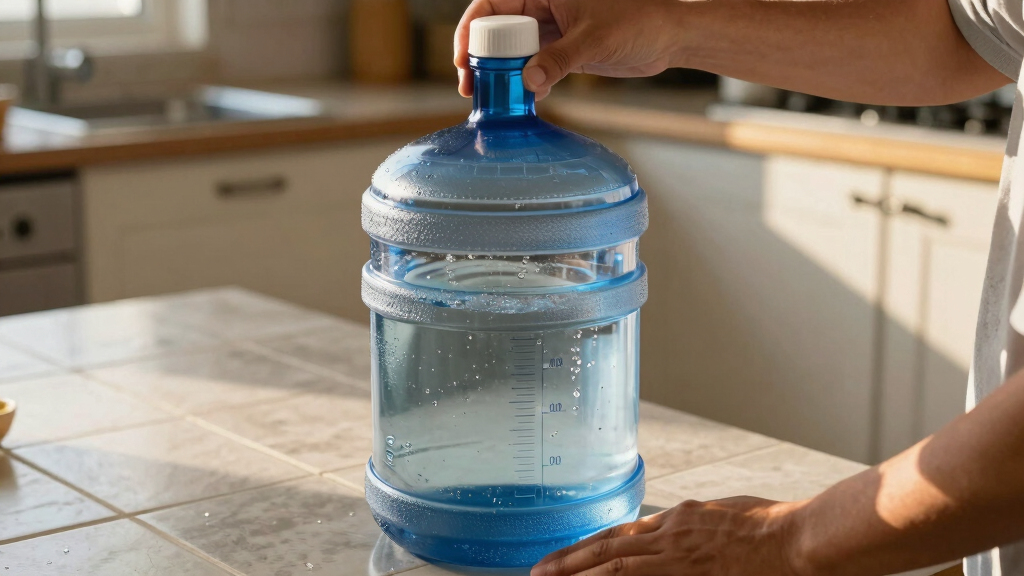
These products were evaluated based on capacity, material safety, ease of setup and use, durability, and overall value. We prioritized options that combine reliability with affordability, ensuring they are suitable for emergency preparedness. The ranking reflects a balance between size, safety features, and practicality, with top picks offering a mix of convenience and capacity. Items that required complex setup or lacked safety certifications were ranked lower, as ease of use and safety are critical in emergency situations.Factors to Consider When Choosing Best Water Storage Containers For Emergency Home Use
Choosing the right water storage container involves considering several important factors beyond just capacity. The material safety, ease of access, space requirements, and durability all play vital roles in ensuring your stored water remains safe and usable during an emergency. Making the wrong choice can lead to water contamination, storage issues, or difficulty accessing water quickly when it’s most needed. Here are key considerations to help you select the best container for your home emergency kit.Capacity and Future Storage Needs
Start by estimating how much water your household needs for a short-term or long-term emergency. Larger containers like 55 or 100 gallons provide more water but take up significant space and may be less practical for small homes or apartments. Smaller options, such as 5-10 gallons, are more manageable but may require multiple units to meet your needs. Consider your storage space and how often you’ll need to refill or rotate your supplies to avoid stagnation or contamination.
Material Safety and Durability
Look for containers made from BPA-free, food-grade plastics to prevent chemical leaching into your water. Rigid tanks tend to last longer and resist punctures, but foldable bladders save space and are easier to store. Check for UV resistance if you plan to keep containers in sunlight, as prolonged exposure can degrade some plastics. Durability matters because a compromised container could lead to leaks or water contamination during a crisis.
Ease of Use and Accessibility
Features like built-in spigots, handles, and lightweight designs make a significant difference when you need water quickly. Containers with easy-to-open lids and clear instructions improve usability, especially under stress. Consider how you’ll transport and access your stored water—flexible bags or stackable tanks can simplify storage but may require additional setup or maintenance. Think about your physical capabilities and whether you prefer ready-to-use units or ones that need assembly.
Storage Space and Setup
Assess your available space carefully; some large tanks need dedicated areas, while collapsible options can fit into small closets or cabinets. Think about whether you want a permanent installation or something portable that can be moved if needed. Proper placement also involves considering stability and potential exposure to sunlight or temperature extremes, which can affect water quality over time.
Price and Long-Term Value
Higher-capacity or specialized containers often cost more but may offer better longevity or safety features. Balance your budget with the expected lifespan, ease of maintenance, and capacity. Investing in a durable, high-quality container can save money and hassle in the long run by reducing the need for replacements or repairs. Cheap options might seem attractive initially but may not withstand harsh conditions or prolonged storage.
Maintenance and Water Quality
Regular cleaning and inspection are necessary to keep stored water safe. Choose containers that are easy to disassemble and clean thoroughly. Consider whether your unit allows for disinfecting and if replacement parts like spigots are readily available. Proper maintenance ensures your water remains potable and ready for use during emergencies.
Frequently Asked Questions
How long can I store water safely in these containers?
Most water storage containers are designed to keep water safe for about six months to a year when stored properly. However, this can vary depending on the material and storage conditions. Regularly rotating your stored water or using water preservative solutions can extend the shelf life. Always inspect your containers for leaks or contamination before use, especially if stored for longer periods.
Are foldable water bladders as reliable as rigid tanks?
Foldable water bladders are excellent for saving space and are lightweight, making them ideal for temporary or limited storage situations. However, they tend to be less durable and more prone to punctures or leaks over time compared to rigid tanks. For long-term storage or high-traffic use, rigid tanks typically provide a more secure and resilient option. Choose foldable options if space and portability are your top priorities.
Can I use regular water from the tap for storage?
Tap water is generally safe for storage if it is potable and stored in a clean, food-grade container. However, it’s advisable to treat or disinfect the water if stored for extended periods, especially in areas with questionable water quality. Using water preservatives or adding a small amount of household bleach can help prevent bacterial growth. Always follow safety guidelines for disinfection to ensure your stored water remains safe.
What is the best way to clean and maintain my water storage containers?
Cleaning involves thoroughly rinsing the containers with potable water and a mild dish soap, followed by disinfecting with a solution of water and household bleach. Use a brush or sponge to scrub the interior, paying attention to corners and seals. Rinse thoroughly to remove any residue, and allow the container to air dry before refilling. Regular inspections for cracks or leaks will help maintain water quality and prevent contamination.
Should I store water containers indoors or outdoors?
Storing water containers indoors generally prevents exposure to sunlight, temperature fluctuations, and environmental contaminants, helping maintain water quality. However, if space is limited, outdoor storage is possible provided the containers are UV-resistant and protected from extreme weather. Avoid outdoor storage in areas prone to freezing or high heat, as temperature extremes can degrade materials or promote bacterial growth. Always choose a safe, stable location that minimizes risk of damage or contamination.
Conclusion
For general emergency preparedness, the WaterBOB Bathtub Storage Bladder offers an excellent balance of capacity and ease of use, making it ideal for most households. Those prioritizing value can consider stackable or foldable options like the WaterPrepared 55-Gallon Tank. If you seek long-term durability and safety, investing in higher-end, BPA-free rigid tanks or premium bladders is worthwhile. Beginners should focus on simple, ready-to-use containers, while households with specific space or capacity needs may prefer larger or more flexible options. Overall, choose based on your storage space, budget, and emergency preparedness goals.Halloween Picks
halloween
As an affiliate, we earn on qualifying purchases.