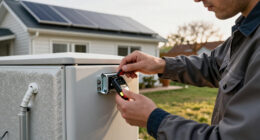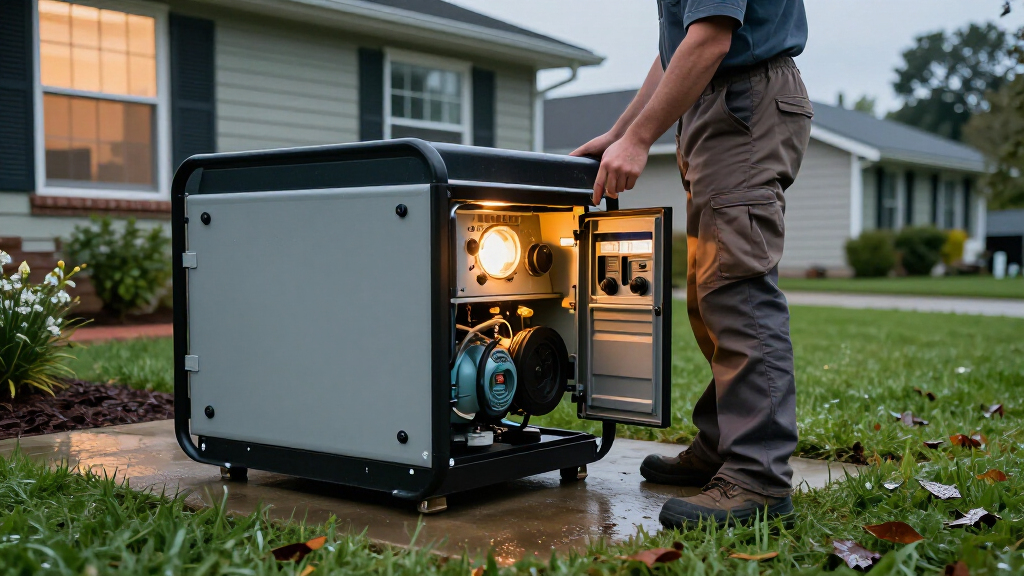
Home standby generators can restore power automatically, but the right choice depends on how much of your home you need to run and how you plan to fuel it. My best overall pick is the Generac 22kW Whole Home Generator with Transfer Switch & Cellular Capability, which combines substantial capacity with an included transfer switch and remote monitoring. The Honeywell 14kW stands out for buyers seeking a mid-capacity standby system with a weather-resistant enclosure, while the Champion 14kW offers another automatic-transfer-switch option. The main tradeoffs are capacity versus installation demands, and a complete standby setup versus the flexibility and manual setup of portable models. Read on for the full comparison and advice on matching a generator to your home.

Get backup power and energy gear delivered free with Prime
- Fast, free delivery on millions of items
- Prime Video, Amazon Music and more included
- Member-only deals all year
Complete the kit

Key Takeaways
- The 22kW Generac package is my best overall pick: it pairs a higher-capacity standby generator with a transfer switch and cellular monitoring, reducing the need to assemble key system components separately.
- Generac’s 14kW models are the clearest middle ground: they offer several ways to buy the same general capacity, so check whether the specific package includes a transfer switch rather than assuming every listing does.
- The Honeywell and Champion 14kW systems broaden the choice: Honeywell lists a weather-resistant enclosure and installation pad, while Champion includes an automatic transfer switch.
- The 24kW and 26kW Generac systems are capacity-first choices: they may suit larger or more demanding loads, but higher output alone does not determine whether a home can support the installation.
- The two Westinghouse units are portable, not automatic standby systems: their dual- or tri-fuel flexibility can suit buyers who accept outdoor placement and hands-on setup during an outage.
| Generac 10kW Whole Home Generator with Cellular Capability |  | Best for Remote Monitoring in a Smaller Standby System | Output wattage: 10,000 watts | Fuel type: Natural gas | Recommended use: Residential | VIEW LATEST PRICE | See Our Full Breakdown |
| Honeywell 14kW Home Standby Generator – Automatic Backup Power for Whole Home – Natural Gas or Propane – Weather-Resistant Enclosure – Installation Pad Included |  | Best for Flexible Fuel Choice | Output wattage: 14,000 watts | Fuel type: Natural gas or propane | Engine type: Internal combustion engine | VIEW LATEST PRICE | See Our Full Breakdown |
| Westinghouse 12500 Watt Dual Fuel Portable Generator with Remote Electric Start |  | Best Portable Backup Alternative | Starting wattage: 12,500 watts | Running output: 9,500 watts | Fuel type: Gasoline or propane | VIEW LATEST PRICE | See Our Full Breakdown |
| Generac 22kW Whole Home Generator, Transfer Switch & Cellular Capability |  | Best for Higher-Capacity Whole-Home Backup | Output wattage: 22,000 watts | Recommended use: Residential | Voltage: 240 volts | VIEW LATEST PRICE | See Our Full Breakdown |
| Generac 10kW Whole Home Generator with Transfer Switch & Cellular Capability |  | Best 10kW Standby Package | Output wattage: 10,000 watts | Starting wattage: 10,000 watts | Running wattage: 10,000 watts | VIEW LATEST PRICE | See Our Full Breakdown |
| Generac 14kW Whole Home Generator with Cellular Capability |  | Best for Connected, Mid-Size Backup | Voltage: 240 volts | Fuel: Fuel powered; dual-fuel options stated in product description | Frequency: 60 hertz | VIEW LATEST PRICE | See Our Full Breakdown |
| Generac 24kW Whole Home Generator, Transfer Switch & Cellular Capability | | Best for Higher Household Loads | Voltage: 240 volts | Fuel: Natural gas or LP | Transfer switch: Included | VIEW LATEST PRICE | See Our Full Breakdown |
| Generac Guardian 22kW Home Generator, Transfer Switch & WiFi Monitoring |  | Best for Wi-Fi Monitoring | Fuel: Natural gas or LP gas | Voltage: 240 volts | Engine: Generac G-Force 1000 Series, 999 cc | VIEW LATEST PRICE | See Our Full Breakdown |
| Champion Power Equipment 14kW Home Standby Generator System with Automatic Transfer Switch |  | Best Warranty Coverage | Fuel: Propane (LPG) or natural gas (NG) | Voltage: 24 volts, as listed | Frequency: 50 hertz, as listed | VIEW LATEST PRICE | See Our Full Breakdown |
| Generac 22kW Whole Home Generator with Cellular Capability | | Best for Cellular 22kW Backup | Voltage: 240 volts | Fuel: Fuel powered | Monitoring: Cellular; subscription required | VIEW LATEST PRICE | See Our Full Breakdown |
| Westinghouse 14500 Peak Watt Tri-Fuel Portable Generator with Remote Electric Start and Transfer Switch |  | Best Portable, Multi-Fuel Backup | Starting wattage: 14,500 watts | Running wattage: 11,500 watts | Fuel types: Gasoline, liquefied petroleum gas, natural gas | VIEW LATEST PRICE | See Our Full Breakdown |
| Generac 26kW Whole Home Generator, Transfer Switch & Cellular Capability | | Best for High-Demand Whole-Home Backup | Voltage: 240 volts | Fuel connection: LP or natural gas | Weight: 524 pounds | VIEW LATEST PRICE | See Our Full Breakdown |
| Generac 14kW Whole Home Generator, Transfer Switch & Cellular Capability | | Best for Essential Home Loads | Voltage: 240 volts | Weight: 391 pounds | Dimensions: 46.4 × 26.3 × 30.7 inches | VIEW LATEST PRICE | See Our Full Breakdown |
| home standby generator | Voltage | Dimensions | Weight | Warranty |
|---|---|---|---|---|
| Generac 10kW Whole Home Genera | 120 volts | 46.3 x 24.6 x 30.7 inches | 344 pounds | 5 years |
| Honeywell 14kW Home Standby Ge | 120 volts | 48 x 25 x 29 inches | — | 3-year limited |
| Westinghouse 12500 Watt Dual F | — | — | — | — |
| Generac 22kW Whole Home Genera | 240 volts | 46.4 x 26.3 x 30.7 inches | 451 pounds | 5-year limited |
| Generac 10kW Whole Home Genera | 120 volts | 47.3 x 25.6 x 30.7 inches | 384 pounds | 5-year limited |
| Generac 14kW Whole Home Genera | 240 volts | 46.4 × 26.3 × 30.7 inches | 391 pounds | — |
| Generac 24kW Whole Home Genera | 240 volts | 46.4 × 26.3 × 30.7 inches | 461 pounds | 5 years |
| Generac Guardian 22kW Home Gen | 240 volts | 50 × 27 × 29 inches | 466 pounds | 5-year limited warranty |
| Champion Power Equipment 14kW | 24 volts, as listed | 52 × 32.1 × 52.1 inches | 482 pounds | 10-year limited generator warranty; 2-year transfer switch warranty |
| Generac 22kW Whole Home Genera | 240 volts | 46.4 × 26.3 × 30.7 inches | 451 pounds | — |
| Westinghouse 14500 Peak Watt T | 240 volts | — | — | 3-year limited |
| Generac 26kW Whole Home Genera | 240 volts | 46.4 × 26.3 × 30.7 inches | 524 pounds | — |
| Generac 14kW Whole Home Genera | 240 volts | 46.4 × 26.3 × 30.7 inches | 391 pounds | Manufacturer warranty available upon request |
More Details on Our Top Picks
Generac 10kW Whole Home Generator with Cellular Capability
This 10kW Generac suits homeowners who want an automatically starting, permanently installed backup system but do not need the greater output of the Generac 22kW Whole Home Generator. Its cellular connectivity lets owners check system status remotely through the Mobile Link app, a useful distinction for people who travel or have a second home. The natural-gas specification keeps it oriented toward a fixed residential setup rather than portable, tank-fed backup; the supplied data also lists propane as a limitation of the broader fuel options, so confirm the exact configuration before purchase. At 344 pounds, it is still a substantial installation, and professional site preparation may be needed. Mobile Link premium features require a subscription, and 10kW gives less headroom for simultaneous large loads than the 22kW model.
Pros:- Automatic standby operation provides backup without manually wheeling out a generator
- Cellular monitoring supports remote system-status checks
- Aluminum enclosure and stated cold-start and weather-protection features suit outdoor installation
- Five-year warranty offers a longer stated coverage period than the Honeywell 14kW model’s three-year limited warranty
Cons:- 10,000 watts offers less load capacity than the 14kW Honeywell and 22kW Generac
- Mobile Link premium service requires a subscription
- Heavy, fixed-installation equipment may call for professional installation and site preparation
Best for: Homeowners with a natural-gas connection who want automatic backup for a smaller home and remote status checks while away
Not ideal for: Households expecting to run several large appliances and heating or cooling equipment at once, or buyers who do not want a cellular-service subscription
- Output wattage:10,000 watts
- Fuel type:Natural gas
- Recommended use:Residential
- Voltage:120 volts
- Weight:344 pounds
- Dimensions:46.3 x 24.6 x 30.7 inches
- Material:Aluminum
- Warranty:5 years
Our verdict“Choose this Generac if you want a remotely monitored, 10kW automatic standby system and can work within its installation and subscription requirements.”
Honeywell 14kW Home Standby Generator – Automatic Backup Power for Whole Home – Natural Gas or Propane – Weather-Resistant Enclosure – Installation Pad Included
The Honeywell 14kW is the more adaptable fixed-installation choice for buyers deciding between natural gas and propane. That flexibility can matter when a property lacks a gas connection or the owner prefers stored fuel. Its included installation pad is a practical addition, though it does not remove the need to plan the electrical connection and installation site. Against the 10kW Generac, this model supplies 4,000 more watts, giving a household more room to run multiple circuits; the 22kW Generac remains the stronger fit for homes with heavier simultaneous loads. Honeywell specifies an aluminum weather-resistant enclosure and automatic shutdown and short-circuit protection. The tradeoff is its three-year limited warranty, shorter than the five-year coverage listed for both Generac models here, plus its large footprint and likely need for professional installation.
Pros:- Runs on either natural gas or propane
- 14,000-watt output exceeds the 10kW Generac models in this group
- Installation pad is included
- Weather-resistant aluminum enclosure and listed short-circuit protection
Cons:- Three-year limited warranty is shorter than the five-year Generac warranties listed here
- Large dimensions require sufficient outdoor installation space
- Professional installation may still be needed despite the included pad
Best for: Homeowners who need a permanently installed 14kW system and want to choose between a natural-gas line and propane
Not ideal for: Buyers seeking higher output for a large home or a longer stated warranty, or anyone without room for a fixed generator installation
- Output wattage:14,000 watts
- Fuel type:Natural gas or propane
- Engine type:Internal combustion engine
- Voltage:120 volts
- Frequency:60 hertz
- Outlets:16
- Dimensions:48 x 25 x 29 inches
- Enclosure material:Aluminum
- Warranty:3-year limited
Our verdict“Pick the Honeywell if fuel flexibility and a middle-ground 14kW capacity matter more to you than the longer warranty or higher output of the Generac alternatives.”
Westinghouse 12500 Watt Dual Fuel Portable Generator with Remote Electric Start
This Westinghouse is the lineup’s portable alternative, not a direct replacement for an automatically starting home standby unit. Its 9,500-watt running output and gasoline-or-propane operation can support substantial outage loads, while the remote electric start makes startup more convenient than a pull-start-only design. Unlike the Generac 10kW and Honeywell 14kW, it is not described as an automatic, permanently installed system: a homeowner must manage the fuel, placement, and connection during an outage. The stated 12-hour runtime applies to a full tank, so extended outages still require refueling. This pick makes sense for people who value portability and multiple outlets, or want a unit useful at a job site too. Its 457cc engine and bulky build are less appealing if a hands-off, whole-home standby setup is the priority.
Pros:- Dual-fuel operation offers gasoline and propane flexibility
- Remote electric start simplifies startup
- Up to 12 hours of stated runtime on a full tank
- Six outlets and transfer-switch-ready capability support several connection needs
Cons:- Does not provide the automatic operation of the Generac and Honeywell standby models
- Portable design still requires manual placement, fuel management, and outage setup
- Heavy, bulky construction makes transport and storage less convenient
Best for: Homeowners who want a portable generator for outage backup and job-site use, with gasoline and propane as fuel choices
Not ideal for: Buyers who want automatic backup without manual setup, or a permanently installed system that starts when utility power fails
- Starting wattage:12,500 watts
- Running output:9,500 watts
- Fuel type:Gasoline or propane
- Tank volume:6.6 gallons
- Engine displacement:457 cc
- Outlets:6
- Stated runtime:Up to 12 hours
- Frequency:60 hertz
Our verdict“Choose this Westinghouse if portable, dual-fuel backup is more useful to you than the automatic operation of a true home standby generator.”
Generac 22kW Whole Home Generator, Transfer Switch & Cellular Capability
At 22,000 watts, this Generac is the capacity-focused pick in this group, suited to buyers who need more than the 10kW Generac or 14kW Honeywell can provide. Its whole-home positioning and included transfer switch are aimed at a more complete fixed backup setup, while cellular monitoring lets owners check system status remotely. The added output can give larger households more flexibility when several systems need power together, though actual coverage depends on the home’s loads and installation design. That extra capacity comes with a heavier 451-pound unit and a larger installation footprint than the 10kW options. Cellular monitoring also has a subscription requirement. For a smaller home with modest backup needs, this model may be more generator than necessary; buyers focused on limiting installation demands may prefer the lower-output Generac instead.
Pros:- 22,000-watt output is substantially higher than the 10kW and 14kW options in this group
- Transfer switch is included
- Cellular connectivity enables remote monitoring
- Five-year limited warranty is stated
Cons:- 451-pound weight can make delivery and installation more involved
- Larger capacity may be unnecessary for smaller homes with limited backup loads
- Remote monitoring requires a cellular subscription
Best for: Owners of larger homes who want a higher-output automatic standby generator, a transfer switch, and remote cellular monitoring
Not ideal for: Households with modest backup loads, limited installation space, or no interest in paying for cellular monitoring service
- Output wattage:22,000 watts
- Recommended use:Residential
- Voltage:240 volts
- Weight:451 pounds
- Dimensions:46.4 x 26.3 x 30.7 inches
- Materials:Aluminum and steel
- Connectivity:Cellular monitoring
- Warranty:5-year limited
Our verdict“Choose this 22kW Generac when your home’s backup load calls for more capacity than the 10kW and 14kW alternatives provide.”
Generac 10kW Whole Home Generator with Transfer Switch & Cellular Capability
This 10kW Generac is a good fit for buyers who want the transfer switch included alongside automatic backup and cellular monitoring. Compared with the other 10kW Generac in this batch, it explicitly lists both natural gas and liquefied petroleum gas, giving homeowners more fuel flexibility. Its 10,000-watt output is still far below the 22kW Generac, so it better suits a planned set of essential circuits than a home with many large loads running at once. Mobile Link remote features require a subscription, and the listed 384-pound weight makes this a professional-installation candidate rather than an easy DIY setup. The transfer switch is a useful package advantage, but buyers should confirm the switch’s configuration and installation scope before choosing it over the 14kW Honeywell or higher-capacity Generac.
Pros:- Transfer switch is included in the product package
- Lists both natural gas and liquefied petroleum gas
- Cellular monitoring and control are supported
- Five-year limited warranty is stated
Cons:- 10,000-watt output is substantially lower than the 22kW Generac
- At 384 pounds, installation and support requirements may be significant
- Premium Mobile Link features require a subscription
Best for: Homeowners who want a 10kW automatic standby system with a transfer switch and the option of natural gas or propane
Not ideal for: Large households that need higher simultaneous output, or buyers seeking remote monitoring without an ongoing cellular-service cost
- Output wattage:10,000 watts
- Starting wattage:10,000 watts
- Running wattage:10,000 watts
- Fuel type:Liquefied petroleum gas or natural gas
- Voltage:120 volts
- Frequency:60 hertz
- Weight:384 pounds
- Dimensions:47.3 x 25.6 x 30.7 inches
- Warranty:5-year limited
Our verdict“Pick this package if you want a 10kW standby system with a transfer switch and two listed fuel options, but not the greater capacity of the 22kW model.”
Generac 14kW Whole Home Generator with Cellular Capability
I’d shortlist this 14kW Generac for homeowners who want automatic backup and remote status checks without stepping up to a 22kW or 24kW unit. Its cellular monitoring can help you keep tabs on generator status when home internet is unavailable, though remote monitoring requires a subscription. The listed compatibility with Generac’s PWRcell and smart thermostat ecosystem may also suit a home already built around those products.
Compared with the Generac 22kW Whole Home Generator with Cellular Capability, this model offers less stated output, so buyers with larger electrical loads should check their load calculation before choosing it. Its 391-pound weight and professional installation needs also make it a fixed home system, not a simple plug-in backup. I’d pick it for connected monitoring and a more modest capacity target, not for maximum whole-home headroom.
Pros:- Automatic backup is designed to restore power during an outage.
- Cellular connectivity supports remote monitoring and control.
- Compatible with Generac PWRcell and smart thermostats.
- Long service intervals can reduce routine maintenance frequency.
Cons:- 14kW output provides less capacity than the listed Generac 22kW and 24kW options.
- Remote monitoring requires a cellular subscription.
- At 391 pounds, it calls for professional siting and installation.
Best for: Homeowners seeking automatic 14kW backup with cellular monitoring and existing Generac energy-management products.
Not ideal for: Homes with large simultaneous electrical loads, or buyers who do not want a cellular subscription or professional installation.
- Voltage:240 volts
- Fuel:Fuel powered; dual-fuel options stated in product description
- Frequency:60 hertz
- Weight:391 pounds
- Dimensions:46.4 × 26.3 × 30.7 inches
- Material:Stainless steel
Our verdict“Choose this Generac if 14kW fits your load plan and cellular monitoring matters more than the extra capacity of the 22kW model.”
Generac 24kW Whole Home Generator, Transfer Switch & Cellular Capability
This 24kW Generac is the strongest capacity choice in this five-product group, making it the better fit for households that need more electrical headroom than the 14kW options can provide. The included transfer switch and cellular capability make it a more complete standby package than the Generac 22kW model listed without a transfer switch. Automatic voltage regulation and low-oil shutdown add operating safeguards, while the five-year warranty is a useful ownership feature.
The tradeoff is scale: at 461 pounds, this is a permanently installed system that needs suitable fuel service and professional installation, not a low-commitment backup purchase. Compared with the 22kW Generac Guardian, it offers 2kW more stated output, but buyers should still have an electrician size the system against actual starting and running loads. I’d favor it when capacity and included switching matter more than a lighter, simpler setup.
Pros:- 24kW rated output provides the highest stated capacity among these five models.
- Transfer switch is included in the product listing.
- Cellular connectivity enables remote monitoring and control.
- Automatic voltage regulation, low-oil shutdown, and a five-year warranty are listed.
Cons:- Its 461-pound weight makes delivery and installation a professional job.
- Requires a natural gas or LP fuel supply.
- More capacity may be unnecessary for homes with smaller loads.
Best for: Households with larger electrical loads that want a high-capacity standby system, an included transfer switch, and cellular monitoring.
Not ideal for: Buyers with modest backup needs, limited installation space, or no access to a natural gas or LP fuel supply.
- Voltage:240 volts
- Fuel:Natural gas or LP
- Transfer switch:Included
- Weight:461 pounds
- Dimensions:46.4 × 26.3 × 30.7 inches
- Additional features:Automatic idle control, automatic voltage regulation, low-oil shutdown
- Warranty:5 years
Our verdict“Choose this package if your load calculation calls for more capacity than the 22kW and 14kW options and you want the transfer switch included.”
Generac Guardian 22kW Home Generator, Transfer Switch & WiFi Monitoring
The Generac Guardian 22kW suits homeowners who want substantial standby capacity and prefer Wi-Fi monitoring over a cellular connection. Its NEMA 3R outdoor transfer switch is designed for outdoor use, and the listed G-Force 1000 Series engine gives buyers an identified engine platform rather than an unspecified assembly. At 22kW, it offers more stated output than the 14kW Generac and Champion systems, while sitting below the 24kW Generac in this group.
That capacity comes with a large, heavy installation: the unit weighs 466 pounds and measures 50 inches long, so site planning and qualified electrical work are part of the purchase. Unlike the Generac 22kW cellular model, this Guardian lists Wi-Fi monitoring, which depends on a usable home network. I’d choose it when Wi-Fi is the preferred monitoring route and the included transfer switch fits the installation plan; buyers wanting cellular monitoring should compare the other Generac options.
Pros:- 22kW output exceeds the listed 14kW systems in this batch.
- Wi-Fi monitoring supports remote performance tracking.
- Outdoor NEMA 3R transfer switch is included.
- Five-year limited warranty is listed.
Cons:- Wi-Fi monitoring depends on a working network connection.
- The 466-pound unit needs professional handling and electrical installation.
- Its 50-inch length requires more site space than the smaller listed Generac enclosures.
Best for: Homeowners who need 22kW-class standby output, want an included outdoor transfer switch, and have dependable Wi-Fi at the installation site.
Not ideal for: Buyers without reliable Wi-Fi, those who want cellular monitoring, or households that can meet their needs with a smaller generator.
- Fuel:Natural gas or LP gas
- Voltage:240 volts
- Engine:Generac G-Force 1000 Series, 999 cc
- Transfer switch:Outdoor NEMA 3R transfer switch included
- Monitoring:Wi-Fi
- Weight:466 pounds
- Dimensions:50 × 27 × 29 inches
- Warranty:5-year limited warranty
Our verdict“Pick the Guardian if you want 22kW output with Wi-Fi monitoring and an included outdoor transfer switch, and your site can accommodate its size.”
Champion Power Equipment 14kW Home Standby Generator System with Automatic Transfer Switch
I’d put the Champion 14kW on the shortlist for buyers who value a long stated generator warranty and Wi-Fi control more than higher output. It runs on propane or natural gas and is listed with an automatic transfer switch, so it can serve as a permanently installed alternative to the smaller Generac 14kW. Champion also lists quiet operation at 62 dBA and operation in extreme temperatures without a cold-weather kit—useful details for homes where sound and winter readiness matter.
The capacity is still 14kW, well below the Generac 22kW and 24kW options, so it is not the choice for buyers seeking more headroom for concurrent loads. Its 482-pound weight and 52-inch dimensions also make installation a substantial undertaking. The supplied specifications list 50Hz and 24 volts, details buyers should confirm with the seller and installer for their intended residential setup. I’d choose it for its warranty and listed quiet operation, after verifying compatibility.
Pros:- Runs on either propane or natural gas.
- Automatic transfer switch and Wi-Fi-enabled controller are listed.
- 62 dBA quiet-operation figure is provided.
- Generator warranty is listed as 10 years, with lifetime technical support.
Cons:- 14kW output is substantially lower than the 22kW and 24kW Generac options.
- At 482 pounds and 52 inches long, it is a large, heavy installation.
- Listed 24-volt and 50Hz specifications merit confirmation for the intended residential system.
Best for: Homeowners who need a 14kW natural-gas or propane standby system and prioritize the listed long generator warranty, Wi-Fi control, and quiet operation.
Not ideal for: Households needing more than 14kW, buyers seeking a compact enclosure, or anyone who has not confirmed the listed electrical and frequency specifications suit their installation.
- Fuel:Propane (LPG) or natural gas (NG)
- Voltage:24 volts, as listed
- Frequency:50 hertz, as listed
- Transfer switch:Automatic transfer switch included
- Noise:62 dBA, as stated in product description
- Weight:482 pounds
- Dimensions:52 × 32.1 × 52.1 inches
- Warranty:10-year limited generator warranty; 2-year transfer switch warranty
Our verdict“Choose the Champion if 14kW meets your load needs and its warranty and quiet-operation claims outweigh the greater capacity of the Generac alternatives.”
Generac 22kW Whole Home Generator with Cellular Capability
This Generac 22kW is a strong middle ground for homeowners who need more stated capacity than the 14kW models but do not want to move up to the 24kW unit. Its cellular monitoring can provide remote status access without relying on the home Wi-Fi network, although the product description says a subscription is required. The fully enclosed aluminum-and-steel build, automatic voltage regulation, and low-oil shutdown are practical features for a fixed outdoor standby system.
Compared with the Generac Guardian 22kW, this listing emphasizes cellular rather than Wi-Fi monitoring, and its listed enclosure is shorter at 46.4 inches. It does not list a transfer switch, unlike the Guardian or the 24kW Generac package, so buyers should check exactly what is included before planning installation. At 451 pounds, it still needs professional handling. I’d select it for cellular access and 22kW output, not for the most complete bundled package.
Pros:- 22kW output provides more stated capacity than the 14kW options.
- Cellular monitoring supports remote access without relying on home Wi-Fi.
- Automatic voltage regulation and low-oil shutdown are listed.
- Fully enclosed aluminum-and-steel construction is specified.
Cons:- Cellular monitoring requires a subscription.
- The listing does not specify an included transfer switch.
- At 451 pounds, it requires professional installation and site planning.
Best for: Homeowners seeking 22kW standby capacity with cellular monitoring, especially where relying on the home Wi-Fi network is undesirable.
Not ideal for: Buyers who want a transfer switch clearly included, do not want a monitoring subscription, or need more output than 22kW.
- Voltage:240 volts
- Fuel:Fuel powered
- Monitoring:Cellular; subscription required
- Weight:451 pounds
- Dimensions:46.4 × 26.3 × 30.7 inches
- Materials:Aluminum and steel
- Additional features:Automatic voltage regulation, fuel-efficient design, fully enclosed construction, low-oil shutdown
Our verdict“Choose this model over the Wi-Fi Guardian if you want 22kW output with cellular monitoring, but verify transfer-switch inclusion before buying.”
Westinghouse 14500 Peak Watt Tri-Fuel Portable Generator with Remote Electric Start and Transfer Switch
The Westinghouse WGen11500TFc suits households that want substantial outage capacity without committing to a permanently installed standby system. Its tri-fuel operation lets owners use gasoline, propane, or natural gas, giving it more fuel flexibility than the lineup’s dual-fuel Westinghouse 12500. With 11,500 running watts, it can support a range of household loads, while remote electric start makes startup less hands-on. It is transfer-switch ready, but it is still a portable generator: buyers must plan for placement, connection, and safe operation rather than expect automatic whole-home switchover. The 19-hour stated runtime is useful between refueling stops, though the 550cc engine and heavy-duty build make moving and setup more demanding. Choose it for flexible, high-output backup; skip it if you want installed, automatic standby service.
Pros:- Runs on gasoline, propane, or natural gas for flexibility when one fuel source is unavailable.
- 11,500 running watts provide substantial capacity for household backup loads.
- Remote electric start reduces the effort of starting the generator.
- Up to 19 hours of stated runtime helps limit refueling interruptions.
Cons:- Portable operation requires a suitable outdoor location and a planned connection to household circuits.
- Its heavy construction can make transport and positioning difficult without assistance.
- First-time owners may find setup and fuel choices more involved than an installed standby system.
Best for: Homeowners who want high-output outage backup, access to three fuel types, and are prepared to arrange portable-generator placement and transfer-switch connection.
Not ideal for: Buyers who need automatic, permanently installed backup or cannot manage a heavy portable unit and its setup.
- Starting wattage:14,500 watts
- Running wattage:11,500 watts
- Fuel types:Gasoline, liquefied petroleum gas, natural gas
- Engine displacement:550 cc
- Fuel tank volume:36 liters
- Stated runtime:Up to 19 hours
- Voltage:240 volts
- Warranty:3-year limited
Our verdict“Choose the Westinghouse if you want high-output, three-fuel portable backup and can handle its setup; choose a Generac standby model for automatic outage response.”
Generac 26kW Whole Home Generator, Transfer Switch & Cellular Capability
For households that need more than essential-circuit coverage, the Generac 26kW offers the highest stated capacity in this batch. Its automatic standby operation is a different proposition from the Westinghouse 14500 portable model: it is designed for installed home backup rather than a generator that owners position and start as needed. Cellular monitoring can help owners check system status remotely, although the listing says that feature requires a subscription. At 524 pounds, this is not a casual installation, and the unit needs an existing LP or natural gas supply. Compared with the Generac 14kW model in this roundup, the 26kW is the stronger fit for homes with larger loads, but its size and installation demands are harder to justify for buyers who only need a smaller set of essentials powered.
Pros:- 26kW output is suited to higher-demand residential backup than the 14kW Generac.
- Automatic standby operation removes the need to start and position a portable generator during an outage.
- Cellular capability allows remote status monitoring, subject to subscription requirements.
- Fully enclosed construction and low-oil shutdown are listed features for a stationary installation.
Cons:- The 524-pound unit calls for substantial installation planning and professional handling.
- Requires connection to an LP or natural gas supply, limiting fit where those fuels are unavailable.
- Cellular monitoring carries an additional subscription requirement.
Best for: Owners of larger homes with substantial backup loads, an LP or natural gas supply, and space and budget for professional standby-generator installation.
Not ideal for: Households with modest essential loads, no suitable gas supply, or limited installation space; the 14kW Generac may be a better-sized option.
- Voltage:240 volts
- Fuel connection:LP or natural gas
- Weight:524 pounds
- Dimensions:46.4 × 26.3 × 30.7 inches
- Frequency:60 hertz
- Construction materials:Aluminum, steel
- Monitoring:Cellular capability; subscription required for remote monitoring
Our verdict“Pick the Generac 26kW for a larger home with high backup demand and gas access; choose the 14kW model if that capacity would go unused.”
Generac 14kW Whole Home Generator, Transfer Switch & Cellular Capability
The Generac 14kW is the more measured whole-home standby choice for buyers whose backup plan centers on essential systems rather than the largest possible load. Its automatic backup operation separates it from the portable Westinghouse 14500, which offers flexible fuel options but requires owners to manage placement and connection. This model also lists cellular monitoring and compatibility with home energy systems, making it a fit for households that want backup integrated with other equipment. The tradeoff is capacity: at 14kW, it sits well below the Generac 26kW in this batch, so buyers should match its output to their planned loads rather than assume every appliance can run at once. The 391-pound enclosure also needs dedicated installation space, and the warranty details are less specific than the 26kW model’s stated five-year term in its description.
Pros:- Automatic standby operation provides outage response without portable-generator setup.
- 14kW output offers a lower-capacity alternative to the Generac 26kW.
- Cellular monitoring can provide remote performance updates and control.
- Listed compatibility with thermostats and battery systems can suit an integrated home-energy setup.
Cons:- Its 14kW capacity may not cover high-demand loads running at the same time.
- The 391-pound unit requires substantial installation space and handling.
- Cellular monitoring requires a subscription, and the supplied warranty information is unspecified.
Best for: Homeowners seeking installed automatic backup for selected household systems and who value cellular monitoring or compatibility with home energy equipment.
Not ideal for: Owners with high simultaneous power demands, who may need the 26kW Generac, or buyers who cannot accommodate a large, heavy installed unit.
- Voltage:240 volts
- Weight:391 pounds
- Dimensions:46.4 × 26.3 × 30.7 inches
- Frequency:60 hertz
- Material:Stainless steel
- Monitoring:Cellular capability
- Warranty:Manufacturer warranty available upon request
Our verdict“Choose this Generac for automatic backup of a planned set of home loads; step up to the 26kW model if your household needs much more capacity.”
How We Picked
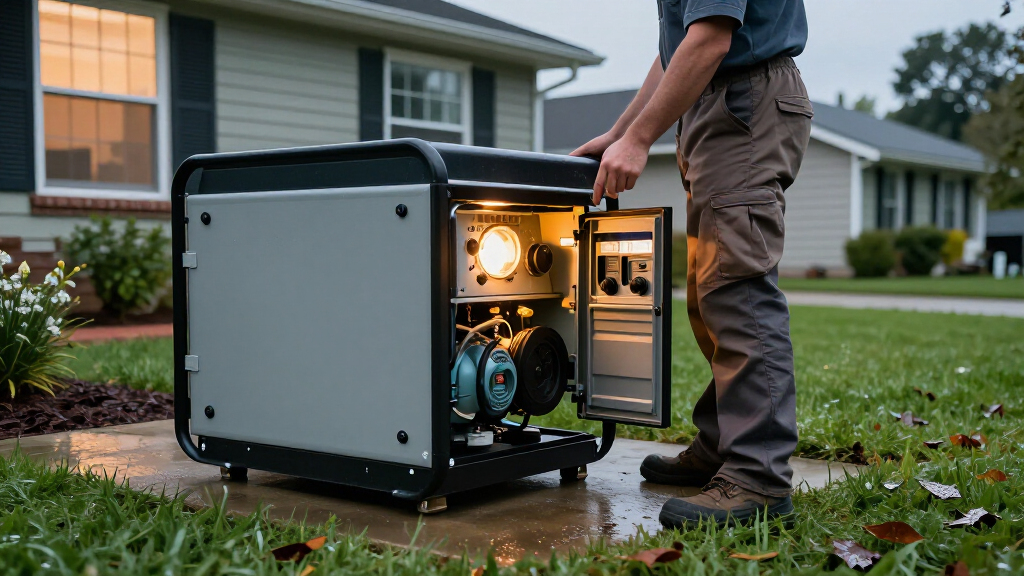
I ranked these options by how well their listed configuration serves the core home-standby job: supplying backup power through an installed system that can respond when utility power fails. Capacity, automatic transfer-switch inclusion, fuel options, and monitoring all shaped the comparison. I also looked at practical ownership factors such as enclosure details, installation components named in the listing, and whether the product is a true standby generator or a portable unit. Those distinctions matter because a portable generator can be useful for backup, but it does not provide the same automatic operation as a permanently installed standby system.
The ranking favors clearly described standby packages that combine useful capacity with system components or monitoring that simplify ownership. That puts the Generac 22kW package with transfer switch and cellular capability first, while other Generac models rank by output and package differences. Mid-capacity Honeywell and Champion options earn distinct places based on their listed enclosure or transfer-switch details. The Westinghouse portables appear lower because they require a different setup and are not direct substitutes for automatic standby units. I have not treated higher wattage as an automatic advantage: the right capacity depends on the home’s loads and installation plan.
Factors to Consider When Choosing Home Standby Generators
Before choosing a model, I would separate the generator itself from the complete backup-power system. The decisions below can prevent a mismatch between a product listing, a home’s electrical needs, and the way the household expects backup power to work.
Choose Which Circuits Need Backup
Start by listing the appliances and systems you want available during an outage, then ask a qualified electrician to estimate their starting and running demands. Refrigerators, well pumps, heating equipment, and air conditioners can have different load patterns, so a simple count of appliances will not tell you what capacity is needed. A whole-home label does not guarantee that every large load can run at once; the transfer equipment and load management plan matter too. Buyers can often avoid paying for excess capacity by prioritizing essential circuits, while households with several large electric loads may need a larger system. Do not select a generator from square footage alone. Treat the product’s kilowatt figure as one input to a site-specific electrical plan.
Check What the Package Actually Includes
Generator listings can describe a unit, a generator-and-transfer-switch bundle, or a package with additional monitoring or installation components. Confirm the exact contents before comparing models, since a transfer switch listed in one package should not be assumed to come with a similar model. Ask whether the equipment is compatible with your panel and whether additional parts are needed for the planned installation. An included transfer switch can simplify sourcing, but it does not mean installation is included or that the switch suits every home’s circuits. Compare complete system requirements, not just the generator headline. This distinction is especially relevant when choosing among the multiple Generac 10kW and 14kW configurations here.
Match Fuel Availability to Outage Conditions
Several standby models in this roundup list natural gas or propane, while the Westinghouse portable options advertise dual- or tri-fuel operation. The best fuel choice depends on what is available at the property and whether that supply is likely to remain accessible during a severe storm or utility interruption. Have an installer confirm fuel connection requirements and capacity; a generator’s fuel flexibility does not remove site or plumbing constraints. Portable models may offer more fuel choices, but they require the owner to manage setup and safe operation. Standby systems usually trade that hands-on flexibility for a permanently installed arrangement. Decide which tradeoff fits the way your household expects to use backup power.
Plan for Installation Before Ordering
A standby generator needs a suitable outdoor location, electrical work, and a compliant fuel connection, so the property can shape the choice as much as the wattage does. Ask an installer to review clearances, local permitting, noise rules, and the route for electrical and fuel connections before settling on a model. An installation pad listed with the Honeywell unit may be useful, but it does not replace a site assessment or all installation work. Larger-capacity equipment can call for more careful planning around placement and system compatibility. Portable generators avoid permanent installation, but they still need a safe outdoor operating location and a suitable connection method. Treat installation planning as part of selecting the generator, not a step to leave until delivery.
Decide How Much Automation You Need
A standby generator paired with an automatic transfer switch is designed to respond to a utility outage without the homeowner connecting a portable unit. Remote monitoring can add status information, which may help owners check system condition when away, but monitoring does not replace routine maintenance or professional service. Portable generators suit buyers who prefer a movable unit and can manage starting, connection, and refueling during an outage. That flexibility comes with more involvement at the moment backup power is needed. Think about mobility, how often the property is occupied, and whether anyone will be home to operate equipment. Choose automation for reduced hands-on operation; choose portability only if the setup burden is acceptable.
Budget for Ownership, Not Just Equipment
The generator purchase is only one part of the cost of a standby system: installation, electrical work, fuel connections, permits, and ongoing service can all affect the total. A higher-output model may be a poor fit if it adds capacity the home cannot use or requires installation changes that do not serve the household’s priorities. On the other hand, paying for a package with a transfer switch or monitoring may simplify sourcing when those features match the planned system. Ask installers for itemized quotes based on the same set of backed-up circuits so estimates are comparable. Also review the manufacturer’s maintenance schedule and arrange a service plan before an outage occurs. The most sensible choice is the complete system that meets the intended loads with a manageable ownership plan.
Frequently Asked Questions
Is a portable generator a substitute for a home standby generator?
Not if you want the same automatic response to a power outage. The Westinghouse models in this roundup are portable units, so the owner must handle outdoor placement, starting, and connection through an appropriate setup. Their fuel flexibility can be useful, but it does not make them automatic standby systems. A permanently installed generator with a compatible transfer switch better suits households that want backup power to engage with less hands-on involvement. Choose based on the operating routine you can manage safely, not only on the wattage listed.
Should I choose a 14kW generator or a 22kW model?
Neither rating is right for every home, because the answer depends on which circuits and appliances you expect to power together. A 14kW model may be a better fit for a planned set of essential loads, while a 22kW option provides more listed capacity for a broader or more demanding backup plan. Large motor-driven equipment can have starting demands that differ from its normal running load, so a qualified load assessment matters. Ask an electrician to compare your actual loads and transfer-switch plan before choosing. Avoid paying for capacity based only on the phrase whole home.
Does a generator listing that includes a transfer switch include installation?
No, the listing’s inclusion of a transfer switch does not by itself mean installation is part of the package. Installation can involve electrical work, a fuel connection, a suitable outdoor location, permits, and compatibility checks for the home’s panel. Confirm the exact equipment included and obtain a site-specific installation quote before ordering. Ask the installer whether the listed switch supports the circuits you intend to back up. This helps prevent a bundle from appearing more complete than it is for your property.
Is cellular or Wi-Fi monitoring worth prioritizing?
Monitoring is most useful if you want to check generator status without being beside the unit, particularly when the home is unoccupied for long stretches. The Generac options here include cellular capability or Wi-Fi monitoring depending on the model, so check the exact listing and connectivity type. Monitoring can provide information, but it does not guarantee that the system is ready or replace scheduled maintenance and service. Consider whether the connection will work at the installation site and whether remote status checks solve a real need for your household. If not, transfer-switch compatibility and correct capacity may deserve higher priority.
What should I confirm before selecting natural gas or propane?
Confirm which fuel is available at the property, whether its supply can support the generator, and what connection work the installation requires. The Honeywell listing specifies natural gas or propane, but the practical choice still depends on the home’s setup and local installer guidance. Do not assume a listed fuel option means both sources can be used without changes or that either source will remain available in every outage. Ask how the system is configured and what is required to switch fuels, if that is relevant to your plan. Fuel choice should be settled alongside capacity and installation design.
Conclusion
For most shoppers seeking an automatic home backup system, my best overall recommendation is the Generac 22kW Whole Home Generator with Transfer Switch & Cellular Capability because its listed package combines substantial capacity with key system components and remote status access. For a mid-capacity value-oriented choice, compare the Generac 14kW packages carefully and favor the version whose transfer-switch configuration fits your installation; the Champion 14kW is another option with an automatic transfer switch included. Buyers seeking a different 14kW package with a weather-resistant enclosure and pad should look at the Honeywell. My best premium, capacity-first picks are the Generac 24kW and 26kW packages, provided an electrician confirms the home can use their additional output. For beginners, I would start with a clearly bundled standby system and get an installation assessment before ordering. For portable flexibility and multiple fuel options, consider the Westinghouse models instead, but only if you accept manual setup rather than automatic standby operation.
Halloween Picks
halloween
As an affiliate, we earn on qualifying purchases.