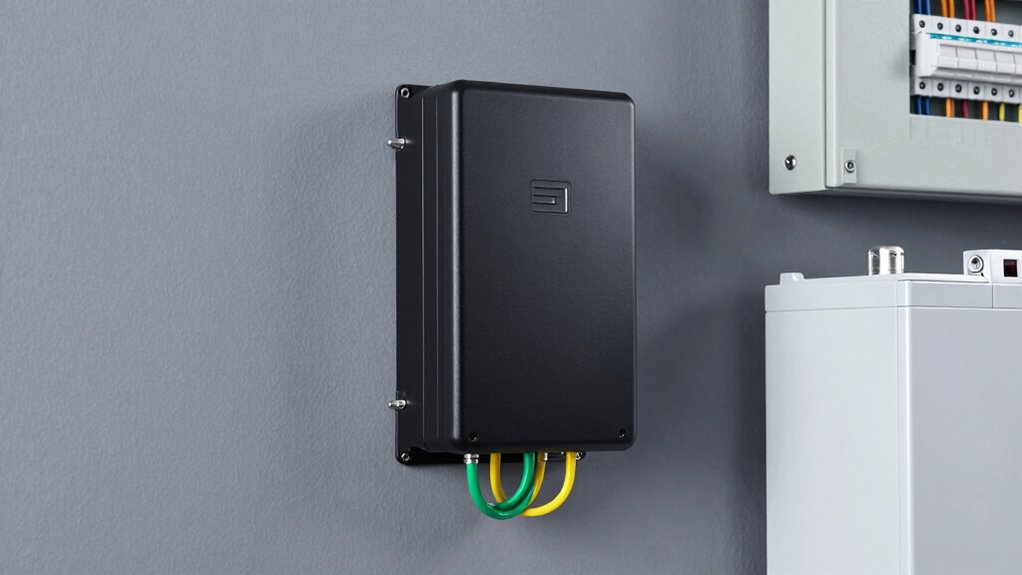

Inverter chargers are key to integrating your home’s backup system by connecting grid power, solar energy, and batteries seamlessly. They switch smoothly between power sources during outages, providing clean, stable energy for your appliances. They also manage energy flow efficiently, supporting renewable sources and storage to reduce reliance on the grid and cut costs. Plus, advanced controls optimize system performance, ensuring your setup stays reliable during extended outages. Keep exploring to understand how all these features work together for your home.

Get backup power and energy gear delivered free with Prime
- Fast, free delivery on millions of items
- Prime Video, Amazon Music and more included
- Member-only deals all year
Key Takeaways
- Inverter chargers connect energy sources to household circuits, enabling seamless switch between grid and backup power during outages.
- They manage power flow from renewable sources and batteries, reducing reliance on grid electricity.
- Inverter chargers incorporate advanced controls to optimize system efficiency and ensure safe, stable energy output.
- They integrate with monitoring systems to maintain backup readiness and track overall system health.
- Power conversion capabilities within inverter chargers ensure consistent energy quality and system stability during power disruptions.
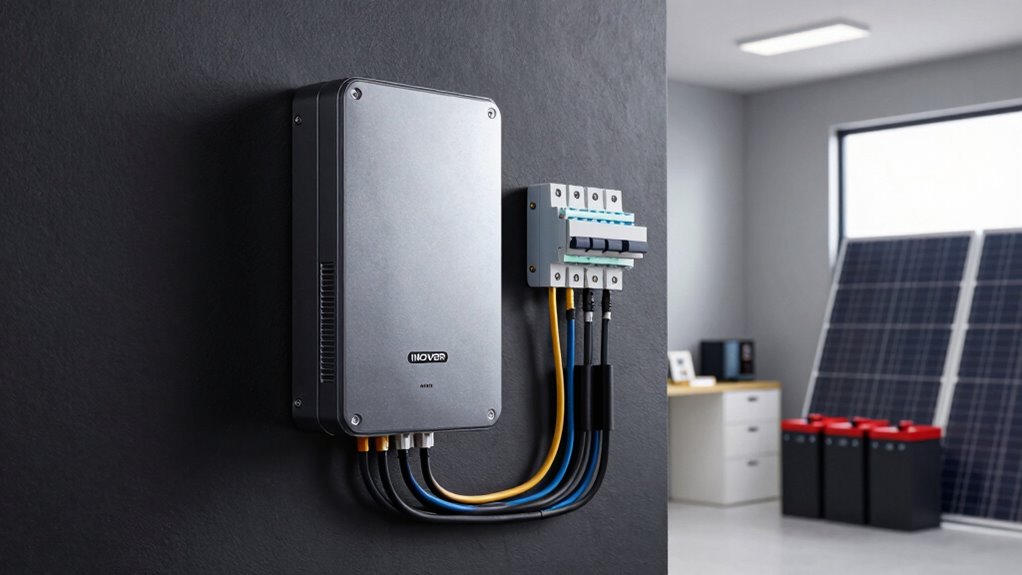
When power outages strike, inverter chargers become essential components of your home backup system, seamlessly providing reliable electricity when the grid fails. They serve as the critical link between your energy sources and your home’s electrical needs, ensuring a smooth transition from grid power to backup power. A well-integrated inverter charger not only supplies clean, stable energy but also plays a pivotal role in managing your solar panel integration and battery bank management. This integration allows you to harness renewable energy efficiently, reducing reliance on the grid and lowering your energy costs. Additionally, modern inverter chargers often include advanced control features that optimize system performance and enhance safety. Incorporating energy storage solutions further enhances the resilience and independence of your backup system, allowing for better management of power during extended outages. Proper system integration ensures that all components work harmoniously, maximizing efficiency and reliability during critical times. Utilizing smart system monitoring can also help you keep track of system health and performance, ensuring your backup setup is always ready when needed. For optimal operation, understanding the role of power conversion within inverter chargers is crucial for maintaining system stability and efficiency.
Products Worth Considering

Shark Clean & Empty Cordless Stick Vacuum with Auto-Empty System, BU3521

eufy Security SoloCam E42 4-Camera Kit, 4K Solar Security Cameras with HomeBase 3

Dyson Car+Boat Cordless Handheld Vacuum
As an affiliate, we earn on qualifying purchases.
Frequently Asked Questions
Can Inverter Chargers Be Used With Solar Power Systems?
Yes, inverter chargers can be used with solar power systems. They facilitate solar panel integration by converting stored DC energy into usable AC power. Many inverter chargers are designed for grid tie compatibility, allowing you to feed excess solar energy back into the grid. This makes them versatile for home backup setups, ensuring you efficiently manage solar energy, reduce reliance on the grid, and maximize your renewable energy benefits.
What Is the Lifespan of an Inverter Charger?
An inverter charger typically lasts between 5 to 15 years, depending on its quality and usage. You can expect better battery lifespan and charger durability with high-quality models, which often feature advanced cooling and robust components. Regular maintenance and avoiding overloading extend its life. Keep in mind that factors like temperature and frequency of use influence how long your inverter charger remains reliable, so proper care is essential.
Are Inverter Chargers Compatible With All Types of Batteries?
Did you know that inverter chargers are compatible with most common battery types? They offer great charger versatility, but compatibility depends on the specific model and battery chemistry. Lithium-ion, lead-acid, and AGM batteries often work well, yet some inverter chargers may require adjustments or specific settings. Always check the manufacturer’s guidelines to guarantee peak performance and safety, preventing damage and prolonging your battery’s lifespan.
How Do Inverter Chargers Handle Power Surges?
Inverter chargers handle power surges by incorporating power surge protection features that prevent sudden voltage spikes from damaging your system. Their durability guarantees they can withstand occasional surges without fail. When a surge occurs, the inverter charger activates its built-in protection, diverting excess energy safely away. This not only prolongs the lifespan of your system but also keeps your home’s power supply stable and reliable during unexpected electrical events.
What Maintenance Is Required for Inverter Chargers?
Did you know regular maintenance can extend inverter charger lifespan by up to 20%? You should check battery cooling systems to prevent overheating, which can cause damage. Keep firmware updated to guarantee peak performance and security. Additionally, inspect connections for corrosion or loose wires, and clean vents to maintain proper airflow. These simple steps help keep your inverter charger running smoothly and efficiently, avoiding costly repairs or replacements.
Conclusion
Think of inverter chargers as the heart of your home backup system—pumping reliable power when the grid fades away. Without them, your home is like a house without a roof, exposed and vulnerable. Yet, with inverter chargers seamlessly integrated, you’re protected, like a fortress standing firm against outages. They bridge the gap between chaos and calm, turning darkness into light, uncertainty into security. Your home’s resilience depends on this essential, unseen connection.