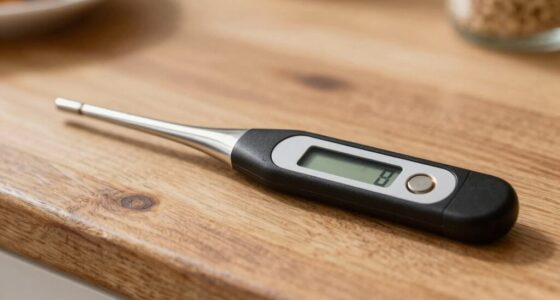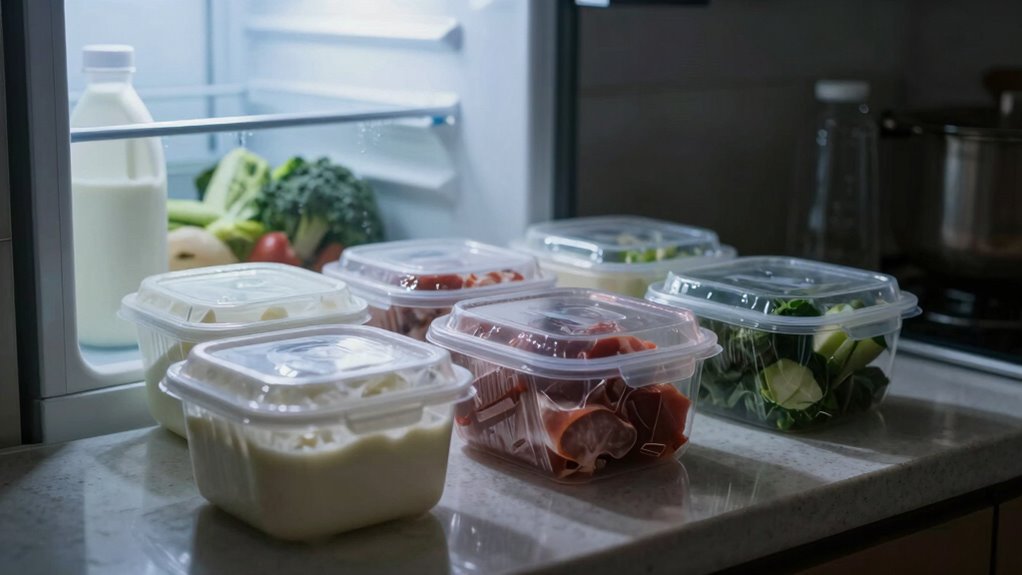
After four hours without power, you need to check your perishable foods with a reliable thermometer. If items like leftovers, dairy, or raw meats stay above 40°F, you should discard them to prevent foodborne illness. It’s essential to act quickly and prioritize food safety. Keep track of time and temperatures to make informed decisions. If you want to learn more about how to handle food safely after outages, there’s helpful advice ahead.
Listen free for 30 days with Audible
Thousands of audiobooks and originals — cancel anytime.
As an affiliate, we earn on qualifying purchases.
Key Takeaways
- Check food temperatures with a reliable thermometer within four hours of power loss.
- Discard perishable foods exceeding 40°F to prevent foodborne illness.
- Keep perishables cold with ice or a cooler if power outage extends beyond four hours.
- Monitor and record food temperatures regularly to identify unsafe items.
- Prioritize safety by discarding foods that have been above 40°F for over two hours.
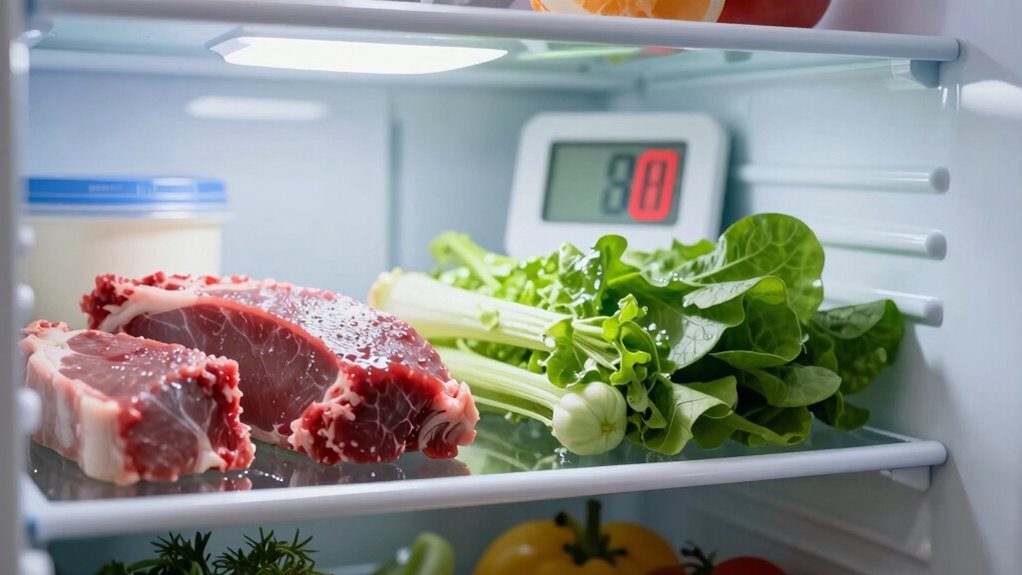
When the power goes out, your food safety can be at risk if you don’t take quick action. The most crucial rule to remember after a power outage lasts more than four hours is to assess the temperature of your food and decide what’s safe to keep. Food refrigeration is essential to prevent bacteria from growing to dangerous levels, so understanding how long your perishables can stay safe without power is essential for emergency preparedness. If your refrigerator isn’t maintaining a safe temperature—below 40°F—you need to act fast.
Act quickly after 4 hours: check food temperatures and discard unsafe perishables to prevent foodborne illness.
The general guideline is that perishable foods in your refrigerator can stay safe for about four hours if the door remains closed. After that, the risk of bacteria multiplying increases considerably. If the outage extends beyond this window, you must check the temperature of your food with a reliable thermometer. If the temperature of your refrigerated items rises above 40°F, bacteria can grow rapidly, and the food becomes unsafe to eat. In such cases, it’s best to discard perishable items like leftovers, dairy, and raw meat to avoid foodborne illnesses.
Emergency preparedness is key here. Keep a cooler filled with ice or ice packs ready for such situations. If you know a power outage is imminent or ongoing, transfer perishable foods from your refrigerator and freezer to this cooler to keep them cold longer. Remember, a full freezer can keep its temperature for about 48 hours if unopened, which gives you some time to plan your next steps. If the power is out for an extended period, consider using a food thermometer regularly to monitor the temperature of your food. Additionally, understanding food safety rules can help you make informed decisions about your perishable items. Being aware of perishable food guidelines can help you determine the safety of your food more accurately during emergencies.
Having an emergency plan that includes food safety practices can significantly reduce the risk of illness and food waste in such situations. You should also prioritize safe food handling practices. When in doubt about the safety of your food, it’s better to discard it rather than risk food poisoning. Label any food that you’re unsure about and keep track of how long it’s been at unsafe temperatures. Proper emergency preparedness involves having a plan for such situations, including storing enough ice, having a backup power source if possible, and knowing which foods are most vulnerable.
Ultimately, the most important rule after four hours without power is to act swiftly and decisively. Check your food’s temperature, use your cooler wisely, and discard anything that’s potentially unsafe. Staying informed and prepared can make all the difference in protecting your health and minimizing food waste during a power outage.
digital food thermometer for refrigerator
As an affiliate, we earn on qualifying purchases.
As an affiliate, we earn on qualifying purchases.
Frequently Asked Questions
Can I Still Eat Meat After Four Hours Without Power?
You shouldn’t eat meat if it’s been more than four hours without power because of temperature safety concerns. Bacteria can multiply rapidly when the temperature rises above 40°F, making your meat unsafe to consume. Check the storage duration; if the meat has been kept at unsafe temperatures for over four hours, discard it to avoid foodborne illnesses. When in doubt, always prioritize safety over risking your health.
How Can I Tell if Dairy Is Still Safe?
You can tell if dairy is still safe by checking its smell, appearance, and texture; if it smells sour, looks curdled, or feels slimy, discard it. Did you know that milk spoilage begins within two hours at room temperature? Proper dairy storage is essential to prevent harmful bacteria growth, especially after power outages. When in doubt, it’s safest to toss dairy products that show any signs of spoilage to avoid foodborne illnesses.
What Are the Signs of Spoiled Cooked Food?
You’ll notice spoiled cooked food through a foul food odor, which is often strong and unpleasant. Look for texture changes, like sliminess or mushiness, indicating bacterial growth. If the food feels off or has an unusual appearance, it’s best to discard it. Trust your senses—if it smells bad or feels different, don’t risk eating it. When in doubt, throw it out to avoid foodborne illness.
Does Freezing Food After a Power Outage Prevent Spoilage?
Freezing food after a power outage doesn’t prevent spoilage if the food has already been in the danger zone (above 40°F) for too long. To guarantee food safety, focus on proper food storage and act quickly to restore power. Once power is back, refrigerate or freeze perishable items promptly. Remember, freezing can’t undo spoilage, so always check for signs of contamination before consuming.
Are Canned Foods Safe After a Power Outage?
Canned foods are generally safe after a power outage, thanks to their sealed, heat-processed nature that prevents bacteria growth. You might worry about spoilage, but proper food storage and emergency preparedness include keeping canned goods in a cool, dark place. If cans are damaged or swollen, discard them. Always inspect your canned foods carefully before use, ensuring safety and preventing illness even during emergencies.
cooler with ice packs for emergency food storage
As an affiliate, we earn on qualifying purchases.
As an affiliate, we earn on qualifying purchases.
Conclusion
Remember, just like a lighthouse guides ships safely home, your vigilance after a power outage keeps your food safe. If food has been above 40°F for more than four hours, it’s time to let it go—no matter how tempting leftovers may be. Your awareness acts as a beacon, protecting your family from unseen dangers. By following this rule, you guarantee your home remains a safe harbor, even in stormy times.
As an affiliate, we earn on qualifying purchases.
As an affiliate, we earn on qualifying purchases.
Fall yard work Picks
leaf blowers
As an affiliate, we earn on qualifying purchases.