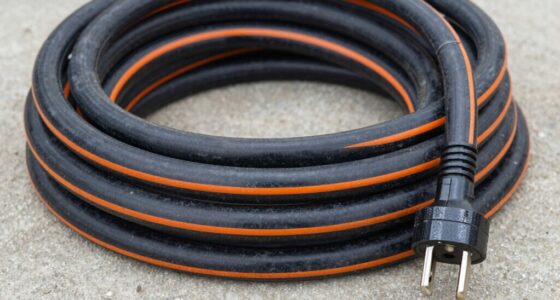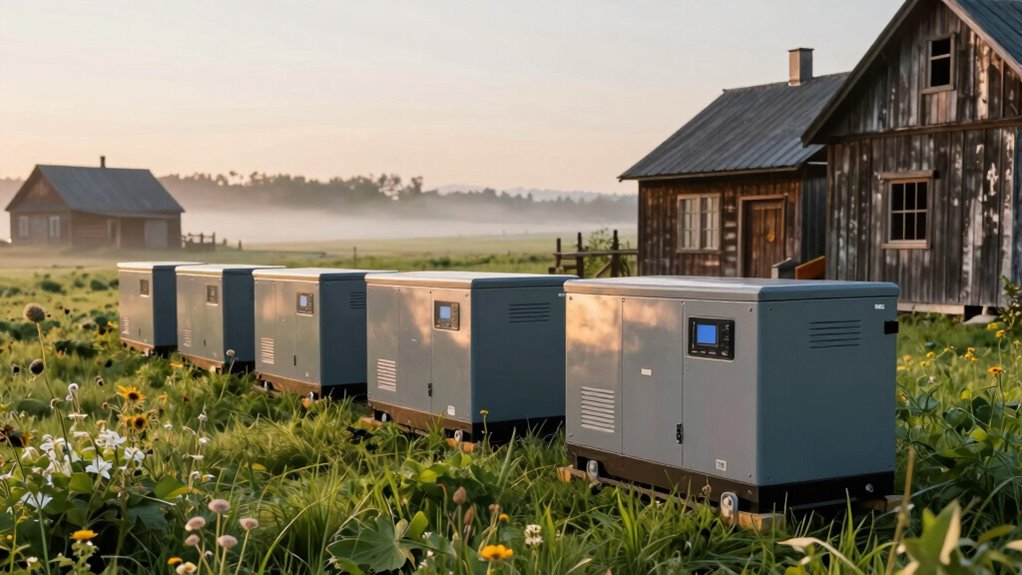
Choosing the right standby generator for a rural home involves balancing power capacity, reliability, and cost. The Honeywell 14kW Home Standby Generator stands out as the best overall for its dependable performance and ease of use. For those on a tighter budget, the Westinghouse 6500 Watt Dual Fuel Portable Generator offers solid backup power at a lower price, though it may lack some features of premium models. The main tradeoffs in this category include balancing upfront costs against long-term reliability and maintenance needs. Keep reading for a detailed breakdown of the best options to power your rural property efficiently and safely.
Complete the kit


Key Takeaways
- The top picks balance power capacity with ease of installation, making them suitable for rural homes with variable energy needs.
- Dual-fuel options offer flexibility but may come with higher initial costs and complexity in setup.
- Remote start and smart connectivity features are common in premium models, enhancing convenience for remote homeowners.
- Larger capacity generators tend to be more reliable during extended outages but require more space and maintenance.
- Budget models can provide adequate backup power but often lack advanced safety features like CO sensors or automatic transfer switches.
| Westinghouse 14500 Peak Watt Tri-Fuel Portable Generator with Remote Electric Start |  | Best Overall for Versatility and Power | Peak Watts: 14,500 | Running Watts: 11,500 | Fuel Types: Gasoline, Propane, Natural Gas | VIEW ON AMAZON | See Our Full Breakdown |
| Honeywell 14kW Home Standby Generator |  | Best for Seamless Automatic Backup | Wattage: 14,000 watts | Fuel Type: Natural Gas, Propane | Voltage: 120 volts | VIEW ON AMAZON | See Our Full Breakdown |
| DuroMax XP13000EH 13,000-Watt Dual Fuel Portable Generator |  | Best for Heavy-Duty Whole-Home Backup | Power Output: 13,000 watts | Fuel Type: Gas & Propane | Start Type: Electric start | VIEW ON AMAZON | See Our Full Breakdown |
| Westinghouse 9500 Peak Watt Portable Home Backup Generator with Remote Electric Start |  | Best for Moderate Power with Convenience | Peak Watts: 9500 | Running Watts: 7500 | Fuel Tank Capacity: 6.6 gallons | VIEW ON AMAZON | See Our Full Breakdown |
| Generac 14kW Whole Home Generator with Cellular Capability |  | Best for Smart Home Integration and Remote Monitoring | Power Output: 14 kW | Fuel Type: Natural gas or LP | Connectivity: Cellular | VIEW ON AMAZON | See Our Full Breakdown |
| Westinghouse 12500 Watt Dual Fuel Portable Generator with Remote Electric Start |  | Best Overall for High Power and Flexibility | Peak Watts (Gasoline): 12500 | Running Watts (Gasoline): 9500 | Peak Watts (Propane): 11200 | VIEW ON AMAZON | See Our Full Breakdown |
| Westinghouse 6500 Watt Dual Fuel Portable Generator with Transfer Switch and CO Sensor |  | Best Value for Versatile and Safe Power | Gasoline Wattage (Running/Peak): 5300/6500 | Propane Wattage (Running/Peak): 4800/5800 | Fuel Tank Capacity: 4.7 gallons | VIEW ON AMAZON | See Our Full Breakdown |
| Generac 12,500 Starting Watt Tri-Fuel Portable Generator with Electric Start |  | Best for Extreme Flexibility and Extended Runtime | Starting Watts: 12500 | Running Watts: 9500 | Fuel Tank Capacity: 7.5 gallons | VIEW ON AMAZON | See Our Full Breakdown |
| standby generator for for rural home | Engine | Fuel Tank Capacity | Outlets |
|---|---|---|---|
| Westinghouse 14500 Peak Watt T | 550cc 4-Stroke OHV | 9.5 gallons | — |
| Honeywell 14kW Home Standby Ge | — | — | — |
| DuroMax XP13000EH 13,000-Watt | Copper windings | — | Multiple including transfer switch-ready 50 amp |
| Westinghouse 9500 Peak Watt Po | 420cc Westinghouse 4-Stroke OHV | 6.6 gallons | — |
| Generac 14kW Whole Home Genera | — | — | — |
| Westinghouse 12500 Watt Dual F | 457cc Westinghouse 4-Stroke OHV | 6.6 gallons | GFCI 120V 5–20R, 120V L14-30R, 120/240V 14–50R |
| Westinghouse 6500 Watt Dual Fu | 274cc 4-Stroke OHV | 4.7 gallons | 120V duplex, RV 30A, Transfer switch 30A |
| Generac 12,500 Starting Watt T | 500cc Generac OHV | 7.5 gallons | Two 120V 20A GFCI duplex, 120/240V 30A twist-lock, 120/240V 50A |
More Details on Our Top Picks
Westinghouse 14500 Peak Watt Tri-Fuel Portable Generator with Remote Electric Start
This tri-fuel generator stands out for its impressive peak wattage of 14,500, making it suitable for larger rural homes with heavy power needs. Compared with the Westinghouse 9500 portable model, it offers significantly more power, but at the cost of added weight and complexity. Its ability to run on gasoline, propane, or natural gas provides flexibility during extended outages or supply shortages. The inclusion of remote electric start adds convenience, especially when managing multiple appliances. However, the weight and size are not specified, which could pose storage and transport challenges, and the noise level data is missing, making it harder to gauge for noise-sensitive environments. Overall, this generator is ideal for owners needing high capacity and fuel versatility, willing to manage its bulk.
Pros:- Tri-fuel capability for maximum fuel flexibility
- High peak wattage suitable for whole-home backup
- Long runtime on gasoline up to 19 hours
Cons:- Unspecified weight and dimensions could limit portability
- No noise level data available, potentially noisy
Best for: Large rural households requiring substantial power and fuel flexibility during extended outages.
Not ideal for: Small property owners or those with limited storage space, due to its potential heaviness and bulk.
- Peak Watts:14,500
- Running Watts:11,500
- Fuel Types:Gasoline, Propane, Natural Gas
- Engine:550cc 4-Stroke OHV
- Run Time:Up to 19 hours (gasoline), up to 7 hours (propane)
- Fuel Tank Capacity:9.5 gallons
Our verdict“This generator makes the most sense for rural homes with high power demands and access to multiple fuel sources who can handle its size.”
Honeywell 14kW Home Standby Generator
The Honeywell 14kW standby generator excels in providing automatic backup power, restoring essential circuits seamlessly during outages. Unlike the portable Westinghouse models, its built-in automatic transfer switch and quiet self-test modes make it ideal for homes that prioritize convenience and minimal disruption. Its durable all-aluminum enclosure ensures weather resistance, suitable for outdoor installation. The user-friendly LCD controls simplify monitoring and maintenance. However, this unit’s high capacity may be more than necessary for smaller households, and professional installation is required, which adds to upfront costs. It is best suited for owners who want reliable, automatic protection without manual intervention, especially in regions prone to frequent outages.
Pros:- Automatic transfer switch for seamless power restoration
- Quiet self-test reduces noise and fuel consumption
- Weather-resistant all-aluminum enclosure
Cons:- High capacity may be overkill for small homes
- Installation requires professional setup
Best for: Homes in areas with frequent outages needing reliable, automatic power restoration.
Not ideal for: Small or budget-conscious households that prefer portable units or have limited installation budgets.
- Wattage:14,000 watts
- Fuel Type:Natural Gas, Propane
- Voltage:120 volts
- Output Wattage:14,000 watts
- Engine Type:Internal Combustion Engine
- Total Power Outlets:16
Our verdict“This generator suits homeowners seeking reliable, hands-free backup power with minimal fuss, though it demands a professional installation investment.”
DuroMax XP13000EH 13,000-Watt Dual Fuel Portable Generator
The DuroMax XP13000EH offers a hefty 13,000 watts, making it a strong candidate for whole-home backup in rural settings. Its dual fuel capability means owners can choose between gasoline and propane, adding flexibility during outages when fuel supply might fluctuate. Compared to portable models like the Westinghouse 9500, it provides more power with transfer switch-ready outlets, suitable for installing a manual transfer switch. Its heavy-duty all-metal construction ensures durability in severe weather, yet its weight and size limit portability—more suited for stationary use. The price may be higher than smaller or less robust units, but it’s a worthwhile investment for those needing reliable, heavy-duty power. This pick is best for owners who want a rugged, high-capacity backup with dual fuel options and don’t need frequent mobility.
Pros:- High power output suitable for entire homes
- Dual fuel capability for maximum flexibility
- Heavy-duty metal frame for harsh weather durability
Cons:- Heavy and difficult to move without assistance
- Potentially high cost compared to smaller models
Best for: Rural homeowners needing a durable, high-capacity generator for whole-house backup.
Not ideal for: Owners with limited space or those seeking portable, lightweight options for occasional use.
- Power Output:13,000 watts
- Fuel Type:Gas & Propane
- Start Type:Electric start
- Outlets:Multiple including transfer switch-ready 50 amp
- Construction:Heavy-duty all metal
- Engine:Copper windings
Our verdict“This generator is ideal for rural homes needing a resilient, high-power backup system, provided space and mobility are not primary concerns.”
Westinghouse 9500 Peak Watt Portable Home Backup Generator with Remote Electric Start
This portable model provides up to 9500 peak watts and 7500 running watts, making it suitable for smaller rural homes or supplemental backup. Its remote electric start adds a layer of convenience over manual pull-start units, and the 6.6-gallon tank offers up to 11 hours of runtime, comparable to larger units like the Honeywell 14kW but with less overall power. Safety features like CO sensors and GFCI outlets protect against common hazards, making it a practical choice for home use. Compared to the larger, automatic Honeywell model, it requires manual startup and lacks automatic transfer features, but its portability and user-friendly controls appeal to owners who prefer mobility or easier setup. It’s best for owners with moderate power needs who value convenience and safety.
Pros:- Remote electric start for convenience
- Long runtime of up to 11 hours
- Includes safety features like CO sensor
Cons:- Relatively heavy and bulky for portability
- Limited peak wattage for larger home systems
Best for: Rural households seeking a portable, easy-to-start backup with safety features.
Not ideal for: Homes with high power demands or those needing automatic, whole-home coverage.
- Peak Watts:9500
- Running Watts:7500
- Fuel Tank Capacity:6.6 gallons
- Run Time:Up to 11 hours
- Engine:420cc Westinghouse 4-Stroke OHV
- Features:Remote start, auto choke, CO sensor
Our verdict“This generator suits owners who want a dependable, portable backup with safety features, but not necessarily for high-demand whole-home backup.”
Generac 14kW Whole Home Generator with Cellular Capability
The Generac 14kW model emphasizes modern connectivity with cellular monitoring, making it ideal for tech-savvy homeowners who want remote control and diagnostics. It offers automatic backup power during outages, similar in capacity to the Honeywell model but with the added benefit of mobile monitoring through a subscription. Its compatibility with smart home systems like ecobee and Powercell batteries enhances efficiency and integration with existing systems. Compared with portable generators like the DuroMax XP13000EH, it provides a seamless, automatic solution that requires less manual intervention. Installation can be complex, and ongoing subscription costs are factors to consider. This unit is best for owners who value automation, remote management, and smart home integration over initial cost or portability.
Pros:- Automatic backup with cellular control
- Remote monitoring via mobile app
- Supports smart energy systems
Cons:- Requires a premium subscription for full features
- Complex installation process
Best for: Smart home owners seeking automatic, remotely monitored backup power solutions with efficiency benefits.
Not ideal for: Owners who prefer simple, manual backup generators or want to avoid ongoing subscription costs.
- Power Output:14 kW
- Fuel Type:Natural gas or LP
- Connectivity:Cellular
- Cold Start:Enhanced for cold climates
- Monitoring:Mobile Link app with subscription
- Compatibility:ecobee thermostats, PWRcell
Our verdict“This generator is well-suited for owners who want a connected, automatic backup system integrated with smart home tech, accepting higher complexity and ongoing costs.”
Westinghouse 12500 Watt Dual Fuel Portable Generator with Remote Electric Start
This model stands out for its exceptional wattage output, making it suitable for powering entire homes during outages. Compared to the Generac 12,500 Tri-Fuel, it offers higher peak wattage on gasoline, but at the expense of increased weight and transport difficulty. The remote electric start adds significant convenience, especially for rural homeowners who may need to start the generator from a distance. Its dual-fuel capability allows switching between gasoline and propane, offering fuel flexibility in emergencies. However, its heavy build and lack of a specified weight mean it’s less portable, requiring help to move. The 12-hour runtime on a 6.6-gallon tank is impressive but may still be limiting during prolonged outages.
Pros:- High peak and running wattage for whole-home backup
- Remote electric start for convenience
- Dual fuel capability for fuel flexibility
- Long runtime of up to 12 hours
Cons:- Heavy and potentially difficult to move
- No specified weight makes portability uncertain
- Initial odor of residual fuel may be present
Best for: Homeowners needing reliable, high-capacity backup power with flexible fuel options and remote operation.
Not ideal for: Small properties or those prioritizing portability, as this generator is bulky and challenging to transport.
- Peak Watts (Gasoline):12500
- Running Watts (Gasoline):9500
- Peak Watts (Propane):11200
- Running Watts (Propane):8500
- Fuel Tank Capacity:6.6 gallons
- Run Time:Up to 12 hours
- Engine:457cc Westinghouse 4-Stroke OHV
- Outlets:GFCI 120V 5–20R, 120V L14-30R, 120/240V 14–50R
- Warranty:3 years
Our verdict“This generator suits rural homeowners seeking powerful, flexible backup power with remote start, willing to handle its weight.”
Westinghouse 6500 Watt Dual Fuel Portable Generator with Transfer Switch and CO Sensor
This generator offers a compelling mix of dual-fuel flexibility and safety features like a CO sensor, making it a strong choice for rural homes that prioritize safety alongside power. Compared with the Generac 12,500 Tri-Fuel, it provides less wattage but is more affordable, with a focus on safety and efficiency. The 14.5-hour runtime on a 4.7-gallon tank is excellent for longer outages, especially if fuel availability is limited. Its automatic low oil shutdown and CO sensor enhance safety, but its lower wattage limits it to smaller loads or partial home backup. The relatively heavy design may require assistance, and setup might be complex for those unfamiliar with generator operation.
Pros:- Dual-fuel capability for flexibility
- Extended runtime of up to 14.5 hours
- Built-in safety features like CO sensor and low oil shutdown
- Multiple outlets including RV and transfer switch-ready
Cons:- Heavier than lighter portable models
- Limited wattage for large appliances
- Setup complexity for first-time users
Best for: Homeowners seeking a reliable backup with safety features and longer runtime for smaller to medium loads.
Not ideal for: Large households or homes requiring full power, as its wattage may not cover all appliances simultaneously.
- Gasoline Wattage (Running/Peak):5300/6500
- Propane Wattage (Running/Peak):4800/5800
- Fuel Tank Capacity:4.7 gallons
- Runtime:Up to 14.5 hours
- Engine:274cc 4-Stroke OHV
- Outlets:120V duplex, RV 30A, Transfer switch 30A
- Features:CO sensor, automatic low oil shutdown
- Warranty:3 years
Our verdict“This generator is ideal for rural homes needing safe, long-duration backup power for essential loads without excessive portability concerns.”
Generac 12,500 Starting Watt Tri-Fuel Portable Generator with Electric Start
This Generac model offers tri-fuel versatility, allowing operation on gasoline, propane, or natural gas, making it highly adaptable for rural settings where fuel options vary. Compared with the Westinghouse 12500 Watt Dual Fuel, it provides similar starting wattage but adds natural gas compatibility, reducing reliance on stored fuel. The automatic voltage regulation ensures stable power output, critical for sensitive equipment. Its 7.5-gallon tank supports up to 14 hours at low load, and the electric start combined with COsense safety tech enhances ease of use and safety. However, at 219 pounds, it is the heaviest among these options, requiring assistance for transport. Its price is higher, reflecting its advanced features and tri-fuel capabilities.
Pros:- Tri-fuel capability for unmatched fuel flexibility
- Automatic voltage regulation for stable power
- Electric start with COsense safety technology
- Extended runtime up to 14 hours at 25% load
Cons:- Heavy, making transportation and positioning difficult
- Higher price point for advanced features
- Bulkier size limits portability
Best for: Rural homeowners needing maximum fuel flexibility and reliable power with ease of restart during outages.
Not ideal for: Those with limited mobility or budget constraints, as its weight and cost may be prohibitive.
- Starting Watts:12500
- Running Watts:9500
- Fuel Tank Capacity:7.5 gallons
- Runtime at 50% load:9.5 hours
- Runtime at 25% load:14 hours
- Engine:500cc Generac OHV
- Outlets:Two 120V 20A GFCI duplex, 120/240V 30A twist-lock, 120/240V 50A
- Warranty:3-year residential / 2-year commercial
Our verdict“This generator is best suited for rural users who prioritize fuel versatility and long runtime over ease of movement.”
How We Picked
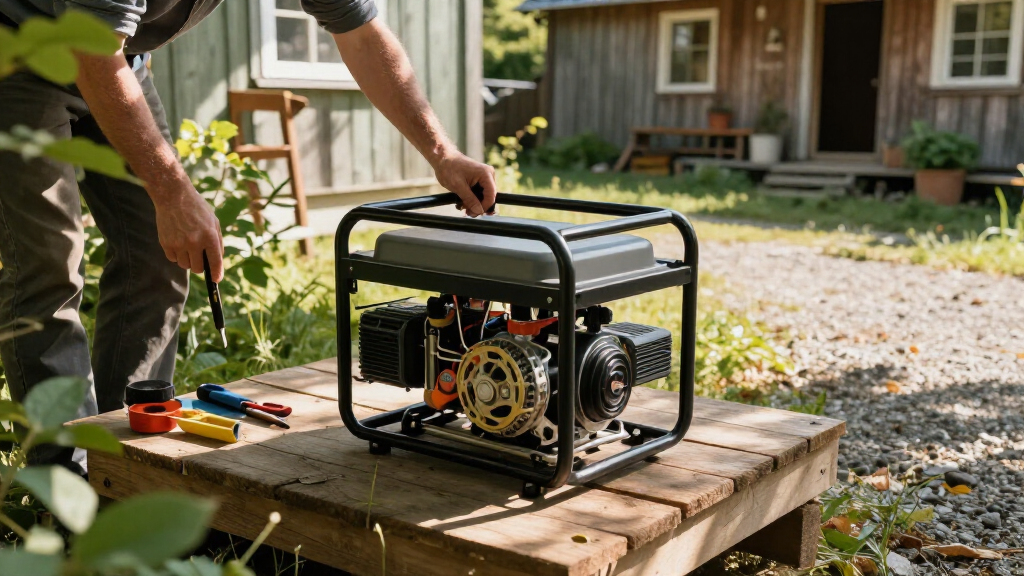
I evaluated these standby generators based on several key factors: power output capacity to meet rural home demands, reliability and durability for long-term use, ease of installation and operation, maintenance requirements, and overall value for the price. I also considered safety features, user-friendly controls, and connectivity options that improve convenience. The ranking reflects a balance between performance, affordability, and suitability for rural settings, ensuring each option fills a specific need for different types of buyers.Factors to Consider When Choosing Standby Generator For For Rural Homes
Selecting a standby generator for a rural home requires careful consideration of several factors beyond just wattage. It’s important to evaluate your home’s energy needs, installation complexity, and ongoing maintenance requirements. Understanding these elements helps avoid common pitfalls, such as underestimating power needs or choosing models lacking essential safety features. The following sections highlight the key points to consider for making a well-informed purchase.Power Capacity and Load Requirements
Determining your home’s total power needs is the first step. Calculate the wattage of essential appliances, heating systems, and any other critical devices. Choosing a generator with a capacity that exceeds your peak load prevents overloads and ensures reliable operation during outages. Remember that larger capacity models often come with higher costs and may require more space and maintenance.
Fuel Type and Availability
Most standby generators run on natural gas or propane, which are common in rural areas with existing infrastructure. Dual-fuel models offer added flexibility, allowing you to switch fuel sources if one becomes unavailable. However, dual-fuel units tend to be more complex and expensive. Consider your local fuel supply, storage options, and future availability when selecting a fuel type.
Installation and Space Considerations
Proper placement is crucial for safety, noise reduction, and performance. Standby generators require a concrete pad, adequate clearance, and often professional installation. Portable models are easier to move but may not provide the same level of automatic backup power as permanent units. Evaluate your property’s space and choose a model that fits your setup without sacrificing safety or accessibility.
Safety Features and Monitoring
Safety should never be overlooked. Features like automatic transfer switches, carbon monoxide sensors, and remote monitoring enhance safety and convenience. These features help prevent dangerous situations and allow you to keep tabs on your generator’s status remotely. Skimping on safety features can lead to serious risks, especially during extended outages or in less accessible locations.
Cost, Maintenance, and Longevity
Initial costs vary widely, but so do ongoing maintenance expenses. Cheaper models might save money upfront but could incur higher repair costs or shorter lifespans. Regular maintenance, including oil changes and inspections, is vital for reliability. Investing in a well-built model with proven durability can pay off over years of dependable service, especially in remote areas where repairs are more complicated.
Frequently Asked Questions
How do I determine the right size generator for my rural home?
Start by listing all essential appliances, heating systems, and lighting, then total their wattages. Add a buffer of about 20-25% to account for future needs or unexpected power surges. If you’re unsure, consulting with a professional can help calculate the peak load accurately. Choosing a generator slightly larger than your calculated needs can prevent overloads and ensure reliable backup power during extended outages.
Are dual-fuel generators worth the extra cost for rural homes?
Dual-fuel generators provide flexibility, allowing you to switch between natural gas and propane depending on availability. This feature can be valuable in rural areas where fuel supply may fluctuate or be limited. However, they tend to be more expensive and complex to install, so if your fuel supply is stable and you prefer simplicity, a single-fuel model might be more practical and cost-effective.
What safety features should I prioritize in a standby generator?
Safety features such as automatic transfer switches, carbon monoxide sensors, and remote monitoring are essential. Automatic transfer switches ensure seamless power transfer without manual intervention, while CO sensors alert you to dangerous fumes. Remote monitoring provides peace of mind, especially for remote properties, by notifying you of issues before they escalate. Prioritizing these safety features helps protect your family and property during outages.
How often does a standby generator need maintenance?
Most standby generators require annual maintenance, including oil changes, filter replacements, and system checks. In areas with frequent outages or harsh weather, more frequent inspections may be necessary. Regular maintenance ensures reliable operation and extends the lifespan of the unit, reducing the risk of unexpected failures during critical times. Many models also offer remote diagnostics to simplify upkeep.
Can I install a standby generator myself in a rural property?
While some portable models are designed for DIY installation, most standby generators require professional setup due to electrical and safety considerations. Proper placement, connection to the fuel supply, and integration with your home’s electrical system are complex tasks best handled by licensed technicians. Incorrect installation can pose safety risks and may void warranties, so consulting a professional is generally recommended for permanent units.
Conclusion
For rural homeowners seeking the best overall reliability and ease of use, the Honeywell 14kW Home Standby Generator makes an excellent choice. Budget-conscious buyers will find the Westinghouse 6500 Watt Dual Fuel Portable Generator offers dependable backup without breaking the bank. Those looking for premium features and long-term durability should consider the Generac 14kW Whole Home Generator with Cellular Capability. Beginners or those installing a generator for the first time will benefit from models with straightforward setup and safety features. Ultimately, your choice depends on your specific power needs, budget, and safety priorities.