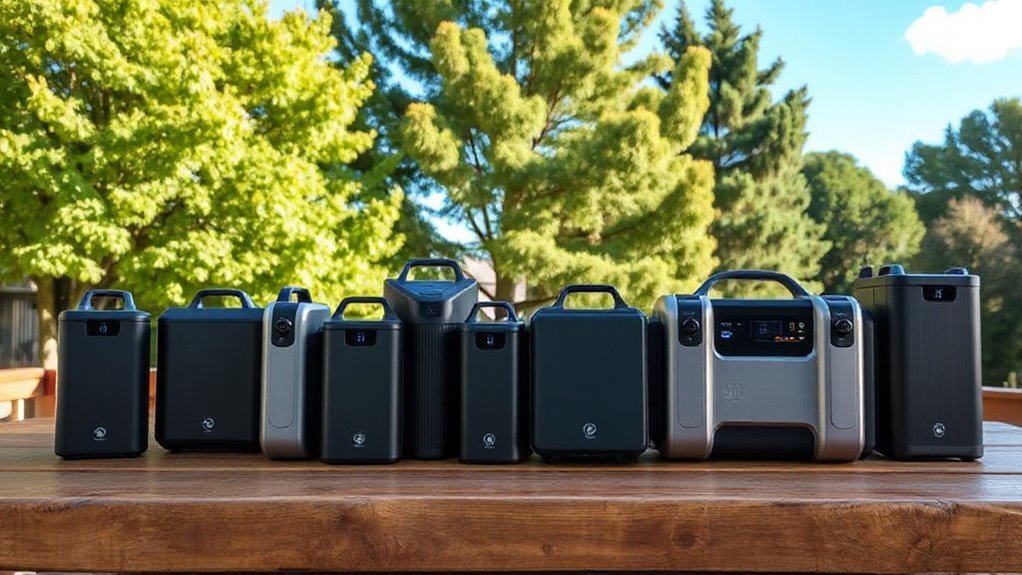
When selecting a portable power station with low self discharge, durability and long-term readiness matter most. The Jackery HomePower 3600 Plus stands out as the best overall choice for its large capacity and reliable performance. For those prioritizing portability, the 200W Portable Power Station with 192Wh LiFePO4 offers compact efficiency, while the EF ECOFLOW Delta 3 provides robust power with advanced features. The main challenge in this category is balancing capacity, self-discharge rates, and cost—higher capacity units tend to have higher self-discharge, but some models optimize for longevity. Keep reading for a detailed comparison to find the best fit for your needs.
Get ready for Prime Big Deal Days — try Prime free
Exclusive member deals on October 6–7, plus fast free delivery. Cancel anytime.
Start your free trialAs an affiliate, we earn on qualifying purchases.
Complete the kit


Key Takeaways
- Higher capacity power stations generally have a slightly increased self-discharge rate, but premium models minimize this impact effectively.
- LiFePO4 battery technology is prevalent among the best options for low self-discharge, offering longer shelf life and stability.
- Portability often comes at the expense of capacity; smaller units excel in low self-discharge but may lack power for extended use.
- Advanced features like solar compatibility and UPS functions are common in higher-end models, adding value for emergency preparedness.
- Price varies significantly; investing in a proven low self-discharge battery technology generally results in better long-term reliability.


| portable power station with low self discharge | Weight | Battery Type | Capacity | Dimensions |
|---|---|---|---|---|
| Jackery HomePower 3600 Plus Po | 77.2 pounds | Lithium Iron Phosphate (LiFePO₄) | 3584Wh | 15.2 x 12.2 x 19.3 inches |
| EnginStar Portable Power Stati | 6.5 pounds | Lithium-ion | 296Wh | 9 x 5.5 x 7.5 inches |
| LIBRIDS Portable Power Station | Not specified | LiFePO₄ | 640Wh | 8.3"L x 6.9"W x 8.2"H |
| UDPOWER S1200 Portable Power S | — | LiFePO₄ | — | 13.7"L x 9.53"W x 9.72"H |
| 1000W Portable Power Station 1 | 27.73 lbs | LiFePO₄ | 1024Wh | — |
| Portable Power Station 300W | 8.8 lbs | LiFePO4 | 192Wh | 5.9 x 9.4 x 7.3 inches |
| Jackery Explorer 1000 v2 Porta | 23.8 pounds | LiFePO4 | 1070Wh | 12.87 x 8.82 x 9.72 inches |
| HOWEASY Portable Power Station | 2.3 pounds | — | — | 6.6 x 4 x 3 inches |
| EF ECOFLOW Delta 3 Portable Po | 12.5 kg | LiFePO4 | 1024Wh | — |
| DaranEner Portable Power Stati | 5.73 lbs | LiFePO4 | 192Wh | — |
| 200W Portable Power Station wi | 4.7 pounds | LiFePO4 | — | 7.1 × 5.3 × 5.5 inches |
More Details on Our Top Picks
Jackery HomePower 3600 Plus Power Station, 3584Wh, 3600W AC Output
The Jackery HomePower 3600 Plus stands out for its impressive 3584Wh capacity and 3600W continuous output, making it ideal for powering household appliances during extended outages. Compared with the UDPOWER S1200, it offers a much higher capacity that can handle larger loads, but at a weight of 77.2 pounds, it’s less portable. Its multiple charging options, including solar, AC, DC, and gas, provide versatile energy sourcing, yet the bulk and weight may limit frequent mobility. The use of high-temp resistant LiFePO₄ batteries ensures a long lifespan, roughly 10 years or 6,000 cycles. However, its size and weight make it less suitable for outdoor adventures or quick moves, and its price might be a barrier for some buyers. This pick makes the most sense for homeowners seeking reliable, long-term backup power with minimal self-discharge concerns.
Pros:- High-capacity 3584Wh battery suitable for long-term backup
- Multiple charging options including solar and gas generator
- High-temp resistant batteries with a long cycle life
- Easy plug-and-play design for quick setup
Cons:- Heavy at 77.2 pounds, difficult to carry manually
- Limited to 2 outlets, may require additional units for multiple devices
- Higher cost and limited availability
Best for: Homeowners needing a robust, long-lasting backup for essential appliances during outages
Not ideal for: Frequent travelers or outdoor enthusiasts seeking lightweight, portable units
- Capacity:3584Wh
- Output Wattage:3600W
- Voltage:120V & 240V in parallel
- Weight:77.2 pounds
- Dimensions:15.2 x 12.2 x 19.3 inches
- Battery Type:Lithium Iron Phosphate (LiFePO₄)
Our verdict“This is best suited for homeowners prioritizing capacity and durability over portability.”
EnginStar Portable Power Station 300W 296Wh Solar Generator
The EnginStar Portable Power Station excels in portability, weighing just 6.5 pounds with a 296Wh capacity that’s perfect for charging phones, laptops, and small devices. Unlike the Jackery HomePower 3600 Plus, it sacrifices capacity for size, but its multiple output ports and support for solar, wall, and car charging make it highly versatile for outdoor use. Its battery management system supports over 1000 charge cycles, promising durability despite its smaller size. The main tradeoff is its limited 300W AC output, which restricts powering larger appliances or multiple devices simultaneously. Solar panel not included, so planning for additional components is necessary. This model is ideal for outdoor enthusiasts and light travelers who prioritize lightweight, portable power without the need for high capacity.
Pros:- Extremely lightweight and compact for portability
- Multiple output ports for versatile device charging
- Supports solar, wall, and car charging methods
- Over 1000 charge cycles for durability
Cons:- Solar panel not included, adding extra cost
- Limited to 300W AC output, incompatible with larger appliances
- Requires regular charging to avoid battery drain
Best for: Hikers, campers, or outdoor users needing a lightweight power source for small devices
Not ideal for: Users requiring to power larger appliances or multiple devices at once
- Capacity:296Wh
- AC Output:300W
- Dimensions:9 x 5.5 x 7.5 inches
- Weight:6.5 pounds
- Charge Cycles:Over 1000
- Battery Type:Lithium-ion
Our verdict“This is a perfect choice for outdoor users needing lightweight, low-capacity power for small devices.”
LIBRIDS Portable Power Station 640Wh, 1200W Surge, Solar Generator with 4 AC Outlets
The LIBRIDS Portable Power Station offers a balanced mix of capacity and power with 640Wh and a 1200W surge capacity, making it suitable for both emergencies and outdoor use. It features fast charging in just 1.5 hours, a feature not common among similar units like the 1000W Portable Power Station, which has a larger capacity but slower recharge times. Its durable LiFePO₄ battery supports over 4000 cycles, ensuring longevity. Four AC outlets and USB ports support multiple devices simultaneously, and its size makes it more portable than the Jackery HomePower 3600 Plus. The main limitation is its indoor use restriction and limited information on portability details. It’s an excellent option for those who need quick, reliable backup power in a durable package.
Pros:- Fast charging in just 1.5 hours
- Multiple AC and USB ports for versatile device support
- Long-lasting LiFePO₄ battery with over 4000 cycles
- Durable build suitable for emergency scenarios
Cons:- Designed primarily for indoor use, limiting outdoor application
- Weight and portability details are not specified
- Limited to 640Wh capacity, less suitable for long outages
Best for: Emergency prepper or outdoor enthusiast seeking fast-charging, reliable power for multiple devices
Not ideal for: Users needing high-capacity power solutions for large appliances or prolonged outages
- Capacity:640Wh
- Surge Power:1200W
- Charge Time:1.5 hours
- Battery Type:LiFePO₄
- Weight:Not specified
- Dimensions:8.3″L x 6.9″W x 8.2″H
Our verdict“This unit is ideal for users who need quick, reliable backup power with fast recharge times and durable batteries for emergencies.”
UDPOWER S1200 Portable Power Station 1200W (Surge 1800W), Max 400W Solar Input, UPS, UL2743, for Home RV Emergency, Pure Sine Wave
The UDPOWER S1200 is designed for demanding scenarios, offering 1200W continuous power with a surge of 1800W, making it suitable for RV, home emergencies, and outdoor activities. Its 400W solar input and fast charging make it flexible for off-grid use, and the pure sine wave inverter ensures safe operation for sensitive electronics. Compared with the EnginStar 300W, it provides significantly higher output capacity suitable for more appliances, but at a weight of 25.8 pounds, it’s less portable than smaller units. The LiFePO₄ battery provides over 4000 cycles, ensuring long-term reliability. Its multiple outlets and digital display add convenience, but its weight and higher price could be drawbacks for casual users. This model is tailored for those needing substantial power in a portable, durable package for emergency or RV use.
Pros:- High 1200W pure sine wave output suitable for sensitive electronics
- Long-lasting LiFePO₄ battery with over 4000 cycles
- Supports 400W solar input for off-grid charging
- Multiple outlets including USB-C PD and AC
Cons:- Relatively heavy at 25.8 pounds for portable use
- Premium price point may be prohibitive
- Limited to 400W solar input, potentially slow in low sunlight
Best for: RVers, home emergency responders, or outdoor users needing high power with fast recharge capabilities
Not ideal for: Lightweight travelers or those only powering small devices sporadically
- Wattage:1200W
- Surge:1800W
- Max Solar Input:400W
- Item Weight:25.8 pounds
- Dimensions:13.7″L x 9.53″W x 9.72″H
- Battery Type:LiFePO₄
Our verdict“This unit is best for users who require high power output and quick recharge for RV or emergency scenarios, accepting a heavier weight for reliability.”
1000W Portable Power Station 1024Wh LiFePO4 for Outdoor & Home
The 1000W Portable Power Station offers a solid balance of capacity and power with 1024Wh and 1000W continuous output, making it suitable for both outdoor and home use. Its LiFePO₄ battery supports over 3000 cycles, providing durability similar to the LIBRIDS 640Wh but with a larger capacity. Its multiple fast-charging ports—including USB-C, USB-A, and AC outlets—allow simultaneous device charging, and its solar compatibility supports off-grid needs. At 27.73 pounds, it’s relatively portable but heavier than smaller units like the EnginStar 296Wh. The limited 300W solar input might be slow in cloudy conditions, but overall, it balances capacity, durability, and portability well, making it suitable for varied off-grid applications.
Pros:- High capacity of 1024Wh with 1000W output
- Supports fast charging and multiple device connections
- Long-lasting LiFePO₄ battery with over 3000 cycles
- Solar compatible for off-grid use
Cons:- Moderately heavy at 27.73 pounds
- Limited to 300W solar input, which may slow charging in overcast conditions
- Not as lightweight as ultra-portable options for frequent carry
Best for: Outdoor enthusiasts or families seeking reliable, versatile backup power for multiple devices
Not ideal for: People needing ultra-lightweight or minimal capacity units for sporadic use
- Power Output:1000W
- Capacity:1024Wh
- Battery Type:LiFePO₄
- Charging Ports:2×110V AC, 1×60W PD USB-C, 2×USB-A
- Solar Compatibility:Supports up to 300W
- Weight:27.73 lbs
Our verdict“This model is well-suited for users needing a reliable, versatile power source with good capacity for outdoor and home backup, accepting some weight for durability.”
Portable Power Station 300W, 600W Surge Solar Generator 192Wh
This power station stands out for its rapid recharge capability—going from 0% to 80% in just one hour—making it ideal for quick turnaround scenarios. Compared with the DaranEner 192Wh model, it offers more charging flexibility with multiple outlets and a built-in UPS, but it sacrifices capacity and high-watt appliance support. Its LiFePO4 battery ensures over 4,000 cycles, promising durability, yet it remains limited to smaller devices, not suitable for high-wattage appliances like hair dryers. The lightweight design (8.8 lbs) enhances portability for outdoor activities or emergencies, but solar panel compatibility is an extra expense. Overall, this pick makes the most sense for outdoor enthusiasts who need quick, reliable power for small devices during short trips or emergencies.
Pros:- Fast recharge from 0% to 80% in just 1 hour
- Multiple charging options including AC, car, and solar (solar panel sold separately)
- Built-in UPS for seamless power during outages
- Long-lasting LiFePO4 battery with 4000+ cycles
Cons:- Solar panel not included and sold separately
- Limited capacity for large appliances or high wattage devices
Best for: Campers or outdoor users needing fast, portable charging for small electronics
Not ideal for: Home backup users requiring large power capacity or high-watt appliances
- Wattage:300 watts
- Surge Power:600 watts
- Capacity:192Wh
- Recharge Time:1 hour from 0% to 80%
- Power Outlets:2 AC, 1 USB-C (PD), 2 USB-A, 1 car outlet
- Battery Type:LiFePO4
- Charge Cycles:4000+
- Weight:8.8 lbs
- Dimensions:5.9 x 9.4 x 7.3 inches
Our verdict“This model is best suited for outdoor enthusiasts needing quick, portable power for small devices.”
Jackery Explorer 1000 v2 Portable Power Station, 1070Wh, 1500W
The Jackery Explorer 1000 v2 offers a significant capacity of 1070Wh paired with a robust 1500W AC output, making it suitable for longer outdoor stays or emergency backup. It surpasses the smaller 192Wh options in capacity, yet it is heavier at nearly 24 pounds, which could be a drawback for frequent transport. Its fast charging feature allows a full recharge in about an hour, but it only provides around 42 minutes of runtime at full load, unlike the Delta 3’s larger capacity and higher wattage. The durable LFP battery extends lifespan to over 10 years, ensuring reliability over time. However, it requires a dedicated solar panel (not included), and its weight and cost may deter casual users seeking lightweight solutions. This makes it ideal for users prioritizing long-term durability and capacity for outdoor or backup use.
Pros:- High-capacity 1070Wh battery for extended use
- Fast charging from 0% to 100% in about one hour
- Durable LFP battery with over 10 years lifespan
- Multiple ports including USB-C, USB-A, DC, and AC outlets
Cons:- Relatively heavy at 23.8 pounds, less portable
- Limited runtime of approximately 42 minutes at full load
Best for: Campers or emergency prepper households needing reliable, long-duration power
Not ideal for: Users seeking ultra-lightweight portable power for short trips or occasional use
- Wattage:1500 watts
- Capacity:1070Wh
- Output Wattage:1500W
- Battery Type:LiFePO4
- Charge Time:56 minutes
- Weight:23.8 pounds
- Number of Outlets:7
- Dimensions:12.87 x 8.82 x 9.72 inches
Our verdict“This is best suited for those needing substantial, long-lasting power with durability for outdoor or backup scenarios.”
HOWEASY Portable Power Station, 120W (240W Peak) Solar Generator
The HOWEASY 120W station offers impressive portability, weighing just 2.3 pounds, and features 8 output ports suitable for small devices. It’s a prime choice for casual outdoor users who need emergency lighting and basic device charging, especially with its built-in LED flashlight and multiple recharging options. It’s notably less powerful than larger units like the Delta 3, making it less suitable for powering larger appliances or running extended workloads. Its battery capacity of 88Wh limits usage to small devices, and since solar charging requires additional accessories, it’s less convenient for off-grid use without extra investment. This pick excels for quick, lightweight outdoor power needs but isn’t designed for high wattage or long-term power supply.
Pros:- Extremely lightweight at 2.3 pounds with a compact design
- Multiple recharging options including solar, AC, and car socket
- Built-in LED flashlight with SOS and flashing modes
- High cycle life over 1500 cycles
Cons:- Limited power output suitable only for small devices
- Solar panel not included, requiring additional purchase
- Limited capacity of 88Wh restricts usage to small electronics
Best for: Hikers, campers, or emergency kits requiring ultra-light portable power for small devices
Not ideal for: Users needing to power larger appliances or for prolonged backup during outages
- Output Ports:8 (2 AC, 1 USB-C, 2 QC 3.0 USB, 1 USB 5V 2.4A, 2 DC)
- AC Power:110V 120W (240W peak)
- Battery Capacity:88Wh
- Cycle Life:1500+ times
- Dimensions:6.6 x 4 x 3 inches
- Weight:2.3 pounds
Our verdict“This model is best for lightweight outdoor adventures or emergency kits where portability outweighs power capacity.”
EF ECOFLOW Delta 3 Portable Power Station, 1024Wh, 1800W
The EF ECOFLOW Delta 3 offers a robust 1024Wh capacity and 1800W output, supporting up to 13 devices simultaneously. Compared with smaller units like the Jackery 1000 v2, it provides a larger power reserve and higher wattage, making it suitable for larger appliances and extended outages. Its fast charging completes in just 56 minutes, and its expandable capacity up to 5kWh addresses users who need scalable power solutions. Weighing around 12.5 kg, it’s still portable enough for many outdoor or backup scenarios, though heavier than smaller models. The LiFePO4 battery ensures a 10-year lifespan, making it a good long-term investment. The higher initial cost and multiple input requirements could be drawbacks for budget-conscious buyers, but this unit is ideal for those seeking serious, expandable backup power.
Pros:- Fast charging in just 56 minutes
- Expandable capacity up to 5kWh with extra batteries
- Long-lasting LiFePO4 battery with 10-year lifespan
- Supports up to 13 devices simultaneously
Cons:- Relatively heavy at 12.5 kg, less portable
- Higher cost compared to smaller units
- Requires multiple inputs for full recharge
Best for: Homeowners or outdoor users needing scalable, high-capacity backup power for multiple devices
Not ideal for: Lightweight travelers or those with limited space seeking ultra-portable solutions
- Capacity:1024Wh
- Power Output:1800W
- Surge Power:3600W
- Battery Type:LiFePO4
- Charge Time:56 minutes
- Weight:12.5 kg
- Number of Outlets:13
- Expandability:Up to 5kWh
Our verdict“This unit is a strong choice for users needing large, expandable power capacity with long-term durability.”
DaranEner Portable Power Station, 192Wh LiFePO4 Battery Backup Solar Generator with 2 300W AC Outlets, USB-C PD 60W, for Camping, Outdoor, Home, Emergency
The DaranEner 192Wh station provides a reliable, lightweight option for small device charging, featuring 2 AC outlets and a 60W USB-C PD port. It surpasses the HOWEASY in capacity while remaining compact at just over 5.7 pounds, making it suitable for camping and emergency use. Its long cycle life over 3,500 cycles adds durability, yet it is limited to devices under 300W, unlike larger units such as the ECOFLOW Delta 3. Solar and car charging inputs add convenience, but the lack of included accessories means extra purchases are needed for solar recharging. This model offers a good balance of portability and power for those who need a dependable backup for small electronics, but it’s not suited for high-power appliances.
Pros:- High-capacity LiFePO4 battery with over 3500 cycles
- Multiple charging options including solar and car
- Lightweight at just 5.73 pounds
- Includes a built-in LED flashlight with SOS mode
Cons:- Limited to devices under 300W
- Solar panel and cables not included
- Not suitable for high-power appliances
Best for: Outdoor enthusiasts or emergency planners needing lightweight, reliable power for small devices
Not ideal for: Users requiring to power high-wattage appliances or longer durations on larger devices
- Capacity:192Wh
- AC Outlets:2 (300W each, Peak 600W)
- USB-C PD:60W
- Battery Type:LiFePO4
- Weight:5.73 lbs
- Cycle Life:3500+
Our verdict“This model is ideal for those needing a lightweight, reliable backup for small electronics in outdoor or emergency scenarios.”
200W Portable Power Station with 192Wh LiFePO4 Battery for Camping
This compact power station stands out for its impressive portability, weighing just 4.7 pounds, making it ideal for outdoor enthusiasts who prioritize ease of carrying. Compared with larger options like the Jackery Explorer 1000, it offers a much lower self-discharge rate thanks to its LiFePO4 chemistry, ensuring longer shelf life when not in use. Its multiple charging options—solar, wall, and car—add flexibility, though the absence of a solar panel means additional investment is needed for solar recharging. The built-in LED flashlight with adjustable modes enhances outdoor utility, but the limited 192 Wh capacity restricts its use to small devices and short trips. The AC outlet is rated for under 200W, which rules out high-power appliances, and it’s not suitable as a primary power source for larger setups. This pick makes the most sense for campers and emergency kits that need reliable, low self-discharge power for small electronics.
Pros:- Extremely lightweight and portable with foldable handle
- Multiple recharging options including solar, wall, and car
- Built-in LED flashlight with multiple modes
- High-quality LiFePO4 battery with over 3000 cycles
Cons:- Limited to devices under 200W, restricting larger appliances
- Solar panel not included, increasing setup costs
- Capacity of only 192 Wh limits long-term or high-power use
Best for: Hikers, backpackers, and emergency kit owners needing a lightweight, reliable backup for small devices
Not ideal for: Users wanting to power larger appliances or expecting to recharge frequently via solar without additional investment
- Power:200W
- Battery Capacity:192Wh
- Battery Type:LiFePO4
- Weight:4.7 pounds
- Dimensions:7.1 × 5.3 × 5.5 inches
- Charging Ports:1 AC, 2 USB, 1 USB-C, 2 DC
- LED Flashlight:Yes, with 3 brightness levels and modes
Our verdict“This power station is best suited for outdoor enthusiasts and emergency preparedness who prioritize portability and low self-discharge for small electronics.”
How We Picked
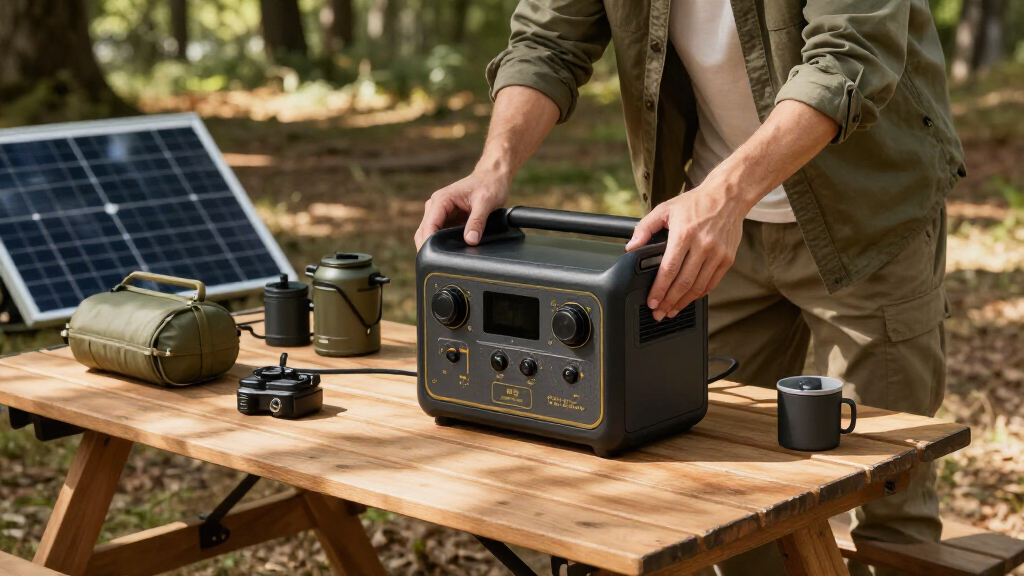
The products were evaluated based on their battery chemistry, capacity, self-discharge rates, usability, and durability. Priority was given to models with proven low self-discharge lithium-ion or LiFePO4 batteries, as these last longer during periods of storage. Performance in real-world scenarios, such as charging flexibility and output power, also influenced rankings. Cost-effectiveness and brand reputation played roles, but the main focus remained on longevity and reliability over time, especially for those seeking long-term stored energy without frequent recharging.| portable power station with low self discharge | Battery Type |
|---|---|
| Jackery HomePower 3600 Plus Po | Lithium Iron Phosphate (LiFePO₄) |
| EnginStar Portable Power Stati | Lithium-ion |
| LIBRIDS Portable Power Station | LiFePO₄ |
| UDPOWER S1200 Portable Power S | LiFePO₄ |
| 1000W Portable Power Station 1 | LiFePO₄ |
| Portable Power Station 300W | LiFePO4 |
| Jackery Explorer 1000 v2 Porta | LiFePO4 |
| HOWEASY Portable Power Station | — |
| EF ECOFLOW Delta 3 Portable Po | LiFePO4 |
| DaranEner Portable Power Stati | LiFePO4 |
| 200W Portable Power Station wi | LiFePO4 |
Factors to Consider When Choosing Portable Power Station With Low Self Discharge
Choosing a portable power station with low self-discharge requires understanding several key factors. It’s important to balance capacity with battery chemistry, as larger units tend to have higher self-discharge unless equipped with advanced technology. Compatibility with renewable energy sources like solar panels can extend usability, especially for off-grid use. Consider the device’s weight and size if portability is essential, but don’t sacrifice capacity for convenience. Finally, evaluate warranty and brand reputation to ensure long-term support and reliability, particularly if the station will sit unused for extended periods.Battery Chemistry and Self-Discharge
Battery chemistry directly impacts how long a power station can sit idle without losing significant charge. LiFePO4 batteries are known for their very low self-discharge rates and long cycle life, making them ideal for storage over months or years. Traditional lithium-ion batteries tend to have higher self-discharge, which can be problematic if you need stored energy for emergencies or long-term use. Choosing a model with proven low self-discharge chemistry ensures your power source remains ready when needed, avoiding frequent recharges and maintaining reliability.
Capacity and Power Output
Capacity, measured in watt-hours (Wh), determines how long your device can run and what appliances it can power. Larger capacities are attractive but often come with increased self-discharge, especially in older or lower-quality batteries. It’s important to match capacity with your actual needs—excess capacity adds weight and cost without benefit if you only need minimal power. Also, consider peak and continuous power ratings if you’re powering sensitive electronics or appliances requiring surge power, ensuring the station can handle your specific load.
Portability and Size
If you plan to carry your power station regularly, size and weight matter. Smaller units with low capacity are easier to transport but may not meet all power needs. Larger, high-capacity models tend to be bulkier, which can be inconvenient for camping or emergency kits. Look for a balance—lightweight, compact designs that still offer enough capacity and low self-discharge features for your intended use. Consider whether portability or longevity is your priority, as this influences your choice.
Solar Compatibility and Recharging
Many low self-discharge stations support solar recharging, which extends their usability during long periods without grid access. When choosing, verify compatibility with solar panels and input wattage limits. Solar recharging helps maintain low self-discharge batteries at full capacity, especially for off-grid or emergency use. However, not all stations are equally efficient or compatible with third-party panels, so checking specifications is key. This feature can improve the overall value and reduce the need for frequent recharging from mains power.
Price, Warranty, and Brand Reputation
Investing in a low self-discharge power station often means paying a premium for better chemistry and build quality. Consider the warranty period and what it covers, as longer warranties can indicate manufacturer confidence. Reputable brands tend to offer more reliable performance and better support, reducing the risk of early failure. Be cautious of lower-priced options with questionable reviews, as they may not deliver the promised longevity or low self-discharge performance. Balancing cost with quality ensures a dependable long-term investment.
Frequently Asked Questions
How long can a low self-discharge portable power station sit unused without losing significant charge?
Most low self-discharge power stations with LiFePO4 batteries can retain 80-90% of their charge after a year of inactivity. This makes them ideal for emergency kits or long-term storage, where frequent recharging isn’t practical. Actual retention depends on the specific model and storage conditions, but high-quality units are designed to minimize self-discharge over extended periods. Always check the manufacturer’s specifications for exact retention rates and recommended storage practices.
Are LiFePO4 batteries worth the higher cost compared to traditional lithium-ion batteries?
Yes, LiFePO4 batteries generally cost more upfront but offer significant advantages in longevity, safety, and low self-discharge. They can endure many more charge cycles—often 2000 or more—compared to lithium-ion types, which typically last around 500-1000 cycles. Their stable chemistry also reduces the risk of thermal runaway, making them safer for long-term storage. For users prioritizing reliability and minimal maintenance, investing in LiFePO4 technology often pays off over the device’s lifespan.
Can I leave my portable power station plugged in all the time?
While some stations are designed to handle continuous charging, it’s generally better to disconnect them once fully charged to prevent unnecessary wear and potential overcharging. Modern units often have safeguards to prevent damage, but leaving a station plugged in for long periods can sometimes cause slight increases in self-discharge or battery stress over time. For low self-discharge models, periodic recharging is usually unnecessary if stored properly, but following manufacturer guidelines ensures optimal battery health.
What features should I look for to maximize low self-discharge performance?
Focus on batteries with proven LiFePO4 chemistry, as these offer the lowest self-discharge rates. Additionally, look for models with built-in battery management systems (BMS) that protect against overcharging, deep discharges, and temperature extremes. Solar compatibility can help maintain charge without frequent recharges, which is especially useful for long-term storage. A sturdy, well-designed enclosure and reputable brand support further ensure your station remains reliable over years of use.
Is it better to buy a smaller, low capacity unit or a larger one with low self-discharge for long-term storage?
This depends on your specific needs. A smaller, low-capacity unit is easier to transport and store but may not have enough power for all your devices. Larger units with low self-discharge are suitable for powering more appliances or longer durations, but they tend to be bulkier and more expensive. If your goal is emergency preparedness with minimal daily use, a compact, low self-discharge model makes sense. For more extensive off-grid or backup needs, investing in a larger capacity station with proven longevity offers greater peace of mind.
Conclusion
For general emergency preparedness or long-term storage, the Jackery HomePower 3600 Plus offers an excellent blend of capacity, low self-discharge, and reliability, making it the best overall pick. Budget-conscious users or those with lighter power needs should consider the 200W Portable Power Station with 192Wh LiFePO4, which balances portability with longevity. For premium features and maximum output, the EF ECOFLOW Delta 3 stands out for its advanced capabilities. Beginners and casual users will find the smaller, simple models easier to operate, while experienced users needing more power should look to larger units with solar compatibility and longer warranties. Ultimately, your choice should reflect your storage habits, power needs, and budget constraints.
As an affiliate, we earn on qualifying purchases.Flea & tick season Picks
flea and tick prevention