
When choosing a solar backup power system, the goal is to find reliable, versatile, and efficient energy sources that can keep essentials running during outages or off-grid adventures. The Anker SOLIX S2000 stands out as the best overall thanks to its portability and high capacity, while the Jackery HomePower 3000 offers impressive power for home backup needs. The main tradeoffs involve balancing capacity, portability, and price—larger systems often cost more and are less portable, while smaller units may lack the power for bigger appliances. Continue reading for a detailed comparison that clarifies which system suits your specific needs.


Key Takeaways
- Higher-capacity units like the Jackery HomePower 3000 deliver more power but tend to be bulkier and more expensive.
- Portability varies widely; smaller models excel for camping or emergency kits, while larger systems are better for home backup.
- Expandability features, such as additional batteries, can significantly extend runtime but add to cost and complexity.
- Battery chemistry impacts lifespan and safety—LiFePO4 batteries generally last longer and are safer than older lithium-ion tech.
- Pricing reflects capacity, features, and build quality; balancing these factors is key to finding good value for your needs.


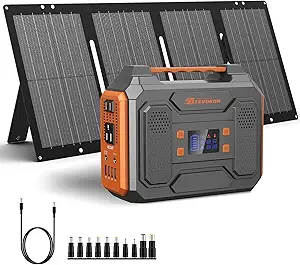

| solar backup power system | Battery Capacity | Weight |
|---|---|---|
| Anker SOLIX S2000 Portable Pow | 2010Wh | 35.7 lbs |
| Anker SOLIX C1000 Portable Pow | 1056Wh | — |
| Jackery HomePower 3000 Portabl | 3072Wh | 59.5 lbs |
| EF ECOFLOW Portable Power Stat | — | — |
| Jackery Explorer 300 Portable | — | 7.5 lbs |
| EF ECOFLOW Delta 3 Ultra Porta | 3072Wh | — |
| Jackery Explorer 2000 v2 Porta | — | 39.5 lbs |
| Portable Solar Generator with | 280Wh | — |
| Jackery Solar Generator 1000 v | — | 23.8 lbs |
More Details on Our Top Picks
Anker SOLIX S2000 Portable Power Station, 1500W Solar Generator with 2010Wh LFP Battery
The Anker SOLIX S2000 stands out for its impressive 2010Wh LFP battery and lightweight design, making it suitable for both emergency home use and outdoor adventures. Compared to larger units like the Jackery HomePower 3000, it offers a more portable form factor without sacrificing significant capacity, though it can’t power high-wattage appliances for extended periods. Its 10,000-cycle battery promises a 15-year lifespan, which outperforms most competitors, but the absence of a 12V DC port limits some vehicle or RV applications. This makes it a versatile choice for those who value a long-lasting, portable backup that can handle most essential devices. However, it’s less ideal for users needing to run high-power tools or appliances over long durations, due to its 1500W continuous limit.
Pros:- Long-lasting 10,000-cycle battery with a 15-year lifespan
- Compact and lightweight at just 35.7 lbs for easy transport
- Multiple recharging options including solar, AC, and car outlets
Cons:- No 12V DC port reduces compatibility with some vehicle and RV setups
- Limited to 1500W continuous output, restricting high-wattage appliances
Best for: Families seeking reliable, long-term backup power with portability for home and outdoor use
Not ideal for: Homeowners requiring to run high-wattage appliances like air conditioners or power tools continuously
- Battery Capacity:2010Wh
- Continuous Power:1500W
- Peak Power:3000W
- Cycle Life:10,000 cycles
- Dimensions:8.2 x 11.1 x 12.7 inches
- Weight:35.7 lbs
Our verdict“This product suits users who need a durable, portable power station with long-term battery health for essential devices, but not high-wattage tools.”
Anker SOLIX C1000 Portable Power Station, 1800W (Peak 2400W), 1056Wh LiFePO4 Battery, Solar Generator for Home Backup and Camping
The Anker SOLIX C1000 offers a compelling mix of fast charging, high surge capacity, and portability, making it ideal for both emergency backup and outdoor adventures. With a 1056Wh LiFePO4 battery and a surge capacity of 2400W, it can power most appliances and even some power tools, outperforming the smaller Jackery Explorer 300 in wattage but not in capacity. Its ultra-fast recharge—80% in just 43 minutes—makes it a favorite for those who need quick turnaround times, though this feature requires a smartphone app setup, which might be inconvenient for some users. Its 3,000-cycle lifespan surpasses many competitors, but its higher price and limited solar input details suggest it’s best for tech-savvy users who prioritize speed and power over initial cost.
Pros:- Fast recharging—80% in 43 minutes
- High surge capacity of 2400W, suitable for most appliances
- Long-lasting LiFePO4 battery with 3,000 cycles
Cons:- Requires smartphone app for UltraFast recharging setup
- Limited details on solar panel compatibility and input
Best for: Outdoor enthusiasts or emergency users who value quick recharges and high surge capacity for versatile appliances
Not ideal for: Budget-conscious buyers seeking a lower-cost, straightforward backup without app dependencies
- Battery Capacity:1056Wh
- Peak Power:2400W
- Charging Time:58 minutes (full)
- Cycle Life:3,000 cycles
- Size:15% smaller than comparable units
- Recharging Method:AC, solar
Our verdict“This pick is best for users who need rapid recharges and high power for versatile outdoor and emergency applications, accepting a higher price point.”
Jackery HomePower 3000 Portable Power Station with 2 Solar Panels, 3600W Output, 3072Wh Battery
The Jackery HomePower 3000 delivers impressive capacity with a 3072Wh LiFePO4 battery and a 3600W continuous output, making it capable of supporting entire household essentials during outages. Its rapid 2.2-hour recharge via AC and reliable UPS function with seamless switching set it apart from smaller units like the Jackery Explorer 300, which is more portable but less powerful. The heavy weight of nearly 60 pounds limits portability, yet it compensates with a high surge capacity of 7200W, ideal for critical appliances. It’s perfect for homeowners seeking a dependable backup system that can handle longer outages, but the separate solar panels and higher price point may be barriers for casual users.
Pros:- High-capacity 3072Wh battery for extended backup
- Fast recharge in just over 2 hours via AC
- Seamless UPS switching during power failures
Cons:- Heavy and bulky at nearly 60 pounds, limiting portability
- Solar panels sold separately, increasing overall cost
Best for: Homeowners needing a robust, high-capacity backup with seamless transition during outages
Not ideal for: Travelers or campers seeking lightweight, portable solutions for short-term outdoor use
- Battery Capacity:3072Wh
- Output Wattage:3600W
- Surge Power:7200W
- Charge Time (AC):2.2 hours
- Cycle Life:4,000 cycles
- Weight:59.5 lbs
Our verdict“This system is best suited for home use where long-lasting, high-capacity backup is essential, despite its weight and cost.”
EF ECOFLOW Portable Power Station DELTA2 with Smart Extra Battery, Expandable from 1024Wh to 2048Wh, Solar Generator for Home Backup and Outdoor Use
The ECOFLOW DELTA2 excels with its expandable capacity, allowing users to increase from 1024Wh to 2048Wh with extra batteries, making it suitable for longer outages or larger outdoor setups. Its 1800W continuous output is sufficient for most household appliances, and the 7x faster AC charging technology accelerates recharging times significantly compared to typical units like the Jackery Explorer 300. The built-in longevity of over 6x longer battery life and the five-year warranty add to its appeal. However, the additional batteries and accessories arrive separately, and its weight and bulkier profile limit portability, making it more suited for stationary backup rather than frequent transport.
Pros:- Expandable capacity up to 2048Wh with extra batteries
- Fast AC charging—7x faster than standard models
- Long lifespan of over 6x longer with a 5-year warranty
Cons:- Additional batteries and accessories arrive separately
- Relatively heavy and less portable for frequent movement
Best for: Home users who want a modular, expandable backup system with rapid charging for longer outages
Not ideal for: Lightweight outdoor adventurers or travelers needing compact, portable power sources
- Wattage:1800W
- Expandable Capacity:1024Wh to 2048Wh
- Fast Charging:7x faster
- Battery Life:Over 6x longer
- Warranty:5 years
- Additional Features:Expandable, fast charge, long lifespan
Our verdict“This model suits those who prioritize expandable, fast-charging backup power primarily for stationary or semi-permanent setups, accepting added weight.”
Jackery Explorer 300 Portable Power Station, 292Wh Lithium Iron Phosphate Battery
The Jackery Explorer 300 offers a compact, durable design with 292Wh capacity, making it perfect for camping, travel, and short-term outdoor needs. Its multiple outlets—including USB-C, USB-A, and a car port—cover most small device charging needs, and the LiFePO4 chemistry ensures over 4,000 recharge cycles for longevity. Compared with larger units like the Jackery HomePower 3000, it’s far more portable but doesn’t provide enough power for larger appliances or extended outages. Its solar recharging ability makes it ideal for off-grid adventures, though it’s limited to about 300W of rated output, restricting use for high-wattage devices. It’s best for light, mobile power needs rather than household backup.
Pros:- Very lightweight at only 7.5 lbs for portability
- Over 4,000 recharge cycles for long-term durability
- Multiple charging options including solar
Cons:- Solar panel not included, adding to total cost
- Limited to 300W rated output, not suitable for high-power appliances
Best for: Campers, travelers, and outdoor enthusiasts needing lightweight, reliable power for small devices
Not ideal for: Homeowners seeking to run large appliances or power entire homes during outages
- Weight:7.5 lbs
- Capacity:292Wh
- Outlets:2 AC, 1 USB-C PD, 2 USB-A, 1 Car port
- Rated Power:300W
- Charge Cycles:Over 4,000
- Charging Time (solar):Approximately 2.8 hours to 80%
Our verdict“Ideal for outdoor adventurers needing portable, durable power for small devices, but not for household or high-wattage needs.”
EF ECOFLOW Delta 3 Ultra Portable Power Station with 400W Solar Panel, 3072Wh LiFePO4 Battery, 3600W (Surge 7200W) Output
This model stands out for its impressive 3072Wh LiFePO4 battery, offering reliable, long-lasting power—a step above smaller units like the Jackery Solar Generator 1000 v2. Its fast charging via multiple methods, including solar, combined with automatic UPS backup, makes it ideal for both emergency backup and off-grid use. Compared to the Jackery Explorer 2000 v2, it provides greater capacity and a more robust surge capacity, though it is heavier and ships separately from its solar panel, adding complexity. The 25dB noise level ensures quiet operation, suitable for sensitive environments. Despite the higher price, its durability supports daily use over a decade, making it a strong investment for serious backup needs.
Pros:- High-capacity 3072Wh LiFePO4 battery with a long lifespan
- Multiple fast charging options including solar and car input
- Automatic UPS backup for seamless power continuity
- Quiet operation at 25dB suitable for sensitive environments
Cons:- Power station and solar panel shipped separately, increasing setup hassle
- Relatively high weight for portability, at over 70 lbs
- Price not specified, potentially limiting affordability
Best for: Homeowners seeking a reliable, high-capacity backup with multiple charging options and long-term durability.
Not ideal for: Light travelers or occasional campers who prioritize ultra-lightweight gear and portability over capacity.
- Battery Capacity:3072Wh
- Battery Type:LiFePO4
- Continuous Power:3600W
- Surge Power:7200W
- Charging Methods:Wall outlet, solar panels, car input, EcoFlow Smart Generator
- Noise Level:25dB
- Charging Time:Fast with X-Stream technology
- Durability:Designed for 10 years of daily use
Our verdict“This power station is best suited for those who need dependable, long-lasting backup power with versatile charging options and are willing to manage its size and cost.”
Jackery Explorer 2000 v2 Portable Power Station with 2x200W Solar Panels
The Jackery Explorer 2000 v2 offers a solid 2042Wh LiFePo4 battery, making it a capable choice for both home backup and outdoor adventures—outperforming smaller units like the Jackery Solar Generator 1000 v2 in capacity. Its 2200W continuous output and quick charging times (66 minutes to 80%) make it well-suited for powering multiple devices during outages. With its lightweight design at 39.5 lbs and quiet operation, it excels in portability. The need to purchase solar panels separately and some instructions that may challenge beginners are tradeoffs. Compared to the EF ECOFLOW Delta 3, it is lighter and easier to handle but offers slightly less capacity and surge power, making it less suited for heavy-duty appliances.
Pros:- High-capacity 2042Wh LiFePo4 battery with long durability
- Fast charging—66 minutes to 80% capacity
- Compact and lightweight at 39.5 lbs for easy transport
- Seamless UPS functionality for outage reliability
Cons:- Requires separate purchase of solar panels, adding upfront cost
- Some setup instructions may be complex for beginners
- Limited to shipping addresses accepting PO boxes
Best for: Campers and small business owners who want portable, reliable backup with fast recharge and easy mobility.
Not ideal for: Home users needing large capacity or dealing with prolonged outages, due to its moderate size and capacity limits.
- Capacity:2042Wh
- Battery Type:LiFePo4
- AC Ports:3
- Wattage:2200W
- Weight:39.5 lbs
- Charging Time (AC):66 minutes to 80%
- Solar Charging:6 hours with 400W panels
- Durability:Up to 10 years
Our verdict“Ideal for users seeking portable, high-capacity backup that combines fast recharge and ease of mobility, with some setup complexity.”
Portable Solar Generator with 300W Power Station and 60W Foldable Solar Panel
This 280Wh portable unit is a practical solution for light outdoor needs, offering multiple outlets including AC, USB, and DC—a better fit than larger units like the Jackery Solar Generator 1000 v2 for small-scale use. Its 60W foldable solar panel provides decent solar input, with a conversion efficiency of 20.5%, making it suitable for recharging in low-light conditions. The inclusion of safety features and an SOS flashlight adds value for emergencies. However, its limited 300W power output restricts use to small devices, and its non-waterproof junction box is a concern for outdoor durability. Compared to larger units, it sacrifices capacity and power for portability and affordability, making it ideal for camping or tailgating but not for powering heavier appliances.
Pros:- Multiple charging options: AC, solar, and carport
- High solar conversion efficiency for better low-light performance
- Built-in safety protections and cooling system
- Includes SOS flashlight for emergencies
Cons:- Limited to 300W output, unsuitable for larger appliances
- Junction box of solar panel is not waterproof, risking outdoor damage
- Performance can decline if not regularly charged, triggering protection mode
Best for: Outdoor enthusiasts and emergency preppers needing a lightweight, affordable backup for small devices.
Not ideal for: Users who want to power appliances over 300W or run longer off-grid without frequent recharges.
- Power Output:300W
- Battery Capacity:280Wh
- Solar Panel:60W foldable monocrystalline
- AC Outlets:2 x 300W Max
- USB Ports:3 x 5V/3A, 1 x quick charge USB
- Charging Methods:AC, solar, carport
- Protection Features:Short circuit, over-current, over-voltage, overload, overheating
- Conversion Efficiency:20.5%
Our verdict“This compact generator is perfect for small device backup during outdoor activities or minor emergencies, with limited capacity for larger loads.”
Jackery Solar Generator 1000 v2 with 200W Solar Panel, 1070Wh Portable Power Station, LiFePO4 Battery, 1500W AC/100W USB-C, Fast 1-Hour Charging for Outdoor, Off-Grid, RV, Emergency
The Jackery Solar Generator 1000 v2 offers 1070Wh of LiFePO4 capacity, making it suitable for lightweight outdoor and emergency power—less capacity than the Explorer 2000 v2 but more portable for quick setup. Its ability to charge fully in just one hour is a major advantage for users needing rapid turnaround. The 1500W AC output supports multiple small appliances, and its lightweight design (23.8 lbs) with a foldable handle makes it easy to carry. However, it requires purchasing a separate solar panel, and some features require app setup, which could be a barrier for less tech-savvy users. Compared to larger models, it sacrifices some capacity and outlet options but excels in portability and quick recharge times.
Pros:- Powerful 1500W AC output for multiple small devices
- Fast 1-hour full recharge capability
- Lightweight at 23.8 lbs with foldable handle for portability
- LiFePO4 battery with over 10 years lifespan
Cons:- Requires separate purchase of solar panel, adding to cost
- Some features need app setup, which may be complex for some users
- Limited capacity compared to larger units for extended backup
Best for: Outdoor adventurers and emergency responders needing fast, portable power for small to medium devices.
Not ideal for: Users planning to power large appliances or requiring prolonged backup capacity in larger homes.
- Capacity:1070Wh
- Battery Type:LiFePO4
- AC Output:1500W
- Surge Peak:3000W
- Weight:23.8 lbs
- Charging Time:1 hour
- Solar Panel:200W
- Durability:Over 10 years
Our verdict“Best suited for outdoor use and quick emergency power, especially where portability and rapid recharge are priorities over large capacity.”
How We Picked
I evaluated each product based on performance, usability, build quality, and value for different use cases. Priority was given to systems offering reliable power output, long battery life, and ease of use. Expandability and portability were also key factors, as they affect how versatile each system can be in real-world scenarios. Products were ranked to highlight options suited to various needs—from portable camping units to robust home backup systems—ensuring choices are aligned with specific priorities like capacity, size, and price.Factors to Consider When Choosing Solar Backup Power Systems
Choosing the right solar backup power system involves balancing capacity, portability, expandability, and budget. Beyond specs, consider how you plan to use the system—whether for emergency backup, outdoor adventures, or full home power. Making a smart choice involves understanding common pitfalls like underestimating power needs or overpaying for features you won’t use. This guide covers key factors to consider that will help you avoid mistakes and select a system that truly fits your lifestyle and expectations.Capacity and Power Output
Determining your power needs is essential before selecting a system. Higher capacity units can run larger appliances or multiple devices simultaneously, but they typically cost more and are heavier. For emergency use, a system around 1000Wh may suffice, while home backup might require 3000Wh or more. Also, check the surge power rating—this indicates how well the system can handle brief power spikes from devices like refrigerators or pumps.
Portability and Size
Portability is a major factor if you plan to use the system outdoors or for camping. Smaller, lightweight units are easier to carry but usually have limited capacity. Larger systems, suitable for home backup, tend to be bulkier and less convenient to move. Consider where you’ll store the system and how often you’ll need to transport it, balancing size against your power needs.
Battery Chemistry and Lifespan
Battery chemistry impacts longevity, safety, and charging speed. LiFePO4 batteries, used in premium models, offer longer cycle life and thermal stability compared to traditional lithium-ion batteries. While they often cost more upfront, they can save money over time by lasting longer and maintaining performance. Avoid systems with inferior or unknown battery types if you need a dependable long-term backup.
Expandability and Modularity
Many systems now offer additional batteries or expansion ports, allowing you to increase capacity as your needs grow. This feature is especially useful for long-term backup or larger outdoor setups. However, expandability can also add complexity and cost; weigh whether the initial investment makes sense for your anticipated future needs.
Price and Overall Value
While price is a key consideration, focus on value—what you get for your money. Cheaper units may lack capacity or durability, leading to higher costs over time. Conversely, premium systems with more features and longer lifespan can justify their higher prices if they meet your needs reliably. Carefully compare specs and reviews to find a system that offers the best balance of capacity, features, and price for your intended use.
Frequently Asked Questions
Can a solar backup power system run all my home appliances?
Most solar backup systems can power essential appliances like lights, phones, and small electronics, but running all home appliances—especially high-wattage items like refrigerators or air conditioners—requires a much larger, often grid-connected, backup solution. Check the surge power ratings and continuous output to ensure the system can handle your critical devices. For full-home backup, systems with higher capacity and inverter ratings are necessary, and in some cases, a dedicated home solar generator setup may be more suitable.
How long will a typical solar backup system last during an outage?
The runtime depends on the system’s capacity and your power consumption. For example, a 1500Wh system running a 100W device could power it for about 15 hours. Larger systems with 3000Wh or more can sustain multiple devices or larger appliances for a longer period. Keep in mind that real-world runtime is also affected by factors like battery age, efficiency, and whether the system is used to recharge devices or operate continuously. Planning for your actual energy needs helps ensure sufficient backup duration.
Is it better to buy a larger capacity system or multiple smaller units?
Choosing between a single large system and multiple smaller units depends on your priorities. A larger capacity system simplifies setup and management, providing more power in one package, which is ideal for comprehensive backup. On the other hand, multiple smaller units can offer flexibility, easier transport, and redundancy—if one fails, others can still provide some backup. Consider how you’ll use the system, your storage space, and your budget to determine which approach makes more sense for your scenario.
Are expandable systems worth the extra cost?
Expandable systems provide the advantage of increasing capacity as your needs grow, which can save money over time compared to buying a larger system upfront. They are ideal if you anticipate expanding your backup power requirements or want flexibility for different situations. However, they often come with added complexity and initial cost, so ensure that the base system meets most of your current needs before investing in expandability. For many users, starting with a well-sized system and adding batteries later is a practical approach.
How do I choose between portable and stationary solar backup systems?
Portable systems are best suited for outdoor activities, camping, or emergency kits, offering flexibility and ease of transport. Stationary systems, often larger and more powerful, are designed to be installed in a fixed location, such as a home or base camp, providing more stable and higher capacity backup. Your choice depends on your intended use—if you need power on the go, prioritize portability; if you want reliable home backup, focus on capacity and expandability. Sometimes, a combination of both can cover different needs effectively.
Conclusion
For most users seeking a reliable backup, the Anker SOLIX S2000 offers a balanced mix of power, portability, and value, making it the best overall choice. Homeowners with higher power demands might prefer the Jackery HomePower 3000 for its capacity. Beginners or occasional users will find the Jackery Explorer 300 or Portable Solar Generator with 300W more approachable. For those needing maximum capacity and scalability, the EF ECOFLOW Delta 3 delivers premium performance. Your ideal system depends on your specific needs—consider how much power you’ll require, where you’ll use it, and your budget to find the best fit.