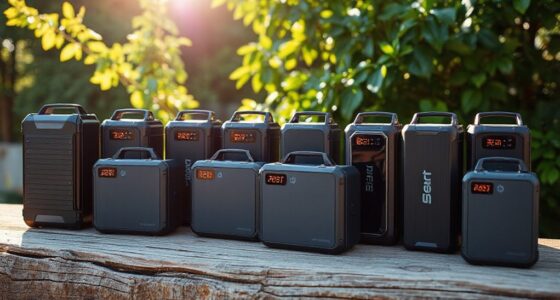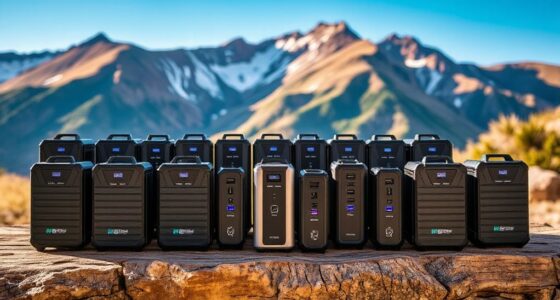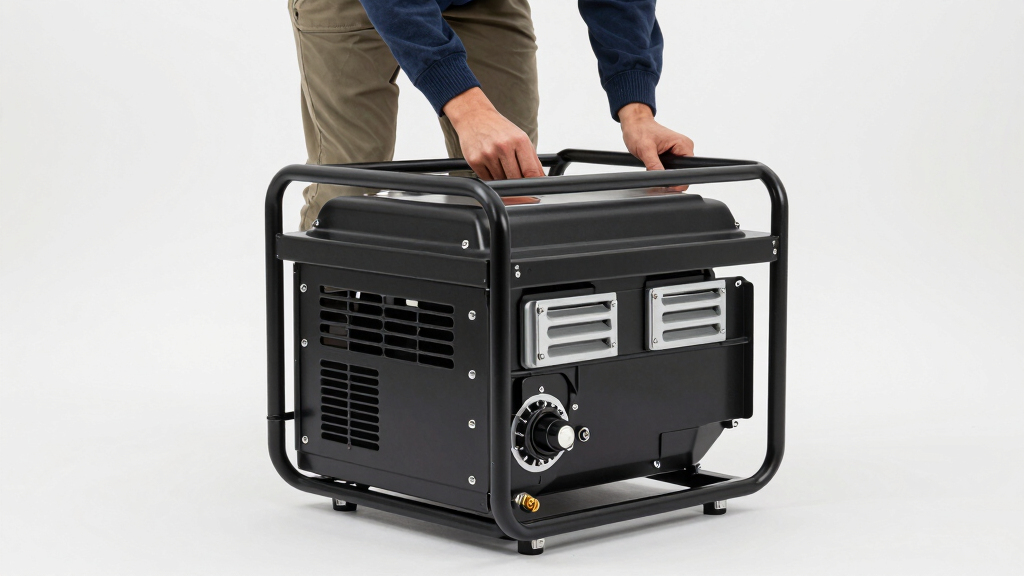

Choosing the best standby generator for hurricane season is critical for maintaining power during severe storms. The top pick, the Champion Power Equipment 22 kW aXis Home Standby Generator, offers robust home backup capacity, ideal for large households. The Honeywell 22kW Home Standby Generator is another strong contender, known for its reliability and quiet operation. Portable options like the Westinghouse 14500 Peak Watt Dual Fuel Generator can serve as backup power sources but may lack the automatic transfer switch needed for seamless home backup. The main tradeoffs involve size, cost, and whether you prefer a dedicated standby system or a portable solution. Continue reading for a detailed breakdown of these choices and more to find the best fit for your needs.
Open a free Amazon Business account
Business pricing, bulk buying and tax-exempt orders.
Create a free accountAs an affiliate, we earn on qualifying purchases.
Key Takeaways
- The top-rated standby generators combine high power output with reliable automatic transfer switches for seamless backup during hurricanes.
- Dual-fuel options provide flexibility, especially in emergency scenarios when gas supplies might be limited.
- Size and installation complexity vary significantly; larger models offer more capacity but require professional setup.
- Portable generators are versatile but often lack transfer switches, making them less ideal for full-home backup.
- Price correlates strongly with features like automatic transfer, fuel type, and noise levels; investing in a quality model pays off in reliability.
| Champion Power Equipment 22 kW aXis Home Standby Generator with 200A Whole House Switch |  | Best Overall for Whole-House Backup Power | Power Output: 22,000 watts (propane), 19,800 watts (natural gas) | Fuel Efficiency: Up to 20% more efficient than competitors | Noise Level: 67 dBA | VIEW LATEST PRICE | See Our Full Breakdown |
| Westinghouse 12500 Peak Watt Dual Fuel Portable Generator with Remote Electric Start and CO Sensor |  | Best for Portability and Versatility | Peak Watts: 12500 | Running Watts: 9500 (Gasoline), 8500 (Propane) | Fuel Type: Gasoline, Propane | VIEW LATEST PRICE | See Our Full Breakdown |
| 6485 Maintenance Kit for Generac 16-26kW Air Cooled Standby Generators – Compatible with Guardian Series |  | Best Maintenance Kit for Guardian Series | Model Number: 6485 | Compatible Generac Series: Guardian Series 16kW-26kW | Includes: Oil Filter, Air Filter, Spark Plugs, Oil Funnel | VIEW LATEST PRICE | See Our Full Breakdown |
| Westinghouse 14500 Peak Watt Dual Fuel Portable Generator with Remote Electric Start |  | Best for Power for Larger Homes or Outdoor Use | Peak Wattage: 14500 | Running Wattage: 11500 (Gasoline), 10500 (Propane) | Fuel Tank Capacity: 9.5 gallons | VIEW LATEST PRICE | See Our Full Breakdown |
| Champion Power Equipment 4000-Watt RV Ready Portable Inverter Generator with Quiet Technology and CO Shield |  | Best for Portability and Quiet Power | Weight: Less than 49 pounds | Starting Watts: 4000 | Running Watts: 3000 | VIEW LATEST PRICE | See Our Full Breakdown |
| WEN 14500-Watt Tri-Fuel Generator with Electric Start and Wheel Kit |  | Best Versatile Power for Extended Outages | Power Output: 14500 surge watts / 11500 running watts (gasoline), 12500 surge / 10300 running watts (propane), 10500 surge / 8750 running watts (natural gas) | Fuel Types: Gasoline, Propane, Natural Gas | Engine: 500cc 4-stroke OHV | VIEW LATEST PRICE | See Our Full Breakdown |
| Champion Power Equipment 8.5-kW Home Standby Generator with 50-Amp Automatic Transfer Switch |  | Best Automatic Backup for Cold Climates | Power Output: 8,500 watts (propane), 7,500 watts (natural gas) | Starting System: 24V electric start | Fuel Type: Propane or natural gas | VIEW LATEST PRICE | See Our Full Breakdown |
| DuroMax XP13000EH 13,000-Watt Dual Fuel Portable Generator with Electric Start |  | Best Heavy-Duty Portable Power for Storms | Power Output: 13,000 surge watts / 10,500 running watts | Fuel Type: Gasoline and Propane | Engine: 500cc OHV | VIEW LATEST PRICE | See Our Full Breakdown |
| WEN 6800-Watt Dual Fuel RV-Ready Electric Start Portable Inverter Generator |  | Best Compact Inverter for RV and Emergency Power | Engine Displacement: 224cc | Fuel Types: Gasoline, Propane | Surge Watts: 6800 | VIEW LATEST PRICE | See Our Full Breakdown |
| Westinghouse 14500 Peak Watt Tri-Fuel Portable Generator with Remote Electric Start |  | Best High-Wuel Power for Extended Outages | Peak Watts: 14,500 | Running Watts: 11,500 (gasoline), 13,500 (propane), 12,000 (natural gas) | Engine: 550cc 4-Stroke OHV | VIEW LATEST PRICE | See Our Full Breakdown |
| 4400-Watts Inverter Generator, Gas Powered, RV Ready, EPA Compliant |  | Best Value for Versatile Emergency Power | Peak Watts: 4400 | Running Watts: 3400 | AC Ports: 2 x 120V | VIEW LATEST PRICE | See Our Full Breakdown |
| Westinghouse 12500 Watt Dual Fuel Portable Generator with Remote Electric Start |  | Best for High Power with Dual Fuel Flexibility | Peak Watts: 12500 | Running Watts: 9500 (Gasoline), 8500 (Propane) | Fuel Tank Capacity: 6.6 gallons | VIEW LATEST PRICE | See Our Full Breakdown |
| Westinghouse iGen8200TFc Tri-Fuel Portable Inverter Generator with Remote Electric Start and CO Sensor |  | Best for Fuel Flexibility and Safety Features | Peak Watts: 8200 | Running Watts: 6600 (gasoline), 5940 (propane), 5280 (natural gas) | Fuel Tank Capacity: 3.9 gallons | VIEW LATEST PRICE | See Our Full Breakdown |
| Honeywell 22kW Home Standby Generator |  | Best for Whole-House Residential Backup Power | Wattage: 22,000 watts | Fuel Type: Natural Gas, Propane | Power Source: Fuel Powered | VIEW LATEST PRICE | See Our Full Breakdown |
More Details on Our Top Picks
Champion Power Equipment 22 kW aXis Home Standby Generator with 200A Whole House Switch
This generator stands out for its impressive 22 kW output, making it ideal for powering an entire home during hurricane-related outages. Compared to the Westinghouse 12500DFc, it offers higher capacity and better fuel efficiency, which means fewer refueling stops during extended outages. Its advanced technology allows for seamless installation and remote programming, adding a layer of convenience that many competitors lack. The quiet operation at 67 dBA makes it suitable for residential neighborhoods, while its weatherproof enclosure ensures durability. However, it comes with a higher price tag and requires separate load management modules for high-demand appliances, which can add to costs and complexity. This pick makes the most sense for homeowners who prioritize reliable, whole-house backup with minimal fuss.
Pros:- High fuel efficiency allows extended operation without refueling
- Advanced remote programming simplifies management
- Quiet operation at 67 dBA suitable for residential use
- Weatherproof, corrosion-resistant enclosure
Cons:- Potentially high upfront cost
- Requires separate load management modules for high-demand appliances
Best for: Homeowners needing a reliable, whole-house generator with low noise for hurricane season.
Not ideal for: Budget-conscious buyers or those with limited space who prefer portable options.
- Power Output:22,000 watts (propane), 19,800 watts (natural gas)
- Fuel Efficiency:Up to 20% more efficient than competitors
- Noise Level:67 dBA
- Starting System:24-volt, operates from -22°F to 104°F
- Engine:999cc V-Twin
- Warranty:10-year limited on generator, 2-year on transfer switch
Bottom line: This generator is perfect for homeowners seeking a dependable, whole-house power solution during hurricanes, despite its higher price and complexity.
Westinghouse 12500 Peak Watt Dual Fuel Portable Generator with Remote Electric Start and CO Sensor
This dual fuel portable generator offers a strong 12,500 peak watts and 9,500 running watts, making it suitable for smaller homes or outdoor needs. Unlike the Champion 22 kW standby unit, it provides flexibility with gasoline and propane options, which can be critical during prolonged outages when fuel availability varies. Its remote electric start adds convenience, especially when managing multiple appliances or during stressful situations. The 457cc engine and 12-hour runtime on a full tank make it a reliable backup for shorter-term outages, but its portability means it’s less capable of powering entire homes compared to the Champion standby. The setup can be complex for some users, and its weight may limit mobility. This model is ideal for users who need a flexible, portable option rather than a permanent household solution.
Pros:- Dual fuel capability offers flexibility in fuel choice
- Remote electric start for quick ignition
- Long runtime of up to 12 hours on a full tank
- Includes CO sensor for safety
Cons:- Heavy and less portable for some users
- Setup complexity can challenge beginners
Best for: Small households or outdoor enthusiasts needing portable backup power during hurricanes.
Not ideal for: Homeowners seeking a permanent, whole-house standby generator with high capacity.
- Peak Watts:12500
- Running Watts:9500 (Gasoline), 8500 (Propane)
- Fuel Type:Gasoline, Propane
- Engine:457cc 4-Stroke OHV
- Run Time:Up to 12 hours
- Warranty:3-year limited
Bottom line: This generator suits those who value portability and fuel flexibility over permanent high-capacity backup, despite its heavier weight.
6485 Maintenance Kit for Generac 16-26kW Air Cooled Standby Generators – Compatible with Guardian Series
This maintenance kit is designed specifically for Generac Guardian Series 16kW to 26kW air-cooled generators, providing essential parts like filters and spark plugs that keep the system running smoothly. Compared to generic kits, this OEM-compatible set ensures optimal performance and longevity for your standby unit, which is crucial during hurricane season. The inclusion of a bonus oil funnel adds convenience for regular servicing. However, it’s limited to specific models and requires scheduled maintenance every 200 hours or two years, which might be overlooked by some users. For those with compatible units, this kit offers peace of mind that preventive care is straightforward and affordable.
Pros:- Complete all-in-one kit simplifies servicing
- OEM-quality filters and parts ensure durability
- Affordable compared to dealership servicing costs
- Includes bonus oil funnel for easier oil changes
Cons:- Limited compatibility with non-Generac models
- Requires regular scheduled maintenance
Best for: Owners of Generac Guardian Series 16-26kW air-cooled standby generators needing routine maintenance.
Not ideal for: Users with non-Generac generators or those looking for full-service maintenance solutions.
- Model Number:6485
- Compatible Generac Series:Guardian Series 16kW-26kW
- Includes:Oil Filter, Air Filter, Spark Plugs, Oil Funnel
- Item Dimensions:6 x 5 x 10 inches
- Item Weight:1.48 pounds
- Warranty:1 year
Bottom line: This kit is a practical choice for Generac owners committed to maintaining peak performance during hurricane season.
Westinghouse 14500 Peak Watt Dual Fuel Portable Generator with Remote Electric Start
This generator offers a substantial 14,500 peak watts and 11,500 running watts, making it suitable for larger homes or outdoor jobs. Its remote electric start adds convenience, and with a 9.5-gallon tank, it can run up to 19 hours on gasoline—a significant advantage over smaller models like the Champion 4000-watt inverter. However, its portability comes with a weight that could challenge those with limited strength or space. While it’s more powerful than many portable options, it doesn’t match the seamless home integration of standby models like the Champion 22 kW. It’s best suited for users who need significant power on the go, rather than a dedicated, permanent solution.
Pros:- High wattage for demanding applications
- Remote electric start provides quick operation
- Long run time on large fuel tank
- Dual fuel capability enhances flexibility
Cons:- Heavy and less portable for frequent moving
- May require additional setup for optimal use
Best for: Larger households or outdoor workers needing portable, high-capacity power during hurricanes.
Not ideal for: Those seeking a compact or permanently installed standby generator.
- Peak Wattage:14500
- Running Wattage:11500 (Gasoline), 10500 (Propane)
- Fuel Tank Capacity:9.5 gallons
- Run Time:Up to 19 hours
- Engine:550cc 4-Stroke OHV
- Warranty:3-year limited
Bottom line: This generator fits users who need portable, high-capacity power with extended runtime, accepting the tradeoff of weight and size.
Champion Power Equipment 4000-Watt RV Ready Portable Inverter Generator with Quiet Technology and CO Shield
This lightweight inverter generator weighs less than 49 pounds and operates at a quiet 64 dBA, making it ideal for camping or backup power in tight spaces. While it provides only 4000 starting watts, it’s well-suited for small appliances and essential electronics during outages. Its CO Shield safety feature offers extra protection, and the parallel kit option allows combining two units for increased capacity. Compared with larger standby generators, it lacks the capacity to power entire households but excels in portability and quiet operation. The limited wattage makes it less suitable for heavy-duty needs, and runtime can vary based on load. This model is best for users who want reliable, quiet backup power for smaller loads and portability for outdoor use.
Pros:- Lightweight and very portable
- Quiet operation at 64 dBA
- Includes CO Shield safety feature
- Parallel capability for increased power
Cons:- Limited to 4000 watts, not suitable for whole-house needs
- Runtime depends heavily on load, may be shorter for larger appliances
Best for: Individuals or small families needing portable, quiet backup for essentials during hurricanes.
Not ideal for: Homeowners requiring high-capacity, whole-house backup power.
- Weight:Less than 49 pounds
- Starting Watts:4000
- Running Watts:3000
- Run Time:Up to 10 hours
- Noise Level:64 dBA from 23 feet
- Warranty:3 years
Bottom line: This inverter generator is ideal for those wanting quiet, portable backup power for essential devices, at the expense of total capacity.
WEN 14500-Watt Tri-Fuel Generator with Electric Start and Wheel Kit
The WEN 14500-Watt Tri-Fuel Generator stands out for its ability to switch effortlessly between gasoline, propane, and natural gas, offering unmatched flexibility during hurricane season. Compared to the Westinghouse 14500 Peak Watt model, this WEN provides longer runtime and more outlet options, although natural gas hookup requires a separate hose. This makes it ideal for homeowners who want the most fuel options and extended operation without refueling. Its electric start and wheel kit emphasize portability and ease of use, but the generator is heavy and bulky, which could challenge users with limited mobility. The tri-fuel capability is a major advantage, especially in emergencies when fuel availability varies. However, natural gas hoses are sold separately, adding to setup complexity. Overall, this generator offers a flexible, long-lasting solution for those prepared to handle its size and setup requirements.
Pros:- Tri-fuel capability for flexible fuel sourcing
- Long runtime of up to 12 hours on a full tank
- Electric start for quick, easy operation
- Multiple transfer-switch-ready outlets for various devices
Cons:- Natural gas hose sold separately, adding setup hassle
- Heavy and bulky design may be difficult to move or store
- Requires proper connection and setup for natural gas use
Best for: Homeowners seeking maximum fuel versatility and long runtime for prolonged outages
Not ideal for: Users needing a lightweight, easily portable generator for frequent outdoor use
- Power Output:14500 surge watts / 11500 running watts (gasoline), 12500 surge / 10300 running watts (propane), 10500 surge / 8750 running watts (natural gas)
- Fuel Types:Gasoline, Propane, Natural Gas
- Engine:500cc 4-stroke OHV
- Tank Capacity:8.2 gallons
- Runtime:Up to 12 hours at half load
- Outlets:Four 120V 5-20R, 120V/240V NEMA L14-30R, 120V/240V NEMA 14-50R, 12V DC automotive
Bottom line: This generator suits homeowners who prioritize flexible fuel options and extended backup power, despite its size and setup complexity.
Champion Power Equipment 8.5-kW Home Standby Generator with 50-Amp Automatic Transfer Switch
The Champion 8.5-kW Standby Generator offers reliable, automatic power during outages, making it a strong choice for hurricane season, especially in cold climates. Its seamless operation, thanks to the 24V electric start and automatic transfer switch, surpasses portable options like the DuroMax XP13000EH in convenience, as it kicks on without manual intervention. It’s built with a weather-resistant enclosure, ensuring durability against the elements, and can start reliably at temperatures as low as -22º F, which is essential for colder regions. However, this model is designed primarily for essential circuits rather than whole-house coverage, and installation—requiring a connection to your home’s gas supply—may need professional help. Its quiet operation and robust build make it ideal for those wanting a set-it-and-forget-it backup, but it’s less suited for users seeking portability or full-house power.
Pros:- Automatic operation ensures no manual startup needed
- Reliable cold-weather start down to -22º F
- Quiet operation at just 59.5 dBA
- Weather-resistant, durable enclosure
Cons:- Primarily supports essential circuits, not full house
- Requires professional installation and connection to gas supply
- Limited to outdoor installation with a fixed location
Best for: Homeowners in colder regions who want automatic, reliable backup power for essential circuits
Not ideal for: Renters or those needing portable power for outdoor activities or camping
- Power Output:8,500 watts (propane), 7,500 watts (natural gas)
- Starting System:24V electric start
- Fuel Type:Propane or natural gas
- Enclosure Material:All-weather, rust and corrosion resistant
- Sound Level:59.5 dBA
- Transfer Switch:ATS50, 50 amp, 10 circuit, outdoor rated
Bottom line: This standby generator is ideal for cold-climate homeowners seeking automatic, maintenance-free backup power for critical needs.
DuroMax XP13000EH 13,000-Watt Dual Fuel Portable Generator with Electric Start
The DuroMax XP13000EH is a robust dual fuel generator capable of delivering up to 13,000 surge watts, making it suitable for powering larger appliances or multiple circuits during storm-related outages. Its all-metal frame and transfer switch-ready 50-amp outlet set it apart from smaller, less durable models like the WEN 6800-Watt. While its high power output is a clear advantage, the generator’s weight and size make transportation more challenging, especially without wheels. It’s best suited for users who need a portable yet powerful unit for heavy-duty use, but the lack of detailed runtime data and high price point could deter casual users or those with limited storage space. This model is perfect for those who prioritize raw power and durability, accepting transport challenges as a tradeoff.
Pros:- High surge wattage for powering large appliances
- All-metal construction for durability
- Transfer switch-ready 50 amp outlet
- Electric start for easy operation
Cons:- Heavy and bulky, difficult to move without wheels
- Limited runtime details, potentially less efficient for extended outages
- Higher price may be prohibitive for casual users
Best for: Storm preparedness for users needing high surge capacity and durability during outages
Not ideal for: Urban residents with limited storage or those needing lightweight, portable units
- Power Output:13,000 surge watts / 10,500 running watts
- Fuel Type:Gasoline and Propane
- Engine:500cc OHV
- Start Type:Electric start with push button
- Outlets:2 120V GFCI protected outlets, transfer switch-ready 50 amp
- Approval:EPA and CARB approved
Bottom line: This generator is best for users who need a heavy-duty, portable unit with high power output for storm emergencies and outdoor projects.
WEN 6800-Watt Dual Fuel RV-Ready Electric Start Portable Inverter Generator
The WEN 6800-Watt Inverter Generator offers a portable, quiet power source suitable for RVs and backup during hurricanes. Its 224cc dual-fuel engine provides sufficient surge power for most RV appliances, with added safety features like a CO watchdog sensor. Compared to larger models like the Westinghouse 14500 Peak Watt, this inverter is lighter and easier to handle, but the tradeoff is a lower maximum wattage. Its inverter technology ensures clean power, safe for sensitive electronics, making it ideal for camping or small backup needs. The inclusion of wheels and a telescoping handle adds convenience, but its weight and complexity may be a hurdle for beginners. This generator works best for those needing portable, clean power for RVs or small emergency setups, not for whole-house backup.
Pros:- Dual-fuel capability for flexible fueling
- Built-in safety features like CO watchdog sensor
- Portable design with wheels and telescoping handle
- Clean power suitable for sensitive electronics
Cons:- Relatively heavy and bulky for a portable unit
- Limited surge wattage compared to larger generators
- More complex setup for inexperienced users
Best for: RVers and small household backup users seeking portable, clean power
Not ideal for: Users needing high wattage for large appliances or whole-house backup
- Engine Displacement:224cc
- Fuel Types:Gasoline, Propane
- Surge Watts:6800
- Rated Watts:5100 (gas), 4500 (propane)
- Receptacles:L14-30R 120V/240V, three-prong 120V, TT-30R RV, 12V DC, USB ports
- Additional Features:Fuel shutoff, CO watchdog sensor, onboard wheels, telescoping handle
- Warranty:3 years
Bottom line: This inverter generator is well-suited for RVers or small-scale backup, offering portability and clean power with some setup considerations.
Westinghouse 14500 Peak Watt Tri-Fuel Portable Generator with Remote Electric Start
The Westinghouse 14500 Peak Watt Tri-Fuel Generator combines high power output with versatile fuel options, making it an excellent choice for hurricane season. Its 550cc engine delivers substantial backup capacity, comparable with the WEN Tri-Fuel Generator, but with the added benefit of remote electric start, which enhances convenience during emergencies. The long runtime, especially on gasoline, and the low THD make it suitable for sensitive electronics, unlike smaller portable units. However, its weight and size limit mobility, and setup can be complex for first-timers. It’s a solid choice for users who want a powerful, multi-fuel generator that can be remotely operated—ideal for those with space and a need for reliable, extended backup power.
Pros:- High surge wattage with tri-fuel flexibility
- Remote electric start for convenience
- Long runtime on gasoline, suitable for extended outages
- Low THD safe for sensitive electronics
Cons:- Heavy and large, less portable
- Setup complexity for beginners
- Higher price point compared to basic models
Best for: Homeowners needing high capacity, remote start, and multi-fuel flexibility for extended outages
Not ideal for: Those requiring a lightweight, portable generator for frequent mobility or outdoor recreation
- Peak Watts:14,500
- Running Watts:11,500 (gasoline), 13,500 (propane), 12,000 (natural gas)
- Engine:550cc 4-Stroke OHV
- Fuel Tank Capacity:9.5 gallons
- Runtime:Up to 19 hours (gasoline), up to 7 hours (propane)
- Fuel Types:Gasoline, Propane, Natural Gas
Bottom line: This generator is ideal for users who want high capacity, remote operation, and fuel versatility for extended storm preparedness and backup power needs.
4400-Watts Inverter Generator, Gas Powered, RV Ready, EPA Compliant
This inverter generator strikes a balance between power and portability, making it a solid choice for those who need reliable backup during hurricanes without the bulk of larger units like the Honeywell 22kW. It offers 4400 peak watts and 3400 running watts, enough to handle essential appliances and electronics. Compared with larger models, it’s lighter at 56 lbs, but this comes at the cost of limited fuel capacity—only a 2-gallon tank—meaning shorter runtime under heavy loads. Its inverter technology ensures quiet operation and clean power, ideal for sensitive devices. The inclusion of multiple outlets, including an RV-ready 30A port, broadens its utility. However, slight gas smell upon receipt and limited fuel capacity could be drawbacks for extended outages. This pick makes the most sense for RV owners or small households needing portable backup power.
Pros:- Versatile inverter technology for quiet, clean power
- Lightweight at 56 lbs for easy transport
- Multiple outlets including RV 30A port
Cons:- Limited fuel capacity restricts runtime on heavy loads
- Slight initial fuel smell can be off-putting
- Weight details lack specifics on durability
Best for: RV owners or small households seeking portable, quiet backup power during hurricanes
Not ideal for: Large households or those needing long-duration power without refueling, due to limited fuel capacity
- Peak Watts:4400
- Running Watts:3400
- AC Ports:2 x 120V
- RV Outlet:30A
- Fuel Tank Capacity:2 gallons
- Runtime:14 hours at 25% load
Bottom line: This generator suits those who prioritize portability and quiet operation over extended runtime or high wattage capacity.
Westinghouse 12500 Watt Dual Fuel Portable Generator with Remote Electric Start
Compared to smaller, inverter-style generators, the Westinghouse WGen9500DF offers impressive power with up to 12,500 peak watts, making it suitable for larger homes or multiple appliances during hurricane outages. Its dual fuel capability allows switching between gasoline and propane, providing flexibility and longer storage options. The remote electric start simplifies operation, especially in adverse weather. However, its weight is not specified, which could make transport challenging, and its size might be less convenient for tight spaces. The large 6.6-gallon tank supports up to 12 hours of runtime, but setup complexity might be daunting for users unfamiliar with larger units. This generator makes the most sense for users who need high wattage and dual fuel options for extended outages.
Pros:- High wattage output suitable for whole-house backup
- Dual fuel capability for extended flexibility
- Remote electric start for convenience
- Long runtime of up to 12 hours
Cons:- Weight not specified, potential transport issues
- Setup may be complex for beginners
- Limited detailed noise level info
Best for: Homeowners needing high wattage backup with fuel flexibility for prolonged outages
Not ideal for: Campers or users needing lightweight, portable options due to size and weight considerations
- Peak Watts:12500
- Running Watts:9500 (Gasoline), 8500 (Propane)
- Fuel Tank Capacity:6.6 gallons
- Run Time:Up to 12 hours
- Outlets:50A transfer switch, 30A RV, 20A duplex
- Weight:Not specified
Bottom line: Ideal for those who need a powerful, flexible generator capable of running large appliances during extended outages.
Westinghouse iGen8200TFc Tri-Fuel Portable Inverter Generator with Remote Electric Start and CO Sensor
This tri-fuel inverter generator provides a versatile power source, running on gasoline, propane, or natural gas, making it an excellent choice for hurricane season when fuel supply can vary. It offers up to 8,200 peak watts and features inverter technology, ensuring quiet operation and clean power safe for sensitive electronics. Its remote electric start adds convenience during storm conditions. The built-in CO sensor enhances safety, and the long runtime—up to 17 hours at 25% load—outperforms many competitors. The main drawbacks include its unspecified weight, which could impact portability, and the absence of detailed noise level specs. Compared with the inverter units like the WGen9500DF, this unit prioritizes fuel options and safety, making it ideal for users who want flexibility and peace of mind.
Pros:- Tri-fuel operation for maximum flexibility
- Quiet inverter technology for low noise
- Enhanced safety with CO sensor
- Long runtime of up to 17 hours
Cons:- Weight and dimensions not specified, may be heavy
- Price likely on the higher end
- Limited noise level data
Best for: Homeowners seeking flexible, safe, and quiet backup power with multiple fuel options
Not ideal for: Those needing a lightweight, easy-to-move generator for outdoor activities alone, due to potential weight and size
- Peak Watts:8200
- Running Watts:6600 (gasoline), 5940 (propane), 5280 (natural gas)
- Fuel Tank Capacity:3.9 gallons
- Run Time:Up to 17 hours at 25% load
- Additional Features:Remote start, CO sensor
Bottom line: Best suited for users prioritizing fuel options, safety, and quiet operation during extended outages.
Honeywell 22kW Home Standby Generator
The Honeywell 22kW standby generator stands out for providing seamless, automatic backup power for entire homes during hurricanes. It’s designed for quick start and continuous operation on natural gas or propane, making it ideal for those who want to avoid manual start-up during storms. Its high wattage capacity ensures that critical circuits and appliances stay operational, surpassing portable options like the Westinghouse 12500W generator. The unit’s all-aluminum, corrosion-resistant enclosure and quiet operation add to its appeal. However, the higher initial cost and installation requirements can be barriers for some users, and its use is limited to residential settings with existing fuel connections. This generator makes the most sense for homeowners seeking reliable, maintenance-free, whole-house backup power during hurricane season.
Pros:- Automatic start for seamless operation
- Whole-house coverage for critical circuits
- Quiet operation and durable enclosure
Cons:- Higher upfront cost and installation complexity
- Requires connection to existing natural gas or propane supply
- Limited to residential use
Best for: Homeowners seeking automatic, whole-house backup power with minimal manual intervention
Not ideal for: Renters or those with limited space who cannot install a standby system
- Wattage:22,000 watts
- Fuel Type:Natural Gas, Propane
- Power Source:Fuel Powered
- Recommended Uses:Residential
- Voltage:120 Volts
- Output Wattage:22,000 Watts
Bottom line: Best for homeowners who want reliable, automatic power restoration during hurricanes, despite the higher initial investment.
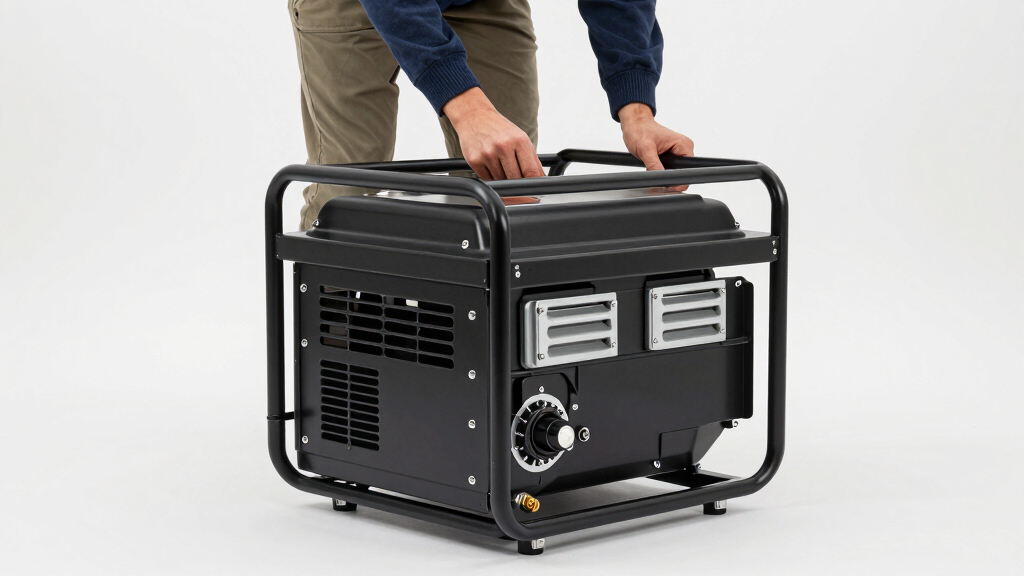
How We Picked
The products in this roundup were selected based on a combination of power output, reliability, ease of installation, fuel type options, and overall value. We prioritized models with proven performance in storm conditions, including those with automatic transfer switches for effortless operation during power outages. Durability and build quality also played a key role, as generators must withstand harsh weather environments. To create this ranking, we compared specifications, customer reviews, and expert opinions to identify which options offer the best balance of performance and usability for hurricane preparedness.Factors to Consider When Choosing Best Standby Generator For Hurricane Season
When choosing the best standby generator for hurricane season, several factors should influence your decision. It’s important to consider your home’s power needs, installation requirements, and budget. Selecting the right fuel type can impact operational costs and availability. Additionally, features like automatic transfer switches and noise levels can significantly affect convenience and comfort during outages. Being aware of common pitfalls, such as underestimating power needs or ignoring professional installation, helps ensure you make an informed choice that keeps your home safe and powered when it matters most.Power Capacity and Size
Matching a generator’s power output to your home’s needs prevents underperformance during critical moments. Larger homes with multiple appliances require higher wattage, often in the 20-30kW range, while smaller households might suffice with models around 8-10kW. Remember that a generator’s physical size and installation complexity increase with capacity, so plan for enough space and professional setup. Overestimating can lead to unnecessary expenses, while underestimating risks leaving you unprotected during storms.
Fuel Type and Availability
Consider whether a natural gas, propane, or dual-fuel generator best fits your situation. Natural gas models are typically more convenient for standby systems as they connect directly to your home’s supply, ensuring continuous fuel during extended outages. Propane offers portability and longer shelf life but requires storage tanks. Dual-fuel options provide flexibility, allowing you to switch fuel sources based on availability and cost, which can be critical during extended storm seasons.
Automatic Transfer Switch (ATS)
An ATS automatically detects power loss and switches your home to generator power without manual intervention. This feature is essential for hurricane preparedness because it ensures your home remains powered seamlessly, especially if you’re away or unable to manually start the generator. While models with ATS tend to be more expensive and complex to install, their convenience outweighs the initial investment for most homeowners wanting reliable backup power during storms.
Noise Level and Location
Generators can be noisy, which might disturb your household or neighbors, especially during long outages. Look for models with noise-reducing features or specified decibel ratings to ensure comfort. Placement also matters: installing the generator in a sheltered, well-ventilated area away from living spaces minimizes noise disturbance and safety concerns. Proper sound mitigation can make a significant difference during prolonged outages caused by hurricanes.
Cost and Long-Term Value
While larger, feature-rich models cost more upfront, they often provide better value over time through durability, reliability, and lower maintenance needs. Cheaper models may save money initially but could require frequent repairs or offer insufficient power, risking inadequate protection during storms. Investing in a high-quality generator with a solid warranty can reduce long-term expenses and stress, especially during hurricane season when dependable backup power is vital.
Frequently Asked Questions
How do I determine the right size generator for my home?
Calculating the appropriate generator size involves listing all essential appliances and their wattage, then adding these figures to ensure the generator can handle the load. It’s wise to consult a professional to perform a load calculation, as this accounts for starting wattage and peak demands. Oversizing slightly provides extra capacity for future needs or additional appliances, but excessively large generators can be unnecessarily expensive and inefficient. Proper sizing guarantees your home remains powered without over-investing in capacity you won’t use.
Is a portable generator a good alternative to a standby system for hurricane prep?
Portable generators offer flexibility and lower initial costs, making them appealing for some homeowners. However, they lack automatic transfer switches and often require manual operation, which can be problematic during storms when quick, hands-free power is needed. They’re best suited as supplementary backup sources or for specific appliances rather than full-home coverage. For reliable, hassle-free protection during hurricane season, a dedicated standby generator typically provides more consistent power and peace of mind.
What maintenance does a standby generator require before hurricane season?
Regular maintenance includes checking and changing oil, inspecting fuel lines, testing the battery, and ensuring the transfer switch functions properly. It’s important to run the generator periodically to verify it operates smoothly and to identify potential issues early. Gas supplies should be topped off, and any environmental protections, like covers or enclosures, should be inspected. Proper pre-season maintenance ensures the generator will perform reliably when you need it most.
Can I install a standby generator myself?
While some homeowners with electrical expertise may install smaller models, most standby generators, especially those with automatic transfer switches and gas connections, require professional installation. Improper setup can lead to safety hazards, code violations, or system failures during outages. Hiring licensed technicians ensures the generator is installed correctly, meets local codes, and functions reliably when hurricanes threaten your area.
How long can a standby generator run continuously during a storm?
The runtime of a standby generator depends on its fuel capacity and load. Many models can operate for 24-48 hours on a full tank if load demands are moderate. Extended outages may require fuel resupply or connection to a natural gas line, which can sustain operation longer. For prolonged storm seasons, selecting a generator with higher fuel capacity or dual-fuel capability can provide continuous backup without interruption, giving peace of mind during extended power outages.
Conclusion
For homeowners seeking a comprehensive, reliable backup during hurricane season, the Champion Power Equipment 22 kW aXis Home Standby Generator stands out as the best overall choice, thanks to its high capacity and seamless operation. Those on a tighter budget or needing portable power might prefer the Westinghouse dual-fuel models for flexibility and affordability. For newcomers, a model with an automatic transfer switch simplifies operation and reduces stress during emergencies. If you need maximum peace of mind and long-term durability, investing in a premium system like the Honeywell 22kW ensures dependable protection when storms arrive. Ultimately, your choice should align with your home’s size, your budget, and how much convenience you desire during hurricane season.NFL season / tailgating Picks
team gear
As an affiliate, we earn on qualifying purchases.