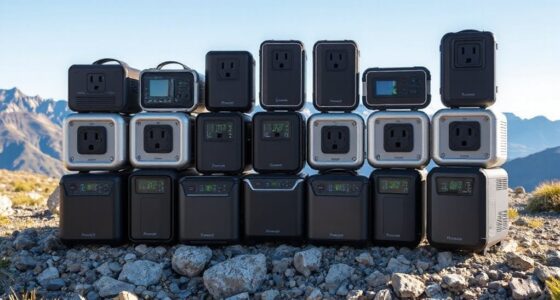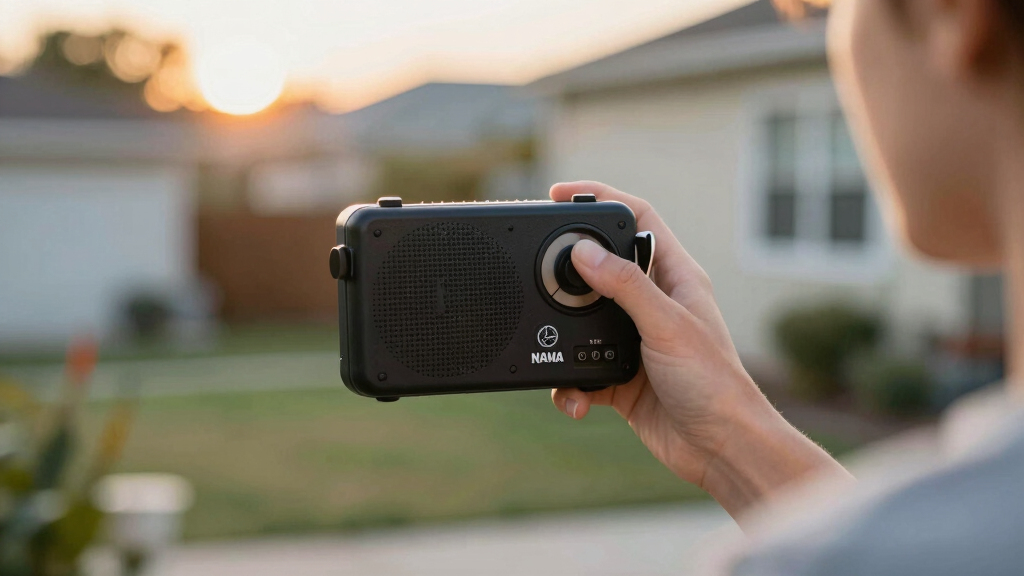
When selecting the best hand crank emergency radio with NOAA, durability, battery life, and reliable NOAA alerts are key factors. The Midland ER310 stands out as the best overall choice due to its robust build and multi-functionality. For those on a tighter budget, the Raynic Emergency Radio offers solid NOAA alerts at a lower price, though it sacrifices some power capacity. The FosPower A1 provides a compact design for portability but offers fewer features. Readers should weigh tradeoffs like battery capacity versus size, and multi-functionality versus simplicity. Continue reading for a detailed comparison to find the best fit for your emergency preparedness needs.
Key Takeaways
- Top-ranked radios combine high battery capacity with versatile NOAA alert features for peace of mind.
- Size and portability vary widely; smaller models are easier to carry but often have reduced power and features.
- Solar charging is common but less efficient than rechargeable batteries—consider your most likely usage scenario.
- Multi-functionality like built-in flashlights, SOS alarms, and device charging significantly increases value but can add bulk and complexity.
- Durability and water resistance are crucial for outdoor or severe weather use, making rugged builds a key differentiator.






More Details on Our Top Picks
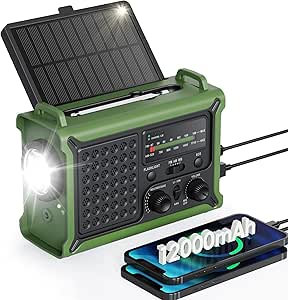
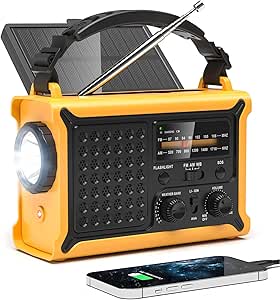
Emergency Weather Radio with Large Solar Panel, Hand Crank, 12000mAh Battery, NOAA Alerts, LED Lights, Phone Charger
This radio stands out for its impressive 12000mAh battery capacity, providing reliable power for multiple devices during extended outages. Its large solar panel and multiple charging options—solar, hand crank, USB, AC—offer versatility that surpasses many competitors like the Midland ER310, which relies more on traditional batteries. However, its bulkier size may hinder portability, making it less suitable for frequent outdoor excursions where lightweight gear is preferred. The inclusion of NOAA alerts, LED flashlight, and water resistance makes it a well-rounded emergency tool. Its tradeoff is that the substantial size could be inconvenient for users seeking a compact device for quick emergencies.
Pros:- Powerful 12000mAh battery supports multiple device charges
- Multiple charging options including solar and hand crank
- Includes NOAA alerts, LED flashlight, and waterproof design
Cons:- Bulkier size reduces portability
- Battery capacity may be overestimated in some reviews
Best for: Families or outdoor enthusiasts who prioritize long-lasting power and durability in emergency situations.
Not ideal for: Hikers or campers needing a lightweight, highly portable device due to its bulk.
- Solar Panel Size:8500mm²
- Battery Capacity:12000mAh
- Water Resistance:IPX6
- Power Output:5W flashlight
- Charging Methods:Solar, hand crank, USB, AC adapter, DC input
Bottom line: This choice is best for those needing a robust, long-lasting emergency radio with extensive power options and durability.
74000mWh Emergency Radio with NOAA Weather, Portable Hand Crank SW/AM/FM Survival Radio with Fast Charge Rechargeable Solar Battery, Flashlight, Reading Lamp, SOS Siren
This model offers an enormous 74,000mWh battery, enabling up to 35 hours of continuous radio operation, making it ideal for prolonged outages. Its compact dimensions and light weight—just 0.68 pounds—set it apart from bulkier options like the Emergency Weather Radio with Large Solar Panel, which, while powerful, can be cumbersome to carry. Its support for NOAA alerts and a range of radio bands, including SW, ensures broad weather coverage. However, manual tuning to receive NOAA alerts can be inconvenient, and its speaker quality isn’t highlighted, which might be a drawback for some users. Its high capacity and portability make it suitable for those who need extended power without bulk.
Pros:- Massive 74,000mWh battery for extended operation
- Lightweight and compact for portability
- Supports NOAA alerts with multiple radio bands
Cons:- Requires manual tuning to access NOAA alerts
- Limited speaker quality info available
Best for: Outdoor adventurers or preppers seeking a lightweight, high-capacity emergency radio for prolonged use.
Not ideal for: Users desiring a device with advanced weather tracking features or a built-in ultrasonic dog whistle, which this lacks.
- Battery Capacity:20,000mAh
- Weight:0.68 Pounds
- Dimensions:6.2″L x 2.2″W x 2.8″H
- Radio Bands Supported:AM/FM/SW/NOAA
- Power Sources:Battery, hand crank, solar, USB Type-C
Bottom line: Ideal for users needing a portable, high-capacity radio capable of long-term use in outdoor or emergency scenarios.
Midland ER310 Emergency Crank Weather AM/FM Radio with NOAA Alert, SOS Flashlight, Ultrasonic Dog Whistle, and USB Charging
The Midland ER310 combines multiple power sources—solar, hand crank, rechargeable battery, and AA batteries—offering versatility that outshines basic models like the NOAA Weather Radio with 12000mAh Battery. Its inclusion of an ultrasonic dog whistle adds a unique emergency feature, and the USB port allows for external device charging. The NOAA alert function, combined with a bright LED flashlight, makes it a strong contender for comprehensive emergency kits. However, it requires 6 AA batteries as a backup, which are not included, adding extra cost and inconvenience. Its size is somewhat bulky, which could be a concern for users prioritizing portability. Overall, it strikes a balance between multi-functionality and reliability.
Pros:- Multiple power sources for reliable operation
- Includes NOAA weather alerts and SOS flashlight
- Ultrasonic dog whistle and USB charging capability
Cons:- Requires 6 AA batteries not included
- Bulky for portable use
Best for: Preppers or outdoor users who want a multi-purpose, reliable emergency radio with extra features.
Not ideal for: Hikers seeking a lightweight device for quick emergencies, as the bulk may be inconvenient.
- Power Sources:Solar, Hand Crank, Rechargeable 2600mAh Battery, 6 AA Batteries
- Battery Life:Up to 32 hours of radio operation
- Flashlight Brightness:130 Lumens
- Weather Scan:Yes, with alert
- Additional Features:Ultrasonic dog whistle, USB device charging
Bottom line: This radio suits users seeking a multi-function device that covers various emergency needs with added features like a dog whistle.
Emergency Weather Radio with NOAA Alerts, 40000mAh Power Bank, Solar & Hand Crank Charging, Flashlight & SOS Alarm (Orange)
This model offers a substantial 40000mAh battery, making it suitable for extended device charging during emergencies. Its multiple charging options—solar, hand crank, Type-C—add flexibility, similar to the larger portable options but in a more compact form. Its NOAA alerts and SOS alarm make it dependable for weather emergencies, similar to the larger emergency radios. However, its weight and bulk are still notable, and without specific details on dimensions, portability may be limited for some users. It also lacks detailed speaker specifications, which could impact audio quality. This pick is best for those who need high capacity in a reasonably portable package for outdoor or disaster scenarios.
Pros:- Massive 40000mAh capacity supports multiple device charges
- Multiple charging methods including solar and hand crank
- Includes NOAA weather alerts and SOS alarm
Cons:- Heavy and bulky for portable applications
- Limited detail on dimensions and weight
Best for: Outdoor enthusiasts or preppers who need a high-capacity power bank with emergency radio features.
Not ideal for: Users requiring a lightweight, pocket-sized device for quick, casual use or minimal pack weight.
- Battery Capacity:40000mAh
- Charging Methods:Hand-crank, Solar, Type-C
- Radio Bands:FM/AM/SW/WB
- Dimensions:Not specified
- Color:Orange
Bottom line: This is a solid choice for those who need substantial power capacity combined with emergency radio features in a durable package.
Emergency Crank Weather Radio with 14800mWh Battery, AM/FM/NOAA Weather, 3-Mode Flashlight & Cell Phone Charger
This device offers a balanced mix of power and features with a 14,800mWh battery supporting extended use. Its inclusion of NOAA weather alerts, a 3-mode flashlight, and a cell phone charging port make it versatile for both home and outdoor emergencies. Compared to the Midland ER310, which relies on multiple power sources, this radio’s integrated 14800mWh battery simplifies operation, though it is somewhat bulkier than ultra-portable models like the 74000mWh option. The device’s water resistance and multiple charging modes make it suitable for varied environments, but its 1W speaker output limits audio quality for larger groups or clear listening. This pick works well for users who want a compact, all-in-one emergency device without excessive size.
Pros:- High-capacity 14800mWh battery for extended use
- Supports NOAA weather broadcasts and multiple charging modes
- Includes a 3-mode flashlight and cell phone charger
Cons:- Relatively bulky for portable use
- Limited speaker output at 1W
Best for: Preppers or outdoor users who need a reliable, multi-function emergency radio with integrated power and charging features.
Not ideal for: Those seeking a lightweight, pocket-sized device, as this model has a larger form factor.
- Battery Capacity:14800mWh (4000mAh)
- Power Source:USB, Solar, Hand Crank
- Radio Bands Supported:AM/FM/Weather Band
- Frequency:108 MHz
- Item Dimensions:6.23″L x 2.48″W x 3.19″H
- Water Resistance Level:Water Resistant
Bottom line: Ideal for users wanting a compact yet powerful emergency radio with integrated power and versatile features.
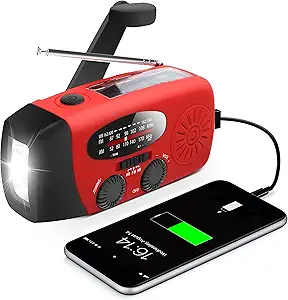
Solar Radio Emergency Hand Crank with 12000mAh Battery, NOAA Weather Radio, LED Flashlight, Cell Phone Charger, SOS
This model stands out for its combination of extensive features and reliable NOAA reception, making it a versatile choice for both everyday preparedness and outdoor adventures. Its 12000mAh battery supports prolonged use, outperforming smaller-capacity options like the Raynic, which offers only 5000mAh. The inclusion of a high-efficiency solar panel and hand crank ensures multiple charging methods, but the device’s bulkier size may challenge portability for those seeking a lightweight option. The built-in LED flashlight and soft reading light add convenience, yet manual cranking can become tiring over extended periods. Compared to the other models, like the B0F5PQJMK9 or B0FJLDKKTM, this radio balances power capacity with multi-functionality, making it suitable for those who prioritize reliability and extended use in unpredictable conditions.
Pros:- Reliable NOAA, AM, FM reception with clear sound
- High-capacity 12000mAh battery for extended use
- Multiple charging options including solar and hand crank
- Built-in LED flashlight and soft reading light
Cons:- Bulky size may reduce portability for some users
- Manual crank operation can be tiring over long periods
Best for: Outdoor enthusiasts and families seeking a durable, all-in-one emergency radio that covers communication, lighting, and charging needs.
Not ideal for: Users who need a compact device for discreet carry or minimal weight during hiking or backpacking.
- Battery Capacity:12000mAh
- Solar Panel:8500mm² monocrystalline
- Dimensions:6.8 x 2.9 x 4.7 inches
- LED Flashlight Range:260 feet
- Power Sources:Solar, hand crank, battery
- Outputs:2 USB ports
Bottom line: This radio is best suited for those who need a robust, multi-functional device capable of powering and communicating in prolonged emergencies.
Hand Crank Emergency Radio Solar with 12000mAh Power Bank, NOAA/AM/FM/Weather Alert, 5W LED Flashlight & Reading Lamp
This rugged device excels with its high-efficiency solar panel and comprehensive weather alert features, making it well-suited for outdoor survival and disaster situations. Its 12000mAh battery is comparable to the Solar Radio, but the addition of waterproofing (IPX6) offers a significant advantage in rainy or wet conditions. Unlike the more feature-rich models like the B0F4QW1PP1, this radio emphasizes durability and outdoor readiness, though it sacrifices some comfort and convenience with its bulkier, rugged design. The 3W LED flashlight and SOS alarm enhance safety, but the need to peel protective film before solar charging can be an annoyance for some users. Compared to the B0FJLDKKTM, it’s a better pick for those who prioritize outdoor resilience over compactness.
Pros:- Large solar panel for efficient charging
- Waterproof rating IPX6 for outdoor durability
- Reliable NOAA weather alerts with fast reception
- Built-in SOS alarm and bright flashlight
Cons:- Bulky design reduces portability
- Requires peeling protective film before solar use
Best for: Hikers, campers, and outdoor adventurers who need a tough, weather-resistant emergency radio with reliable power and alerts.
Not ideal for: Urban dwellers or users needing a lightweight device for everyday use or minimal carry.
- Solar Panel:8500mm² high-efficiency monocrystalline
- Battery Capacity:12000mAh
- Charging Methods:Solar, hand crank, AC, USB, AAA batteries
- Waterproof Rating:IPX6
- LED Flashlight:3W
- Reading Lamp:2.5W
Bottom line: This radio is ideal for rugged outdoor environments where durability and weather resistance are priorities.
NOAA Weather Radio with 12000mAh Battery, Solar Panel, Hand Crank, and Flashlight
This portable NOAA weather radio offers high-sensitivity reception and multiple power options, making it a solid choice for everyday preparedness and outdoor use. Its 12000mAh battery rivals the larger models, but the compact size—more portable than the bulkier alternatives like the B0F5PQJMK9—appeals to users prioritizing ease of carry. Its multiple charging options, including solar, hand crank, AC, and AAA batteries, provide redundancy, but the lack of detailed dimensions makes it harder to gauge pocketability. The built-in flashlight and SOS siren contribute to safety, though its size may still be unsuitable for those seeking a minimal device. Compared to the Raynic, which is lighter and simpler, this radio offers a more feature-rich experience for users who want a balanced mix of portability and functionality.
Pros:- High-sensitivity NOAA reception for clear alerts
- Multiple charging options including solar and AAA batteries
- Compact, portable size with built-in flashlight
- Reliable 12000mAh battery capacity
Cons:- No detailed size specifications, making portability assessment harder
- Not fully waterproof—only water-resistant (IPX3)
Best for: Urban preppers and casual outdoor users seeking a reliable, compact emergency radio with good reception and multiple charging methods.
Not ideal for: Heavy-duty outdoor adventurers who need ultra-durable, waterproof equipment for extreme conditions.
- Battery Capacity:12000mAh
- Power Sources:Solar, hand crank, AC, AAA batteries
- Solar Panel:8500mm² monocrystalline
- Water Resistance:IPX3
- Built-in Flashlight:Yes
- SOS Siren:Yes
Bottom line: This radio offers a practical combination of portability, reliable reception, and multiple charging options for everyday emergency preparedness.
Raynic Emergency Radio with NOAA Weather Alerts, Solar Hand Crank, 5000mAh Battery, Flashlight, and USB Charging
The Raynic Emergency Radio makes the list for its simplicity and portability, though its smaller 5000mAh battery limits extended use compared to larger-capacity models like the B0F4QW1PP1. Its multiple charging options, including solar, hand crank, and USB, provide redundancy, yet the lower battery capacity may require more frequent recharging. The NOAA weather alerts are reliable, but the limited battery size means it’s better suited for short-term use or light emergencies rather than prolonged outages. Its compact design is ideal for users who prioritize lightweight devices, but those needing longer operation or multiple device charging should consider larger options. Compared with the B0FJLDKKTM, which offers higher capacity and more features, this model is better for minimalists or quick-access carry.
Pros:- Compact and lightweight for portability
- Multiple charging options including solar and USB
- Reliable NOAA weather alerts
- Built-in flashlight for basic illumination
Cons:- Limited 5000mAh battery reduces run time
- Not suitable for prolonged emergencies without recharging
Best for: Campers or hikers seeking a lightweight, straightforward emergency radio with essential NOAA alerts and basic lighting.
Not ideal for: Families or individuals preparing for extended power outages or severe weather scenarios requiring longer battery life.
- Battery Capacity:5000mAh
- Power Sources:Solar, hand crank, USB
- Radio Bands:NOAA, AM, FM
- Light Modes:Flashlight
- Size:Small and portable
Bottom line: This radio suits users who need a lightweight, reliable NOAA alert device for short-term or outdoor activities with minimal bulk.
Hand Crank Emergency Radio with NOAA Weather, AM/FM, Solar Power, 20000mAh Rechargeable Battery, Phone Charging, Flashlight, Reading Lamp, SOS Alarm
This model offers the highest capacity in this lineup, with 20000mAh supporting prolonged use and multiple device charging, similar to the B0F4QW1PP1 but with a focus on added features like a reading lamp. Its waterproof IPX3 rating makes it suitable for outdoor use, though it’s not fully waterproof like the B0F5PQJMK9. The large battery supports extensive operation of the flashlight, phone charging, and radio functions, but the device’s size and weight make it less ideal for quick carry or minimal setups. It outperforms smaller options like the Raynic in capacity and versatility, yet the complex array of features may be overwhelming for some users. This pick makes the most sense for those who want high power, multiple functions, and don’t mind extra bulk.
Pros:- Massive 20000mAh capacity for extended use
- Multiple power sources including solar and hand crank
- Water resistance suitable for outdoor conditions
- Includes a reading lamp, SOS alarm, and phone charging
Cons:- Large size and weight reduce portability
- Complex operation may be intimidating for some users
Best for: Preppers and outdoor users needing a high-capacity, multi-function emergency device capable of powering multiple gadgets over long durations.
Not ideal for: Users seeking a lightweight, compact emergency radio for casual or infrequent use.
- Battery Capacity:20000mAh
- Radio Bands:AM, FM, NOAA
- Water Resistance:IPX3
- Additional Features:Reading lamp, SOS alarm, phone charging
- Dimensions:5.12 x 2.36 x 1.77 inches
Bottom line: This radio is best for dedicated preppers and outdoor enthusiasts who prioritize long-lasting power and multi-device support over portability.
RunningSnail Emergency Hand Crank Radio with LED Flashlight, NOAA Weather Radio, 2000mAh Power Bank, USB & Solar Charging, Portable for Camping & Emergencies
The RunningSnail Emergency Hand Crank Radio earns its spot by balancing portability with essential features like NOAA alerts and a built-in 2000mAh power bank. Compared to larger models like the Hand Crank Emergency Radio with NOAA Weather (B0B9H9JWCJ), it offers less battery capacity but excels in lightweight design and ease of transport. Its multiple power sources—hand crank, solar, and rechargeable battery—offer reliable operation during power outages, though solar efficiency is limited and may not fully recharge the unit. The small solar panel is a concern for quick recharging, making this a good choice for short-term emergencies and outdoor activities. Overall, this option stands out for those who prioritize a pocket-sized device for quick access, but it’s less suited for extended outages requiring heavy device charging.
Pros:- Compact and lightweight design for easy portability
- Multiple power sources ensure operation in various scenarios
- Built-in 2000mAh power bank charges phones via USB
Cons:- Solar panel is small and inefficient for quick recharging
- Battery capacity may be insufficient for prolonged use without external power
Best for: Hikers, campers, or travelers needing a lightweight, portable emergency radio with basic charging capabilities.
Not ideal for: People seeking long-term power solutions or extensive device charging, due to its limited battery capacity and small solar panel.
- Dimensions:5 x 1.8 x 2.4 inches
- Weight:0.5 lbs
- Battery Capacity:2000mAh
- Power Sources:Hand Crank, Solar Panel, Built-in Rechargeable Battery
- LED Flashlight:1W
Bottom line: Best suited for outdoor enthusiasts who need a lightweight, multi-source emergency radio for short-term use.
Hand Crank Emergency Radio with NOAA Weather, AM/FM, Solar Charging, 10000mAh Battery, Flashlight, SOS Alarm
This Hand Crank Emergency Radio stands out for its large 10,000mAh battery and robust feature set, making it ideal for prolonged emergencies. Its combination of NOAA alerts, AM/FM radio, solar, and hand crank charging provides comprehensive power options, surpassing the smaller RunningSnail in capacity and versatility. The unit’s water resistance (IPX6) and bright 48 LED flashlight with a reading lamp make it well-suited for outdoor storms or outdoor survival. The size, at 6.3 x 3.5 x 3.1 inches, makes it less portable than compact models but more capable for extended use. This device is perfect for users who want a durable, all-in-one emergency solution, but it may be too bulky for minimalists or those with limited storage space.
Pros:- High-capacity 10,000mAh battery for extended device and USB charging
- Multiple charging options including solar, hand crank, and USB-C
- Water-resistant (IPX6) with bright LED flashlight and reading lamp
Cons:- Bulkier size reduces portability for some users
- Battery life may fluctuate with intensive flashlight or radio use
Best for: Campers, outdoor enthusiasts, or families preparing for long-term outages requiring a powerful, multi-function device.
Not ideal for: Users who need a lightweight, easily portable emergency radio for quick, short-term use or minimal backpack space.
- Battery Capacity:10000mAh
- Radio Bands:AM, FM, NOAA
- Power Sources:Rechargeable battery, solar panel, hand crank, USB-C
- Water Resistance:IPX6
- Dimensions:6.3 x 3.5 x 3.1 inches
- Weight:1.1 lbs
Bottom line: Ideal for users seeking a rugged, all-in-one emergency radio for long-term outdoor or storm preparedness.
FosPower NOAA Emergency Weather Radio A1 with Portable Power Bank, AM/FM, Solar, Hand Crank, SOS Alarm & Flashlight – Orange
The FosPower NOAA Emergency Weather Radio A1 offers a compelling mix of affordability and useful features, including NOAA alerts, AM/FM radio, and multiple charging options like solar, hand crank, and AAA batteries. Its 7400mWh (2000mAh) power bank is smaller than the 10,000mAh unit in the Hand Crank Emergency Radio, but enough for emergency phone charging in the short term. Its bulkier design and manual crank may be less convenient for quick access, yet it provides reliable operation when other sources fail. The inclusion of LED lights and an SOS alarm makes it suitable for outdoor or indoor emergencies, especially for budget-conscious buyers who need solid basic functionality without excess weight or complexity.
Pros:- Affordable price point with essential emergency features
- Multiple power sources including solar, hand crank, and AAA batteries
- Built-in NOAA weather alerts and LED lights
Cons:- Limited battery capacity for extended device charging
- Bulkier design and manual crank may be less convenient for quick use
Best for: Budget-conscious individuals or families seeking a dependable, multi-power source radio for occasional use and emergency preparedness.
Not ideal for: Users requiring extended device charging or compact, lightweight gear for frequent outdoor activities.
- Power Bank Capacity:7400mWh (2000mAh)
- Power Sources:Solar, Hand Crank, AAA Batteries
- Light Output:4 LED reading lights, 1W flashlight
- Radio Frequencies:AM, FM, NOAA
- Color:Orange
Bottom line: A practical choice for those on a budget who want a reliable, multi-source emergency radio for short-term needs.
How We Picked
The selection process focused on performance, usability, and build quality, ensuring each radio can reliably deliver NOAA alerts during emergencies. We evaluated battery capacity, charging options, and the clarity of NOAA alert reception, prioritizing models with durable construction suitable for outdoor conditions. Ease of use, added features like flashlights or device charging, and overall value also influenced rankings. Our goal was to identify radios that balance dependable operation with practical features, giving buyers clear options across different budgets and needs.Factors to Consider When Choosing Best Hand Crank Emergency Radio With NOAA
Choosing the best hand crank emergency radio with NOAA involves assessing several key factors that impact effectiveness and convenience during crises. Beyond basic features, understanding how each element affects usability can help prevent pitfalls like insufficient power or difficulty operating under stress. Here are the main considerations to keep in mind:Battery Capacity and Power Options
Battery capacity determines how long your radio can operate during extended outages. Larger capacities, like 10,000mAh or more, support multiple days of use, especially when combined with solar or hand-crank charging. Consider whether the model includes multiple charging options—solar, hand crank, or USB—so you’re not limited if one power source becomes unavailable. Low-capacity models may require frequent recharging, which can be a challenge in prolonged emergencies.
NOAA Alert Reliability
Clear, dependable NOAA alerts are non-negotiable for emergency radios. Look for models with built-in alert systems that can automatically wake you during severe weather warnings. Some radios offer customizable alert tones or volume controls, which help in noisy environments. Keep in mind that even with good features, poor reception can occur if the antenna or internal design isn’t optimized, so reviews on alert clarity matter.
Durability and Design
Emergency radios should withstand outdoor conditions—think water resistance, shockproofing, and rugged construction. A lightweight design is convenient but might compromise durability. Conversely, sturdier models often come with IP ratings indicating water and dust resistance. The right balance depends on your intended use, whether for home backup, camping, or outdoor adventures. Avoid overly fragile designs if your emergency prep involves outdoor exposure.
Additional Features and Usability
Extra functions such as integrated flashlights, reading lamps, SOS alarms, and device charging greatly enhance a radio’s value. However, more features can increase complexity or size. Prioritize intuitive controls and a clear interface if you’re less experienced with tech. Also, check port types and charging speeds—USB ports vary in output, affecting how quickly you can power devices during an emergency.
Size, Portability, and Weight
The size and weight of your radio influence how easily you can carry it in an emergency kit or backpack. Compact models are easier to store and transport but may have smaller batteries and fewer features. Larger, more robust units offer extended power and more functionalities but can be cumbersome. Consider your most likely scenario—home, vehicle, outdoor—and choose accordingly to balance portability with capability.
Frequently Asked Questions
How long will a typical hand crank emergency radio last on a full charge?
The duration varies based on the battery capacity and usage, but most models can operate for several hours to a day on a full charge or full manual crank. High-capacity models with rechargeable batteries tend to last longer, especially if used in conjunction with solar charging. Keep in mind that continuous use of features like flashlights or NOAA alerts will drain power faster, so consider your specific needs and plan accordingly.
Can I rely solely on a hand crank emergency radio for weather alerts?
While a well-designed NOAA-capable radio provides reliable alerts, no device is entirely foolproof. Reception quality depends on antenna placement, internal design, and signal strength. It’s advisable to have multiple sources of emergency alerts, such as smartphone apps or weather radios, to ensure you don’t miss critical updates. Nonetheless, a quality hand crank NOAA radio remains a dependable backup, especially when power sources are unavailable.
Are solar charging features worth paying extra for?
Solar charging adds convenience, especially if you’re away from power sources for extended periods, but its efficiency can be limited by weather conditions and panel size. For quick, reliable power, rechargeable batteries are often more practical. If you frequently go outdoors or want a backup during long outages, a solar-powered model can be a worthwhile investment, provided it complements other charging options.
What’s the ideal battery capacity for an emergency radio?
For most users, a capacity of around 10,000mAh provides a good balance, supporting multiple uses such as charging devices, running the radio, and powering a flashlight. Larger capacities, like 20,000mAh or more, are better suited for prolonged outages or outdoor use, but they tend to increase size and weight. Consider your typical emergency duration and whether you need to power additional devices when selecting capacity.
Should I prioritize a lightweight, portable model over a more feature-rich one?
It depends on your primary use case. If portability and ease of carrying are paramount—such as for camping or backpacking—a smaller, lighter model is preferable. However, if your main concern is comprehensive preparedness, a heavier unit with more features like multiple charging options, a built-in flashlight, and rugged construction might be more suitable. Balancing size with features will ensure your choice aligns with your needs.
Conclusion
For most users looking for a dependable all-around emergency radio, the Midland ER310 offers top-tier reliability and features, making it the best overall pick. Budget-conscious buyers will find the Raynic Emergency Radio provides solid NOAA alerts at a lower cost, though with less power capacity. Those seeking the most portable and lightweight solution might prefer the FosPower A1, which delivers essential functions in a compact form. For outdoor enthusiasts or heavy users, models with larger batteries and rugged designs are advisable. Match your choice to your specific needs: reliability, portability, or value.