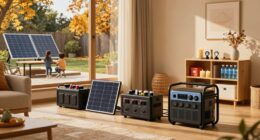
Standby generators play a key role in your comfort-first backup plan by providing automatic, reliable power during outages. They keep your essential appliances running and maintain a safe, comfortable environment regardless of weather or grid issues. Properly installed and sized, they guarantee safety, efficiency, and resilience. By integrating a generator into your strategy, you can enjoy uninterrupted comfort and peace of mind. Keep exploring to discover how to optimize your backup plan further.

Get backup power and energy gear delivered free — and shop member deals
- Fast, free delivery on millions of items
- Access to Prime Big Deal Days deals on October 6–7
- Prime Video, Amazon Music and more included
Key Takeaways
- Standby generators ensure continuous power, maintaining comfort and essential functions during outages.
- They integrate seamlessly into a comprehensive backup plan for safety and peace of mind.
- Automatic activation minimizes disruption, supporting uninterrupted comfort and convenience.
- Proper sizing and installation optimize performance, ensuring reliable power for critical appliances.
- Fuel efficiency and sustainability contribute to long-term reliability and environmental responsibility.
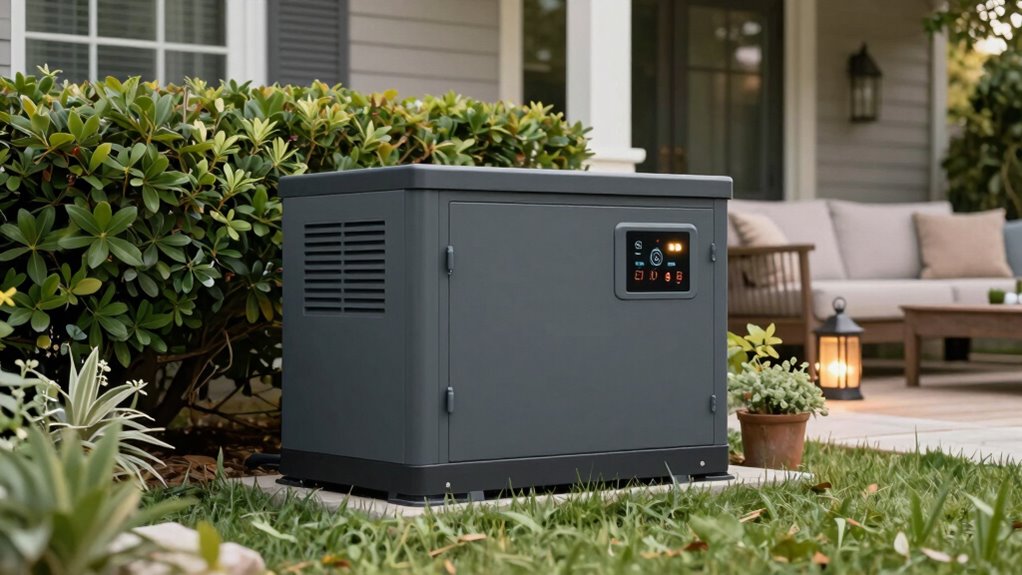
Have you ever experienced a power outage that left your home or business in the dark? When that happens, it’s easy to feel vulnerable, especially if you rely on electricity for essential functions. That’s where standby generators come into play, offering a reliable backup that keeps your environment comfortable and operational during outages. To make the most of this technology, you need to think about how standby generators fit into your overall comfort-first backup planning. It’s not just about having power; it’s about maintaining peace of mind, safety, and convenience.
One critical factor to evaluate is fuel efficiency. Modern standby generators are designed to deliver power effectively while consuming the least amount of fuel possible. This is crucial because it directly impacts your operating costs and the sustainability of your backup system. Fuel-efficient models ensure that you don’t have to worry about running out of fuel during extended outages, which could otherwise compromise your comfort and safety. Additionally, choosing a generator with good fuel efficiency can help you plan for fuel storage and delivery, making your backup system more reliable and less costly over time. Incorporating energy conservation practices into your planning can further enhance your system’s sustainability. Understanding the importance of generator capacity and how it aligns with your power needs ensures you select the right size for your home or business, maximizing efficiency.
Installation considerations are just as important as the generator itself. Proper placement is essential—not only for safety and compliance with local codes but also for maximum performance. You want to avoid placing your generator in areas where exhaust fumes might enter your home or where noise could disturb your household or neighbors. Accessibility is another key factor; you need to ensure the generator is easy to reach for maintenance and refueling. Ventilation is also critical to prevent overheating and ensure proper airflow. Before installation, assess your property’s layout, local regulations, and the proximity to fuel sources to select the best spot. Consulting with a professional installer will help you navigate these considerations, ensuring your generator operates efficiently and safely. Additionally, understanding your generator’s power capacity is vital to ensure it can handle your essential load demands during outages. Proper sizing not only improves performance but also enhances your overall backup plan effectiveness.
Beyond the technical aspects, integrating a standby generator into your backup planning means thinking about how it complements your overall comfort strategy. You want a system that kicks on automatically, minimizes disruption, and provides consistent power for your essential appliances and systems. Properly selected and installed, a standby generator becomes a cornerstone of your resilience plan—keeping your environment comfortable and secure, no matter what the weather or grid issues bring.
In the end, a standby generator isn’t just a piece of equipment; it’s an investment in your peace of mind. By focusing on fuel efficiency and installation considerations, you guarantee your backup plan is both reliable and cost-effective. This way, you can face power outages confidently, knowing your home or business remains comfortable and operational at all times.
standby generator for home backup
As an affiliate, we earn on qualifying purchases.
As an affiliate, we earn on qualifying purchases.
Frequently Asked Questions
How Long Can Standby Generators Operate Continuously?
You can usually run standby generators continuously for 8 to 12 hours, depending on their size and fuel capacity. Keep in mind that fuel consumption increases with load, so running it nonstop may deplete fuel faster. Noise levels also vary; larger units tend to be louder, which could impact comfort during extended use. Regular maintenance and proper sizing help optimize operation and minimize disruptions during prolonged outages.
Are Standby Generators Environmentally Friendly?
Standby generators are like double-edged swords—they provide reliable backup power but aren’t the most eco-friendly. Traditional models often rely on fossil fuels, emitting pollutants that counter emission reduction efforts. However, integrating renewable energy sources, like solar-powered generators, makes them more environmentally friendly. Choosing eco-conscious options helps reduce your carbon footprint, aligning backup power solutions with sustainable practices and supporting a cleaner, greener future.
What Maintenance Is Required for Standby Generators?
You should follow regular maintenance schedules for your standby generator, including oil changes, filter replacements, and inspecting the battery. Keep the fuel system clean to secure fuel efficiency and reliable operation. It’s also wise to run your generator periodically, especially during non-emergency times, to keep it prepared for power outages. Proper maintenance helps prolong the generator’s lifespan and guarantees it performs efficiently when you need it most.
Can Standby Generators Power an Entire Home?
Think of a standby generator as the heart of your home’s resilience. Yes, with proper generator installation, it can power an entire home, depending on its power capacity. Larger units are like robust engines, ready to energize everything from lights to appliances. But, always match your generator’s capacity to your home’s needs to guarantee seamless operation during outages, keeping your comfort steady and uninterrupted.
How Do Standby Generators Handle Fuel Supply During Outages?
Standby generators handle fuel supply through dedicated fuel storage tanks, which provide a steady power source during outages. You’ll want to guarantee these tanks are filled beforehand or have regular fuel deliveries scheduled. Keep in mind, using fossil fuels impacts the environment, so consider options like propane or bi-fuel systems to reduce environmental impact. Proper maintenance of fuel systems also helps ensure reliable operation when you need it most.
automatic home standby generator
As an affiliate, we earn on qualifying purchases.
As an affiliate, we earn on qualifying purchases.
Conclusion
In the end, incorporating a standby generator into your backup plan guarantees you’re not caught off guard when the power goes out. It’s like having a safety net that catches you before you hit the ground. By planning ahead and choosing the right generator, you keep your comfort intact, no matter what surprises nature throws your way. Think of it as planting a seed today for peace of mind tomorrow—because being prepared makes all the difference.
fuel-efficient standby generator
As an affiliate, we earn on qualifying purchases.
As an affiliate, we earn on qualifying purchases.
As an affiliate, we earn on qualifying purchases.
Evergreen bestsellers Picks
bestsellers
As an affiliate, we earn on qualifying purchases.