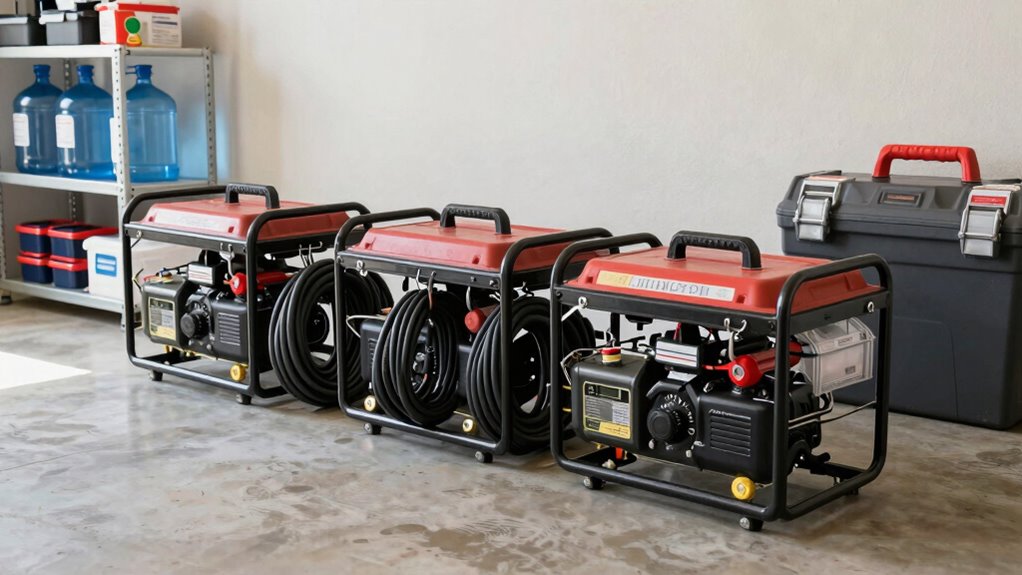
To make backup power easier during hurricanes, you should establish a routine of inspecting and testing your generator regularly. This keeps it in good working condition and guarantees you’re familiar with its operation. Practicing how to start and run it helps prevent delays during outages. Safe fuel storage and understanding local regulations also boost readiness. Keep up this habit consistently, and you’ll find maintaining power in emergencies becomes much smoother—stay tuned to learn more about staying prepared.

Get backup power and energy gear delivered free with Prime
- Fast, free delivery on millions of items
- Prime Video, Amazon Music and more included
- Member-only deals all year
Key Takeaways
- Regularly test and run your generator to ensure it operates smoothly during outages.
- Develop and practice a comprehensive storm preparedness plan including backup power protocols.
- Store extra fuel safely and familiarize yourself with local regulations to ensure quick access when needed.
- Maintain and service your generator routinely to prevent failures during storm emergencies.
- Incorporate environmental and community resilience strategies into your planning for more effective power management.
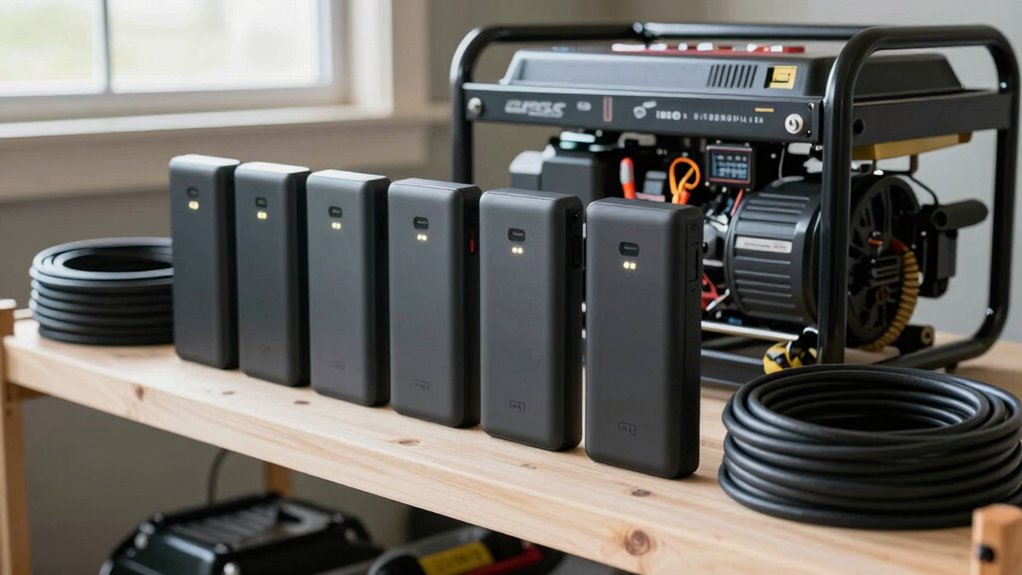
Hurricanes can cause power outages that last for days, leaving you with no electricity for lighting, refrigeration, or communication. To make backup power easier, you should regularly check your generator and ensure it’s in good working condition. Practicing how to start and operate your generator before an emergency strikes helps you avoid delays when you need it most. Keep extra fuel stored safely, and know the local regulations for storage and use. This way, you won’t waste precious time during a storm trying to figure out how to get your backup power running. Regularly testing your generator maintenance ensures it will perform when needed. Additionally, understanding power outage preparedness can help you better manage extended outages and stay safe during emergencies. Incorporating biodiversity-friendly practices in your home, such as planting native species, can also help support local ecosystems even during disruptions caused by storms. Being aware of climate resilience strategies can further enhance your community’s ability to recover quickly from storm impacts. Developing a storm preparedness plan that includes backup power considerations can further streamline your response and recovery efforts.
portable generator for home backup
As an affiliate, we earn on qualifying purchases.
As an affiliate, we earn on qualifying purchases.
Frequently Asked Questions
How Often Should I Test My Backup Power System?
You should test your backup power system at least once every three to six months. During these tests, focus on generator maintenance, guaranteeing it starts up smoothly and runs efficiently. Don’t forget battery testing, which helps verify your system’s readiness. Regular testing prevents surprises during emergencies, keeps components in good shape, and ensures your backup power will work reliably when you need it most.
What Safety Precautions Are Essential During Power Outages?
During power outages, don’t underestimate the chaos—your safety depends on it! Prioritize kitchen safety by avoiding open flames or electrical appliances, and keep emergency communication devices fully charged. Never use generators indoors; they can produce deadly fumes. Keep flashlights accessible, and stay informed through battery-powered radios. These precautions guarantee your safety and keep you connected, even when the lights go out, turning potential disasters into manageable situations.
Can I Use My Regular Appliances With Backup Generators?
You can use your regular appliances with backup generators, but appliance compatibility and generator efficiency are key. Check each appliance’s power needs and match them with your generator’s capacity to avoid overloads. Use heavy-duty extension cords safely and run only essential appliances to maximize efficiency. Always follow manufacturer instructions, and consider a transfer switch for safer, more reliable power transfer, ensuring your backup power setup is both effective and safe.
How Do I Store Backup Fuel Safely?
Storing backup fuel safely is like handling a ticking time bomb—you need caution. Follow strict safety protocols: store fuel in approved containers away from heat or flames, in a well-ventilated area, and keep it out of reach of children. Regularly check for leaks or deterioration. Proper fuel storage safeguards your home and health, ensuring you’re ready when power’s out without risking dangerous accidents.
What Signs Indicate My Backup Power System Needs Maintenance?
You’ll know your backup power system needs maintenance if your generator runs roughly, makes unusual noises, or struggles to start. Regular generator maintenance is essential to keep it reliable. Also, check your fuel storage—if fuel has degraded or become contaminated, it can cause issues. Schedule routine inspections, monitor fuel quality, and address any minor problems promptly to guarantee your system operates smoothly when you need it most.
As an affiliate, we earn on qualifying purchases.
Conclusion
By developing this simple hurricane prep habit, you’ll guarantee backup power is always ready when needed, preventing stressful outages. Some might think it’s extra effort for something unlikely, but being prepared offers peace of mind and safety during emergencies. Investing just a few moments now can save you hours later, avoiding unnecessary complications. So, stay consistent with your prep routine—because when a storm hits, reliable backup power isn’t just a convenience, it’s a necessity.
As an affiliate, we earn on qualifying purchases.
As an affiliate, we earn on qualifying purchases.
Fall Picks
fall essentials
As an affiliate, we earn on qualifying purchases.