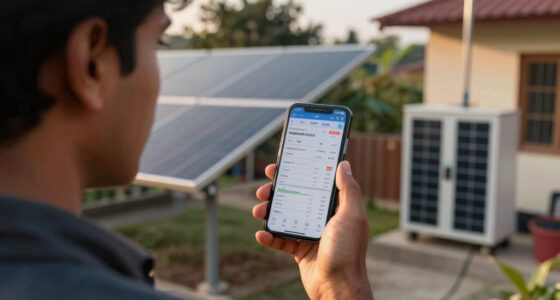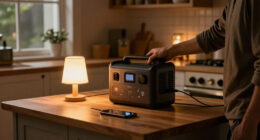
To build a safe, clean indoor battery backup zone, organize your space with labeled containers and proper shelving for batteries and tools. Install safety features like fire-resistant materials, smoke detectors, and circuit breakers. Guarantee good lighting with flicker-free LEDs and proper ventilation with exhaust fans and outside outlets to prevent gas buildup. Regularly inspect and maintain the area for damage or corrosion. By following these steps, you’ll improve safety and sustainability—keep going to discover more tips for a secure backup setup.

Get backup power and energy gear delivered free with Prime
- Fast, free delivery on millions of items
- Prime Video, Amazon Music and more included
- Member-only deals all year
Key Takeaways
- Use fire-resistant materials and proper insulation around batteries and electrical components for enhanced safety.
- Ensure adequate ventilation with exhaust fans and outdoor venting to prevent gas buildup.
- Organize storage with labeled containers and shelving to maintain cleanliness and quick access.
- Install safety devices like smoke detectors, circuit breakers, and clear signage for emergency preparedness.
- Incorporate renewable energy sources and remote monitoring to promote sustainability and efficient system management.
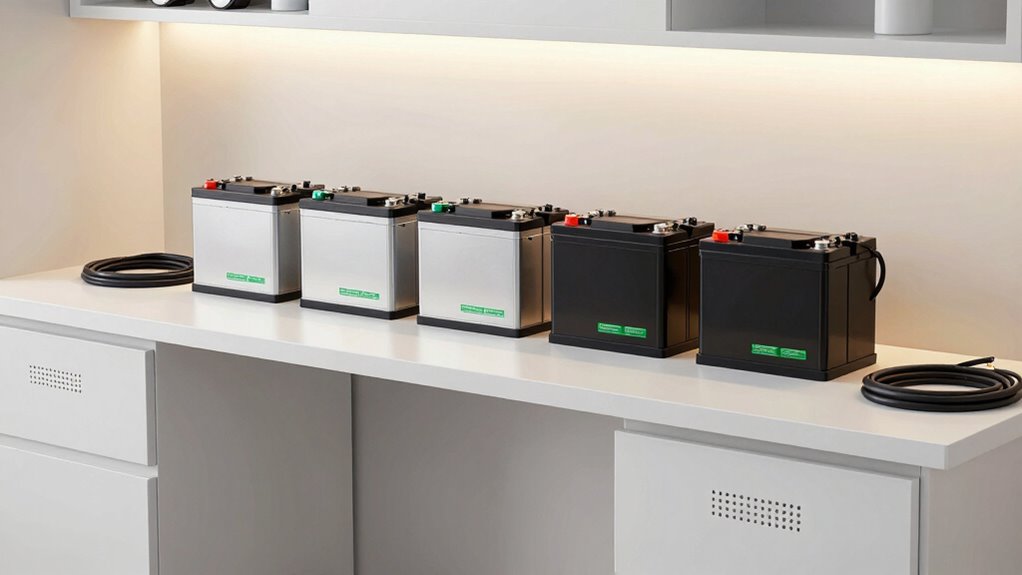
An indoor battery backup zone is essential for guaranteeing your home’s safety and security during power outages. This dedicated space allows you to keep critical devices running smoothly, protecting your family and maintaining essential functions. When designing your backup zone, consider integrating renewable energy sources like solar batteries, which not only reduce reliance on the grid but also promote sustainability. These systems can be seamlessly incorporated into your backup plan, offering a cleaner and more eco-friendly energy solution. To do this effectively, you’ll need to establish safety protocols that ensure the entire setup operates safely and efficiently. Proper wiring, grounding, and ventilation are indispensable, preventing potential hazards such as overheating or electrical fires. Incorporating cloud server solutions can help you remotely monitor and manage your backup system, ensuring everything remains operational even when you’re away.
An indoor backup zone with renewable energy ensures safety, sustainability, and reliable power during outages.
Creating a clean, organized zone is key to making it feel safe and manageable. Use storage solutions like labeled containers and shelving to keep batteries, chargers, and tools neatly arranged. Avoid clutter, as it can cause accidents or make it difficult to access essential equipment quickly when needed. Incorporating fire-resistant materials where appropriate, especially around batteries and electrical components, can further reduce risks. Regular inspections are critical—check for corrosion, leaks, or any signs of damage, and replace components as needed to maintain safety standards. Additionally, establishing a maintenance schedule helps ensure that safety measures are consistently upheld. Incorporating safety signs and clear instructions can also help reinforce proper procedures for household members.
Lighting your backup zone properly not only makes it easier to work in but also enhances safety. Bright, flicker-free LED lights are energy-efficient and provide clear visibility, so you can perform maintenance or troubleshoot issues with confidence. Ventilation is another key aspect; batteries, especially lead-acid types, emit gases that need proper airflow to prevent accumulation and ensure safety. Install exhaust fans or vent openings that lead outside, and make sure the airflow system is maintained regularly. Proper ventilation not only improves safety but also prolongs the lifespan of your equipment. Ensuring your backup zone has these features can significantly reduce risks associated with gas buildup or overheating.
Incorporate safety devices like smoke detectors, carbon monoxide alarms, and circuit breakers within or near your backup zone. These devices serve as early warning systems, alerting you to potential dangers and helping you respond swiftly. Educate everyone in your household about emergency procedures, including how to safely turn off the backup system if needed. Keep essential tools and contact information handy, and establish routine checks to ensure everything remains operational and safe. Also, consider adding signage or instructions to make emergency responses more straightforward for everyone involved. Conducting regular safety drills can further prepare your household for power outages or emergencies.
Building an indoor battery backup zone that feels safe and clean isn’t just about installing equipment; it’s about creating a reliable, organized environment that prioritizes safety and sustainability. By integrating renewable energy options and adhering to safety protocols, you can enjoy peace of mind knowing your home is prepared for power interruptions while minimizing risks and environmental impacts.
indoor battery backup safety enclosure
As an affiliate, we earn on qualifying purchases.
As an affiliate, we earn on qualifying purchases.
Frequently Asked Questions
What Are the Cost Considerations for Setting up a Backup Zone?
Your cost considerations include conducting a thorough cost analysis and budget planning. You’ll need to account for the price of batteries, inverter systems, and installation costs. Factor in ongoing expenses like maintenance and potential upgrades. By carefully analyzing expenses upfront, you guarantee your backup zone remains affordable while providing reliable power. Staying within your budget helps you create a safe, clean space without overspending, making the project sustainable long-term.
How Often Should the Battery Backup System Be Maintained?
You should maintain your battery backup system at least twice a year to guarantee peak performance. Regular maintenance helps extend the battery lifespan and prevents unexpected failures. Follow a consistent maintenance schedule that includes inspecting for corrosion, testing the system, and cleaning terminals. Proper upkeep keeps your backup zone safe and reliable, so you’re prepared during power outages. Remember, proactive care is key to maximizing your battery system’s longevity and efficiency.
Can I Install a Battery Backup Zone Myself?
Did you know that over 60% of electrical accidents happen during DIY projects? You can install a battery backup zone yourself, but it’s vital to follow safety procedures. If you’re comfortable with electrical work and understand local codes, DIY installation is possible. However, if you’re unsure or unfamiliar with wiring, it’s safer to hire a professional. Always prioritize safety and proper procedures to prevent hazards and guarantee reliable backup power.
What Safety Precautions Are Necessary During Installation?
You should prioritize fire safety and avoid electrical hazards during installation. Turn off the main power supply before starting, and wear insulated gloves and safety goggles. Keep the workspace clear of flammable materials, and guarantee proper ventilation. Use certified equipment and follow manufacturer instructions carefully. If unsure, consult a licensed electrician. These precautions help prevent accidents, protect your home, and guarantee a safe, clean backup zone.
How Long Does a Typical Battery Backup Last During an Outage?
A typical battery backup lasts between 4 to 8 hours during an outage, depending on its battery capacity and the power demand of your devices. You can prolong this power duration by choosing a backup with higher battery capacity or reducing the load on your system. Keep in mind that high-power appliances drain the battery faster. Regularly monitoring your backup’s performance ensures it’s ready when you need it most.
fire-resistant battery storage containers
As an affiliate, we earn on qualifying purchases.
As an affiliate, we earn on qualifying purchases.
Conclusion
Creating a safe, clean indoor battery backup zone is essential for peace of mind during outages. By following proper ventilation and storage practices, you minimize hazards and guarantee reliability. Some believe that maintaining a backup zone can also boost overall safety, but this isn’t universally proven. Still, investing in a well-designed space, with regular checks, can help you feel prepared without compromising cleanliness or safety. Truly, a thoughtful setup makes all the difference.
LED work lights for safety zones
As an affiliate, we earn on qualifying purchases.
As an affiliate, we earn on qualifying purchases.
ventilation exhaust fan for battery room
As an affiliate, we earn on qualifying purchases.
As an affiliate, we earn on qualifying purchases.
Fall Picks
fall essentials
As an affiliate, we earn on qualifying purchases.