
During outages, make certain your pet stays comfortable by maintaining a stable temperature with blankets, insulation, or portable fans and heaters. Keep fresh water accessible at all times, checking and cleaning containers regularly to prevent contamination. Watch for signs of stress like pacing or hiding, and offer soothing spaces or familiar items to calm them. Staying prepared with emergency supplies and knowing how to respond post-outage can make all the difference—more tips ahead to keep your pet safe and secure.
Key Takeaways
- Maintain a stable environment using blankets, insulation, and climate control devices to prevent temperature stress.
- Ensure continuous access to clean, fresh water with regular checks and proper filtration.
- Recognize early signs of pet anxiety and use calming techniques like soft music and familiar items.
- Prepare emergency kits with food, water, medications, and comfort items for post-outage recovery.
- Move pets to sheltered, quiet areas and monitor their health and behavior throughout and after outages.

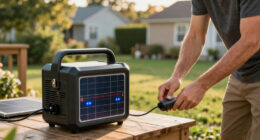
Anker SOLIX C1000 Gen 2 Portable Power Station, 2,000W (Peak 3,000W) Solar Generator, Full Charge in 49 Min, 1,024Wh LiFePO4 Battery for Home Backup, Power Outages, and Camping (Optional Solar Panel)
49 Min UltraFast Recharging: With upgraded HyperFlash tech, fully recharge at 1,600W—for outage prepping, camping trips, or tailgating...
As an affiliate, we earn on qualifying purchases.
Managing Temperature Fluctuations for Your Pets

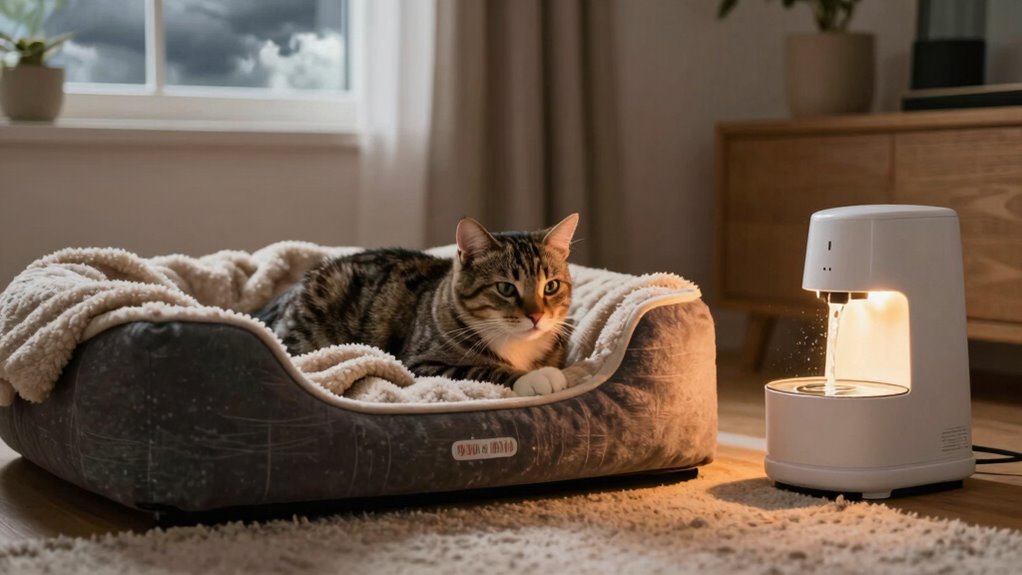
When the power goes out, temperature fluctuations can quickly become stressful for your pets. To manage this, focus on maintaining a stable environment through climate control. Use blankets, pet beds, or insulated shelter materials to help keep your pet warm if it’s cold. Conversely, if it’s hot, ensure proper ventilation and shade to prevent overheating. Proper shelter insulation is key; it helps trap heat during cold spells and keeps out heat in warmer weather. Consider moving your pet to a central, sheltered area of your home where temperature swings are less extreme. Avoid placing your pet in drafty spots or direct sunlight. Your goal is to create a consistent, comfortable space that minimizes temperature stress during outages. Field‑of‑view and imaging‑scale examples can help you better understand how to optimize your pet’s environment during power disruptions. Additionally, using temperature monitoring devices can provide real-time feedback to ensure your pet’s environment remains within a safe range, especially since understanding thermal regulation is crucial for preventing heat stress or hypothermia. Incorporating insulation techniques can further stabilize your pet’s environment by improving temperature retention regardless of external conditions. Employing climate control options, such as portable fans or heaters, can also be valuable in maintaining a stable temperature during outages.

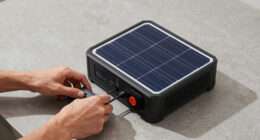
Jackery Portable Power Station Explorer 300, 293Wh Backup Lithium Battery, Solar Generator for Outdoors Camping Travel Hunting Blackout (Solar Panel Optional)
SPEED UP YOUR RECHARGEABILITY: It takes only 2 hours to recharge 80% battery of the power station through...
As an affiliate, we earn on qualifying purchases.
Ensuring Constant Access to Fresh Water

Make sure to check your pet’s water supply regularly to guarantee it’s clean and full. Refresh their water daily and avoid letting it become contaminated. Staying vigilant helps keep your pet hydrated and healthy during outages. Additionally, using essential oils such as lavender or eucalyptus in diffusers (ensuring they are pet-safe and used properly) can promote relaxation and support respiratory comfort for your pet. Incorporating natural filtration systems can also help maintain water quality and reduce chemical reliance. Proper water quality management is crucial for protecting your pet from potential contaminants during such times, especially when relying on herbal infusion techniques that may involve water treatment methods.
Regular Water Checks
Have you checked your pet’s water supply recently? Regular water checks are essential during outages to ensure your pet stays hydrated. Keep an eye on their water level and refresh it frequently, especially if you’re using water filtration systems. Sticking to consistent hydration schedules helps prevent dehydration and keeps your pet comfortable. During outages, water sources can become contaminated or evaporate quickly, so double-check that the water remains clean and accessible. Don’t rely on a single container; instead, provide multiple water sources if possible. This way, your pet always has access to fresh water, reducing stress and ensuring their well-being. Regular checks might seem simple, but they’re crucial for maintaining your pet’s health and comfort during challenging times. Proper hydration is vital for your pet’s overall health and helps mitigate anxiety during outages. Ensuring the cleanliness of water can prevent health issues and promote better hydration. Additionally, monitoring water quality helps identify potential contaminants before they cause harm. Understanding water filtration systems can aid in maintaining the purity of your pet’s water supply during extended outages. Implementing automatic water dispensers can also help ensure continuous access without frequent manual refills.
Use Fresh Water Daily
Ensuring your pet always has access to fresh water is essential, especially during outages. You should set a hydration scheduling routine to check and refill their water bowls at regular intervals. This prevents your pet from going without water and keeps them properly hydrated. Using water filtration can improve water quality, removing impurities and odors that might discourage drinking. Refresh the water daily, even if it looks clean, to prevent bacteria buildup. Keep multiple water sources available if possible, especially during extended outages. Incorporating advanced filtration systems can further enhance water quality and promote better hydration. Being aware of cloud-based outages and how they can affect water supply or related services can help you prepare better for such disruptions. Promoting biodiversity in your environment can also help ensure a resilient water supply by supporting natural water filtration through healthy ecosystems. Additionally, maintaining proper water conservation practices can help mitigate shortages during prolonged outages.
Prevent Water Contamination
To keep your pet healthy during outages, it’s essential to prevent water contamination by regularly cleaning and disinfecting their water containers. Proper water filtration can markedly reduce harmful bacteria and debris, ensuring clean drinking water. To achieve contamination prevention, follow these steps:
- Wash containers thoroughly with soap and hot water weekly.
- Disinfect with a mixture of water and vinegar or pet-safe disinfectant.
- Replace the water daily to prevent stagnation and bacterial growth.
- Consider using support breakfast options that provide nutritious meals to help maintain overall pet health during stressful times.
- Ensuring proper storage and handling of water can further minimize the risk of contamination and promote ongoing pet safety.

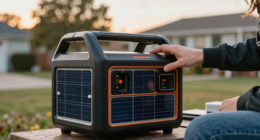
Jackery Explorer 1000 v2 Portable Power Station,1070Wh LiFePO4 Battery,1500W AC/100W USB-C Output, 1 Hr Fast Charge, Solar Generator for Camping,Emergency, RV, Off-Grid Living(Solar Panel Optional)
Powerful yet Compact: Boasting a 1,500W AC output and a 3,000W surge peak, the Solar Generator 1000 V2...
As an affiliate, we earn on qualifying purchases.
Creating a Comfortable and Secure Environment

Creating a comfortable and secure environment for your pet during outages starts with thoughtful preparation. Use pet-friendly decor to create a cozy space that feels safe and inviting. Soft blankets, familiar toys, and a designated spot can help your pet feel secure amid uncertainty. Incorporate calming scents, like lavender or chamomile, to reduce stress and promote relaxation. Keep the area quiet and free from loud noises or sudden disruptions, which can increase anxiety. Make certain your pet has easy access to their water and a comfortable resting place. By thoughtfully arranging their space with familiar items and soothing elements, you help your pet feel protected and calm during challenging times. Proper setup can make a significant difference in their comfort and security. Additionally, understanding water quality can be useful if you need to ensure safe drinking water during outages, ensuring safety during handling. Ensuring water safety is particularly important to prevent any health issues related to contaminated or unsafe water sources. Regularly monitoring water sources can help identify potential risks early and safeguard your pet’s health.
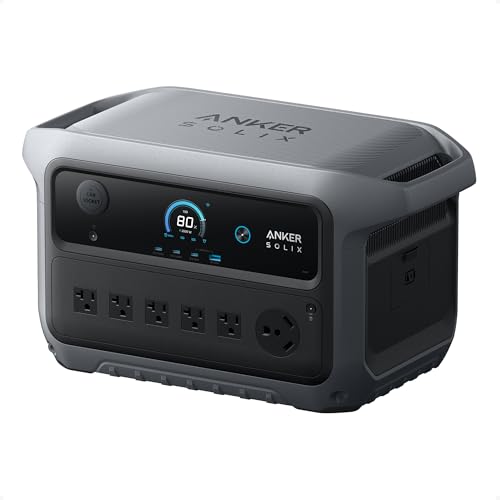
Anker SOLIX C2000 Gen 2 Portable Power Station, 2,400W (Peak 4,000W) Solar Generator, Full Charge in 58 Min, 2048wh LiFePO4 Battery for Home Backup, Power Outages, and Camping (Optional Solar Panel)
Ultra-Efficient Power for Longer Runtime: Uses only 9W on standby, powering a dual-door fridge for up to 32...
As an affiliate, we earn on qualifying purchases.
Recognizing and Reducing Anxiety Signs

You can spot your pet’s anxiety through behaviors like pacing, excessive grooming, or hiding. Physical signs such as trembling, drooling, or a tense body also signal stress. Recognizing these signs early helps you take steps to calm your pet and ease their emotional response. Incorporating soothing decor elements into your space can also help create a calming environment for your pet during stressful times. Using comfortable and quiet spaces designed for pets can further reduce their anxiety during outages. Additionally, understanding how smartphone settings can assist in monitoring or calming your pet may provide helpful solutions during power or service disruptions. Being aware of vet-recommended calming techniques can also be beneficial in managing your pet’s stress effectively.
Common Anxiety Behaviors
How can you tell if your pet is feeling anxious during a power outage? Look for common anxiety behaviors, which often include restless pacing, excessive grooming, or hiding. You might also notice signs like whining or trembling. To help reduce their stress, consider these strategies:
- Provide behavioral enrichment, such as puzzle toys or comforting blankets, to distract them.
- Minimize noise phobias by creating a quiet, cozy environment with soft music or white noise.
- Observe their responses closely and offer gentle reassurance without overwhelming them.
Recognizing these signs allows you to take proactive steps to comfort your pet. By understanding their behaviors, you can help ease their anxiety during unpredictable outages and foster a calmer, safer space.
Physical Stress Indicators
During a power outage, animals often display physical signs of stress that can be more subtle than behavioral changes. You might notice physical symptoms such as rapid breathing, panting, or trembling, which indicate discomfort. Other signs include tense muscles, dilated pupils, or restlessness. These physical cues serve as important indicators of your pet’s anxiety levels. Recognizing these signals early allows you to respond promptly and help reduce their stress. Pay close attention to any sudden changes in posture or physical agitation, as these are common physical stress indicators. By observing both behavioral cues and physical symptoms, you can better understand your pet’s state of mind and take steps to comfort them during outages. Prompt recognition helps ease their anxiety and keeps them safer.
Emotional Response Signs
Physical signs of stress provide valuable clues about your pet’s discomfort, but emotional responses reveal how they’re truly feeling inside. Recognizing signs like excessive licking, hiding, or vocalizing helps you identify anxiety. To reduce their stress:
- Monitor changes in their pet diet to ensure they’re not losing appetite due to stress.
- Adjust shelter placement to a quieter, more secure area, minimizing noise and activity.
- Offer gentle reassurance and familiar items, like a favorite blanket or toy, to help them feel safe.
Emergency Supplies and Preparation Tips

Being prepared for power outages is essential to keeping your pets comfortable and safe. Start with an emergency kit that includes pet food, water, medications, and a flashlight. Consider pet insurance to help cover veterinary emergencies if accidents happen. Keep a list of nearby veterinary clinics and emergency numbers handy. Store extra blankets, leashes, and a familiar toy to reduce stress. Regularly check and update supplies to ensure everything is functional.
| Item | Quantity | Notes |
|---|---|---|
| Pet food & water | 3 days | Store in airtight containers |
| Medications | As needed | Include prescriptions |
| First aid kit | 1 | Tailored for pets |
| Leash & harness | 2 | For safe outings |
| Important contacts | List | Vet, emergency numbers |
Post-Outage Care and Monitoring

Once the power is restored, your focus should shift to monitoring your pets closely to ensure they recover quickly from the outage. Keep an eye out for signs of stress, dehydration, or discomfort that may require immediate attention. To support their recovery:
- Check their overall condition, including fur, skin, and eyes, for any signs of injury or illness needing vet care.
- Reintroduce pet grooming carefully to remove dirt or debris accumulated during the outage.
- Watch for veterinary emergencies like vomiting, diarrhea, or lethargy, which may indicate underlying health issues caused by stress or environmental changes.
Promptly address concerns and consult your vet if necessary. Monitoring and gentle care help your pets regain their normal health and comfort quickly.
Frequently Asked Questions
How Can I Tell if My Pet Is Suffering From Heatstroke During an Outage?
If you suspect your pet has heatstroke, look for heat signs like excessive panting, drooling, weakness, or rapid heartbeat. If you notice these signs, act quickly by moving your pet to a cooler area, offering water, and applying cool (not cold) water to their body. Always follow safety measures by cooling them gradually and seeking veterinary care immediately to prevent serious health issues.
What Are the Best Ways to Prevent Dehydration in Pets Without Access to Fresh Water?
To prevent dehydration, focus on effective hydration strategies and water preservation. Offer your pet small, frequent amounts of water if possible, and keep water in shaded, cool areas to slow evaporation. Use damp cloths or ice packs on their body to help with cooling and encourage drinking. Avoid overexertion, and watch for signs of dehydration. These steps help keep your pet hydrated and comfortable during outages.
How Do I Make My Pet Feel Safe in Unfamiliar or Altered Environments?
You need to be their anchor in unfamiliar settings, providing pet reassurance through gentle words and calm movements. Keep their environment as familiar as possible by sticking to routines they know—feeding, play, and rest times. Remember, a steady presence is like a lighthouse guiding them through rough waters. Your consistent reassurance helps ease anxiety, making new surroundings feel safer and more inviting for your pet.
What Are Early Signs of Anxiety or Stress in Pets During Power Outages?
You’ll notice early signs of anxiety or stress in your pet through behavior cues like restlessness, excessive barking, or hiding. Environmental changes, such as sudden darkness or unfamiliar sounds, can heighten their anxiety. Watch for trembling, panting, or excessive grooming as well. Recognizing these cues early helps you comfort your pet and reduce their stress during power outages, ensuring they feel safe and secure despite the disruptions.
When Should I Seek Veterinary Help After an Outage Affecting My Pet’s Comfort?
Think of your pet’s health as a delicate lighthouse beam—bright but vulnerable during storms. If you notice significant behavioral changes, persistent distress, or signs of illness after an outage, it’s time to seek emergency veterinary care. Don’t wait until the storm passes; acting swiftly guarantees your pet gets the help they need before the situation worsens. Trust your instincts, and prioritize their comfort and safety above all.
Conclusion
By staying prepared and attentive, you’ll keep your pet safe and comfortable during outages. Remember to monitor their behavior, keep their environment cozy, and guarantee fresh water is always available. Think of it as your own personal Noah’s Ark—ready to weather any storm. With a little planning, you’ll turn chaos into calm, making sure your furry friend feels secure, no matter what surprises come your way.