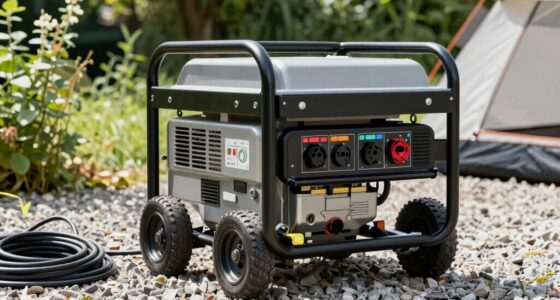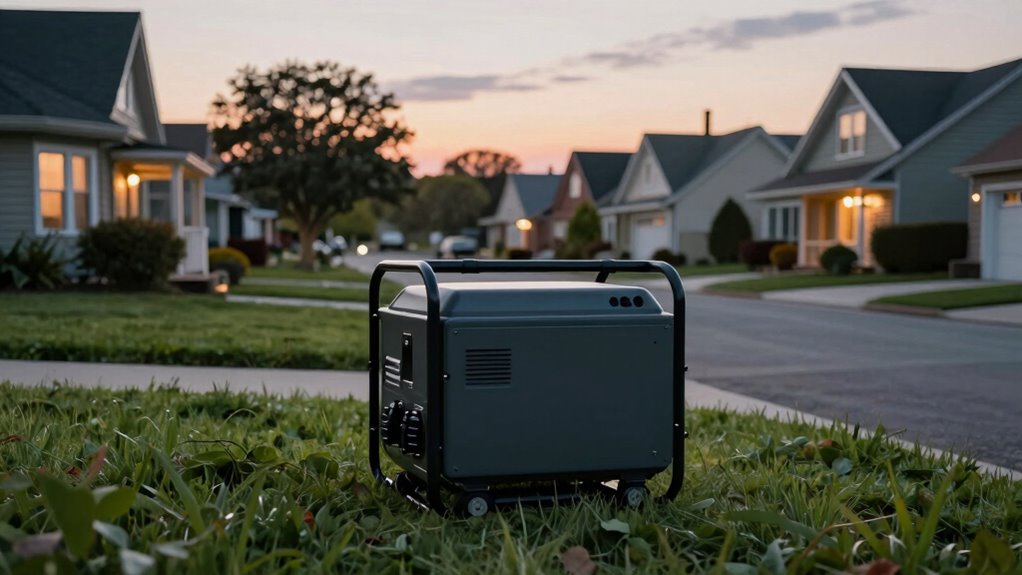

In residential neighborhoods, quiet generators matter because they help keep peace and prevent noise from disrupting daily life. Excessive noise from generators can cause stress, annoy neighbors, and lower property values. Modern noise reduction tech and choosing quieter models protect your home’s tranquility. By prioritizing low-noise options, you contribute to a harmonious community and maintain the neighborhood’s charm. To discover more about how noise impacts your surroundings, keep exploring the benefits of quiet generators.

Get backup power and energy gear delivered free with Prime
- Fast, free delivery on millions of items
- Prime Video, Amazon Music and more included
- Member-only deals all year
Key Takeaways
- They minimize noise pollution, preserving neighborhood peace and reducing stress for residents.
- Quiet generators prevent disturbances during nighttime and early mornings, ensuring restful living conditions.
- They help maintain property values by keeping the environment tranquil and attractive to buyers.
- Modern noise reduction technology enhances generator lifespan and reduces vibration and maintenance costs.
- Choosing quiet generators promotes community well-being and supports sustainable, responsible development.

Have you ever experienced the rattle of a noisy generator disrupting the peace of your neighborhood? It’s an all-too-common scenario that can turn a quiet evening into a jarring experience. Noise pollution from generators isn’t just annoying—it can notably impact your quality of life and even influence property value. When a generator emits loud, constant noise, it can disturb the serenity that residents cherish, making it harder to relax or enjoy outdoor spaces. This persistent sound isn’t just a minor inconvenience; it becomes a source of stress, especially if it’s ongoing during power outages or maintenance periods.
Noisy generators can disturb neighborhood peace, affect quality of life, and lower property values.
In residential neighborhoods, the importance of choosing quiet generators can’t be overstated. Unlike industrial or commercial zones, where noise levels are often less regulated, neighborhood settings demand a certain level of tranquility. When loud generators are used, they contribute to a rise in noise pollution, which can ripple through the community. Over time, this increased noise can lead to complaints, strained neighbor relations, and even stricter local regulations. More importantly, noise pollution can negatively affect property values. Homes near sources of constant, disruptive noise tend to be less desirable—potential buyers may be discouraged by the disturbance or perceive it as a sign of an unpleasant living environment.
Opting for quieter generators means you’re respecting your neighbors’ right to peace and quiet, fostering a more harmonious community. Modern technology offers numerous options for noise reduction, from sound-absorbing enclosures to advanced mufflers. These innovations allow you to maintain power needs without sacrificing tranquility. By investing in a quiet generator, you not only help preserve the peaceful atmosphere of your neighborhood but also protect your property’s worth. Buyers are more attracted to homes in quiet, well-maintained communities, and a low-noise generator can be a subtle yet impactful feature that enhances the overall appeal of your property.
Additionally, quieter generators tend to operate more efficiently and with less vibration, extending their lifespan and reducing maintenance costs. They also minimize the risk of disturbing neighbors during nighttime outages or early morning repairs. Using noise-reducing technology can significantly enhance the effectiveness of these generators. As advancements in sound insulation continue, more homeowners can benefit from improved noise control solutions. Incorporating noise-reduction features into generator selection is increasingly important as communities become more aware of the detrimental effects of noise pollution. Furthermore, choosing a generator with built-in noise mitigation features can contribute to community well-being, creating a more pleasant living environment for everyone. When you prioritize noise control, you contribute to a better quality of life for everyone around you and help uphold the value of your property. Ultimately, choosing a quiet generator isn’t just about personal convenience; it’s a responsible decision that benefits the entire neighborhood, promoting peace, stability, and long-term property appreciation. Reducing noise pollution is crucial for maintaining a harmonious and sustainable community environment.
As an affiliate, we earn on qualifying purchases.
Frequently Asked Questions
How Loud Are Quiet Generators Compared to Regular Ones?
Quiet generators typically produce sound levels between 50 to 65 decibels, which is considerably lower than regular generators that often reach 70 to 80 decibels. This reduced noise helps minimize noise pollution, making them ideal for residential neighborhoods. You’ll notice less disturbance, especially during nighttime or early mornings, allowing you to enjoy power without the loud disruptions that come with traditional generators.
Do Quiet Generators Require More Maintenance?
Quiet generators generally don’t require more maintenance than regular ones. Their noise levels don’t impact how often you need to service them, and maintenance frequency stays consistent based on usage and manufacturer recommendations. You should perform regular checks, oil changes, and filter replacements, just like with standard generators. The main benefit is that quieter models often have advanced features that can make upkeep smoother, ensuring reliable operation when you need it.
Are Quiet Generators More Expensive Than Standard Models?
Quiet generators tend to be more expensive than standard models due to their advanced noise reduction technology. You might pay higher installation costs because they often require specialized setup to maximize their quiet operation. While the initial investment is higher, this can be worth it in residential neighborhoods, where reducing noise pollution is essential. Overall, the peace and quiet you gain often justify the extra expense.
Can Quiet Generators Run on Renewable Energy Sources?
Yes, quiet generators can run on renewable energy sources, making them eco-friendly options. Unlike traditional models, many quiet generators now feature renewable compatibility, such as solar or biofuel options. While they might cost more upfront, their ability to harness sustainable energy helps reduce environmental impact. So, if you’re looking for an eco-conscious solution that minimizes noise, these quiet generators offer a smart, environmentally friendly choice for your home.
How Long Do Quiet Generators Typically Last?
Quiet generators typically last between 8 to 12 years, depending on usage and maintenance. You’ll notice their longer lifespan because they maintain low noise levels and are designed with fuel efficiency in mind. Regular servicing can extend their durability, ensuring your generator continues to operate smoothly without disturbing your neighborhood. Proper care and choosing a high-quality model help maximize both the noise levels and fuel efficiency over its lifespan.
As an affiliate, we earn on qualifying purchases.
Conclusion
Remember, silence is golden, especially in residential neighborhoods. Quiet generators help you stay powered without disturbing your neighbors or your peace. They’re not just convenient—they’re considerate. Investing in a quieter option shows you value community harmony and respect everyone’s right to a peaceful living space. So, when choosing a generator, think beyond just power—think about the quiet comfort it can bring to your neighborhood. After all, a peaceful environment benefits us all.
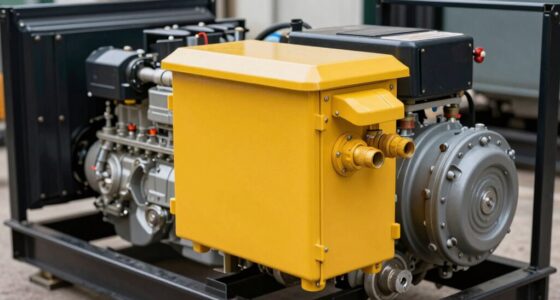
generator with noise reduction technology
As an affiliate, we earn on qualifying purchases.
As an affiliate, we earn on qualifying purchases.
As an affiliate, we earn on qualifying purchases.
Halloween Picks
halloween
As an affiliate, we earn on qualifying purchases.