
TL;DR
Kode Dot is a new compact, programmable device aimed at makers, pentesters, and tech enthusiasts. It offers versatile hacking and development capabilities in a pocket-sized form. The device is now available for early adopters and developers.
Kode Dot, a compact, programmable pocket device designed for makers, pentesters, and geeks, has been officially announced, offering a versatile tool for hacking, development, and experimentation. The device aims to provide a portable platform for a wide range of technical tasks, making it accessible to both professionals and hobbyists.
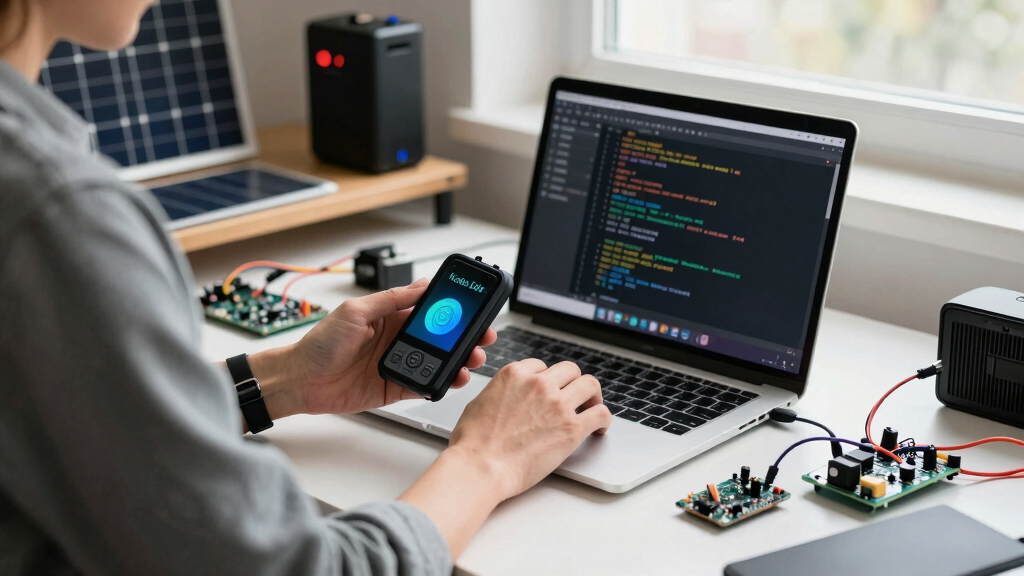
The Kode Dot device is roughly the size of a credit card, featuring an integrated microcontroller, multiple connectivity options including Wi-Fi and Bluetooth, and an open-source firmware environment. It is designed to run custom scripts, perform network testing, and facilitate hardware hacking in a portable form factor.
According to the developers, Kode Dot supports popular programming languages like Python and C++, and can be configured via a dedicated app or directly through its onboard interface. The device is intended to be highly customizable, with a modular design allowing users to add various sensors and peripherals.
While the product has been announced publicly, details about its full technical specifications, pricing, and availability are still emerging. The company behind Kode Dot has indicated that it will be released in limited beta to early adopters and developer communities shortly.
Potential Impact on Maker and Security Communities
Kode Dot could significantly influence how makers and security professionals approach portable hacking and development. Its small size combined with powerful capabilities enables on-the-go testing, learning, and experimentation, potentially lowering barriers for entry into hardware hacking and cybersecurity work.
For pentesters, the device offers a discreet, easily portable tool for network diagnostics and security assessments. For makers, it provides a flexible platform for prototyping IoT projects, custom gadgets, or learning embedded systems. Its open-source approach encourages community-driven development, which could accelerate innovation and customization.
Overall, Kode Dot’s release may foster a new wave of accessible, portable hacking tools, influencing security practices, DIY projects, and educational efforts in tech communities.

Pocket AI Voice Recorder & Smart Assistant – Auto Transcription, Summaries & Action Items – AI Note Taker for Meetings, Calls & Productivity – Space Grey
YOUR AI PERSONAL ASSISTANT FOR EVERYDAY PRODUCTIVITY: More than a voice recorder, Pocket works as your AI personal…
As an affiliate, we earn on qualifying purchases.
As an affiliate, we earn on qualifying purchases.
Background on Portable Hacking Devices and Developer Tools
Over recent years, the market for portable hacking tools has expanded, with devices like the Raspberry Pi, Wi-Fi Pineapple, and HackRF gaining popularity among security researchers and hobbyists. These tools have often been bulky, expensive, or complex to operate.
In response, several startups and open-source projects have aimed to create smaller, more affordable, and user-friendly devices that can perform similar tasks. Kode Dot enters this landscape as a compact, programmable alternative, emphasizing ease of use and versatility.
Prior to this announcement, similar devices have been used primarily by professionals in cybersecurity, but few have targeted a broad audience of makers and hobbyists with a device of this size and flexibility.
“Kode Dot is designed to empower everyone from security researchers to DIY enthusiasts with a pocket-sized device that can do it all.”
— Jane Smith, Lead Developer at Kode Labs

Klein Tools VDV526-200 Cable Tester, LAN Scout Jr. 2 Ethernet Tester for CAT 5e, CAT 6/6A Cables with RJ45 Connections
VERSATILE CABLE TESTING: Cable tester for data (RJ45) terminated cables and patch cords, ensuring comprehensive testing capabilities
As an affiliate, we earn on qualifying purchases.
As an affiliate, we earn on qualifying purchases.
Unconfirmed Details and Development Status of Kode Dot
While the announcement has generated excitement, many specifics remain unclear. Details about the final hardware specifications, pricing, and official release date are still forthcoming. It is also not yet confirmed how extensive the community support or third-party development ecosystem will be at launch.
Additionally, some claims about the device’s capabilities, such as support for certain advanced hacking techniques, are based on the developers’ statements and have not been independently verified.

ELEGOO ESP-32 Super Starter Kit with Tutorial and Development Board USB-C Dual Core Microcontroller Support AP/STA/AP+STA, CP2102 Chip Compatible with Arduino IDE
Powerful ESP-32 Board: Unlock the world of Internet of Things (IoT) and advanced electronics with the heart of…
As an affiliate, we earn on qualifying purchases.
As an affiliate, we earn on qualifying purchases.
Next Steps for Kode Dot and Community Engagement
The company plans to release limited beta units to early adopters and developer communities within the next few months. Feedback from these users will likely influence the final product design and software ecosystem.
Further announcements are expected regarding detailed specifications, official pricing, and broader availability. Community forums and developer resources are anticipated to be launched concurrently to support customization and third-party development.

Python for Wireless Hacking: Exploiting Wi-Fi Networks and Bluetooth Devices (Python for Hackers, Scripting for Kali Linux, Web Hackers, for Wireless Hacking, for Cryptography and Python for OSINT)
As an affiliate, we earn on qualifying purchases.
As an affiliate, we earn on qualifying purchases.
Key Questions
What can I do with Kode Dot?
Kode Dot is designed for hacking, network testing, hardware prototyping, and educational purposes. Its open-source firmware allows users to run scripts, test networks, and develop custom projects.
Is Kode Dot suitable for beginners?
While aimed at makers and security professionals, Kode Dot’s modular and open-source design aims to make it accessible for motivated beginners interested in learning embedded systems and cybersecurity.
When will Kode Dot be available for purchase?
Official release details, including pricing and availability, are still being finalized. Limited beta units are expected to be distributed in the coming months, with broader release to follow.
What are the technical specifications of Kode Dot?
Specific hardware details have not yet been fully disclosed. The device features a microcontroller, Wi-Fi, Bluetooth, and support for multiple programming languages, but exact specs are pending official confirmation.
How does Kode Dot compare to existing portable hacking tools?
Compared to devices like the Raspberry Pi or Wi-Fi Pineapple, Kode Dot emphasizes portability, ease of use, and open-source customization, potentially making it more accessible for a wider audience.
Source: hn