
TL;DR

Get backup power and energy gear delivered free with Prime
- Fast, free delivery on millions of items
- Prime Video, Amazon Music and more included
- Member-only deals all year
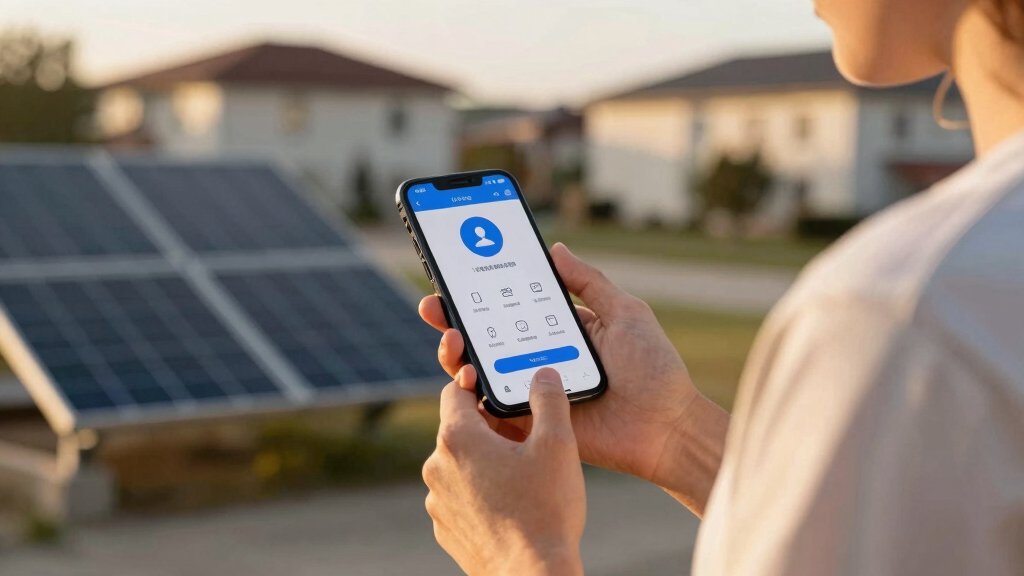
A European government has launched an age verification app that only functions on Android and iOS devices. This decision limits access for users on other platforms and raises privacy concerns. The move aims to enforce age restrictions online but faces criticism over inclusivity and data security.
The European Commission has launched a new age verification app that is only available on Android and iOS devices. This move aims to enforce online age restrictions more effectively but has sparked criticism over accessibility and privacy concerns. The app’s limited compatibility means users on other operating systems, such as Windows Phone or older devices, cannot access it, raising questions about digital inclusivity and data security.
The new European age verification app was announced by the European Commission on March 15, 2024, as part of its efforts to regulate online content accessible to minors. According to official statements, the app verifies users’ age through biometric data and government-issued IDs, aiming to prevent underage access to age-restricted content.
However, the app is only compatible with Android and iOS operating systems, excluding users on other platforms or older devices. The European Digital Rights (EDRi) organization criticized the move, arguing it could marginalize users with outdated or alternative devices and raise privacy concerns due to data collection practices. The European Commission has stated that the app complies with GDPR and prioritizes user privacy, but details about data security measures remain limited.
Implementation is currently in the initial rollout phase, with authorities encouraging users to download the app via official stores. There is no indication yet of penalties for non-compliance or how enforcement will be carried out across different platforms and regions.
Implications for Digital Accessibility and Privacy in Europe
This development is significant because it directly impacts accessibility for a broad range of European internet users, especially those on non-standard or older devices. Limiting the app to Android and iOS could exclude vulnerable populations, such as children using older or alternative devices, from verifying their age online. Additionally, privacy advocates are concerned about the collection and storage of biometric and identity data, despite official assurances of GDPR compliance. The move could influence future digital policies around age verification and platform restrictions across Europe.
As an affiliate, we earn on qualifying purchases.
European Efforts to Regulate Online Age Restrictions
European regulators have been increasingly focused on protecting minors online, with recent legislation mandating stricter age verification mechanisms for access to certain content. Prior initiatives included age gates on social media and online gaming platforms, but enforcement has been inconsistent. The launch of this app represents a more centralized approach, aiming to streamline age verification through a dedicated digital tool. Similar systems are being considered or tested in other regions, but questions about platform compatibility and privacy remain central to these efforts.
“The new app is designed to provide a secure and efficient way to verify age online, ensuring minors are protected from inappropriate content.”
— European Commission spokesperson
age verification app for Android iOS
As an affiliate, we earn on qualifying purchases.
As an affiliate, we earn on qualifying purchases.
Unclear Aspects of Implementation and Privacy Safeguards
It remains unclear how many users will be affected by the platform restrictions, especially those on non-compatible devices. Details about the app’s data security protocols and how biometric data will be stored or shared are limited. It is also unknown whether enforcement measures will include penalties for non-compliance or how authorities plan to address accessibility concerns in the long term. Further updates are expected as the rollout progresses and more technical specifics are released.
As an affiliate, we earn on qualifying purchases.
Next Steps in App Deployment and Policy Evaluation
European authorities are expected to monitor the app’s adoption rates and gather feedback from users and advocacy groups. Future updates may include expanded platform compatibility or enhanced privacy safeguards. Policymakers are also likely to review the app’s effectiveness and inclusivity, potentially leading to adjustments or new regulations to address emerging concerns. Stakeholders will be watching for official reports on user experience and privacy compliance in the coming months.
privacy-focused age verification device
As an affiliate, we earn on qualifying purchases.
As an affiliate, we earn on qualifying purchases.
Key Questions
Why is the age verification app only available on Android and iOS?
The European Commission stated that these platforms are the most widely used and supported, enabling a streamlined implementation. No official reasons have been provided for excluding other operating systems.
Will users on other devices be able to verify their age?
Currently, no. The app’s restrictions mean users on unsupported devices cannot access the verification service directly, which raises concerns about accessibility and inclusivity.
How does the app verify users’ age?
The app uses biometric verification and ID document scans to confirm users’ age, with data stored securely according to GDPR standards.
Are there privacy risks associated with this app?
While officials claim the app complies with GDPR, privacy advocates warn that biometric data collection and storage pose potential risks if not properly managed.
What happens if someone refuses to use the app?
Details about enforcement or penalties are not yet clear. Authorities may require alternative verification methods or impose restrictions on access to certain online content.
Source: hn
Halloween Picks
halloween
As an affiliate, we earn on qualifying purchases.