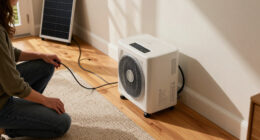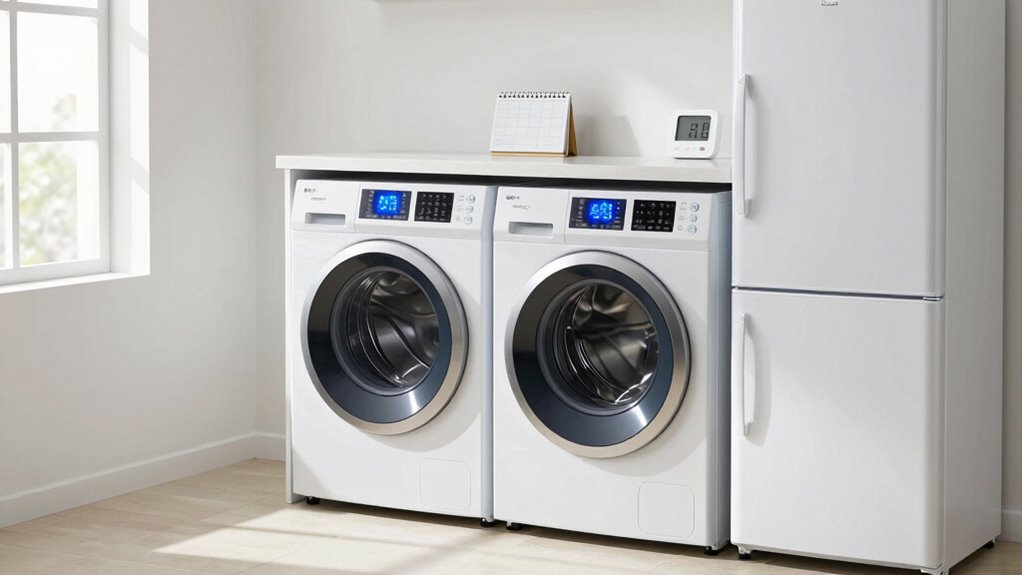

To create an appliance rotation routine that saves power, start by identifying your most energy-hungry appliances and tracking their usage patterns. Schedule their operation during off-peak hours and stagger their use to avoid running multiple devices simultaneously. Regularly maintain appliances to guarantee efficiency and consider using smart technology for real-time monitoring. Periodically review and adjust your schedule as your household needs change. Keep going for more tips on optimizing your routine and maximizing savings.

Get backup power and energy gear delivered free with Prime
- Fast, free delivery on millions of items
- Prime Video, Amazon Music and more included
- Member-only deals all year
Key Takeaways
- Identify high-energy appliances and schedule their use during off-peak hours to reduce energy costs.
- Develop a timetable that spaces out appliance usage to avoid simultaneous operation and peak demand.
- Incorporate regular maintenance to ensure appliances run efficiently and consume less power.
- Use smart technology or energy monitoring tools to track consumption and optimize routines accordingly.
- Review and adjust the rotation schedule periodically to accommodate changing household needs and improve efficiency.
Have you ever wondered how to keep your appliances running efficiently and extend their lifespan? Creating an appliance rotation routine is a smart way to achieve both goals. By implementing energy efficient scheduling, you can guarantee your appliances don’t wear out prematurely and that you’re saving power in the process. It’s all about thoughtful planning and understanding your appliances’ usage patterns.
Start by evaluating which appliances you use most frequently and which ones are energy hogs. For example, your refrigerator, washing machine, and dishwasher typically run regularly but have different operational needs. To optimize energy efficient scheduling, try to stagger their use. For instance, don’t run the dishwasher and washing machine at the same time if you can avoid it, as this can overload your electrical system and waste power. Instead, space out their cycles throughout the day. This not only reduces peak energy consumption but also minimizes strain on your appliances.
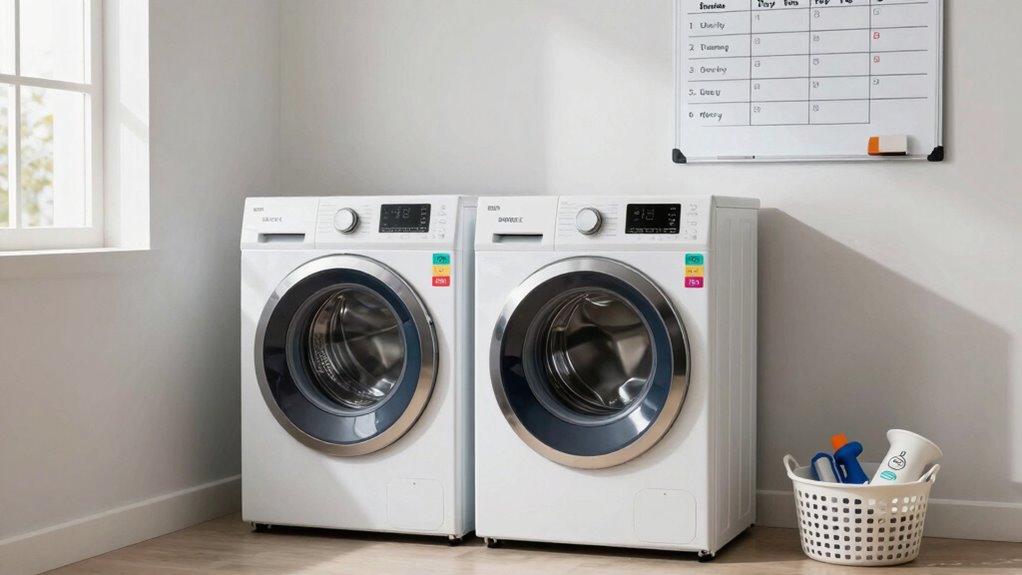
Implementing a rotation schedule involves creating a simple timetable that designates specific days or times for each appliance’s use. This way, you avoid overuse and give your appliances time to rest, which directly contributes to appliance lifespan extension. For example, if you know you only need to do laundry twice a week, don’t run the washer every day. This reduces unnecessary wear and tear, making your appliances last longer. Similarly, plan to run your dishwasher during off-peak hours if your utility offers lower rates, saving you money and supporting energy efficiency.
Another tip is to keep appliances well-maintained. Regular cleaning of filters, coils, and vents ensures they operate at peak efficiency, reducing power consumption and prolonging their life. When you’re creating your routine, factor in these maintenance tasks so they become part of your schedule. This proactive approach helps you catch potential issues early, avoiding costly repairs and unexpected downtime. Additionally, understanding your appliances’ operational needs can help you better align your routine with their unique energy consumption patterns. Incorporating energy consumption data or other evaluation tools can also help tailor your household routines for optimal efficiency.
You can also consider using smart technology to monitor and adjust appliance usage based on real-time data, further optimizing your routine. These tools can help identify energy-saving opportunities that might otherwise go unnoticed. Finally, stay flexible and review your routine periodically. As your household needs change, tweak your schedule to maintain energy efficiency and appliance longevity. Remember, a well-designed rotation routine isn’t just about saving power; it’s about making your appliances last longer and work better for you. With a little planning and consistency, you can enjoy lower energy bills, fewer repairs, and appliances that serve you well for years to come.
As an affiliate, we earn on qualifying purchases.
Frequently Asked Questions
How Often Should I Rotate My Appliances for Optimal Energy Savings?
You should rotate your appliances every few months to maintain energy efficiency. Regular appliance maintenance, like cleaning filters and checking for issues, guarantees they run efficiently. By doing so, you prevent unnecessary energy consumption and prolong appliance lifespan. Keep an eye on usage patterns and perform rotations seasonally or based on wear and tear. This routine helps optimize power savings while keeping your appliances in top condition.
Can Appliance Rotation Extend the Lifespan of My Devices?
Think of your appliances as marathon runners, needing rest and care to keep going strong. Regular appliance maintenance through rotation prevents overuse, reducing wear and tear. This energy conservation strategy not only enhances efficiency but also extends your devices’ lifespan, like a well-tuned engine running smoothly longer. By rotating appliances thoughtfully, you’re giving each a chance to recover, ensuring they serve you well for years to come.
What Signs Indicate It’s Time to Replace an Appliance?
You should replace an appliance when it shows signs like frequent breakdowns, rising repair costs, or declining efficiency. Check if it’s still under warranty coverage, which can save you money on repairs or replacement. If repair costs start approaching replacement costs, it’s smarter to replace rather than repair. Additionally, persistent performance issues or safety concerns indicate it’s time for a new appliance to guarantee safety and energy savings.
Are There Specific Appliances That Benefit Most From Rotation?
Certain appliances, like refrigerators, washing machines, and dishwashers, benefit most from rotation because their efficiency depends on proper appliance compatibility and balanced usage. By following rotation scheduling, you prevent overuse and extend their lifespan. Regularly swapping their positions or usage times ensures they operate at their best, saving power and reducing wear. This proactive approach helps you maintain appliance performance while minimizing energy costs.
How Do I Track the Energy Savings From My Rotation Routine?
Think of tracking your energy savings like tuning a musical instrument; you want precise notes. Start with an energy audit to establish your baseline. Use usage monitoring tools to track each appliance’s energy consumption before and after rotation. Record these changes regularly to see patterns and improvements. This way, you’ll clearly see how your routine hits the right notes, ensuring you’re saving power efficiently and effectively.
As an affiliate, we earn on qualifying purchases.
Conclusion
By establishing a smart appliance rotation routine, you not only save power but also extend the life of your devices. Think of it as a dance—each appliance playing its part in harmony, conserving energy with every step. When you prioritize efficient use, you turn everyday chores into a symphony of sustainability. So, take control, choreograph your routine, and let your home sing with power-saving grace—because every small step leads to a brighter, greener tomorrow.
smart home energy management system
As an affiliate, we earn on qualifying purchases.
As an affiliate, we earn on qualifying purchases.
As an affiliate, we earn on qualifying purchases.
Halloween Picks
halloween
As an affiliate, we earn on qualifying purchases.