TL;DR

Get backup power and energy gear delivered free with Prime
- Fast, free delivery on millions of items
- Prime Video, Amazon Music and more included
- Member-only deals all year
Solar-powered backup generators harness sunlight to keep essential appliances running during outages. Advances in batteries and smart tech make them more reliable and cost-effective, though weather and capacity still matter.
Imagine losing power during a storm, and instead of a noisy gas generator rattling in the background, a sleek, quiet panel array silently supplies your home with clean energy. It’s the quiet revolution in backup power. Solar-powered backup generators aren’t just a trend—they’re a smart move for anyone looking to stay resilient, save money, and protect the planet.
In this article, you’ll discover how these systems work, what recent advances have made them more practical, and the key things you need to know to decide if one fits your needs. Whether you live in a remote cabin or want backup power during outages, understanding these systems helps you make smarter, greener choices.
A well-sized solar backup system can power essential home appliances for up to 48 hours during outages.
Advances in lithium-ion batteries have made solar backup solutions more reliable, with a lifespan of 10-15 years.
Hybrid setups combining solar with wind or grid options greatly improve resilience in cloudy or stormy weather.
Regular but simple maintenance like panel cleaning and battery checks keeps systems running at peak efficiency.
Despite higher initial costs, solar backup generators reduce long-term expenses and carbon footprints.
What Exactly Is a Solar-Powered Backup Generator—and How Does It Keep Your Lights On?
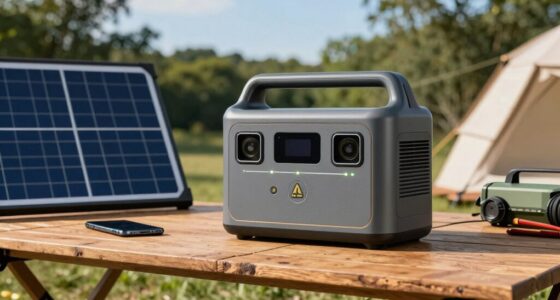
Think of a solar-powered backup generator as a battery bank charged by the sun. During the day, solar panels soak up sunlight, transforming it into electricity. That power flows into a deep cycle battery, storing energy for when the sun dips below the horizon or clouds hide the sky. An inverter then converts this stored DC power into usable AC electricity, so your fridge, lights, and Wi-Fi stay on, even when the grid goes dark.
Unlike traditional gas generators, these systems operate silently—no engine noise, no fumes. Instead, they hum quietly in the background, powered by the sun’s gentle rays. The key components include solar panels, batteries, inverters, and a charge controller that keeps everything running smoothly and safely.
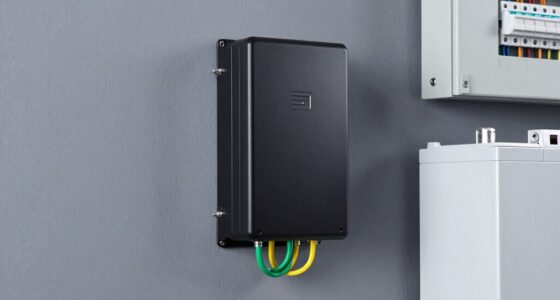
Picture a small, sleek panel array on your roof, connected to a tidy cabinet housing batteries and electronics. When a storm knocks out power, your home switches seamlessly to this stored energy. It’s like having a personal, eco-friendly power bank that works around the clock.
As an affiliate, we earn on qualifying purchases.
Why More People Are Choosing Solar Backup Systems—And Not Just for Eco-Points
Solar backup generators bring a handful of big wins to the table. First, they cut down on noise—no roaring engines, just a whisper-quiet hum. Second, they save money over time—no fuel costs, less maintenance. Imagine the relief of not worrying about a gas shortage during a storm or paying hefty bills for fuel or repairs.
Plus, they’re eco-friendly—zero emissions during operation. This means cleaner air and less carbon footprint. For remote cabins or off-grid homes, these systems offer independence from fossil fuels, making power outages less stressful.
For example, a family in Florida installed a solar backup system that kept their essential appliances running during hurricane season. They cut their outage time from days to hours and avoided spoiled food and lost work. That’s real resilience, driven by the sun’s power.
As an affiliate, we earn on qualifying purchases.
Breaking Down the Main Parts of a Solar Backup System — What You Need to Know
| Component | What It Does |
|---|---|
| Solar Panels | Capture sunlight and convert it into electricity, like a sun-catching net. Quality panels produce more power and last longer. |
| Batteries | Store excess energy for cloudy days or nighttime. Lithium-ion batteries are popular because they last longer and charge faster. |
| Inverter | Transforms DC power from batteries into AC power, the kind your appliances need. Think of it as the translator for your home’s power needs. |
| Charge Controller | Regulates battery charging, preventing overcharge and damage. It’s the system’s traffic cop, keeping everything running safely. |
Imagine a small, tidy box of electronics connected to your roof and basement. The quality of each part—especially the batteries—determines how long your system can run and how well it handles cloudy days.
As an affiliate, we earn on qualifying purchases.
What’s New? The Latest Tech Making Solar Backup Power Smarter and Cheaper
Recent advances are making solar backup systems more reliable and affordable. Lithium-ion batteries now pack more energy into less space, lasting up to 15 years—double what older lead-acid batteries offered. That’s like getting a decade and a half of worry-free power storage.
Hybrid systems combine solar with wind turbines or connect to the grid, giving you backup options even when the sun hides. Smart monitoring apps let you check your system’s health, adjust settings, or schedule maintenance from your phone. It’s like having a remote control for your power supply.
Prices have dropped dramatically—solar panels have become 70% cheaper in the last decade, and batteries follow suit. Incentives and rebates in many regions further cut your costs, making solar backup systems accessible to more homeowners and small businesses.
For instance, a homeowner in California added a hybrid system that uses both solar and small wind turbines. Now, even during a week of overcast skies, their system supplies power seamlessly, thanks to smart controls and ample storage.
As an affiliate, we earn on qualifying purchases.
How Long Can a Solar Backup Keep Your Home Running During a Power Outage?
It depends on your system’s size and your energy habits. A typical residential solar backup with a 10 kWh battery can power essential appliances—like fridge, Wi-Fi, and lights—for about 24 to 48 hours, depending on usage. Larger batteries stretch that window even further.
Say you’re a family that uses 2 kWh daily for essential needs. With a 10 kWh battery, you could go nearly a week without grid power if you conserve. But if you run your AC, dishwasher, and electric heater, the clock shortens.
Extended outages—like during a multi-day storm—require bigger batteries or hybrid setups. Combining solar with grid connection or wind turbines adds flexibility, turning your system into a versatile energy fortress.
For example, a rural farm in Colorado installed a 20 kWh system, giving them enough juice to keep livestock watering, refrigeration, and lighting going for up to three days during heavy snowstorms.
Weather Woes: Can Clouds and Rain Still Leave You in the Dark?
Sunlight isn’t always reliable—cloudy days and rain can reduce solar panel output by 50-80%. That’s where batteries shine. They store excess energy when the sun’s out, so your system can run longer even when the sky is gray.
Hybrid systems, which combine solar with other renewables or grid access, add an extra layer of security. They switch seamlessly between power sources, making outages less stressful.
A homeowner in Seattle, where overcast days are common, installed a hybrid system with a large battery bank. During long rainy spells, the system shifts to stored energy, keeping their essentials running. It’s a practical way to beat weather unpredictability.
Remember, the bigger your battery bank, the better your resilience against gloomy days. Proper sizing and backup planning are key to making sure your system holds up when sunlight dims.
Keeping It Running: What Maintenance Do Solar Backup Systems Need?
Good news: solar backup systems are pretty low maintenance. The main tasks involve cleaning solar panels a couple of times a year—especially if you live in dusty or snowy areas. Dust, leaves, or snow can block sunlight and cut efficiency.
Batteries need occasional health checks—most lithium-ion units last 10-15 years with minimal fuss. Some systems include remote monitoring, so you get alerts if something’s off.
For example, a family in Texas schedules a quick panel cleaning every spring and fall, ensuring maximum power collection. They also check battery health annually, which is straightforward thanks to the monitoring apps.
Overall, proper maintenance extends the lifespan and keeps your system humming smoothly, just like a well-tuned car.
Should You Go Solar Backup? Weighing the Pros and Cons
Here’s a quick snapshot: solar backup generators are eco-friendly, silent, and save money long-term. They’re perfect for remote homes or areas with unreliable power. But, they do come with higher upfront costs and weather dependence.
Compare these features:
| Feature | Solar Backup Generator | Traditional Gas Generator |
|---|---|---|
| Noise | Whisper-quiet | Loud and rattling |
| Fuel Cost | Zero ongoing | High, ongoing |
| Emissions | None during operation | Polluting fumes |
| Initial Cost | Higher | Lower |
| Maintenance | Minimal | More frequent |
Choosing depends on your priorities: if you value quiet, clean energy and long-term savings, solar backup is worth the investment. For quick, cheap power in emergencies, a gas generator might still be tempting.
Frequently Asked Questions
How much does a solar-powered backup generator typically cost?
Prices range widely depending on capacity and components. Small systems for essential needs can start around $5,000, while larger, whole-house setups could cost $20,000 or more. Installation and local incentives also influence the total budget.
Can a solar backup generator power my entire house?
Most residential systems are designed for critical appliances and essential loads. Powering an entire large home during an outage requires a bigger, more expensive system—sometimes not practical for average budgets. Prioritizing essentials makes the most sense for many homeowners.
How long can a solar backup system sustain my home during an outage?
It depends on your battery capacity and energy use. For example, a typical 10 kWh battery might power your fridge, lights, and Wi-Fi for 24-48 hours. Larger batteries or hybrid systems extend that window significantly—up to several days with careful planning.
Are solar backup generators reliable in prolonged cloudy weather?
Reliability hinges on battery size and hybrid options. Batteries store excess energy for use when sunlight wanes. Hybrid systems that connect to the grid or include wind turbines provide extra security, ensuring power even during extended gloomy periods.
What maintenance does a solar backup system need?
Minimal. Mainly, clean the solar panels a couple of times a year to keep them working efficiently. Batteries typically last 10-15 years with basic health checks. Monitoring apps help track performance and alert you to issues early.
Conclusion
Solar-powered backup generators are shifting how we think about resilience. They combine the sun’s endless energy with quiet, eco-friendly operation—turning a simple idea into a smart safety net. If you’re ready to cut your reliance on fossil fuels and boost your home’s independence, investing in solar backup power could be your best move.
Imagine a future where your home quietly hums with clean energy, ready to serve you during the darkest storms. That future is within reach—powered by the sun, built for resilience.
Halloween Picks
halloween
As an affiliate, we earn on qualifying purchases.