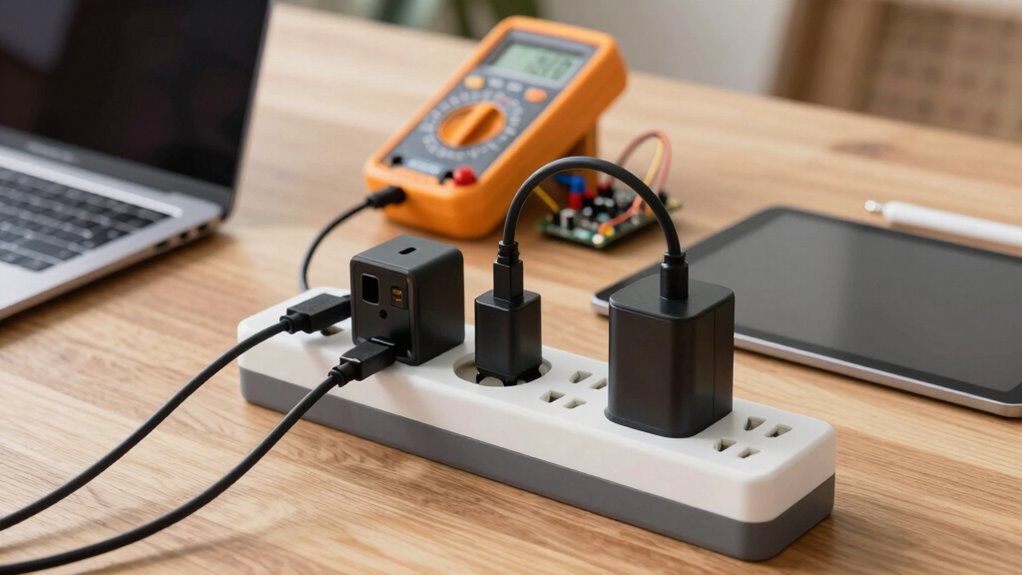

To decide whether your devices should use DC instead of AC power, focus on those that operate efficiently directly from batteries or renewable sources, like LED lighting and small electronics. Choosing DC devices reduces conversion losses, extends battery life, and simplifies your system. Make certain your inverter can handle the devices and their power requirements. If you continue exploring, you’ll discover more tips to optimize your energy setup and improve overall efficiency.
Play games included with Prime
Start a Prime free trial and play with Amazon Luna on your devices.
As an affiliate, we earn on qualifying purchases.
Key Takeaways
- Prioritize devices that operate directly from batteries or renewable sources, such as LED lighting and electronics.
- Choose DC-powered devices to reduce energy conversion losses and improve overall system efficiency.
- Ensure devices are compatible with your inverter’s specifications, especially for AC appliances.
- Select DC devices for off-grid or solar setups to minimize system complexity and maintenance.
- Evaluate power requirements and load capacity to prevent overloading and ensure optimal performance.
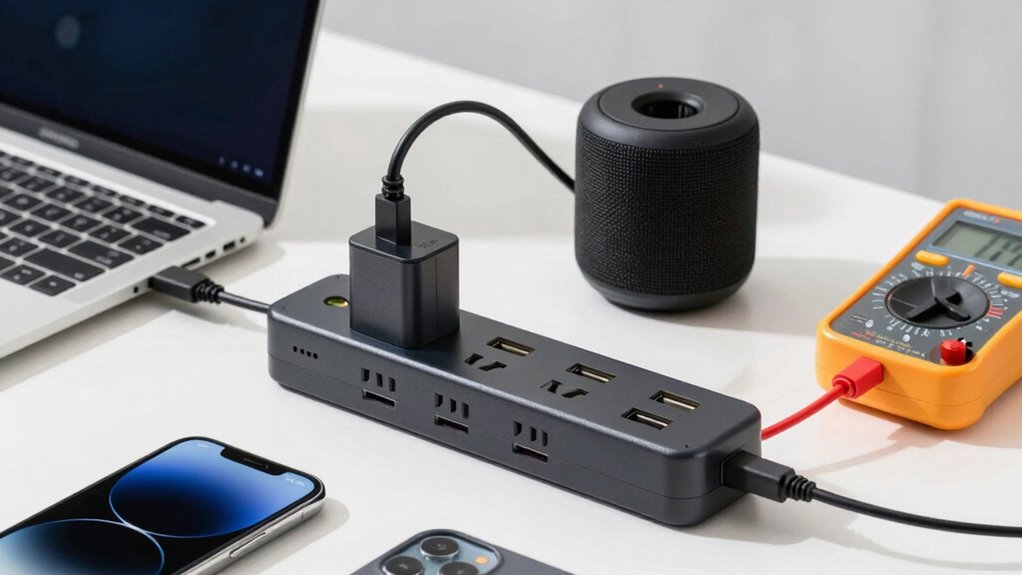
When selecting devices for your electrical system, understanding whether you need DC (direct current) or AC (alternating current) power is vital. This decision influences how efficiently your system operates, impacts battery life, and determines compatibility with inverters. This understanding can help you optimize energy efficiency** and reduce operational costs over time. If you’re working with batteries or renewable energy sources, choosing devices optimized for DC power can markedly improve battery efficiency. Devices designed for DC often draw less power because they don’t require conversion from AC, reducing energy losses and extending your system’s runtime. For example, LED lighting, small appliances, and certain electronics are typically more efficient when powered directly by DC, especially in off-grid setups or solar-powered systems. Additionally, selecting appropriate devices can help minimize system complexity and maintenance needs over time. Being aware of power conversion** efficiencies can further guide your choices to enhance overall system performance.
Choosing DC devices enhances efficiency, extends battery life, and reduces energy losses in renewable energy systems.
Furthermore, understanding electrical load management is essential to prevent overloading your system and ensure safe operation. Inverter compatibility plays a key role in this decision-making process. If you plan to use an inverter to convert DC from batteries or solar panels into AC for household appliances, you need to confirm that your devices are compatible with the inverter’s specifications. Some devices are designed specifically for AC power and may not operate efficiently or at all on DC, or they might require a specialized inverter with specific waveforms (like pure sine wave). Using incompatible devices can lead to reduced performance, damage, or increased energy consumption. Conversely, DC devices can often be directly connected to batteries or DC sources without the need for inverters, improving overall system efficiency and reducing complexity. Additionally, understanding power requirements is crucial to ensure that your system can handle the load without issues.
Ultimately, choosing which devices should use DC instead of AC depends on balancing efficiency, compatibility, and application needs. If your goal is to maximize battery life and reduce energy losses, prioritize DC-compatible devices and confirm your inverter can handle the types of loads you plan to power. When in doubt, consult device specifications and inverter ratings carefully to ensure your system operates smoothly, efficiently, and reliably. By understanding these factors, you’ll make smarter choices that optimize your energy system’s performance and longevity.
As an affiliate, we earn on qualifying purchases.
Frequently Asked Questions
How Does Device Size Influence Power Source Choice?
You should consider device size because larger devices often need more power, affecting the choice between AC and DC sources. Smaller, portable devices typically prioritize efficiency and may run better on DC power for lower energy loss. Larger devices require power compatibility that supports higher loads, so they often rely on AC. Your decision should focus on optimizing device efficiency while matching the power source to the device’s size and energy requirements.
Are There Safety Concerns Switching Between AC and DC?
Switching between AC and DC is like crossing a busy street—you need to stay alert. Safety concerns mainly involve voltage stability and following proper safety protocols. Sudden voltage fluctuations can damage your device or cause injury. Always guarantee proper insulation, use appropriate converters, and adhere to safety guidelines. By doing so, you minimize risks and ensure safe operation when switching power sources, keeping both your device and yourself protected.
Can Existing Devices Be Modified for DC Power?
Yes, you can modify existing devices for DC power, but you need to check battery compatibility and voltage regulation. Confirm the device’s components can handle the voltage and current of your DC source, and replace or modify power supplies accordingly. Pay attention to voltage regulation to prevent damage, and consult the device’s specifications. Proper modifications can make your device run smoothly on DC, but always prioritize safety and compatibility.
What Are the Cost Differences Between DC and AC Devices?
Imagine a quiet stream of energy flowing steadily—DC power often costs more upfront due to higher inverter costs and specialized components. While battery efficiency can make DC devices cheaper to run long-term, initial setup might be pricier. AC devices usually have lower initial costs, thanks to widespread manufacturing. Over time, your savings depend on inverter expenses and how efficiently your batteries convert and store energy.
How Does Power Quality Vary Between AC and DC Systems?
You’ll find that power quality varies between AC and DC systems mainly in harmonic distortion and power stability. AC systems often experience more harmonic distortion, which can cause interference and reduce efficiency. DC systems generally offer better power stability with fewer fluctuations, making them ideal for sensitive electronics. However, fluctuations in AC power are easier to correct with standard stabilizers. Your choice depends on your device’s sensitivity and the need for consistent power quality.
As an affiliate, we earn on qualifying purchases.
Conclusion
Ultimately, selecting between DC and AC power is like choosing the right key for a lock—each opens different doors. By understanding your device’s needs, you hold the master key to efficiency and longevity. When you align your choices with their true nature, you’re not just powering a device—you’re revealing its potential. In this dance of currents, trust your instincts to lead you to harmony, where power flows seamlessly and purpose is fulfilled.
As an affiliate, we earn on qualifying purchases.
As an affiliate, we earn on qualifying purchases.
NFL season / tailgating Picks
team gear
As an affiliate, we earn on qualifying purchases.