TL;DR
Leaves is a new text-based disk usage treemap visualizer announced on Show HN. It provides a terminal-only alternative to GUI disk analyzers, aiding users managing remote or containerized systems.
A developer has introduced Leaves, a new text-based disk usage treemap visualizer designed for terminal environments. This tool offers an alternative to graphical utilities, making it useful for managing disk space on remote servers, containers, or systems without GUI access.
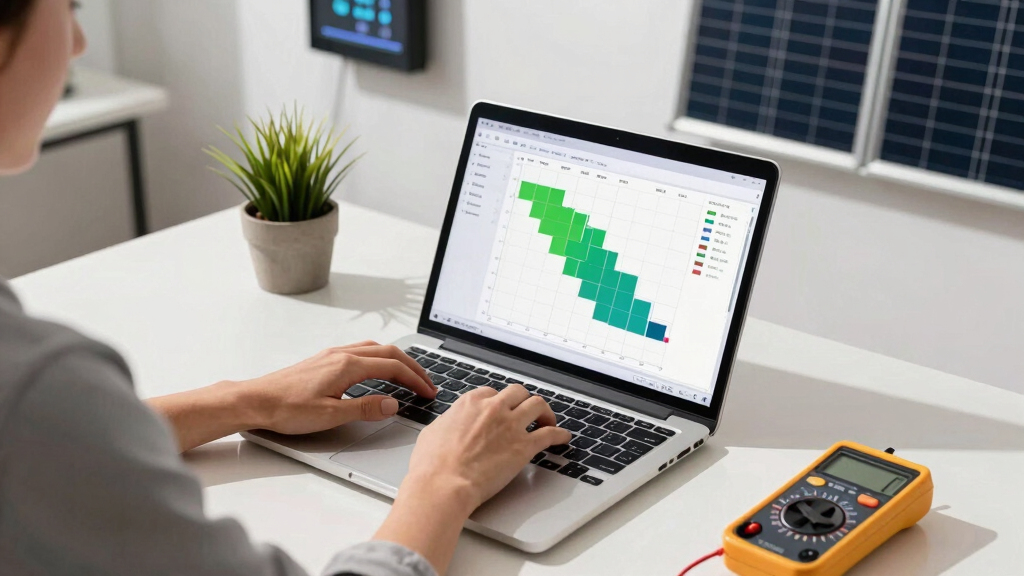
Leaves is a command-line tool that visualizes disk usage using treemaps within a text-based interface. It was shared on Show HN by its creator, aiming to address the limitations of existing GUI disk analyzers in headless or remote environments. The tool generates visual representations of disk space distribution directly in the terminal, facilitating quick identification of large files and directories. According to the developer, Leaves is lightweight, easy to use, and suitable for environments where graphical tools are impractical or unavailable. The project is open source, with the code available for community review and contribution. It is designed to work across different systems, emphasizing simplicity and accessibility for users managing server storage or containerized applications.Implications for Remote System and Container Management
Leaves provides a valuable alternative for system administrators and developers working in environments where GUI tools are not accessible. Its text-based approach allows for disk space analysis directly in terminal sessions, which can improve workflow efficiency and reduce dependency on graphical interfaces. As disk management becomes increasingly critical in cloud and containerized deployments, tools like Leaves could streamline maintenance tasks and help prevent storage issues before they escalate. The open-source nature also encourages community development and customization, potentially expanding its features and compatibility.
disk usage treemap visualizer for terminal
As an affiliate, we earn on qualifying purchases.
As an affiliate, we earn on qualifying purchases.
Limitations of Existing Disk Usage Tools in Headless Environments
Traditional GUI disk analyzers, such as WinDirStat or Baobab, are effective but require graphical interfaces that are often unavailable on remote servers, containers, or minimal systems. Command-line utilities like ‘du’ provide basic disk usage insights but lack visual representations, making it harder to quickly identify large directories or files. This gap has motivated developers to create text-based visual tools, with Leaves emerging as a recent addition focused on treemap visualization within the terminal. The project responds to a growing need for efficient, accessible disk management tools in server and container environments.
“Leaves aims to bring visual disk analysis to the terminal, making it easier to understand disk usage at a glance without switching to a GUI.”
— Developer of Leaves
command-line disk analyzer tool
As an affiliate, we earn on qualifying purchases.
As an affiliate, we earn on qualifying purchases.
Remaining Questions About Leaves’ Capabilities and Adoption
It is not yet clear how comprehensive Leaves’ visualization features are compared to established GUI tools or whether it can handle very large filesystems efficiently. The project’s maturity, user interface polish, and community adoption are still developing. Additionally, performance benchmarks and compatibility details across different operating systems remain to be seen as the project evolves.
text-based disk space visualization software
As an affiliate, we earn on qualifying purchases.
As an affiliate, we earn on qualifying purchases.
Next Steps for Leaves Development and Community Engagement
The developer plans to gather user feedback to improve Leaves, potentially adding features like export options or enhanced interactivity. Community contributions are encouraged through the open-source repository, and further updates may include performance optimizations and broader platform support. Watching the project’s GitHub page will reveal upcoming releases and community-driven enhancements.
headless server disk management tools
As an affiliate, we earn on qualifying purchases.
As an affiliate, we earn on qualifying purchases.
Key Questions
How does Leaves compare to GUI disk analyzers?
Leaves provides a text-based treemap visualization within the terminal, offering a lightweight alternative to GUI tools. While it may lack some advanced features of graphical analyzers, it is designed for environments where GUIs are unavailable or impractical.
Is Leaves suitable for large filesystems?
The developer has not provided detailed performance benchmarks. Its suitability for very large filesystems remains to be tested, but being lightweight suggests it could handle moderate sizes efficiently.
Can Leaves be used on all operating systems?
The current information indicates it is designed to work across Unix-like systems, but specific OS compatibility details are not yet confirmed. Community feedback may expand support.
Is Leaves open source?
Yes, the project is open source, encouraging community review, feedback, and contributions.
What are the main benefits of using Leaves?
Its primary benefits include enabling disk space visualization directly in the terminal, aiding remote or headless system management, and providing an easy-to-understand treemap layout for disk usage analysis.
Source: hn