
TL;DR

Get backup power and energy gear delivered free — and shop member deals
- Fast, free delivery on millions of items
- Access to Prime Big Deal Days deals on October 6–7
- Prime Video, Amazon Music and more included
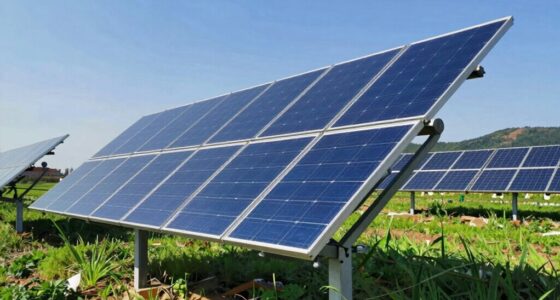
The Solar Energy Industries Association (SEIA) has found that solar projects occupy just 0.07% of U.S. farmland. This data is released amid ongoing Farm Bill negotiations and concerns over land use. The findings suggest solar development has a limited footprint compared to other land uses.
The Solar Energy Industries Association (SEIA) announced that solar energy projects occupy only 0.07% of U.S. farmland, according to a new interactive map. This finding comes as Congress debates the Farm Bill and as concerns grow about land use for renewable energy development. The data underscores that solar’s land footprint remains minimal compared to other uses, which could influence policy discussions.
SEIA’s interactive map reveals that solar development uses just 0.07% of U.S. farmland, equating to approximately 43 acres of abandoned prime farmland for every acre of solar on prime land. The organization states that solar currently accounts for only 0.04% of the total land area in the United States. Notably, no state has solar occupying more than 0.5% of prime farmland, and many states have more abandoned prime farmland than active solar projects.
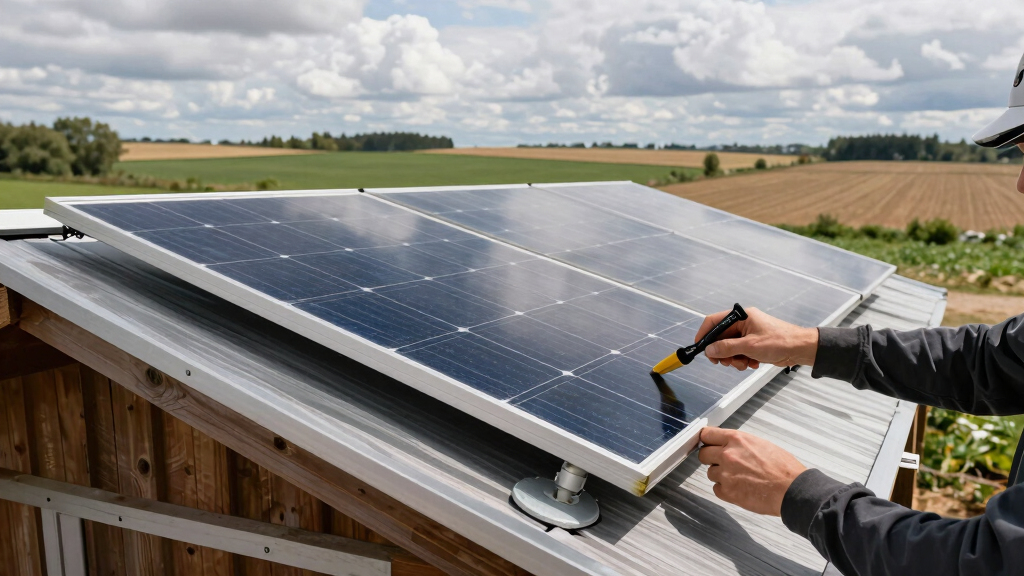
SEIA emphasizes that many solar projects support dual-use agricultural practices, such as grazing and pollinator habitats, which aim to balance land use for energy and farming. The findings are intended to provide context amid misinformation and targeted scrutiny of solar land use, especially as policymakers consider the role of solar in the nation’s energy future.
Impact of Solar Land Use on Agriculture and Policy
The report’s findings challenge misconceptions that solar energy significantly encroaches on farmland, which could influence ongoing policy debates, including Farm Bill negotiations. Demonstrating that solar occupies a tiny fraction of land may support efforts to expand renewable energy deployment without compromising agricultural land. It also highlights the importance of dual-use practices that can maximize land productivity while supporting clean energy goals.
solar panel mounting brackets for farmland
As an affiliate, we earn on qualifying purchases.
As an affiliate, we earn on qualifying purchases.
Land Use Comparisons and Ongoing Policy Discussions
Concerns over land use for solar have grown amid debates over the Farm Bill and broader energy policies. Historically, suburban sprawl and recreational uses have taken much larger shares of land, with suburban development alone since 2014 using roughly six times more prime farmland than solar. Other land uses, such as golf courses, also surpass solar in land consumption. The new data from SEIA provides a clearer picture of solar’s minimal footprint, countering claims that solar development threatens agricultural productivity.
“Responsible land use means balancing energy needs with agricultural and community priorities.”
— an anonymous researcher
As an affiliate, we earn on qualifying purchases.
Uncertainties About Future Solar Land Expansion
It is not yet clear how future solar development will evolve, especially if policy incentives increase or if land use priorities shift. The current data reflects the existing footprint, but ongoing projects and potential expansions could alter land use patterns. Additionally, the extent of dual-use practices and their adoption across different regions remains to be fully understood.
pollinator-friendly solar panel covers
As an affiliate, we earn on qualifying purchases.
As an affiliate, we earn on qualifying purchases.
Next Steps in Policy and Land Use Planning
Policy makers are expected to continue discussions on balancing energy development with land conservation. Further research may focus on the effectiveness of dual-use practices and the potential for solar to expand without significant land use conflicts. Monitoring future solar project deployments and land use changes will be critical to inform balanced policies.
solar-powered farm irrigation systems
As an affiliate, we earn on qualifying purchases.
As an affiliate, we earn on qualifying purchases.
Key Questions
How much land does solar currently occupy in the US?
According to SEIA, solar occupies approximately 0.07% of U.S. farmland, which is about 43 acres of abandoned prime farmland for every acre of active solar on prime land.
Does solar development threaten agricultural land?
Current data suggests that solar uses a very small fraction of farmland compared to other land uses, and many projects support dual-use practices, reducing conflicts with agriculture.
How does solar land use compare to suburban sprawl?
Suburban development since 2014 has used roughly six times more prime farmland than solar, indicating that solar’s footprint is relatively minor in land use debates.
What is the significance of this data for policy debates?
The findings provide context to counter misinformation and support responsible expansion of solar energy without significantly impacting farmland.
What remains uncertain about solar’s land use impact?
Future expansion, regional differences, and the adoption of dual-use practices are still developing factors that could influence solar’s land footprint moving forward.
Source: Solar Power World
Fall Picks
fall essentials
As an affiliate, we earn on qualifying purchases.