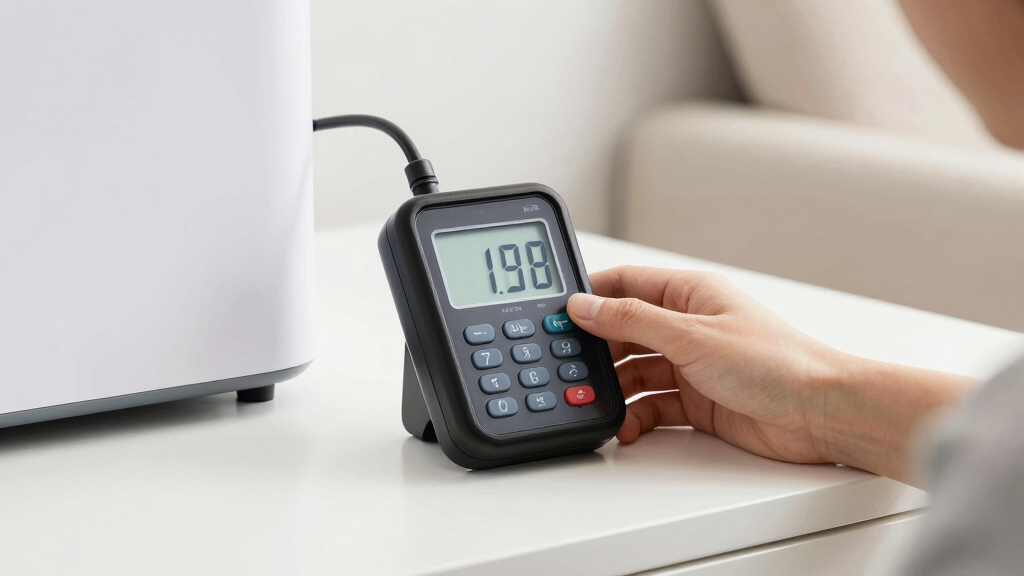
When it comes to testing home appliances for energy consumption and performance, choosing the right power meter is key. The best overall pick in this category is the Upgraded Watt Meter Power Meter Plug for its user-friendly design and reliable readings. For those seeking detailed analysis, the Briidea Electricity Usage Monitor offers real-time data with overload alerts, making it ideal for in-depth testing. However, buyers often face tradeoffs between affordability, ease of use, and measurement precision. Continue reading to see how these options stack up and which one fits your testing needs best.

Get backup power and energy gear delivered free with Prime
- Fast, free delivery on millions of items
- Prime Video, Amazon Music and more included
- Member-only deals all year
Key Takeaways
- Accuracy and reliability vary significantly across models, making calibration and build quality critical factors.
- Ease of use and display clarity are decisive for beginners, while advanced users prioritize detailed metrics and overload protection.
- Budget options often lack advanced features but still provide usable data for basic testing, whereas premium models offer comprehensive analysis.
- Design and form factor influence how conveniently the meter integrates into regular testing routines, especially for multi-outlet setups.
- Tradeoffs between price, features, and accuracy highlight the importance of matching the device to the specific testing requirements.


More Details on Our Top Picks
Klein Tools 69149P Electrical Test Kit with Digital Multimeter, Non-Contact Voltage Tester, and Outlet Tester
This kit stands out for its all-in-one approach, combining a digital multimeter, non-contact voltage tester, and outlet tester into a single package. Compared to larger standalone meters like the Klein Tools CL120VP, this set offers a balanced mix of safety features and versatility suitable for DIYers and light professional work. The inclusion of multiple tools means you can diagnose voltage, wiring, and faults without juggling separate devices, but it doesn’t handle complex wiring issues or high-voltage testing. Its ease of use and safety indicators make it ideal for those needing quick, reliable electrical checks, though calibration might be needed for precise measurements.
Pros:- Includes multiple testing tools for comprehensive diagnostics
- Easy-to-read visual and audible safety indicators
- Detects common wiring faults accurately
Cons:- Limited to basic fault detection, not suitable for complex wiring troubleshooting
- Requires batteries, adding to ongoing maintenance
- Multimeter may need calibration for high-precision tasks
Best for: Homeowners and DIY enthusiasts who want a versatile, all-in-one electrical testing kit for routine troubleshooting.
Not ideal for: Professional electricians requiring advanced diagnostics or calibration-capable multimeters for complex wiring projects.
- Multimeter Voltage Range:up to 600V AC/DC
- Multimeter Current:10A DC
- Resistance:2 MΩ
- Non-Contact Voltage Range:50 to 1000 VAC
- Included Accessories:Test leads, batteries
Bottom line: This kit is best for DIY homeowners needing reliable basic electrical diagnostics without the complexity of advanced meters.
Upgraded Watt Meter Power Meter Plug Home Energy Monitor Electricity Usage Monitor with Backlight and Overload Protection
This energy monitor excels at tracking multiple electrical parameters, making it ideal for those who want ongoing insights into their household consumption. Its large backlit LCD and overload protection set it apart from simpler models like the Briidea monitor, providing clearer data and safer operation. While it only works with US standard appliances and the backlight turns off automatically unless manually reset, it offers reliable, real-time monitoring that helps households identify energy hogs and optimize usage, making it a smart choice for energy-conscious users who prefer a straightforward plug-and-play device.
Pros:- Tracks multiple electrical parameters simultaneously
- Features overload protection and a clear backlit display
- Remembers data even after power loss
Cons:- Limited to US standard appliances, not compatible internationally
- Backlight turns off automatically after 10 minutes unless manually turned on
Best for: Homeowners seeking continuous, easy-to-understand monitoring of household appliance energy use.
Not ideal for: Users with high-power industrial appliances or those requiring professional-grade diagnostics, due to its limited capacity and basic functionality.
- Power Source:Corded Electric
- Minimum Operating Voltage:120 Volts
- Measurement Type:Electrical
- Color:Grey
- Item Weight:0.15 Kilograms
- Item Dimensions:5.5 x 3.5 x 2.5 inches
Bottom line: This monitor is perfect for energy-conscious homeowners wanting simple, ongoing insight into their appliance power consumption.
Briidea Electricity Usage Monitor, 4-Outlet Power Consumption Watt Voltage Amp Meter Tester, Real-Time Energy Analyzer with Backlit LCD, Overload Alerts, Memory Function for Home Appliances
This monitor’s standout feature is its four outlets, allowing simultaneous tracking of multiple devices, which is useful for households with several appliances. Compared to single-outlet monitors like the Upgraded Watt Power Meter, it provides a broader view of home energy use. Its overload alerts and backlit LCD ensure safety and visibility, but its thresholds may not suit high-power appliances, and its wired design limits mobility. For users wanting to monitor several gadgets at once, this model offers detailed real-time data, though it’s less suited for large or high-wattage setups.
Pros:- Tracks multiple devices simultaneously with four outlets
- Provides comprehensive real-time energy data
- Backlit LCD display for easy reading in any lighting
- Includes overload alerts for safety
Cons:- Limited to 4 outlets, not for large-scale setups
- Overload thresholds may be too low for high-power appliances
- Requires plugging into a power source, not standalone
Best for: Households with multiple appliances needing coordinated energy management and real-time monitoring of several devices.
Not ideal for: Users with high-power appliances exceeding the overload thresholds or who prefer standalone, portable meters for single devices.
- Number of Outlets:4
- Display Type:LCD
- Overload Alert Threshold:1200W per socket, 1800W total
- Features:Real-time monitoring, overload alerts, memory function
Bottom line: This device suits households with multiple small to medium appliances needing detailed, concurrent energy monitoring.
Upgraded Watt Power Meter Plug – Home Electrical Usage Monitor with Backlight, Overload Protection, 7 Modes Display
This watt meter offers a detailed view of electrical parameters with its 7-mode display and adjustable backlight, making it suitable for users who want detailed insights into their devices’ energy use. Its large, adjustable backlit display surpasses simpler models like the Klein Tools 69149P, especially for those who need to monitor multiple parameters at once. However, the default overload setting might need manual adjustment for certain appliances, and its setup complexity could deter casual users. Overall, it’s a solid choice for those who want customizable, detailed energy data in a straightforward package.
Pros:- Accurately monitors multiple electrical parameters
- Large, clear backlit display with multiple modes
- Adjustable backlight duration and overload protection
- Data memory function for long-term tracking
Cons:- Default overload threshold may require manual adjustment
- Buttons can become unresponsive during overload warnings
- Setup may be too involved for casual users
Best for: Tech-savvy homeowners aiming for detailed, customizable monitoring of various electrical parameters.
Not ideal for: Users seeking a simple, plug-and-play energy monitor without the need for configuration or detailed parameter tracking.
- Power Source:Corded Electric
- Minimum Operating Voltage:12 Volts
- Maximum Operating Voltage:120 Volts
- Measurement Type:Ammeter
- Display Size:2.36 inch x 1.85 inch
- Overload Protection:Yes, adjustable up to 3680W
Bottom line: This meter suits users who want detailed, customizable energy data and are comfortable with some setup effort.
Klein Tools CL120VP Electrical Test Kit with Clamp Meter, Testers, Leads, Pouch, and Batteries
This comprehensive kit combines a digital clamp meter, receptacle tester, non-contact voltage tester, and voltage tester into a single package, offering advanced functionality for professional electricians or serious DIYers. The auto-ranging clamp meter provides quick, accurate current readings without breaking circuits, a feature that sets it apart from simpler plug-in meters like the Briidea. Its bulkier size and need for some electrical knowledge may limit portability and ease of use for casual users, but its versatility makes it suitable for complex diagnostics and troubleshooting in demanding environments.
Pros:- Versatile set with multiple testing tools
- Auto-ranging clamp meter offers quick, accurate readings
- Includes convenient pouch and batteries for portability
Cons:- Bulkier and less portable than handheld standalone meters
- Requires familiarity with electrical testing procedures for optimal use
Best for: Professional electricians or experienced DIYers who need a complete set of electrical testing tools on the job site.
Not ideal for: Casual homeowners or novices who may find the kit’s size and features overwhelming or unnecessary for simple tasks.
- Power Source:Hand-powered
- Minimum Operating Voltage:12 Volts
- Maximum Operating Voltage:1000 Volts
- Temperature Rating:60°C
- Measurement Type:Voltmeter
- Item Weight:1.78 lbs
Bottom line: This kit is best suited for professionals or experienced DIYers needing a comprehensive electrical testing solution for complex tasks.
Klein Tools RT250 GFCI Outlet Tester with LCD Display
This GFCI outlet tester stands out for its clear, large backlit LCD display that simplifies voltage readings and wiring fault detection. Compared to basic testers, the RT250 provides visual trip time data and LED indicators that speed up troubleshooting, especially in complex wiring scenarios. However, it’s limited to testing 120V outlets and requires some familiarity with electrical testing methods, making it less suitable for general energy monitoring. Its auto-hold feature is a plus for hard-to-reach outlets, but it lacks advanced diagnostic functions found in more comprehensive meters like the Suraielec Watt Meter. This device makes the most sense for electricians or serious DIYers focused on wiring safety rather than energy consumption.
Pros:- Large backlit LCD for easy readings
- Detects common wiring faults including open neutral and ground
- Auto-hold feature simplifies testing in hard-to-reach outlets
- Bright LED indicators for quick visual cues
Cons:- Limited to 120V outlets, restricting versatility
- Requires familiarity with electrical testing procedures
- No advanced diagnostic or energy measurement features
Best for: Electrical professionals or experienced DIYers needing quick wiring fault checks
Not ideal for: Home energy managers or appliance testers seeking detailed consumption data
- Display:Backlit LCD
- Voltage Range:120V
- Safety Rating:CAT II 135V
- Features:Trip time display, open neutral/ground detection, auto-hold, LED indicators
Bottom line: This tester is best suited for electricians and experienced DIYers focused on wiring safety and troubleshooting rather than energy measurement.
Suraielec Watt Meter, Plug-in Socket Power Meter
The Suraielec Watt Meter makes a strong case as a dedicated energy monitoring device, offering detailed measurements of power, voltage, and current, alongside automatic cost calculations. Unlike the Klein RT250, which focuses solely on wiring faults, the Suraielec provides a broader picture of appliance energy consumption, making it ideal for home energy audits. Its large, backlit LCD display ensures visibility, but it requires connection to an outlet and has a current limit of 16A, which could restrict testing of high-power appliances. The rechargeable battery adds convenience but may need replacement over time. This device is best for homeowners wanting ongoing energy management rather than troubleshooting wiring faults.
Pros:- Accurate and comprehensive energy data
- Large, easy-to-read backlit display
- Automatic cost calculation helps track expenses
- Memory stores data up to 90 days
Cons:- Requires a power outlet for operation
- Limited to 16A current capacity
- Rechargeable battery may need replacement over time
Best for: Homeowners interested in energy efficiency and cost management
Not ideal for: Electricians needing detailed wiring diagnostics or testing high-power equipment
- Voltage Range:90-250V
- Current Range:0-16A
- Wattage:0-3680W
- Display:Large backlit LCD
- Data Storage:Up to 90 days
- Power Source:Rechargeable NiMH
Bottom line: This watt meter is ideal for homeowners seeking detailed, ongoing energy use insights and cost tracking rather than wiring diagnostics.
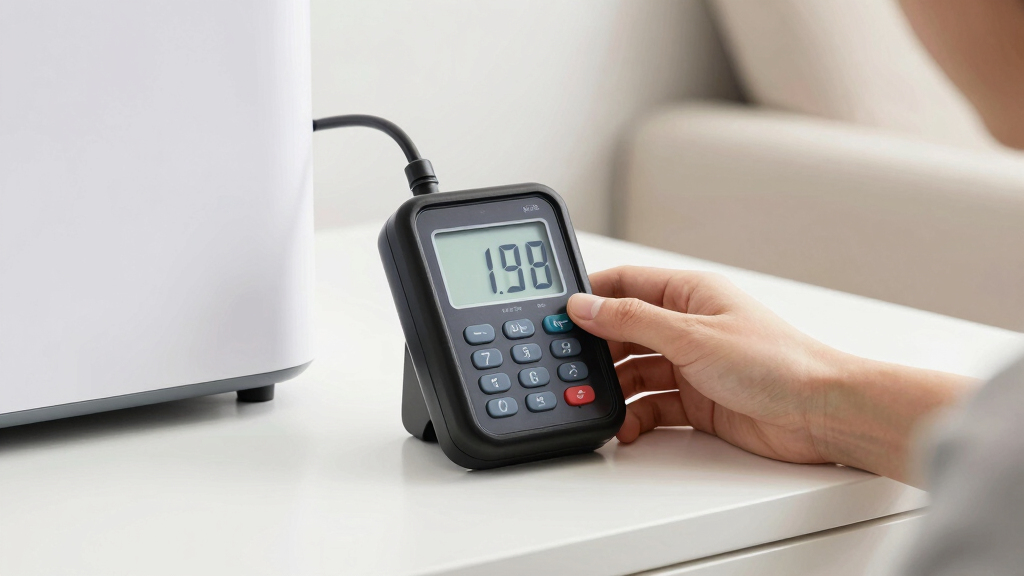
How We Picked
These products were evaluated based on performance accuracy, user interface clarity, build quality, and versatility. Additional considerations included overload protection, data logging capabilities, and overall value for different user levels. The ranking reflects a balance between affordability and advanced features, prioritizing devices that deliver consistent, reliable data suitable for home appliance testing. Products were selected to cover a range of use cases from casual monitoring to detailed energy analysis, ensuring options for both beginners and experienced users.Factors to Consider When Choosing Best Power Meter For Home Appliance Testing
Choosing the best power meter for home appliance testing involves more than just looking at price. Consider the device’s measurement accuracy, ease of use, and display clarity. Compatibility with different outlet types and overload protection are also key for ensuring safety and durability. Additionally, think about whether you need features like data logging or real-time alerts to match your testing goals. Recognizing these factors can help you avoid common pitfalls and select a meter that provides consistent, trustworthy results over time.Measurement Accuracy and Calibration
Accurate readings are fundamental for reliable testing. Look for models that have been calibrated against known standards or include calibration features. Inaccurate measurements can lead to misjudging appliance efficiency or safety issues. Keep in mind that lower-cost meters sometimes sacrifice precision, so investing in a higher-quality device can pay off if accurate data is critical for your testing routines.
Ease of Use and Display
A clear, easy-to-read display reduces user errors, especially during quick checks or in dim lighting. Touchscreen interfaces or backlit LCDs make operation straightforward, while overly complex menus can introduce confusion. For beginners, a simple plug-and-play design with intuitive controls can make a significant difference in how often and effectively you use the device.
Compatibility and Outlet Types
Ensure the power meter supports the outlets in your home, whether standard, GFCI, or multi-outlet configurations. Some meters are designed exclusively for certain voltages or plug types, which could limit their usability. Selecting a model with wide compatibility ensures you won’t need multiple devices, saving both money and space.
Additional Features and Data Capabilities
Features like overload protection safeguard your device and appliances during testing, especially with high-wattage equipment. Data logging, real-time alerts, and memory functions are valuable for detailed analysis or long-term monitoring. Weigh these extras based on your testing depth—advanced features are less relevant for casual checking but indispensable for thorough assessments.
Price and Overall Value
Balance your budget with the features you need. Sometimes, a slightly more expensive model offers better accuracy, durability, and additional functionalities that justify the cost. Conversely, if your testing needs are basic, a budget-friendly option might suffice. Consider long-term use and whether investing in a higher-quality meter can reduce the need for replacements or recalibration over time.
Frequently Asked Questions
Can I use a general multimeter as a power meter for home appliances?
While a multimeter can measure voltage, current, and resistance, it is not typically designed for continuous power consumption monitoring. Power meters are calibrated to measure real-time energy use and often include features like overload protection and data logging, which are essential for accurate appliance testing. Using a dedicated power meter ensures safer, more precise, and more convenient measurements, especially over extended periods.
How important is it for a power meter to have overload protection?
Overload protection is a key safety feature that prevents damage to the meter and reduces risk when testing appliances with high power draws. It ensures the device can handle unexpected surges or peak loads without malfunctioning or posing safety hazards. For home testing, especially with larger or unpredictable appliances, choosing a meter with overload protection adds peace of mind and durability to your testing setup.
Should I prioritize a larger display or more detailed metrics?
For casual or infrequent testing, a larger, clearer display can make readings quicker and easier to interpret. However, if you need comprehensive data, such as voltage fluctuations or energy consumption over time, a meter with detailed metrics and data logging features is more suitable. Consider your experience level and testing goals—beginners benefit from simplicity, while advanced users may prefer detailed analytics.
Are wireless or Bluetooth-enabled power meters worth the extra cost?
Wireless models can provide convenience by transmitting data to your smartphone or computer, making long-term monitoring and analysis easier. However, they often come at a higher price and may introduce connectivity issues. If you require frequent, detailed data collection and analysis, investing in a Bluetooth-enabled meter can be worthwhile; otherwise, simpler wired models may suffice for basic testing.
How often should I recalibrate my power meter?
Most consumer-grade power meters do not require frequent recalibration if used within their specified load ranges and in proper conditions. However, if you notice inconsistent readings or after extensive use, checking the calibration or replacing the device may be necessary. For critical testing applications, periodic calibration against a known standard can maintain measurement accuracy and ensure reliable results over time.
Conclusion
For casual home users or those new to energy testing, the Upgraded Watt Meter Power Meter Plug offers a user-friendly experience with reliable measurements at an affordable price. If you need detailed analytics and real-time data, the Briidea Electricity Usage Monitor is an excellent choice, especially for in-depth testing. The Best Overall pick balances accuracy, ease of use, and value, making it suitable for most households. For those seeking a premium, feature-rich device, investing in models with data logging and advanced displays makes sense. Ultimately, your choice depends on your testing frequency, required detail level, and budget—match these factors to find the best power meter for your home appliance testing needs. As an affiliate, we earn on qualifying purchases.Halloween Picks
halloween