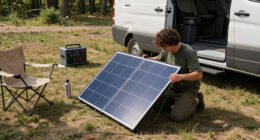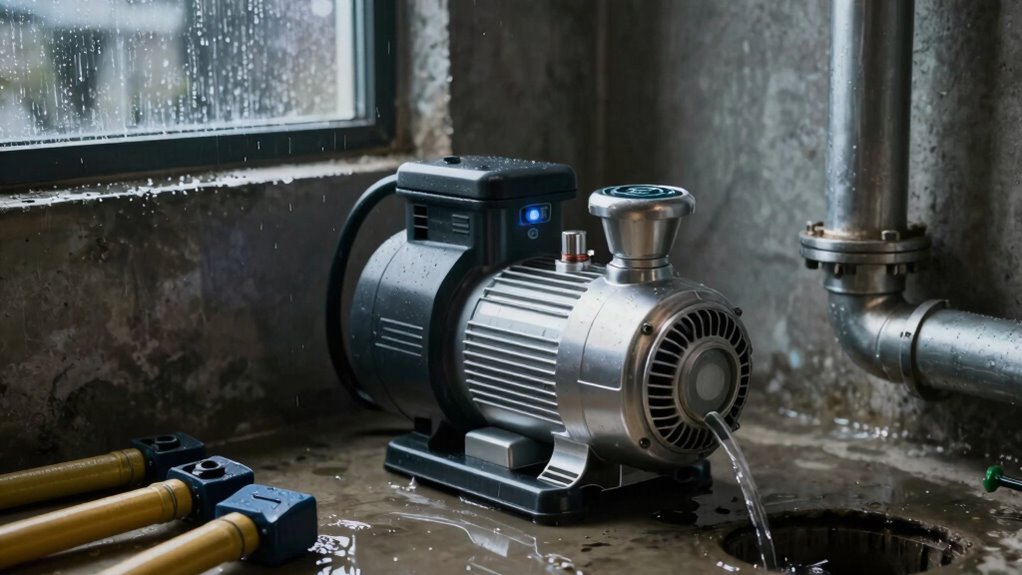

When your sump pump is your main backup, start by checking that it’s functioning properly, including the power source and circuit breaker. Regularly inspect components like the float switch and discharge pipe for clogs or damage. Keep emergency supplies, like a portable pump and backup power, ready to go. Stay alert for signs of failure, and act quickly if you notice issues to prevent flooding. For more tips on maintaining your sump pump and emergency prep, keep exploring.

Get backup power and energy gear delivered free with Prime
- Fast, free delivery on millions of items
- Prime Video, Amazon Music and more included
- Member-only deals all year
Key Takeaways
- Immediately check if the sump pump is operating and troubleshoot any mechanical or electrical issues.
- Activate backup power sources like a generator or portable pump to ensure continuous water removal.
- Keep emergency supplies (buckets, towels, and backup pumps) ready for quick deployment.
- Monitor water levels and weather reports to anticipate further flooding risks.
- Contact emergency services or a plumber if the pump fails or water damage escalates.
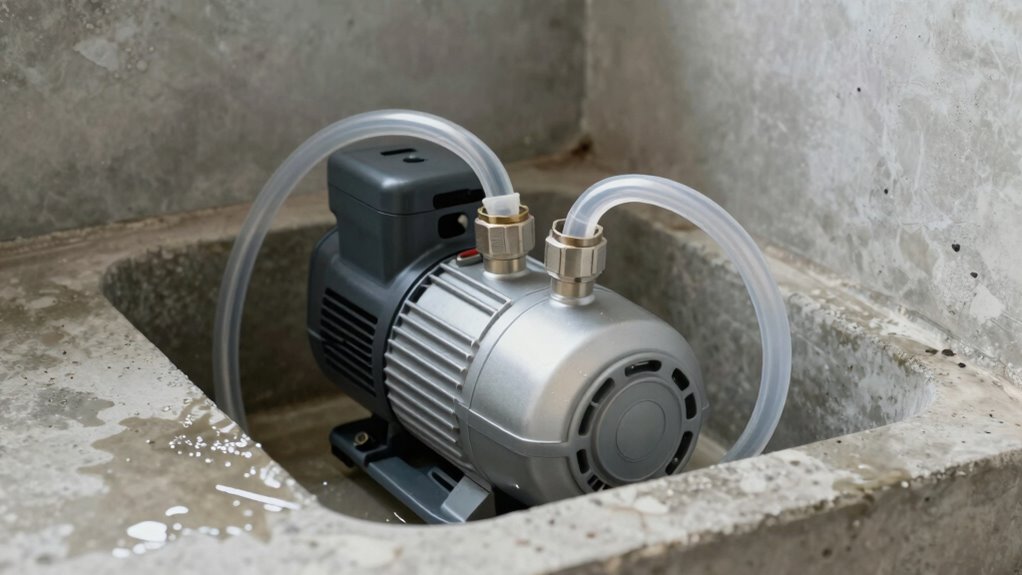
When your sump pump becomes your top backup priority, quick action is essential to prevent flooding and water damage. You need to act fast and have a clear plan in place. Start by evaluating the situation and confirming your sump pump is functioning correctly. A good first step is to perform a maintenance checklist to identify and fix common issues. Check the power source—make sure it’s plugged in and that the circuit breaker hasn’t tripped. If you rely on a backup power supply, verify that it’s operational and fully charged. Examine the float switch, ensuring it moves freely and isn’t obstructed by debris or sediment. Clear any clogs from the intake screen and check the discharge pipe for blockages or leaks. Regular maintenance keeps the pump in excellent condition and reduces the risk of failure during emergencies. Understanding the importance of emergency preparedness can significantly improve your response during critical situations. Recognizing the signs of pump failure early can help you take timely action and prevent costly damage. Additionally, staying informed about water level monitoring techniques can help you anticipate problems before they escalate. Being aware of common sump pump issues can further aid in quick diagnosis and repair. Staying proactive with system maintenance ensures your sump pump remains reliable when you need it most.
Emergency preparedness is crucial when your sump pump is your main defense against flooding. Have emergency supplies ready, including a portable pump, buckets, towels, and a backup power source like a generator. Keep a list of emergency contacts, including plumbers and local authorities, in case you need professional help. Keep a close eye on weather reports and water levels, especially during heavy rain or storms, so you can react proactively. If your sump pump shows signs of malfunction or isn’t operating as it should, don’t delay in taking action. The longer water remains unchecked, the higher the risk of extensive damage to your home. Regularly testing your backup systems and updating your emergency preparedness plan will give you peace of mind and ensure you’re ready for any situation. Remember, the key is to act quickly, stay organized, and keep your equipment in top shape. By staying proactive and prepared, you can minimize water damage and protect your home when your sump pump is your biggest backup priority.
As an affiliate, we earn on qualifying purchases.
Frequently Asked Questions
How Often Should I Test My Sump Pump?
You should test your sump pump at least once a month to guarantee it’s working properly. Follow a regular maintenance schedule, especially before heavy rain seasons, to prevent surprises. During testing, pour water into the sump pit to see if the pump activates. This routine helps you stay prepared for emergencies, so your sump pump can handle unexpected flooding. Stay proactive with maintenance to protect your home effectively.
What Are Signs My Sump Pump Needs Replacement?
If your sump pump shows signs like strange noises, frequent cycling, or failure to activate during heavy rain, it’s time for a replacement. These issues threaten flood prevention and basement dryness, risking water damage. Also, check for rust, corrosion, or leaks, which indicate wear. Replacing an aging pump guarantees reliable operation, keeps your basement dry, and prevents costly water damage. Regular maintenance helps detect these signs early.
Can a Backup Battery Power My Sump Pump?
Think of your backup battery as the heartbeat of your sump pump’s emergency system. Yes, a backup battery can power your sump pump during outages if it’s properly maintained. Regular battery maintenance guarantees reliable operation, and integrating a backup system ensures continuous protection. Keep the battery charged, check connections, and consider a system that automatically switches on to keep your basement dry even when the power’s out.
How Do I Prevent Sump Pump Failures?
To prevent sump pump failures, prioritize regular backup maintenance and follow installation tips carefully. Check your pump and backup system monthly, clean debris, and test the backup battery regularly. Make certain your backup is correctly installed and functioning properly. Keep an eye on water levels and replace any worn or damaged parts promptly. Proper maintenance and correct installation help your sump pump work reliably during heavy rains or power outages.
What Is the Average Lifespan of a Sump Pump?
The average lifespan of a sump pump is about 8 to 10 years. To maximize its longevity, follow maintenance tips like regularly testing the pump, cleaning the basin, and inspecting for debris. When considering installation tips, make sure you choose a model suited for your home’s needs and have it professionally installed to prevent early failure. Proper maintenance and correct installation are key to extending your sump pump’s life.
As an affiliate, we earn on qualifying purchases.
Conclusion
Remember, keeping your sump pump in top shape is essential since floods cause over $2.5 billion in damages annually. Regular maintenance and backup plans can save you from costly repairs. If your sump pump is your top backup priority, make sure it’s reliable and ready to act at a moment’s notice. Don’t wait until heavy storms hit—proactively protect your home today. A small investment in preparedness can prevent a major disaster tomorrow.
As an affiliate, we earn on qualifying purchases.
sump pump discharge pipe repair kit
As an affiliate, we earn on qualifying purchases.
As an affiliate, we earn on qualifying purchases.
Halloween Picks
halloween
As an affiliate, we earn on qualifying purchases.